Machines vs. Free Weights: Which Is Better for Building Strength?
The leg press is available. The squat rack is occupied. You could start training now, except for the small voice suggesting that a machine somehow counts less.
Free weights often carry the reputation of being the serious option, while machines get cast as something to outgrow. The research offers a more useful perspective. Both can build strength and muscle. Which belongs in your programme depends on what you want to improve, how comfortably you can perform the movement and whether the exercise lets you train consistently. There is an important qualification: getting stronger at a particular lift involves practising that lift. A stronger leg press will not tell you exactly what you can squat.
Both approaches can build strength
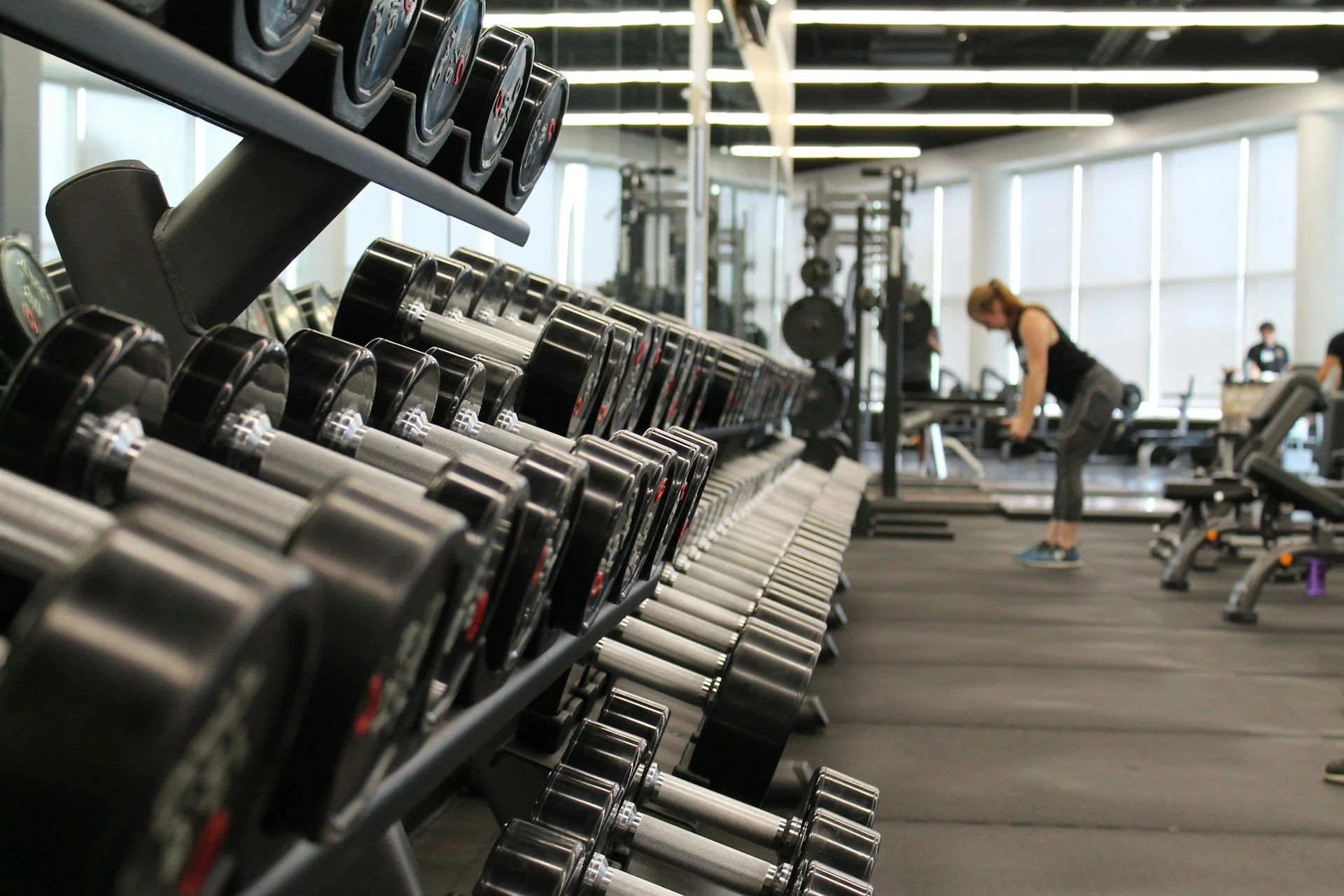
A 2023 systematic review comparing free weights and machines brought together 13 studies. It found no clear overall advantage in strength gains when each group was assessed using the type of equipment it had trained with. It also found no significant difference in muscle growth.
That does not mean every machine exercise is interchangeable with every dumbbell exercise. The studies tested particular programmes, and only five contributed muscle-growth data. The findings support having options, rather than declaring all exercises identical.
In an eight-week randomised trial involving 46 young adults, both approaches increased biceps and quadriceps muscle thickness without a significant difference between groups. Most strength outcomes were also similar, although machine bench-press strength improved more in the machine group.
The equipment can differ while the training remains productive.
Strength improves in the movements you practise
Ask which approach builds more strength and the next question should be: strength measured how?
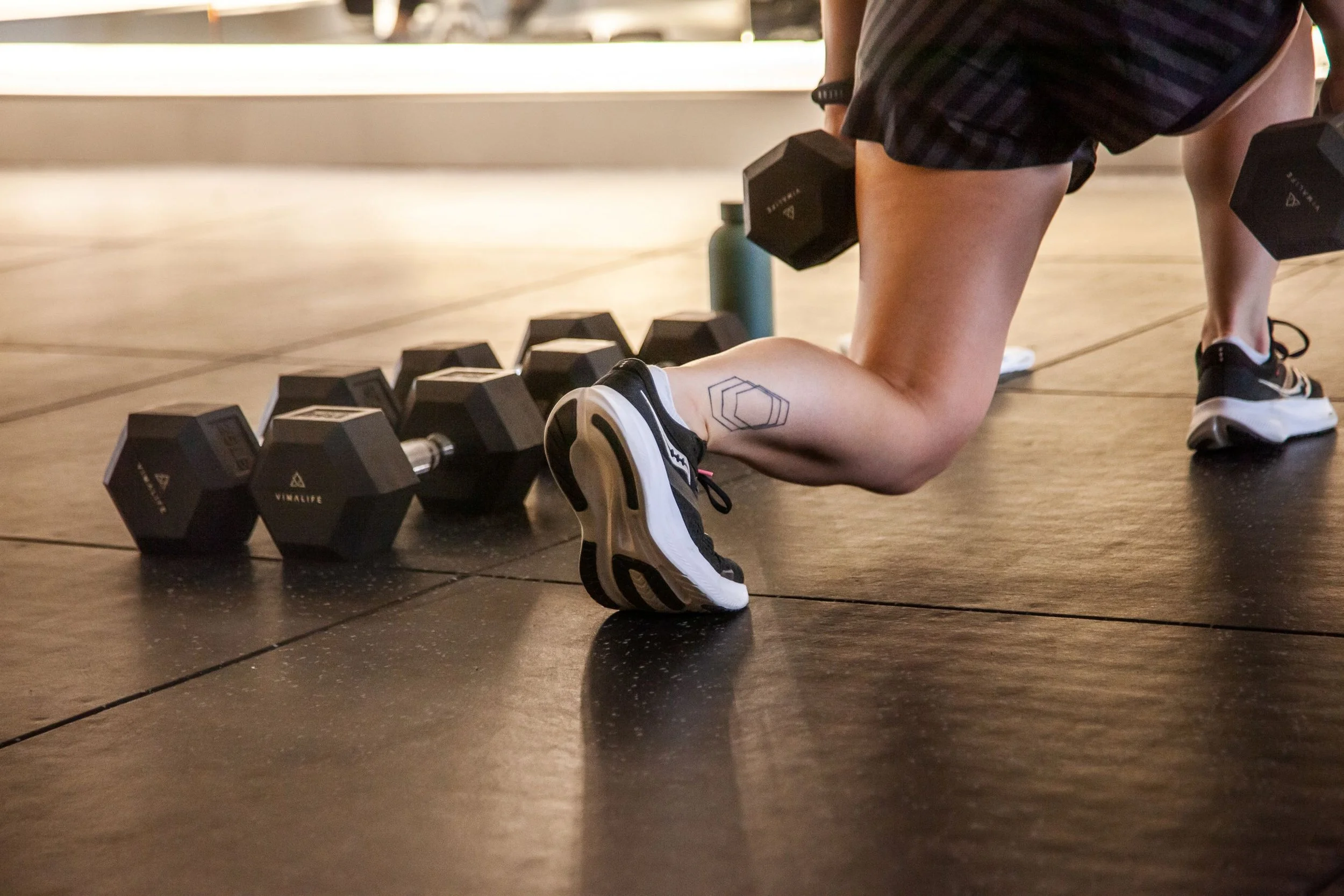
A separate meta-analysis of machines and free weights found that free-weight training produced larger improvements when strength was tested with free weights. Machine training performed better when the test used a trained machine exercise. Testing with a neutral device produced similar gains. This is training specificity. Alongside developing force, you practise controlling the movement used to express it.
If your goal is a stronger barbell bench press, include barbell bench pressing. If your goal is general strength and you enjoy a chest-press machine, there is no requirement to replace it simply to make the session legitimate. Compare progress within the same exercise, too. The number on a machine’s weight stack cannot be directly converted into a dumbbell or barbell load.
Machines can make the task easier to organize
Many machines guide the resistance along a set path and provide support through a seat or pad. That can reduce the number of things you need to coordinate at once.
For someone learning to train, adjusting a chest-press seat and practising a controlled press may feel more approachable than positioning two dumbbells on a bench. An experienced lifter might use the same machine to add challenging work after another exercise.
The setup still matters. Adjust the equipment to your body, learn the intended movement and choose a comfortable range. A guided path does not guarantee that every machine will suit every person.
Cables also complicate the neat division between categories: they are machines, but many allow considerable freedom of movement.
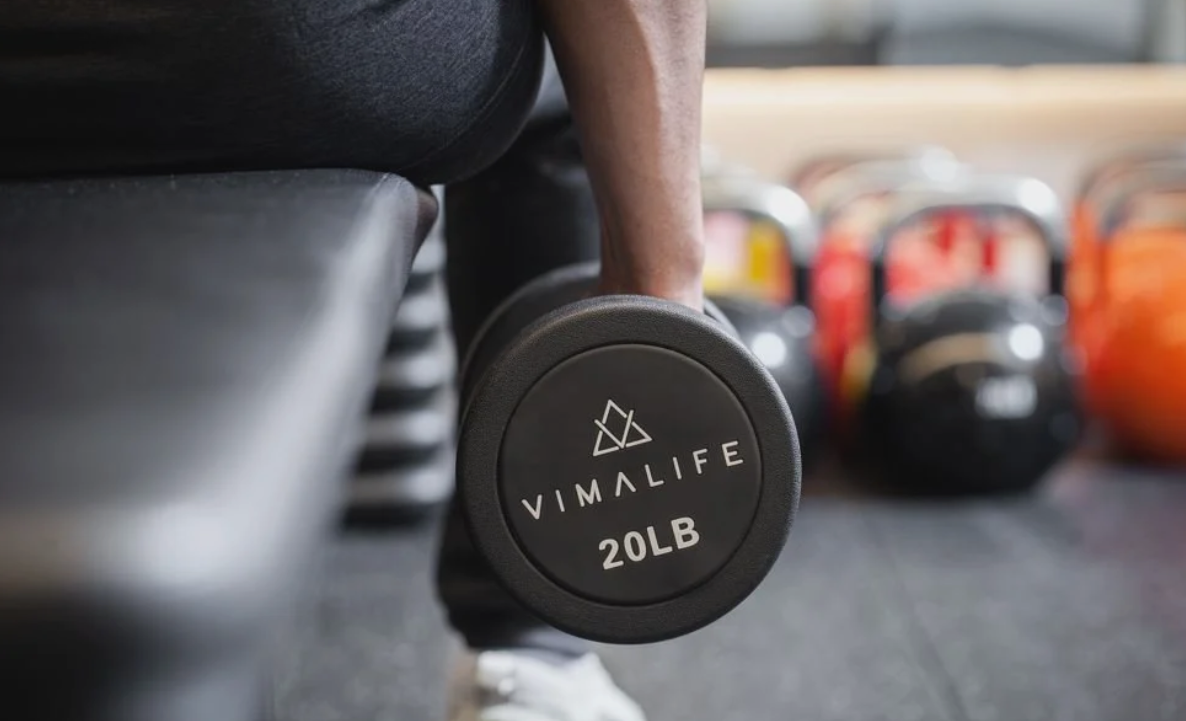
Free weights give you freedom and specific skills
Dumbbells, barbells and kettlebells require you to control the load’s path. They also offer many ways to adjust stance, grip and exercise selection.
A pair of dumbbells can be used for a squat, row, press or carry. That versatility is valuable when equipment or space is limited, or when you enjoy learning different movements. However, a more demanding balancing task does not automatically create a better exercise for every goal. If controlling the weight is preventing you from challenging the intended muscles, a supported variation may be a useful choice.
You can learn free-weight skills gradually while continuing to use machines. There is no graduation ceremony that requires leaving one behind.
Comfort and safety depend on the exercise and the person
It is tempting to label machines safe and free weights risky. Neither category deserves such a blanket description.
An eight-week study of 38 resistance-trained men found that both approaches improved strength and muscle size without increasing joint discomfort. This was a small, short study in trained men; joint-discomfort ratings cannot establish which equipment causes fewer injuries over years.
In practice, choose loads you can control, understand the equipment’s adjustments and use appropriate safety supports or spotting for lifts that need them. If an exercise repeatedly causes pain, change the setup or movement and seek guidance rather than assuming discomfort is necessary.
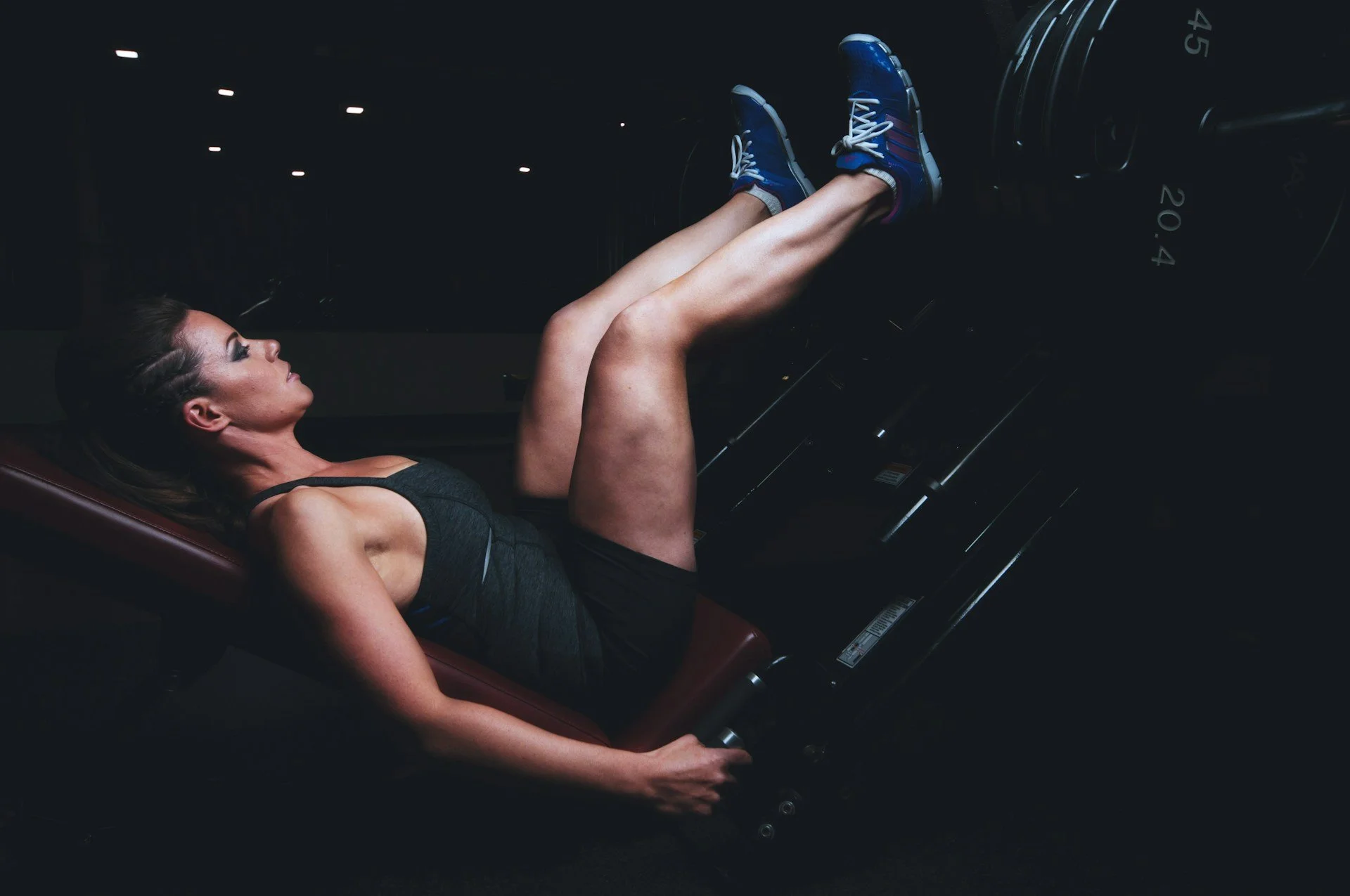
Combine equipment around a clear training goal
A sensible session might include a dumbbell squat, machine chest press, cable row and seated leg curl. Another person might prefer a leg press, dumbbell Romanian deadlift, pulldown and dumbbell shoulder press.
These are examples of exercise selection, not complete programmes. Sets, repetitions and loads need to match the person doing them.
The 2026 American College of Sports Medicine position stand recommends progressive resistance training and reports that equipment type does not consistently determine training outcomes. Progression means adjusting the challenge as your capacity improves. Record a few repeatable details: the exercise, machine settings where relevant, resistance and repetitions. When you can complete your planned work with good control and effort has become easier, a small increase may be appropriate. If you change exercises, establish a new starting point. Lifting a different number on different equipment does not mean you suddenly became weaker.
Choose equipment you can use well and keep using
The best choice often includes both. Give priority to movements that serve your goals, fit your body and let you measure progress over time.
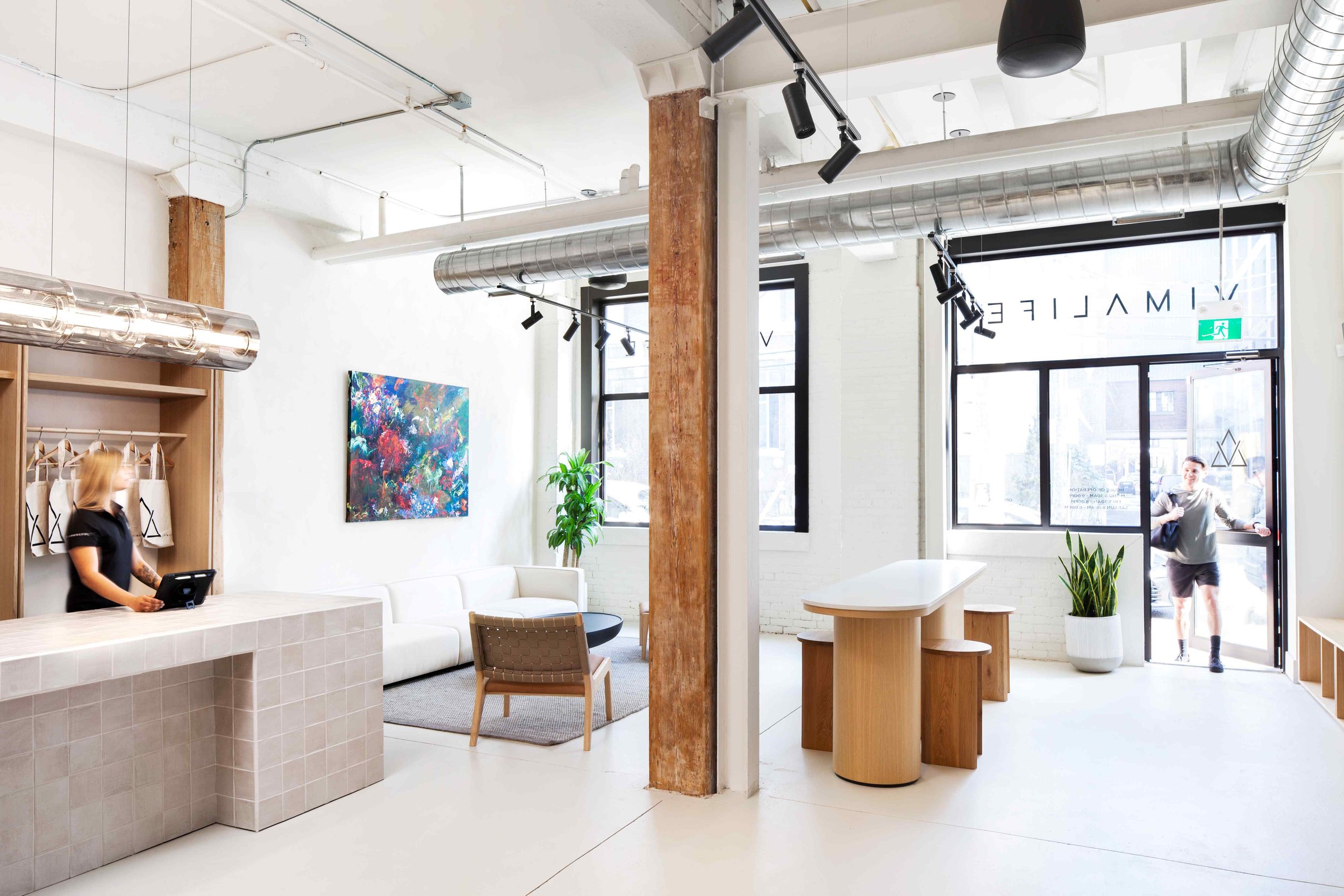
For help making those choices, explore VIMALIFE’s gym and coaching support in Leslieville. Learning how to use the available equipment confidently can make the next session much simpler, whether it begins at the leg press or the squat rack.