
VIMALIFE Blog
Welcome to your hub for fitness, wellness and lifestyle insights from VIMALIFE, a boutique fitness club in Leslieville, Toronto. Here, we explore the rituals, routines and trends shaping how people move, recover and live well, from strength training, Pilates and yoga to longevity, mobility, nervous system health, personal training, nutrition and mindfulness.
Our perspective is simple: wellness should feel intentional, elevated and sustainable. Whether you are building strength, refining your routine or looking for a more connected way to care for your body, the VIMALIFE Blog brings you guidance, ideas and inspiration to help you feel stronger, more grounded and more connected to your health.
Explore our latest posts for fitness tips, wellness trends, recovery rituals, club updates and our take on what it means to live well in Leslieville and beyond.

Private Group Fitness Classes in Toronto: How to Plan a Team Workout
A good team workout begins before anyone picks up a weight. The format, invitation and practical details all shape whether people feel comfortable taking part. Here is how to plan a private fitness class in Toronto, with realistic expectations, room for different abilities and a clear route to organising an experience at VIMALIFE.
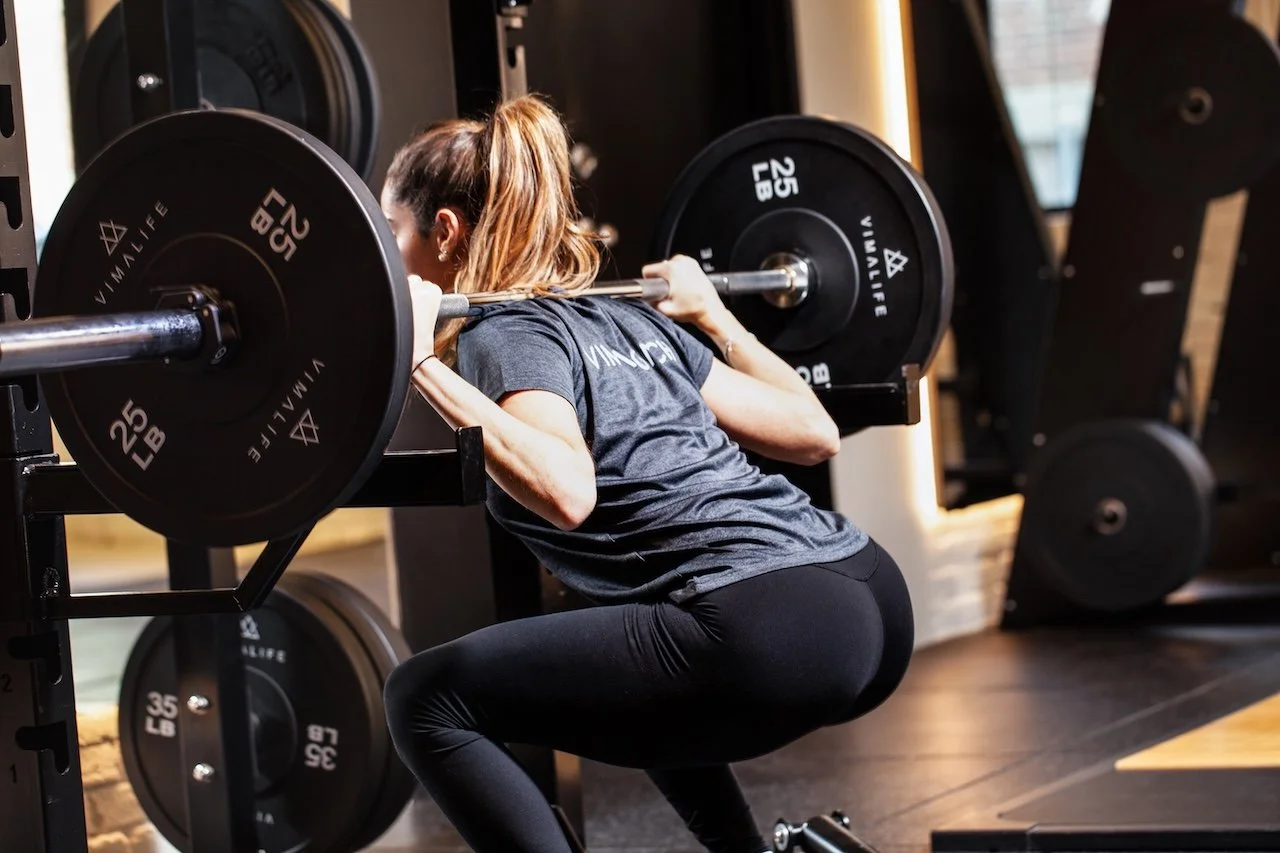
How Fast Should You Lift? What Rep Tempo Changes
Slow down. Control the weight. Lift with intent. Gym cues can sound contradictory until you understand what each is trying to achieve. Here is how repetition speed affects your training, what the evidence says about time under tension and when a simple, repeatable rhythm is enough.

Foundation vs. Summit: Which VIMALIFE Membership Fits Your Routine?
A gym membership becomes valuable when it fits the way you actually train. Foundation offers independent gym access; Summit adds unlimited boutique classes and additional introductory coaching support. Here is how to compare the options, understand what is included and make your first visit useful before deciding.
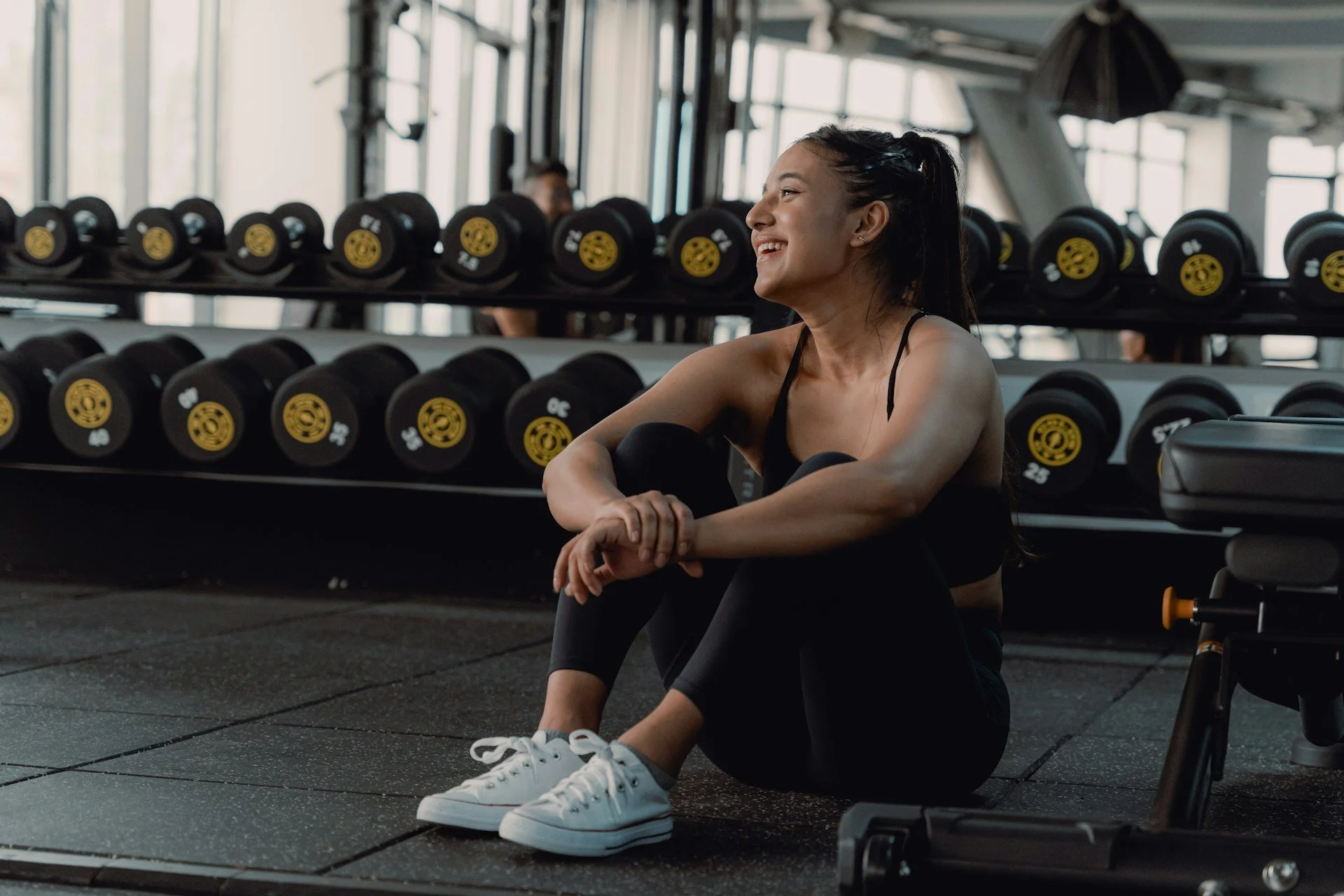
How Long Should You Rest Between Sets? What Changes for Strength and Muscle Growth
Your timer says the rest is over, but your legs disagree. The break between sets can affect your next lift, the repetitions you complete and how the session fits together. Research offers useful starting points for strength and muscle growth, with more flexibility than a universal sixty-second rule suggests.

Fitness Assessments in Leslieville: What to Expect and How to Use Your Results
The most useful part of a fitness assessment is what happens afterwards. A few well-chosen measurements can help you understand your starting point, choose appropriate exercises and recognise progress. Here is what to expect, what the numbers can and cannot tell you, and how to make the conversation useful.
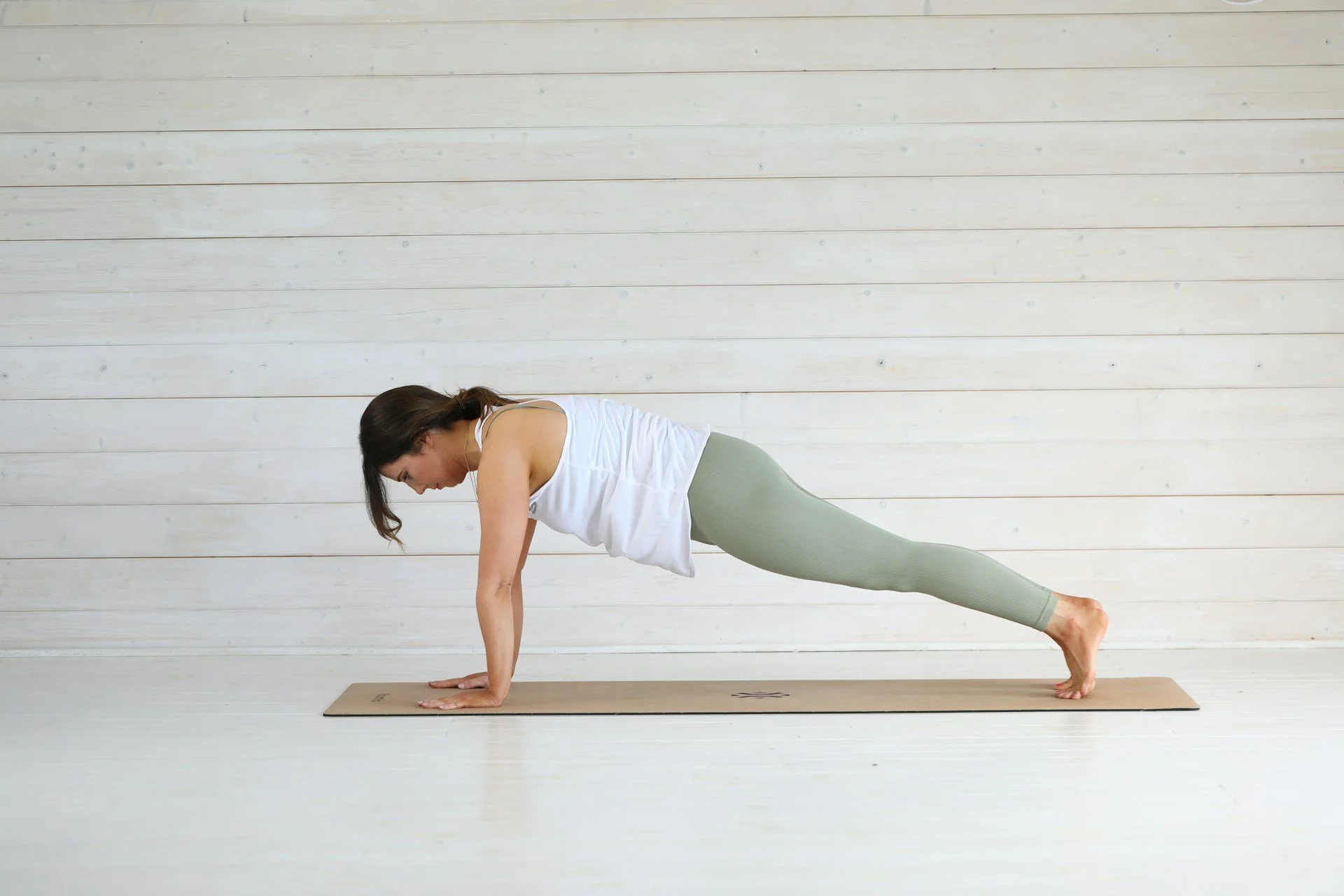
Isometric Exercises Explained: What Holds and Planks Add to Your Workout
A twenty-second wall sit can make the clock feel unusually slow. Isometric exercises ask your muscles to produce force while you hold a position, and they can be a useful part of strength training. Here is what the research says about getting stronger, the blood-pressure headlines and using holds without turning every set into an endurance contest.
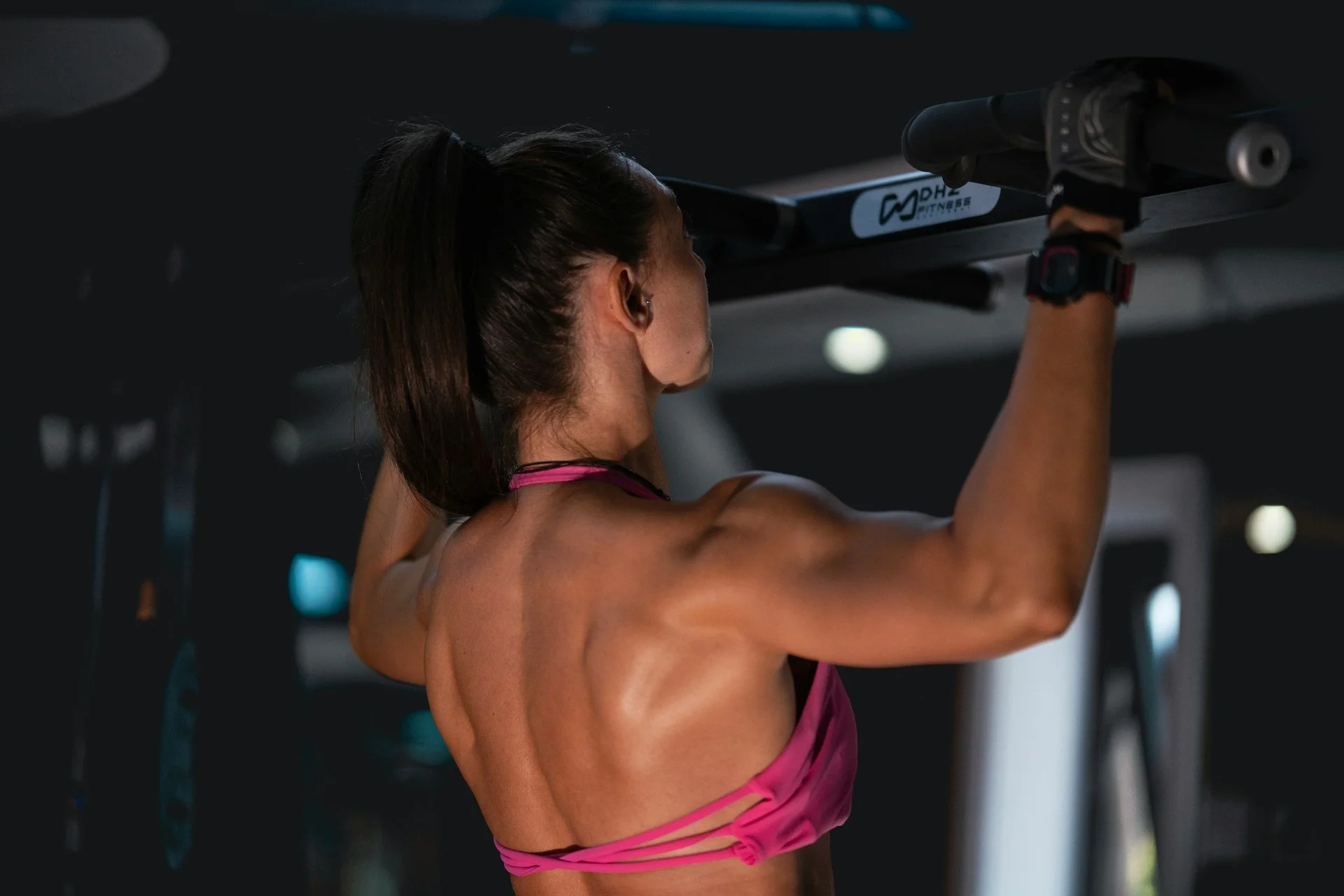
Muscle Power vs. Muscle Strength: Why Both Matter as You Age
You can have enough strength to stand up from a chair and still find the movement slower than it used to be. Muscle power helps explain the difference. Here is what researchers have learned about force, speed and everyday function, plus how to bring power training into a routine without making every exercise explosive.
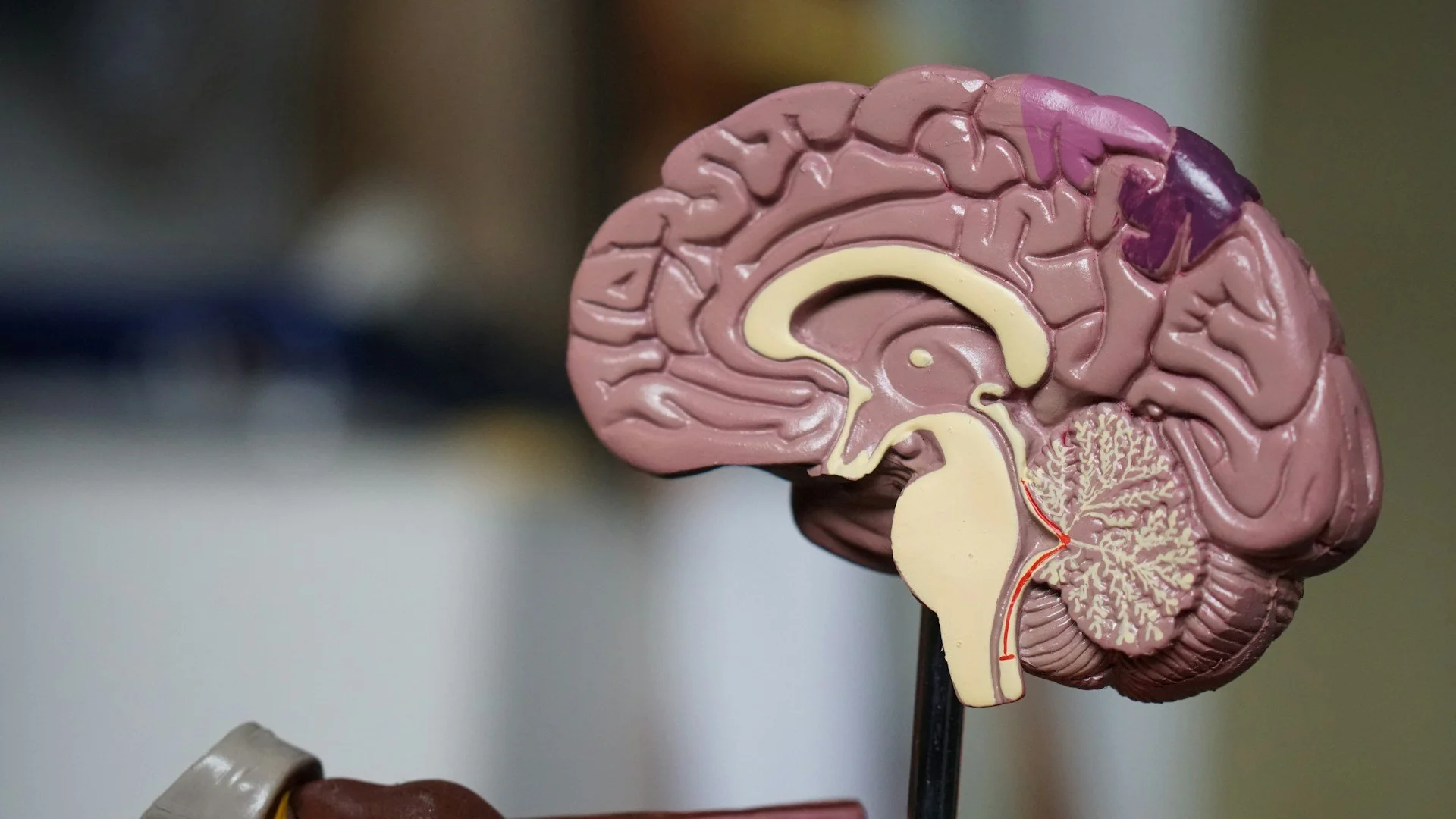
Exercise and Brain Health: What Research Says About Memory, Focus and AgeinG
A walk can feel like a useful reset when your concentration has wandered. Researchers are also studying what regular exercise might mean for memory and brain health over the years. The findings are encouraging, but the details matter, particularly when headlines move from better test scores to promises about preventing dementia.
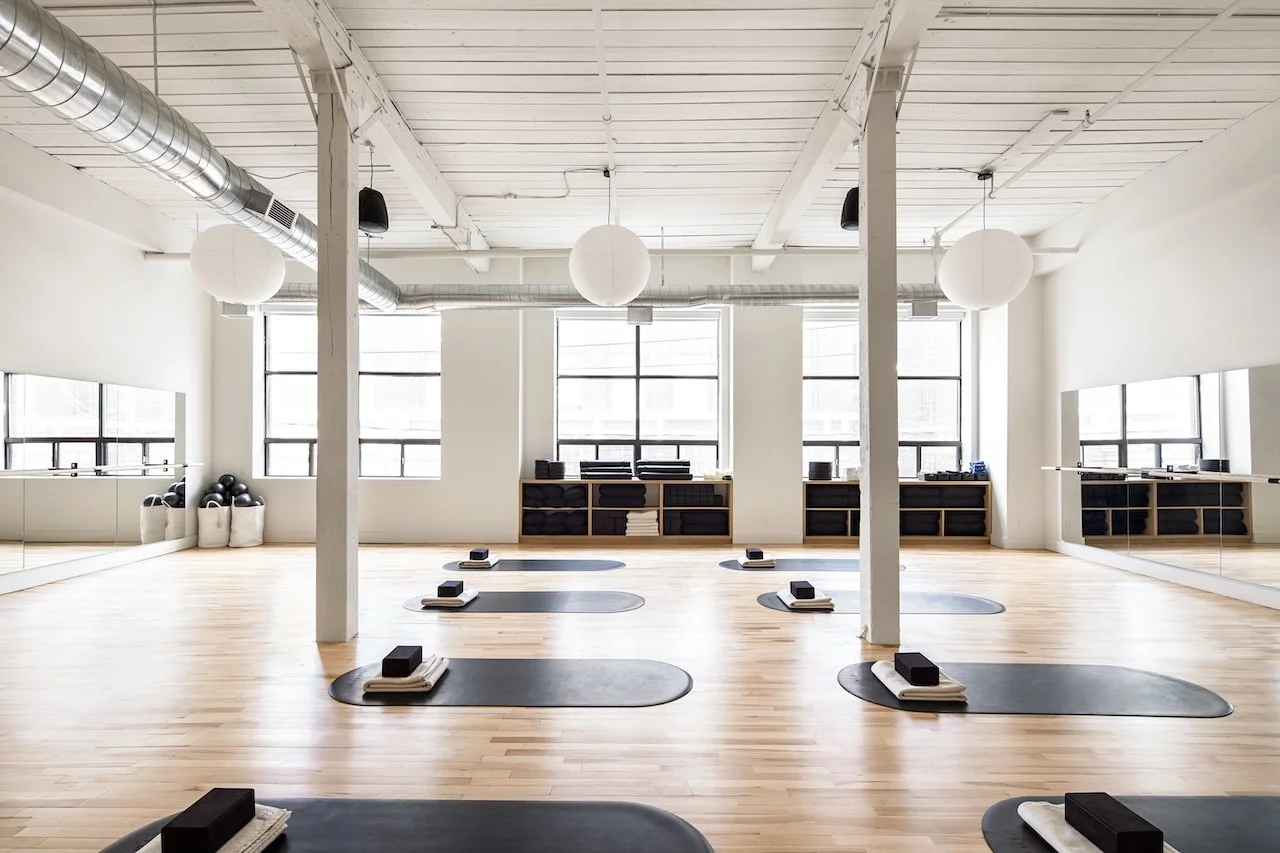
Barre vs. Pilates: What’s the Difference, and Which Should You Try?
The movements may look small, but barre and Pilates can both demand considerable effort. Their differences become clearer when you look at how a class is taught, what you practise and how the challenge progresses. Here is what the research can tell you, and what to consider before booking.

Fasted Cardio: Does Working Out Before Breakfast Make a Difference?
Fasted cardio does change how your body uses fuel, but the implications for fat loss are often exaggerated. Here is what the studies show, when eating first may help and how to make the decision for yourself.

Returning to the Gym After a Break: How to Start Without Overdoing It
Returning after a break is an opportunity to rebuild a routine around your current capacity. Research offers reassurance, and a few practical adjustments can make the first weeks more manageable.
Do You Need Electrolytes for Your Workout? When Water Is Enough
Electrolyte drinks can be useful, but sweating does not automatically mean you need one. The answer depends on how long you exercise, the conditions, how much you sweat and what you eat afterwards. Research offers a practical way to decide when water will do the job.
How Much Protein Do You Need to Build and Maintain Muscle?
Protein advice can make an ordinary lunch feel like a math assignment. Research provides a more useful starting point: match your intake to your body size and goals, include protein across the day and keep strength training in the picture. Here is what the numbers mean in everyday meals.

Strength Training During Perimenopause and Menopause: What Changes?
Familiar workouts can feel different when sleep, symptoms and menstrual cycles become less predictable. Research offers encouraging news about strength training through menopause, alongside useful limits on what exercise can promise. Here is how to build a routine that supports muscle, bones and everyday life.

How Many Days a Week Should You Work Out? Building a Routine That Fits
A useful workout routine has to fit both your goals and your calendar. Research suggests there is more flexibility than the familiar three-day or five-day rules imply. Here is how to combine strength, cardio and recovery into a week you can actually repeat.

Machines vs. Free Weights: Which Is Better for Building Strength?
The leg press and squat rack can both have a place in a good strength programme. Research offers little support for treating one category of equipment as universally superior. Learn how specificity, comfort and progression can help you choose what belongs in your workout.

Cold Plunge Before or After a Workout? What Timing Changes
A cold plunge can leave you feeling refreshed, but where it sits in your workout routine matters. The evidence points to different choices for muscle growth, next-day recovery and endurance exercise in the heat. Here is how to choose your timing without turning recovery into another complicated routine.

GLP-1 Medications and Exercise: How to Protect Muscle During Weight Loss
GLP-1 medications can change your appetite and your weight. What happens to your muscle deserves attention, too. Explore what studies actually measure, why strength training matters, and how to build a realistic routine around protein, movement and the way you feel.

Should You Train to Failure? What the Science Says
The final rep can feel like the one that decides whether a workout counted. Research gives us a more useful way to judge effort. Learn when training to failure may help, why stopping slightly earlier can still build muscle and how to choose an appropriate stopping point.

Grip Strength and Longevity: What Your Grip Can and Cannot Tell You
Your grip helps you carry groceries, hold a weight and get through everyday tasks. Researchers also use it to study health and aging. Here’s what the connection with longevity actually means, why a single score needs context and how to put the findings to use.