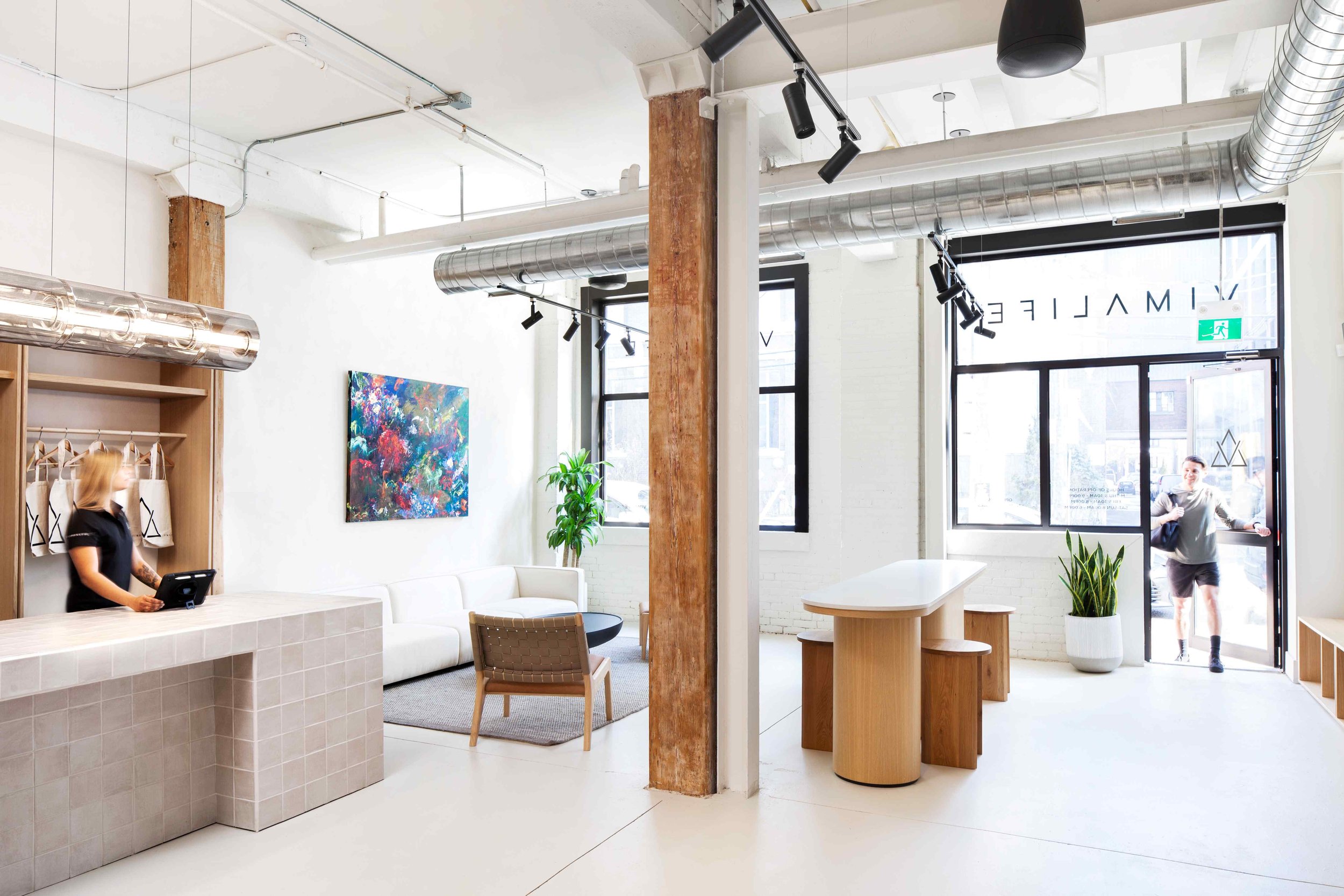
The class description promises controlled movement, strength and flexibility. So does the one immediately below it. One is called barre, the other Pilates, and neither description quite explains what you will be doing for the next hour. The overlap is real. Both can involve a mat, small props, repeated movements and close attention to body position. Both can also feel surprisingly demanding without much jumping or heavy equipment.
Their differences become more obvious once the class starts. Barre commonly blends ballet-inspired positions with repeated resistance exercises, often set to music. Pilates places particular emphasis on coordinated movement, breathing and control, using a mat or specialized equipment.
Either can be a worthwhile addition to your routine. Choosing between them starts with the experience you enjoy and the skills you want to develop, rather than deciding which name sounds more effective.
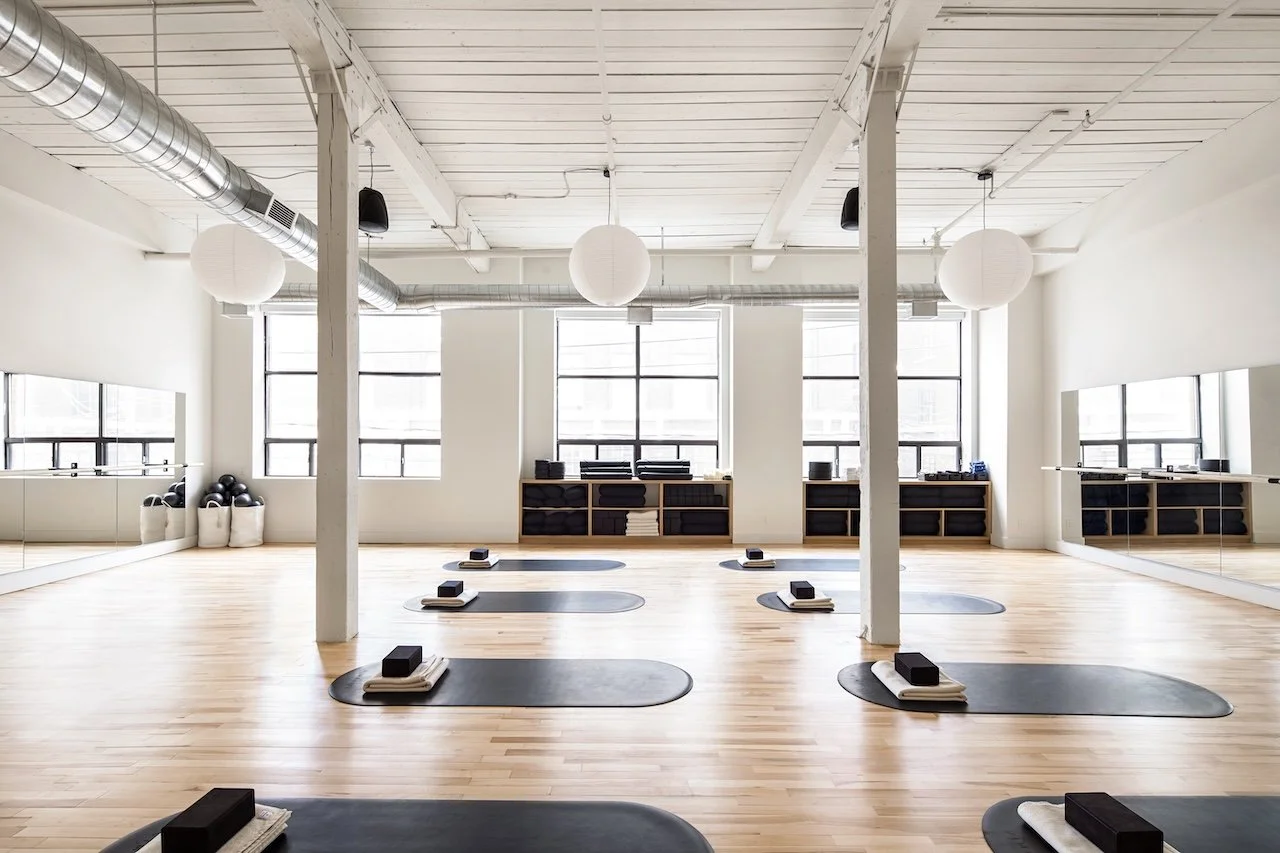
What happens in a barre class?
Barre takes its name from the horizontal rail used in ballet training. In a fitness class, that rail provides support while you perform movements such as squats, heel raises, leg lifts and holds. Many classes also include upper-body exercises and floor work. A published description of a barre intervention characterizes the approach as ballet-inspired resistance exercise with high repetitions of low-impact movements. That describes a common format, although individual classes vary.
You might perform a squat through a comfortable range, hold the position, then add small pulses. Light dumbbells, resistance bands or a small ball may provide additional challenge. You do not need dance experience to begin. The useful skills are following instructions, finding a manageable position and adjusting when needed. A smaller movement or a brief pause is a reasonable way to stay in control while you learn.
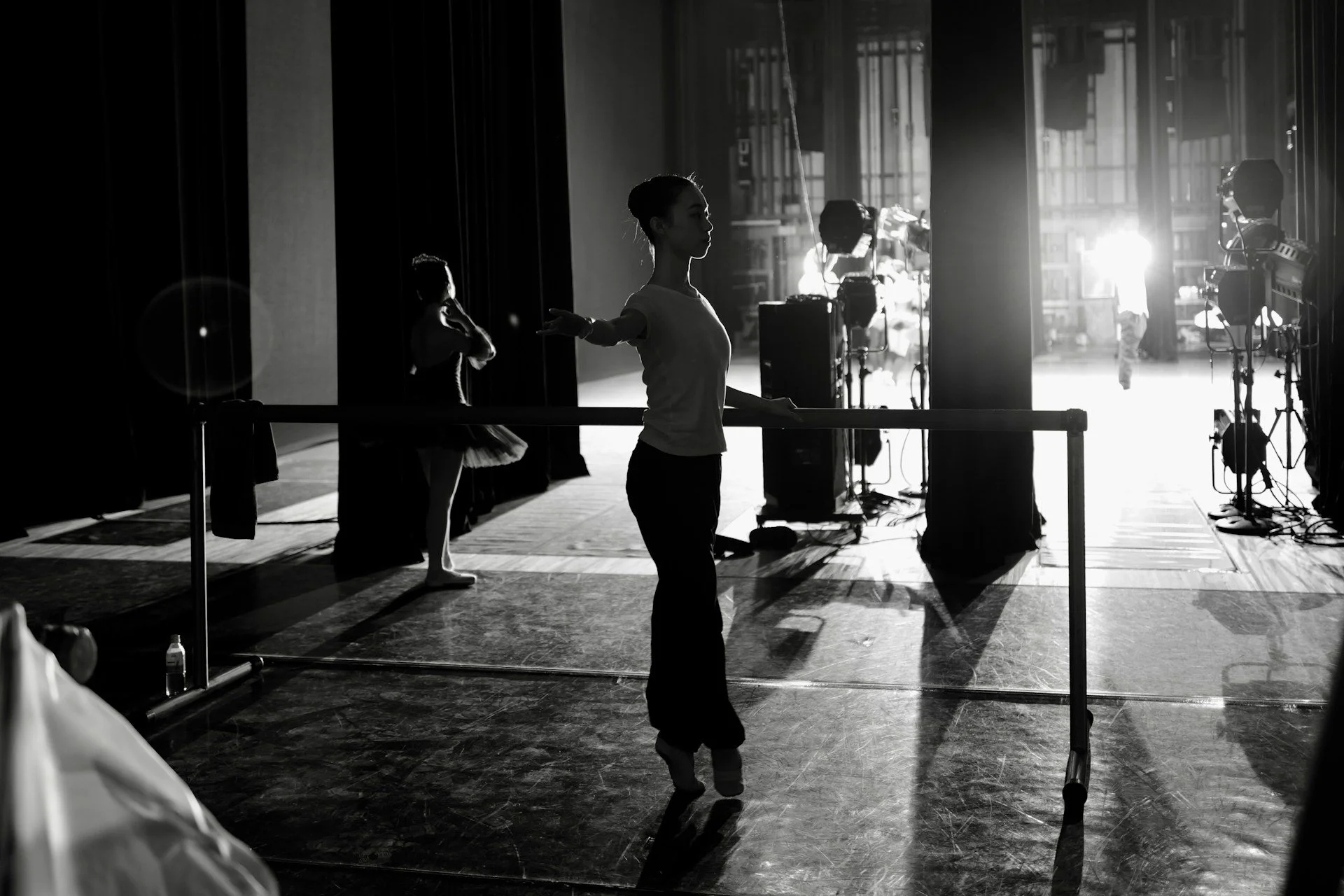
What happens in a Pilates class?
A systematic review defining Pilates identifies strength, core stability, flexibility, muscle control, posture and breathing as central features. Exercises can be performed on a mat or with equipment. In mat Pilates, your own body weight supplies much of the resistance. A class might include bridges, side-lying leg work, controlled trunk movements and exercises that coordinate the arms and legs while keeping the torso steady.
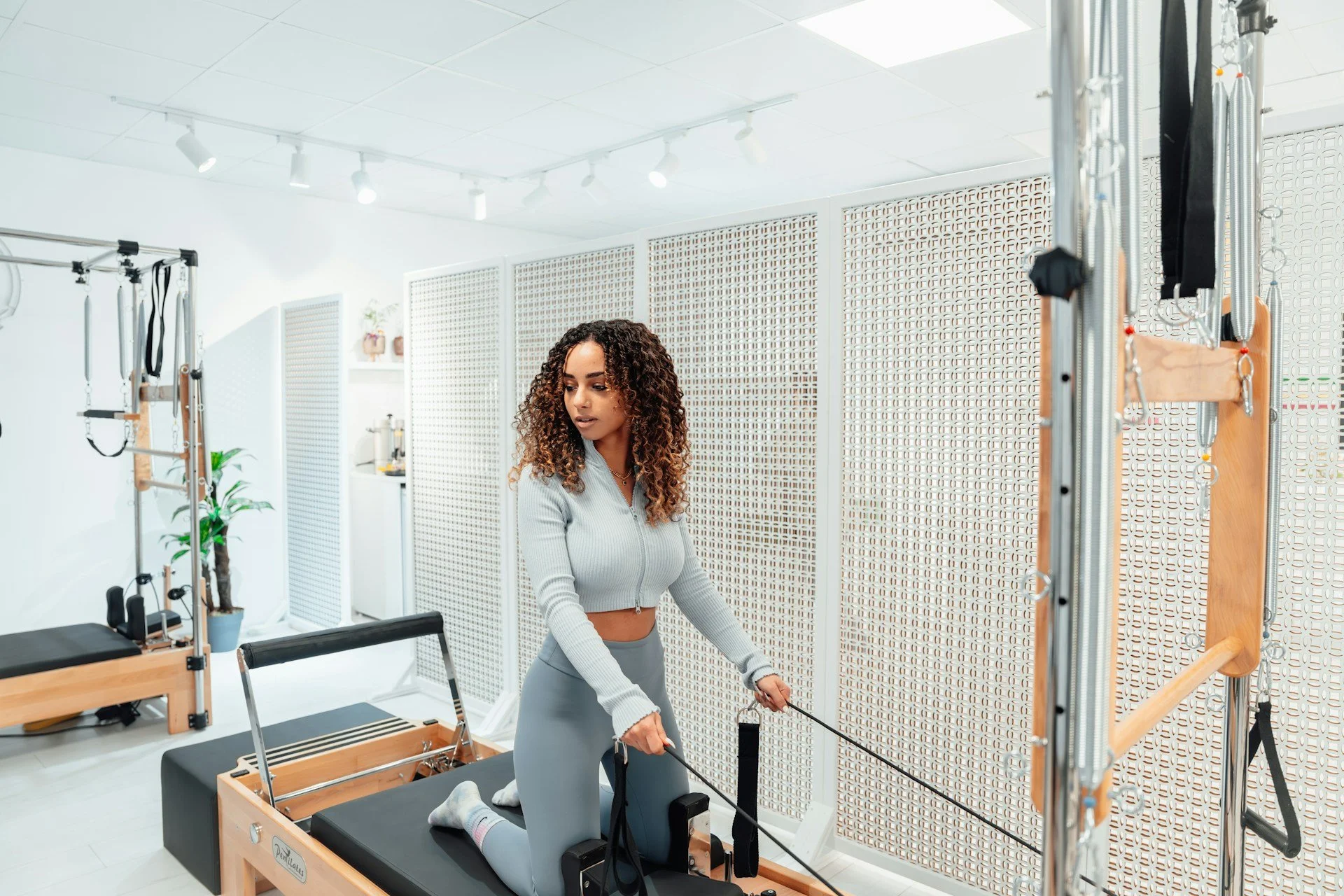
On a reformer, a moving carriage, springs and straps change how resistance and support are provided. Depending on the exercise, a spring can make a movement more demanding or help you perform it. More spring tension does not universally mean a harder exercise. Pilates is not limited to abdominal work, and lying on a mat does not make a session easy. Controlling a limb while maintaining another position can require considerable effort, even when very little seems to be happening from across the room.
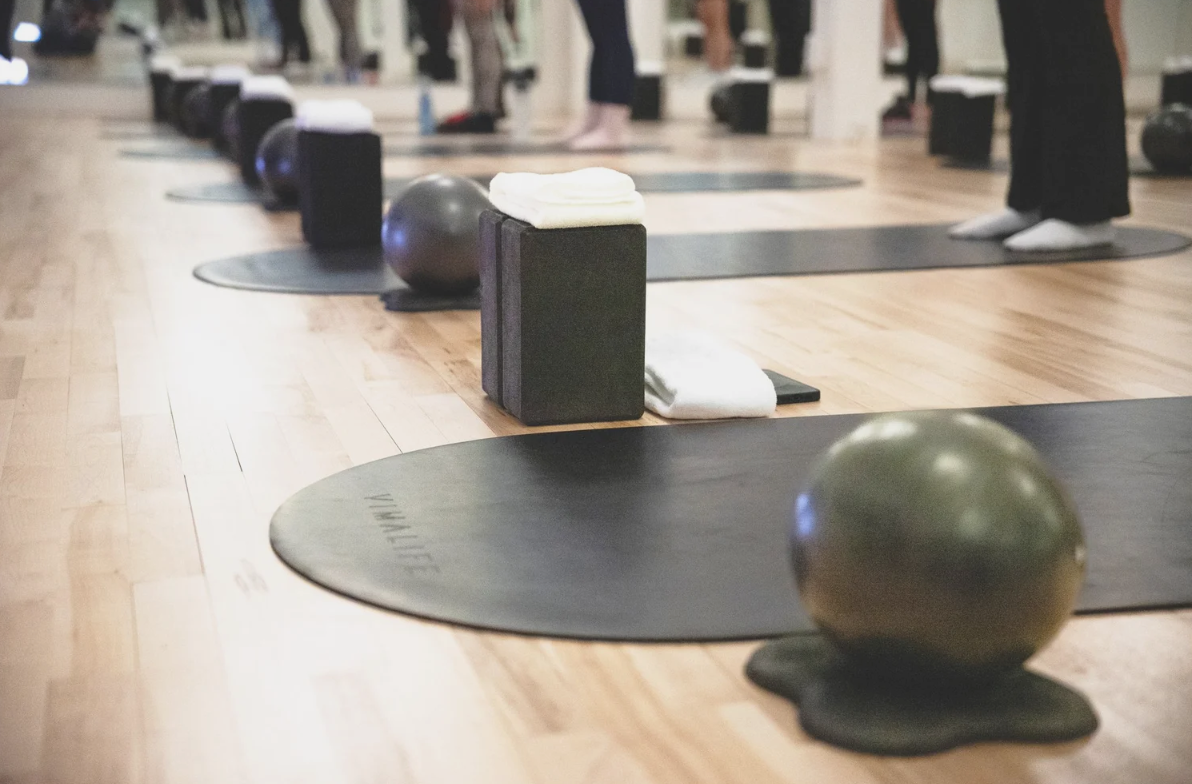
The class name tells you less than the class description
Some barre sessions move quickly with music and frequent transitions. Others spend longer on technique or stretching. Pilates can range from a slower introductory class to a flowing athletic session. Before booking, look for details like the equipment and the pace. For example, a beginner choosing between an introductory mat class and an advanced reformer session is making a more specific decision than simply choosing Pilates. Likewise, a barre class that combines resistance work with faster sequences may feel different from one with a substantial restorative section.
Ask whether the instructor can offer alternatives for kneeling, wrist loading or balance work if those are relevant to you. The answer can tell you more about suitability than a general claim that a class is suitable for everyone. A clear explanation and useful adjustments are worth looking for in either format.
What does the research actually support?
Pilates has a considerably larger published research base than barre. A review of 16 Pilates studies in healthy people found evidence of improvements in flexibility, dynamic balance and muscular endurance. The researchers also identified weaknesses in study quality, so the findings support potential benefits without guaranteeing a particular result from every class.
A 2026 review involving approximately 540 adult women found improved sit-and-reach flexibility with Pilates. It did not find statistically significant pooled improvements in every outcome, including lean body mass or handgrip strength. Becoming more flexible and becoming stronger in every possible test are different outcomes.
For barre, a small randomised study of 30 sedentary female office workers found that eight weeks of classes improved lower-limb and core strength and endurance compared with usual activity. That is encouraging, but it was one specific programme and did not compare barre with Pilates. The evidence gives reasons to try both. It does not establish a universal winner.
Which is better for building strength?
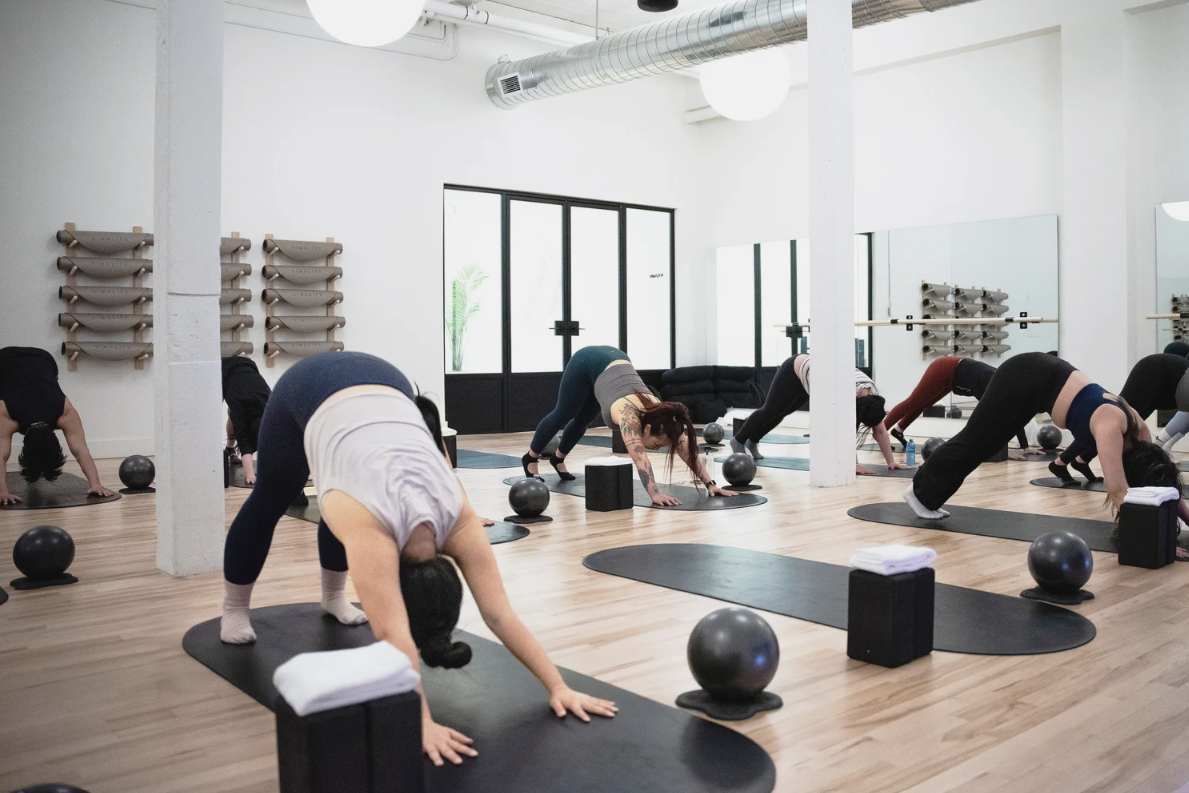
It helps to distinguish producing more force from sustaining effort for longer. Holding a position or completing repeated pulses can challenge muscular endurance. Lifting a progressively heavier load develops another aspect of strength. A review of 11 studies comparing Pilates with other exercise found no clear differences in several strength measures, balance or flexibility. Certainty was low or very low, and the comparison programmes varied. This does not establish that every Pilates session is equivalent to every resistance-training programme.
The 2026 American College of Sports Medicine position stand supports progressive resistance training and finds that heavier loads can enhance maximal strength gains. If your main goal is lifting substantially heavier weights, include training that lets you practise and progressively load those movements. Barre or Pilates can still sit alongside it. If your goal is to become more comfortable controlling your body, improve endurance or establish a regular class habit, either may offer a useful starting point. Look for a way to increase the challenge as your ability develops.
Low impact still needs an appropriate level of challenge
Both methods commonly involve little jumping, but low impact describes only part of the experience. A long hold, deep bend or demanding balance exercise can still be challenging for a particular person. Pilates is often discussed in relation to back pain. A Cochrane review of ten trials involving 510 participants found that it could improve pain and disability compared with minimal intervention. It did not establish that Pilates was consistently superior to other exercise, and the evidence was low to moderate quality.
Those studies involved programmes for people with nonspecific low back pain. They do not mean that every general group class is rehabilitation or that you should push through pain because Pilates is supposed to help. If an existing condition affects movement, ask what adjustments are available. Individual guidance may be useful before joining a demanding class. The aim is a level of participation you can control and recover from.
Does either count as cardio?
Some classes keep you moving continuously; others include substantial instruction, holds and rest. A raised heart rate during a difficult exercise does not tell you how much sustained aerobic work the whole session provides. A 2023 review of twelve trials found that Pilates programmes could improve cardiorespiratory fitness compared with control conditions. However, evidence quality was low to very low, and there was no clear advantage over other exercise.
You can benefit from those findings while still including purposeful aerobic activity in your week. The World Health Organization's guidelines recommend 150–300 minutes of moderate aerobic activity, or 75–150 minutes of vigorous activity, alongside strengthening all major muscle groups on at least two days each week. A brisk walk, bike ride or swim can complement a class. Whether barre or Pilates contributes to each target depends on the actual intensity and exercises, rather than the label on the timetable.
Choose according to what you want to practise
If you enjoy music, repetition and standing sequences, barre may feel immediately appealing. The support of the rail can also help you concentrate on a movement while you build confidence. If you enjoy detailed instruction, coordinating your breathing with movement and working on control, Pilates may suit you. Beginners can start with an appropriate mat or equipment-based class; a reformer is not a required upgrade from the mat.
Someone who spends the week running might choose a class for variety and controlled movement. Someone learning to lift might enjoy barre for the group atmosphere while keeping strength sessions separate. These are examples of how preferences can shape a routine, rather than research-tested rules about who belongs in each class. You can also try both. Familiarity with one method does not commit you to it indefinitely.
Give your first few classes a fair chance
Arrive early enough to tell the instructor you are new. Ask where to set up so you can see demonstrations, and check what equipment or footwear the studio recommends. During class, prioritize understanding the exercise over keeping up with every repetition. An instructor may suggest a different range, an easier position or additional support. Use those options while you learn.
Afterwards, consider more than whether your muscles were sore. Could you follow the teaching? Did you feel comfortable asking questions? Was the challenge manageable? Would you like to go again?
Try a few sessions at a suitable level before judging the whole method by one unfamiliar experience. You can compare the current options on the VIMALIFE class schedule and choose an introduction that fits your week.
The class that helps you practise consistently, progress and enjoy moving has a good reason to stay in your routine. To see which style you enjoy, book a VIMALIFE guest pass and join us for a barre or Pilates class.