
It’s early, your workout clothes are on and breakfast feels like a scheduling problem. Eat now and wait? Exercise first and eat afterwards? Just have a banana? For some people, working out before breakfast is simply convenient. For others, it comes with a promise: exercising on an empty stomach will burn more fat and produce better results. There is a real physiological observation behind that claim.
During certain workouts, people who have not eaten use more fat as fuel. The leap from that finding to greater body-fat loss is where the story becomes less convincing. For most healthy adults, fasted cardio is an option. Whether it is a useful one depends on the workout, how you feel and what you are trying to achieve.
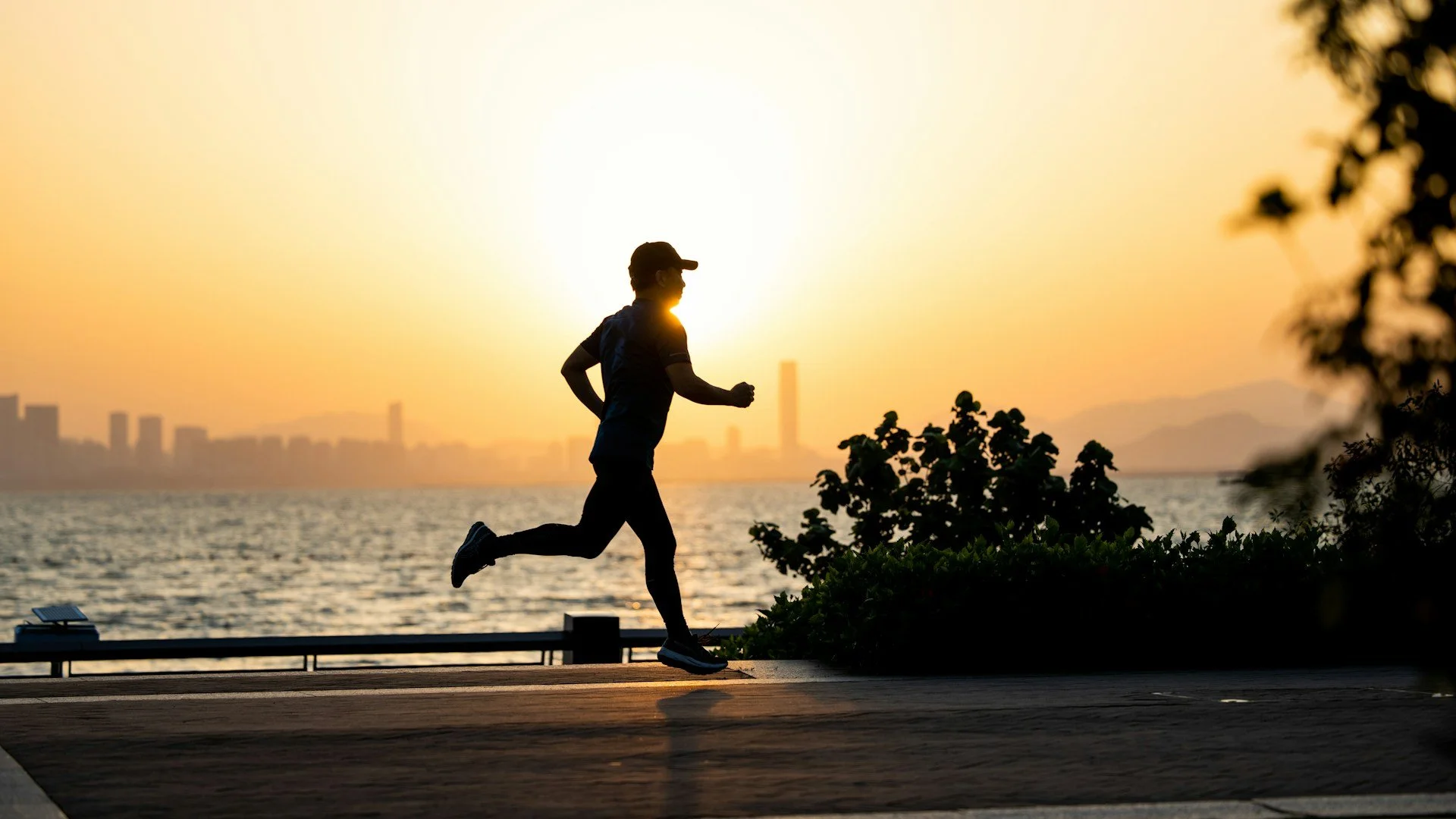
What does fasted cardio actually mean?
In research, fasted exercise usually means exercising after an overnight period without food, often before breakfast. The comparison is typically exercise after a meal or a carbohydrate-containing drink. That distinction matters. Studies do not all use the same breakfast, fasting duration or workout. A gentle walk before eating and a demanding endurance session are quite different experiments.
Fasted does not mean dehydrated. You can drink water before and during a morning session. It also does not mean your body has run out of stored energy overnight. Nor is it the same question as intermittent fasting. A person can exercise before breakfast and then eat regular meals throughout the day. Research on a restricted eating window cannot automatically tell us what happens when someone simply moves breakfast to after their workout.
Burning more fat during exercise is only part of the story
A systematic review of 27 studies involving 273 participants found that aerobic exercise performed while fasted increased fat oxidation compared with exercising after eating. Fat oxidation means using fat to supply energy. It describes the fuel being used, rather than directly measuring a lasting change in body-fat stores. The effect is not necessarily confined to the minutes spent exercising. In a small metabolic-chamber study of ten young men, exercise before breakfast increased fat oxidation over 24 hours compared with the other conditions. Food intake and energy expenditure were carefully controlled. That is useful information about metabolism. It still does not establish that following the same breakfast routine for months produces more fat loss.
Imagine two people completing the same morning bike ride. One eats beforehand; the other eats afterwards. Their bodies may use a different mix of fuels during the ride. To know whether either person loses more body fat, researchers need to follow changes over time, including what happens outside that workout.
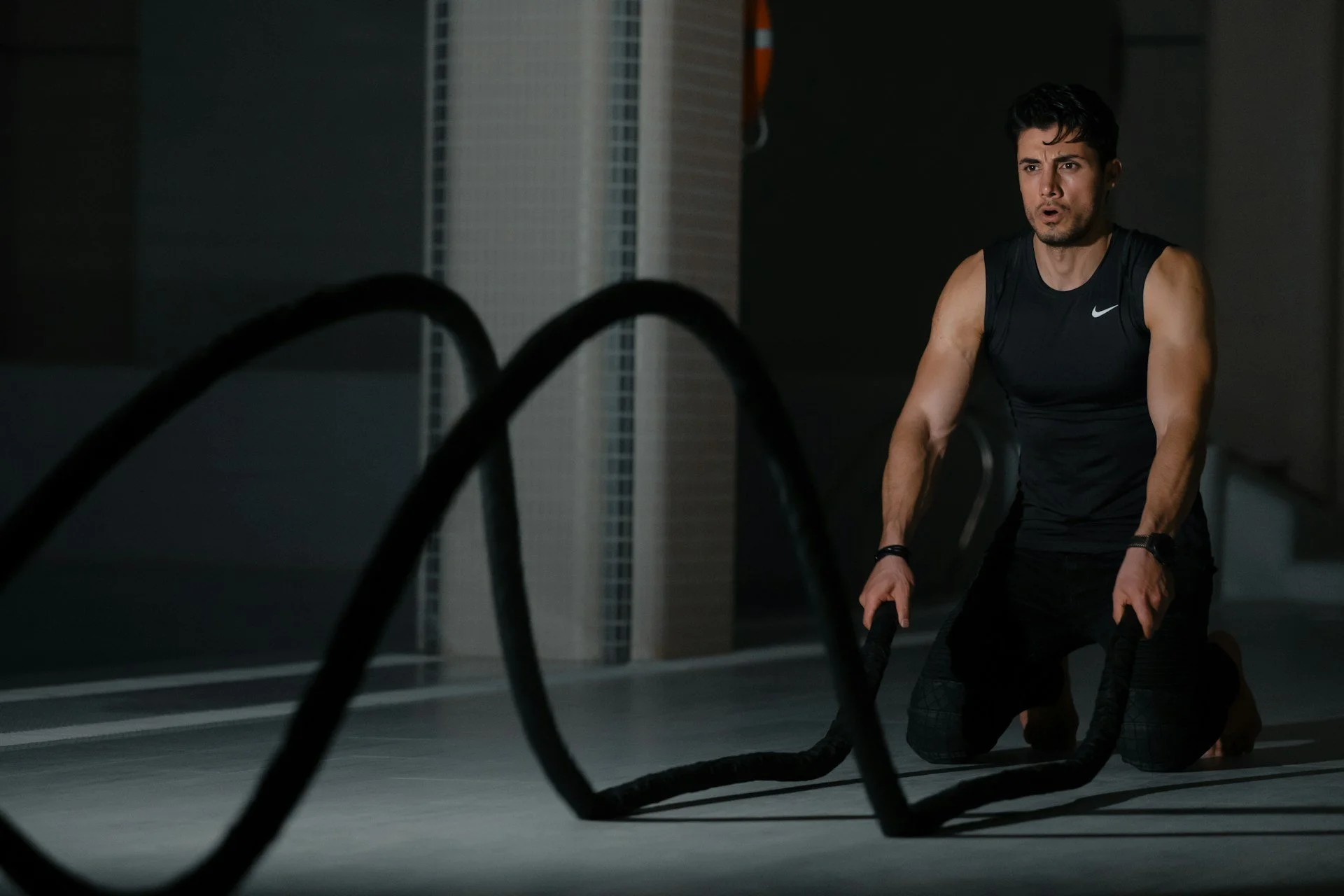
What happens when researchers measure body-fat changes?
In a four-week randomised trial involving 20 young women, participants completed an hour of steady aerobic exercise three times a week while following a calorie-restricted eating plan. One group exercised after an overnight fast and had a meal-replacement drink afterwards. The other had the same drink before exercising. Both groups lost weight and body fat. The researchers found no statistically significant difference between groups in those changes. The practical finding is straightforward: exercising before breakfast did not produce a clear additional fat-loss benefit in this trial.
Twenty participants and four weeks cannot settle every question about long-term weight change. However, the results give little reason to insist on skipping breakfast purely to make cardio more effective for fat loss. Changes in the fuel used during a session should not be presented as proof of a larger long-term result.
Eating first can help you do the workout you planned
The breakfast decision becomes more relevant as the session gets longer. A review of 46 studies comparing fasted and fed exercise found that eating beforehand improved prolonged aerobic performance. It did not find the same clear benefit for shorter-duration aerobic exercise.
That helps explain why a comfortable 20-minute walk before breakfast may suit you perfectly, while a long run feels much better after eating. The demands are different. Consider a runner preparing for a longer event. If breakfast helps them maintain the planned pace, complete the distance and recover comfortably, those are useful outcomes. Choosing an empty stomach simply to increase the proportion of fat used during the run may work against the purpose of that session. Even for shorter workouts, your experience matters. If skipping food consistently leaves you distracted by hunger or unable to complete the session comfortably, eating first is a sensible adjustment.
Some metabolic findings deserve attention
Fasted exercise research is about more than weight loss. In a six-week study involving men with overweight or obesity, researchers compared moderate cycling performed before or after carbohydrate intake. Training before carbohydrate intake improved an estimate of insulin sensitivity more than training afterwards.
Insulin sensitivity describes how effectively the body responds to insulin when managing glucose. The finding suggests that the timing of nutrient intake around exercise may influence certain metabolic adaptations. There are important boundaries. The training comparison used carbohydrate intake around exercise, so it was more controlled than simply comparing everyone's usual breakfast habits. It also involved a specific group of men and does not establish the same effect in every population.
It is an interesting reason for further research. It does not turn breakfast into an obstacle to the health benefits of exercise or prove that fasted workouts produce greater weight loss.
What about hunger later in the day?
It is easy to tell a neat story in either direction: skip breakfast and you automatically eat less, or exercise hungry and you inevitably eat everything afterwards. Individual responses are more complicated. A 2024 crossover study of twelve physically active adults compared a 75-minute run performed fasted with the same session performed after eating. Researchers followed energy intake, activity and other measures across four days.
They found no significant differences between conditions in food intake, energy expenditure or the appetite measures they collected. The study was small, but it challenges the idea that one response is inevitable. Pay attention to your own pattern. Do you feel comfortable and eat normally afterwards, or does the arrangement leave you struggling with hunger and concentration. That observation can guide your routine without turning every breakfast decision into a calculation.

Match the food decision to the session
For a short, easy session, exercising before breakfast may be convenient if you feel well doing it. A walk, relaxed cycle or gentle workout can fit into the morning before you sit down to eat. For a longer session, eating beforehand becomes more worth planning. You might have breakfast earlier, choose a smaller snack close to the session or adjust the workout time.
For a hard class immediately after waking, try a modest amount of food you tolerate rather than assuming the choice is between a full cooked breakfast and nothing. A banana, some toast or a small portion of cereal may be more practical. The joint sports nutrition position statement from Dietitians of Canada, the Academy of Nutrition and Dietetics and ACSM emphasises matching food and fluid strategies to the demands of training. The useful principle is to support the session you intend to do.
Breakfast afterwards still has a job to do
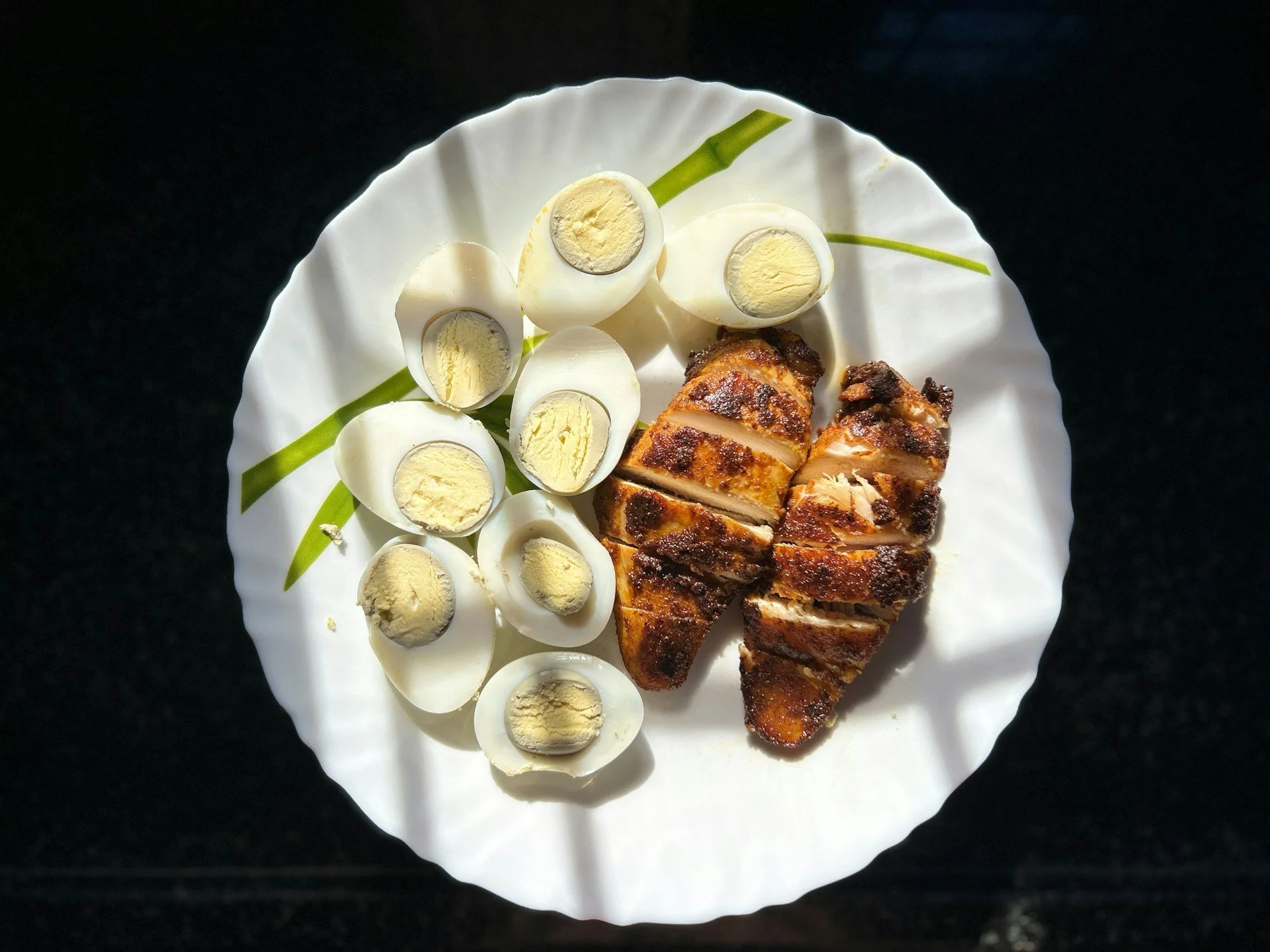
If you exercise first, make room for a normal meal afterwards. There is no need to prolong the fast to preserve a special fat-burning effect. For example, yoghurt with oats and fruit, eggs with toast, or a tofu breakfast wrap can provide carbohydrate and protein as part of your day's eating. The portion and timing can reflect your appetite, the session and your next meal.
Think about the whole morning. Finishing a workout and then rushing through several hours without a chance to eat may make breakfast before exercise the more workable choice. The same applies if training is part of a broader strength-building routine. Eating enough across the day and supporting recovery deserve attention alongside when you have your first meal.

Find a routine you can repeat comfortably
You can compare the two approaches during similar, manageable sessions. Keep the workout reasonably consistent, try a small breakfast on one occasion and eat afterwards on another. Notice energy, comfort and how the rest of the morning goes. This is a practical preference check, not a way to measure fat loss from a few workouts.
People who use insulin or certain glucose-lowering medicines need a more individual plan. The American Diabetes Association's exercise position statement explains how exercise can increase hypoglycaemia risk with these treatments. Discuss fasting and workout timing with your care team rather than changing medication yourself. For most healthy exercisers, the decision can stay simple. If an easy session before breakfast feels good and fits your schedule, it is a reasonable option. If food helps you train comfortably and complete what you planned, eat first.
A useful morning routine leaves you ready to get on with your day and willing to do it again. If you’re looking to make morning workouts part of your week, book a VIMALIFE guest pass and try a gym session or class that fits your routine.