Grip Strength and Longevity: What Your Grip Can and Cannot Tell You
The grocery bag usually gives you some warning. First, the handles start digging into your fingers. Then you switch hands. By the time you reach the front door, putting it down has become more urgent than finding your keys. Grip strength rarely feels like an abstract health measure in that moment. It feels like wanting to get the shopping inside. Yet that same ability to produce force with your hand has attracted serious scientific attention. Large studies have linked weaker grip with higher mortality and poorer health outcomes. Those findings have also produced some ambitious headlines about predicting how long someone will live.
The evidence supports a more useful interpretation: grip strength can offer clues about physical health, particularly when measured consistently and considered alongside other information. A grip score cannot tell you your lifespan, and improving that score alone has not been shown to guarantee a longer life.
What does a grip strength test actually measure?
In research and clinical settings, grip is usually measured with a hand dynamometer: a device you squeeze as hard as you can for a brief effort. It records the force produced, commonly displayed in kilograms.
The task involves the muscles of the hand and forearm, coordinated by the nervous system. It is quick, relatively inexpensive and easier to administer across thousands of people than a full strength assessment. That practicality helps explain why grip appears so often in health research. A review of grip strength as a biomarker in older adults describes its associations with strength, function and several health outcomes. Still, the test measures one particular action. Your ability to climb stairs, maintain balance or sustain a brisk walk requires information a hand squeeze cannot provide.
Why researchers connect grip strength with longevity
One influential investigation was the PURE study, published in The Lancet in 2015. Researchers analysed 139,691 adults from 17 countries, following them for a median of four years. Each 5 kg lower grip strength was associated with a 16% higher adjusted hazard of death from any cause during follow-up. That figure describes a relative association within the study. It does not mean someone with a weaker grip has a 16% chance of dying, or that gaining 5 kg of grip strength reverses the finding.
A 2018 UK Biobank study examined 502,293 adults aged 40 to 69. Lower grip strength was again associated with higher all-cause mortality, alongside several disease-specific outcomes. The repetition across large populations makes grip worth paying attention to. These studies also show why researchers value simple physical measurements: a brief test can add useful information that a questionnaire may miss. What it means for one person still requires a closer look.
Why a health marker cannot promise extra years
People with stronger and weaker grips differ in many ways. Their activity levels, body size, nutrition, existing illnesses and circumstances may all influence both strength and health. Researchers can adjust for measured differences, but observational studies cannot remove every alternative explanation. The direction of the relationship matters, too. An illness can reduce someone's strength before it is diagnosed. Low grip may partly reflect an underlying problem that also affects longevity.
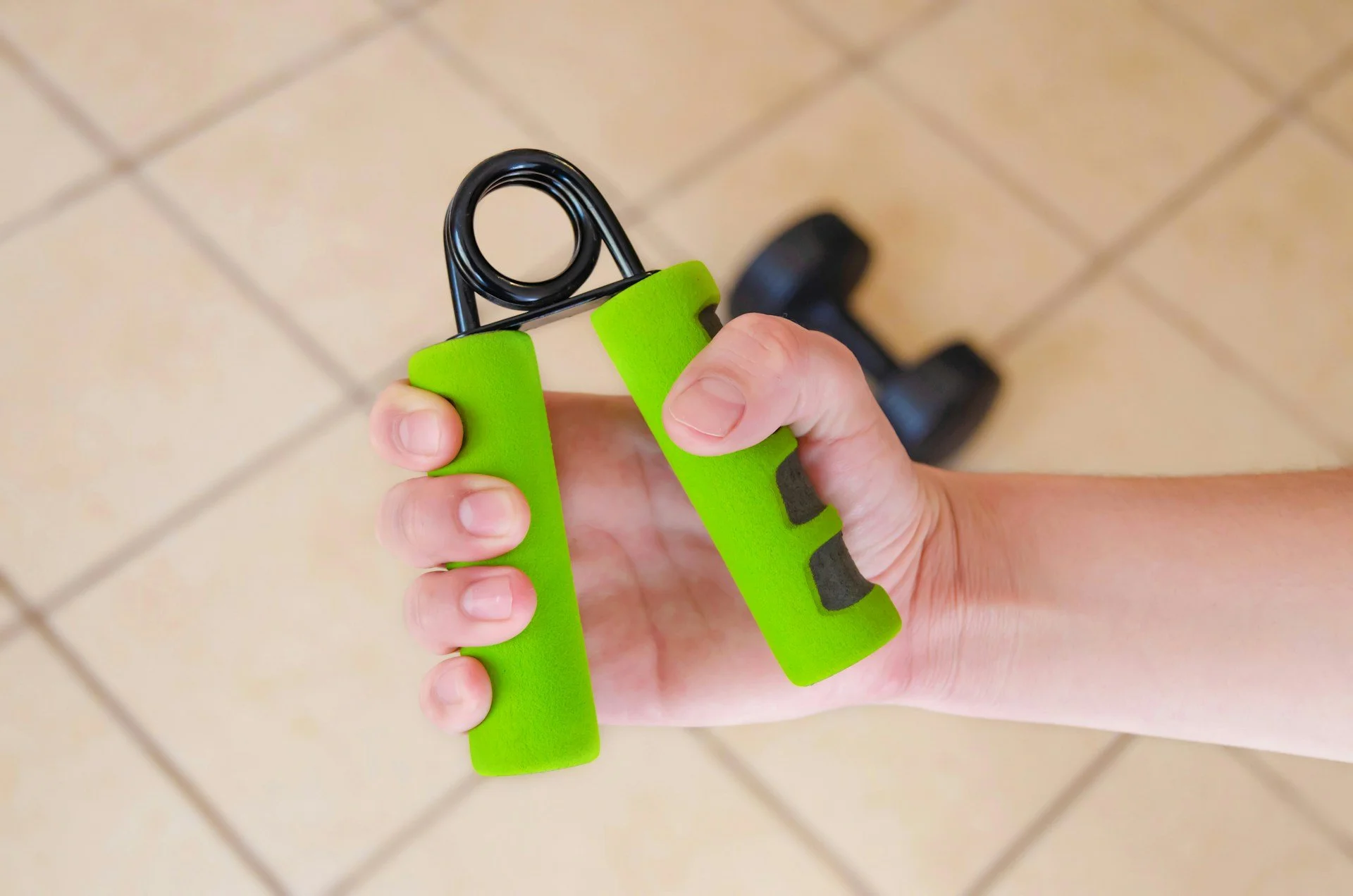
An umbrella review of grip strength and health outcomes found highly suggestive evidence for associations with all-cause mortality, cardiovascular mortality and disability. The authors also called for research clarifying the mechanisms and implications for interventions. This leaves an important gap between identifying a useful marker and proving that changing it changes the outcome. Buying a hand gripper may help you practise gripping. The longevity research does not establish it as a standalone treatment for extending life.
What counts as good grip strength?
A meaningful comparison needs context. In a study combining data from almost 50,000 people, researchers produced reference curves across the lifespan. Grip generally rose into early adulthood, remained relatively stable into midlife and declined thereafter. The curves also differed substantially between men and women.
Clinical thresholds serve another purpose. The European consensus on sarcopenia uses grip strength below 27 kg for men and 16 kg for women as cut-offs for low strength in its assessment framework. Sarcopenia is a muscle disorder; further assessment of muscle quantity or quality is needed to confirm the diagnosis. Those figures are screening thresholds within a specific framework. They are not ideal fitness targets for every adult, and clearing them does not establish that someone is healthy.
A clinician interpreting your result should consider your age, body size, symptoms, history and the testing method. An online leaderboard cannot do that work.
How to measure grip strength consistently
Before getting attached to a number, check how it was obtained. A review of grip-testing methods found substantial variation in equipment and protocols, complicating comparisons between studies. For a useful repeat measurement, keep the following consistent:
The dynamometer and handle setting.
Your seated or standing position, including arm and wrist placement.
Which hand is tested and how many attempts you perform.
The rest between attempts and whether the result is the best effort or an average.
Follow the device's validated protocol or a professional's instructions. Record discomfort and anything unusual about the session. Testing after tiring your forearms with a workout also makes comparison with a fresh effort less straightforward. Think of the result as a measurement with conditions attached. Comparing two scores collected differently may tell you more about the testing setup than about a change in your health.
Does a dead hang count as a longevity test?
A dead hang can be a useful exercise or personal training benchmark, but it asks a different question. You are supporting your body weight from a bar for time. Body mass, bar thickness, shoulder tolerance and familiarity with hanging all affect the challenge. A dynamometer measures a brief maximal squeeze. A hang measures your ability to sustain a different task. There is no valid conversion in the studies discussed here from seconds hanging to years of life remaining.
For example, improving a comfortable, controlled hang from 15 to 25 seconds shows progress at hanging under those conditions. It cannot tell you how your cardiovascular risk has changed. If hanging bothers your shoulders, you can train your hands with another exercise; completing a hang is not a prerequisite for healthy aging.
Can your fitness improve without your grip score changing?
Yes, and one experiment illustrates this particularly well. In a 24-week study of prefrail and frail older adults, resistance training improved leg-extension strength and physical performance more than the control condition. Those improvements occurred without a significant change in handgrip strength. The participants had made meaningful progress that the grip test did not capture. That finding is specific to the population and program studied, but it is a good reason to assess the abilities you actually train.
Grip itself can improve. A 2019 review of 24 exercise trials involving 3,018 older adults found small average improvements in handgrip strength across varied exercise programs. The amount of transfer from a program to a particular test should not be assumed. If your walks feel easier, you can rise from a chair more confidently and your training weights are increasing, those changes deserve attention alongside your grip score.
How to build grip into a regular strength routine
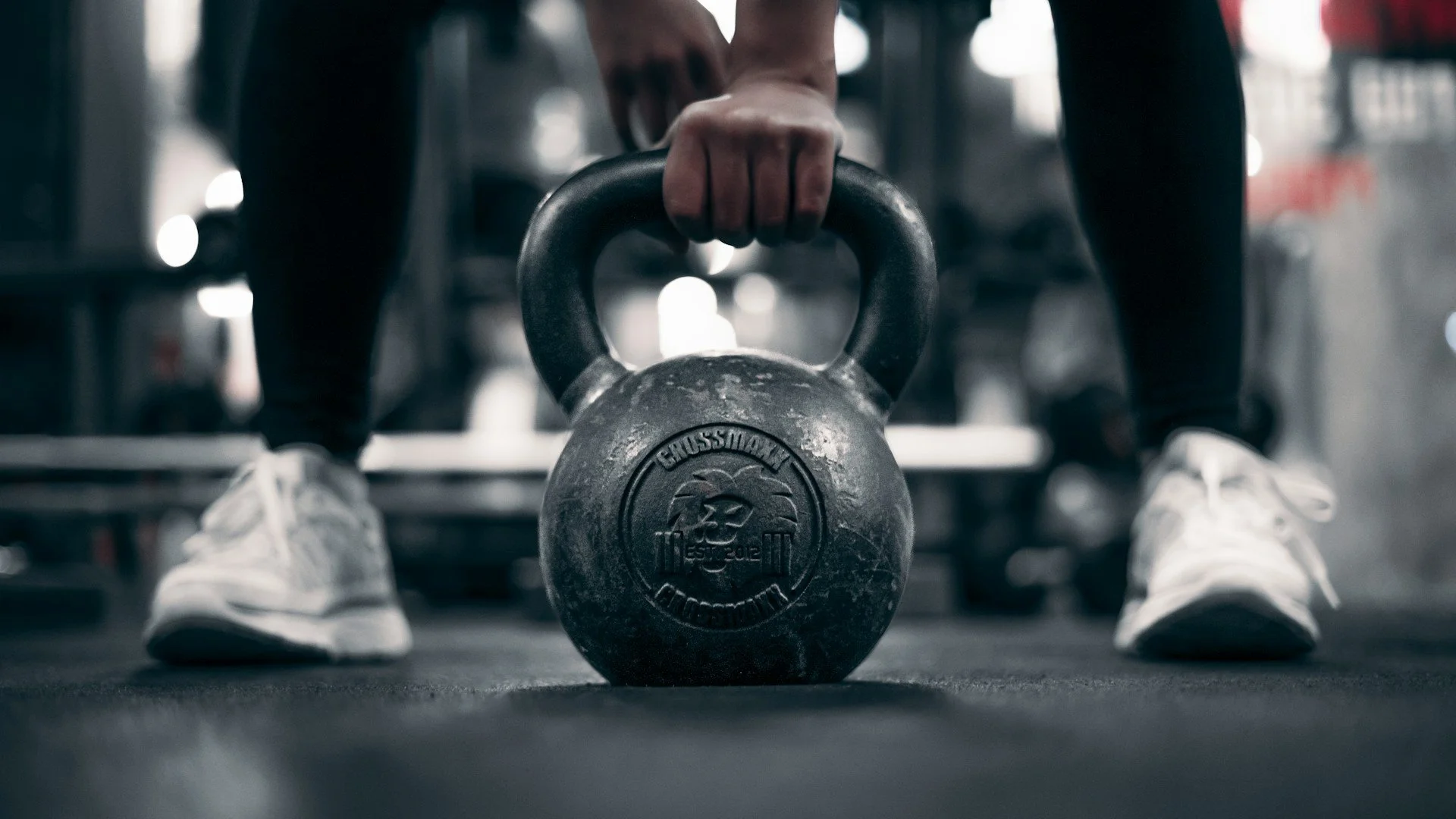
For someone already strength training, there are straightforward ways to give the hands more practice. The following is a practical starting example, rather than a protocol shown to extend lifespan. At the end of two weekly workouts, try two short rounds of a farmer's carry. Hold a manageable dumbbell in each hand and walk slowly through a clear space for about 20 seconds. Choose a load you can set down deliberately, keeping your posture comfortable and breathing throughout.
If walking with weights is awkward, a standing hold offers a simpler alternative. As the task becomes easier, increase either the load or the duration gradually. There is little reason to begin by hanging on until the weights slip. Rows and other pulling exercises also ask your hands to maintain their hold. Notice what ends a set: if your fingers repeatedly give out while the muscles you intended to train still feel capable, that is useful information to discuss with a trainer.
Keep grip work within a broader routine that trains the rest of the body. A stronger hand is useful when it helps you handle the demands of your day.
Pay attention to the person behind the number
An unexpectedly low score is a reason to ask questions, especially if everyday tasks have become harder. Persistent unexplained weakness, pain or numbness deserves assessment rather than simply adding more grip exercises. For most people, the value of this research lies in taking strength seriously before daily tasks become difficult. Track a few things that matter to you: what you can carry, how you move and whether your training is progressing.
At VIMALIFE in Leslieville, Toronto, you can build that routine on the gym floor or explore strength classes on our weekly schedule.