
Cardio Before or After Weights? How to Order Your Workout
You pick up the dumbbells you used last week and briefly wonder whether someone has changed the labels. The first squat feels harder than it should. Then you remember the twenty minutes you just spent turning a treadmill warm-up into a fairly ambitious run. Most of us decide where to start without giving it much thought. The treadmill is free, the squat rack isn’t, and it feels good to get moving. Once you’re trying to make progress with both, though, it helps to leave enough energy for the work you came to do.
Here is the short answer: do weights first when strength is your main goal. Do cardio first when improving your run, ride or endurance performance matters most. If you exercise for general fitness, either order can work. The best order depends on what kind of cardio you are doing, how hard you plan to lift and which part of the workout you most want to improve.
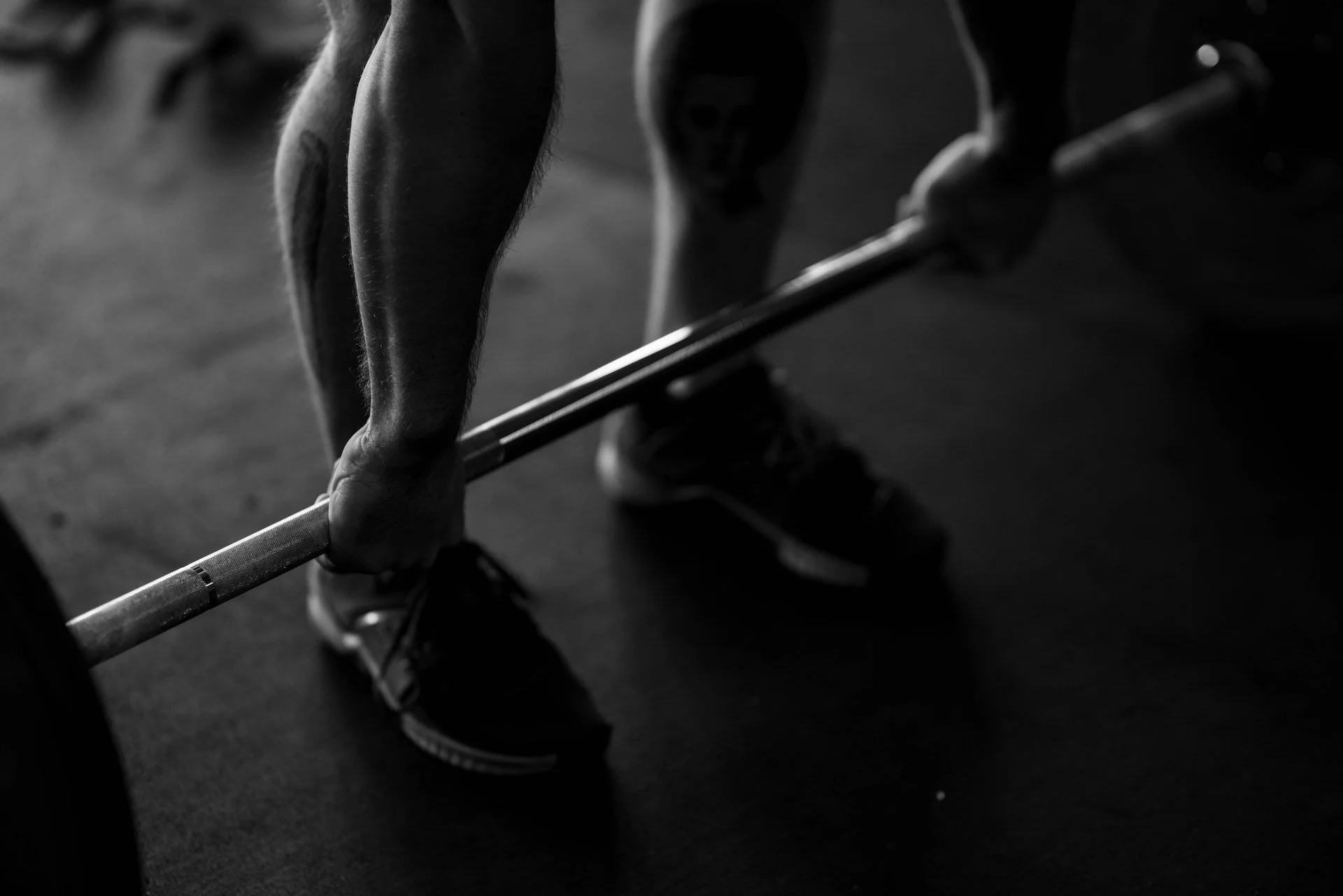
Does a Cardio Warm-Up Count as Cardio Before Weights?
A few minutes of easy movement before lifting is a warm-up. It is different from completing a full run, a hard ride or a round of intervals. The American Heart Association recommends warming up for five to ten minutes, gradually increasing your effort. Before a strength workout, that might mean walking on the treadmill, cycling gently or rowing at an easy pace. You should be able to speak comfortably and step off the machine without feeling as though the workout has already begun.
A useful warm-up leaves you feeling warmer, more comfortable and ready to work. If your legs are burning and your breathing is still laboured when you reach the weights, you have gone beyond warming up.
Why Do Weights Usually Come First for Strength?
Strength training depends on your ability to produce force. Hard cardio creates fatigue, particularly when it uses the same muscles you plan to train next.
A long ride followed by leg presses is an obvious example. Running before squats can have a similar effect, especially if the run includes hills, intervals or a fast pace. A hard rowing session may follow you into deadlifts or pulling exercises.
You may notice that fatigue before any study measures it. A familiar weight moves slowly. Your technique becomes harder to hold. You stop a set several repetitions earlier than usual or reduce the load just to finish the session.
A 2022 systematic review and meta-analysis of 15 studies examined what happened when trained men performed aerobic exercise before strength and power tests. Aerobic exercise produced a moderate decline in subsequent lower-body strength. Longer sessions and moderate-to-high-intensity cardio appeared more likely to affect performance than shorter, easier work, although not every comparison between groups reached statistical significance.
The researchers were measuring a short-term effect: what participants could do while recovering from the earlier exercise. They were not showing that one cardio session caused muscle loss.
If strength matters to you, try placing your main lifts near the beginning of the workout. Complete the exercises you most want to improve while you can give them steady effort and attention. Cardio can follow, provided the combined session still suits your fitness and recovery.

What Does Exercise Order Change Over Time?
Feeling tired during one workout is one thing. The more interesting question is whether repeatedly choosing the same order changes your results over several weeks.
A Sports Medicine review of ten training studies compared resistance-then-endurance training with the reverse order. Performing weights first produced a greater improvement in lower-body dynamic strength, meaning strength expressed while moving a load through an exercise such as a squat or leg press.
The result was specific. The review did not find a significant difference between the two orders for lower-body muscle growth, maximal aerobic capacity or body-fat percentage.
So weights first has a reasonable case when you want to become stronger. The same research does not show that moving cardio to the end will automatically build more muscle or burn more fat.
Cardio after weights is sometimes presented as a fat-loss trick. The available exercise-order research has not found a special fat-loss advantage from putting the treadmill last. Fat loss is influenced by the larger pattern of food, activity and consistency.

Can Cardio Interfere With Muscle and Strength Gains?
Cardio and strength training can live in the same programme. Researchers call this concurrent training, whether both happen during one gym visit, at different times that day or on separate days.
A large 2022 review of 43 studies found that combining aerobic and strength training did not reduce gains in maximum strength or whole-muscle size compared with strength training alone.
Explosive strength was more sensitive. This is the ability to produce force quickly, as you would when jumping, sprinting or changing direction. Improvements were smaller when aerobic and strength work happened in the same session. That reduction was not statistically significant when the sessions were separated by at least three hours.
A 2024 meta-analysis of 59 studies added another layer. It found smaller lower-body strength gains among men who combined strength and endurance training than among men who completed strength training alone. The same effect was not found in women, although the authors noted that women and highly trained athletes remain underrepresented in this research.
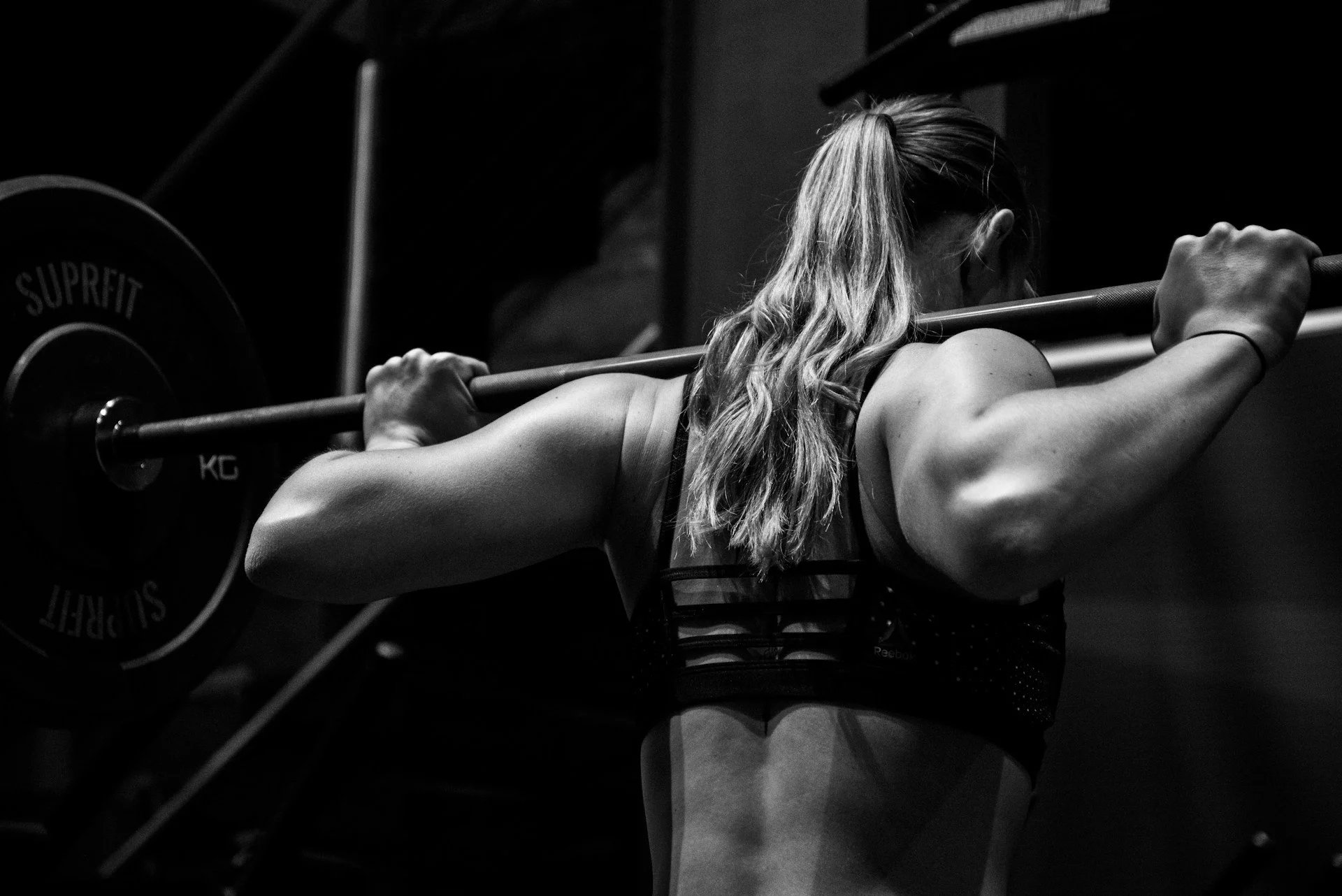
There is no reason here to be afraid of cardio. Pay closer attention to scheduling when maximum strength or explosive power is the main goal, particularly if your training volume is high.
\
When Should Cardio Come Before Weights?
Put cardio first when the cardio session is the main event. A runner preparing for a race may have an interval workout with a specific pace to hold. A cyclist may be working on sustained power. Starting with heavy leg training could change the quality of that session before it begins.
There is also evidence that strength work can affect running beyond the same day. In a small study of 14 trained and moderately trained male runners, participants completed strength and running sessions six hours apart in different orders. Running at the tested speeds required more oxygen the following day after the strength-then-running sequence. Time to exhaustion was also reduced after both combined-training sequences compared with the runners’ baseline test.
It was a small experiment in a specific group, so it cannot prescribe everyone’s schedule. It does capture something runners often recognize: yesterday’s leg session sometimes appears halfway through today’s run.
During a race build-up, place your most important runs on the calendar first. Strength may fit after an easy run, later in the day or on another day. The arrangement can change as mileage and intensity rise.
Cardio can also come first simply because you enjoy it more and would otherwise skip it. A technically perfect programme that you rarely follow is not especially useful. If doing cardio first keeps you consistent, keep it there and adjust the length or intensity when you also want a productive strength session.

Should You Separate Cardio and Weights?
Separating cardio and weights can help when both parts need to be demanding. You can begin each session with more energy and have time to eat, rehydrate and recover between them. You do not need two daily workouts to be healthy or make progress.
If you have an hour at the gym, you might warm up, complete your planned weights and finish with ten to twenty minutes of manageable cardio. On another day, you could give cardio more time and keep the strength work brief. Every visit does not need to be divided equally.
Sometimes the second part of a combined workout never happens. You finish lifting, check the time and promise yourself that cardio will happen tomorrow. If the same part keeps disappearing, give it a separate place in the calendar, even if that session is short.
How Should You Plan Cardio Around a Strength or Conditioning Class?
A class counts as training. Look at what the class includes before adding another workout around it.
If you are joining one of VIMALIFE’s strength, HIIT or conditioning classes, an easy warm-up may be enough beforehand. Hard treadmill intervals immediately before a lower-body strength class may leave you choosing lighter weights or struggling with the pace sooner than expected.
Some classes deliberately combine resistance exercises and cardio. The dumbbells you choose for a circuit may be lighter than the ones you use on the gym floor with longer rests. Choose a load you can control as fatigue builds and think of the entire visit as one session.
What If Your Goal Is General Health?
For general health, the whole week matters more than whether you step onto the treadmill before or after the dumbbells.
The Canadian 24-Hour Movement Guidelines recommend that adults aged 18 to 64 accumulate at least 150 minutes of moderate-to-vigorous aerobic activity each week and complete muscle-strengthening activities using the major muscle groups at least twice weekly. They also include light activity, less sedentary time and regular sleep as parts of a healthy day.
Those aerobic minutes do not all have to happen inside a gym. Brisk walks, cycling for transportation and recreational activities can contribute.
For many people, the most useful plan is the one that gives both types of exercise a regular place without making every visit exhausting. Lift first on strength days. Lead with cardio when you have a run or ride you care about. Keep easy cardio where it fits. Then notice whether you are recovering well enough to repeat the week.
If you would like help arranging your training, our personal training team at VIMALIFE in Leslieville, Toronto can build a programme around your goals, experience and schedule. You can also book a complimentary Guest Pass Experience to try the gym floor, join a class or combine both during your visit.