
GLP-1 Medications and Exercise: How to Protect Muscle During Weight Loss
The scale is moving. Your clothes fit differently. Lunch suddenly feels like more food than you need. If you have started a GLP-1 medication, those changes may be welcome. They can also bring a question that rarely fits into a before-and-after photograph: what happens to your muscle while the weight comes off?
Muscle matters when you carry groceries upstairs, get out of a low chair or lift a suitcase into an overhead compartment. Keeping those tasks comfortable is a useful goal alongside weight loss.
Research supports paying attention to strength training and nutrition during treatment. It also offers a more nuanced picture than headlines suggesting these medications inevitably leave people weak.
GLP-1 medicines, including semaglutide and liraglutide, act on pathways involved in appetite and blood-sugar regulation. By reducing hunger and helping people feel satisfied with less food, they can support substantial weight loss. That change in appetite makes the content of smaller meals worth planning carefully.
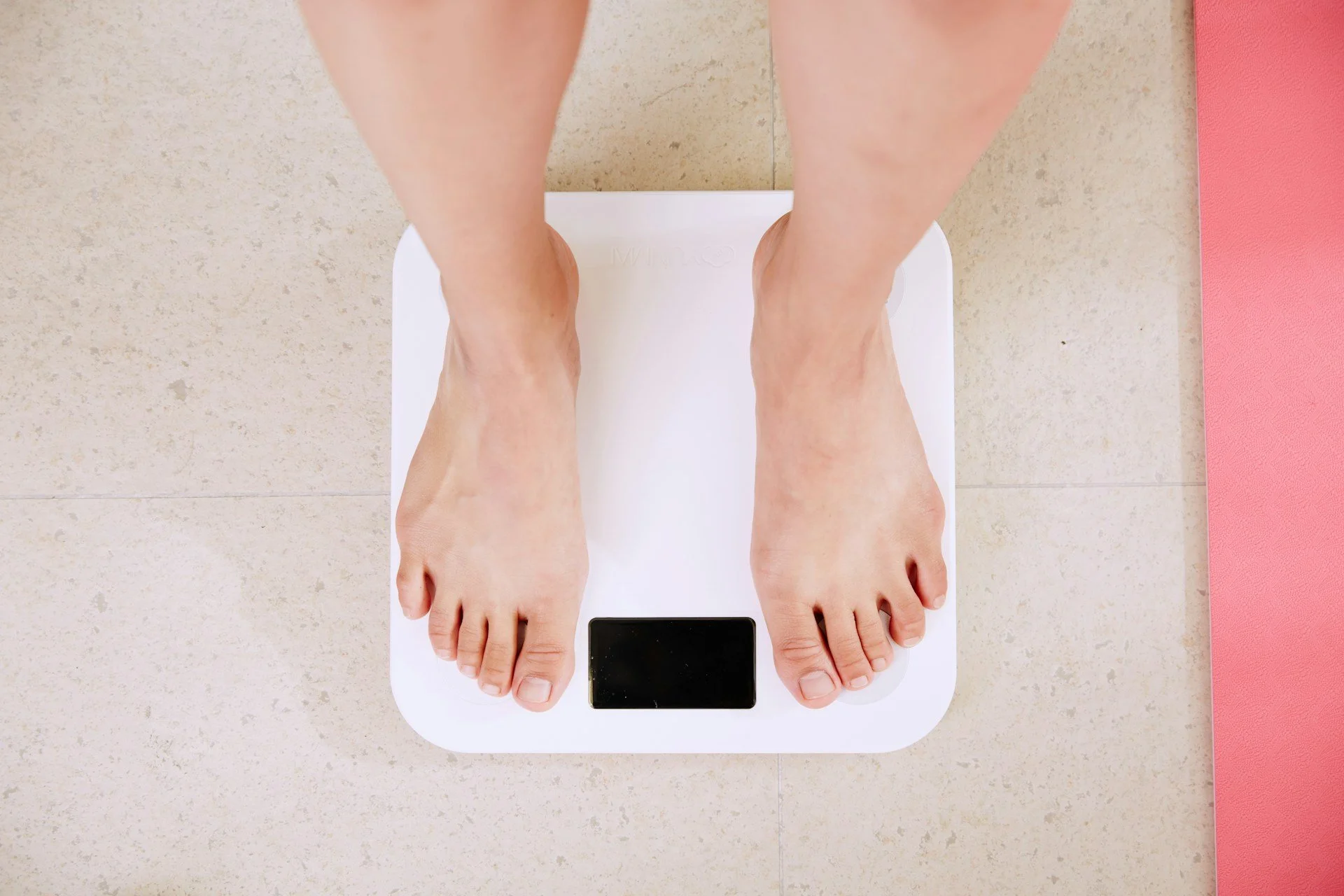
What the muscle-loss headlines are actually measuring
Much of the discussion comes from studies using DXA scans to estimate body composition. These scans distinguish fat, lean soft tissue and bone mineral. Lean tissue includes muscle, but also water, organs and other tissues. A drop in lean mass cannot be translated directly into an equal amount of lost skeletal muscle.
An exploratory body-composition analysis of the STEP 1 trial included 140 adults. After 68 weeks, participants receiving semaglutide had lost, on average, 15% of their starting body weight. Fat mass fell by 19.3%, while lean body mass fell by 9.7%. Those percentages describe changes in different starting compartments. They do not mean that 9.7% of the weight lost was muscle. Because fat declined more, lean tissue represented a larger share of participants’ remaining body weight.
A SURMOUNT-1 body-composition substudy examined tirzepatide, which acts on both GIP and GLP-1 receptors. Among 160 participants with scan data, approximately three-quarters of the weight lost was fat and one-quarter was lean mass, with similar proportions in the medication and placebo groups. These findings warrant a muscle-conscious plan. They cannot predict exactly what will happen to your strength.
A smaller body can still become more capable
Body composition and physical ability do not always move together.
In the SEMALEAN study, 106 adults completed a year of semaglutide treatment. Lean mass initially declined and then stabilized, while handgrip strength improved. This was an observational study without a control group, so it cannot establish that the medication itself improved strength. It does show why measuring function matters alongside measuring tissue.
That distinction is reassuring, but it is not a reason to ignore a persistent decline in performance. An older adult who already struggles to rise from a chair has different needs from an experienced lifter who remains strong throughout treatment. The useful question is personal: are everyday activities becoming easier, and are you maintaining the strength you need to do them?

Give strength training a regular place in your week
Resistance exercise provides a direct training stimulus to muscle. That makes it particularly relevant when body weight is falling.
In a randomised trial of 160 older adults with obesity, researchers combined weight management with aerobic exercise, resistance training or both. Lean mass declined less in the resistance and combined groups than in the aerobic-only group. The combined programme produced the largest improvement in overall physical performance.
Participants were not taking GLP-1 medications. The trial supports resistance training during weight loss generally; it does not establish a specific workout prescription for semaglutide or tirzepatide.
For someone new to the gym, the practical starting point might be two scheduled sessions that cover the major muscle groups. A session could include a squat or leg press, a hip hinge, a row and a chest press, with exercises adapted to mobility and experience. Machines are useful. So are dumbbells and resistance bands. Choose equipment you can use confidently and repeat consistently.
Make the workouts challenging enough to count
The 2026 American College of Sports Medicine position stand recommends progressive resistance training for healthy adults. Progression means adjusting the challenge as your capacity improves. It does not require a complicated programme or a personal record every session.
Here is an example to discuss with a qualified trainer: begin with one or two sets of each exercise, using a load you can move with control. A range such as eight to twelve repetitions offers a straightforward way to organize a session. Finish with a few good repetitions still possible, particularly while learning technique.
Suppose you can comfortably perform twelve controlled rows with the same weight across your sets. At a later session, a small increase in resistance may be appropriate. Record the exercise, weight and repetitions so the next decision has a basis.
During weight loss, simply maintaining your usual training loads can be meaningful progress. If you are repeatedly losing repetitions or feeling unusually depleted, review the programme and your recovery rather than automatically adding more work.
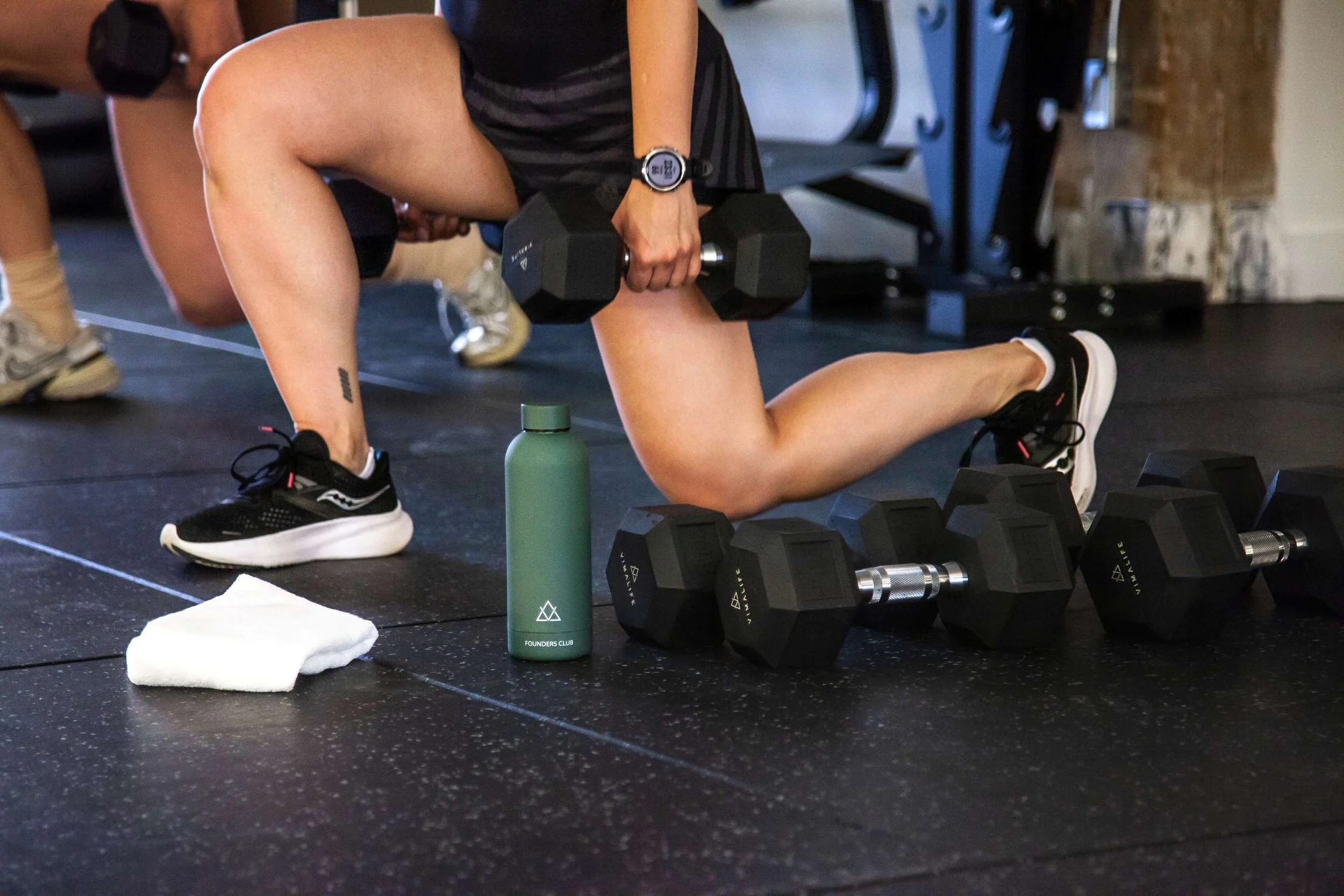
Keep walking and cardio in the picture
Cardio remains valuable alongside lifting. It is also one of the areas where exercise has been studied directly with a GLP-1 medication.
A 2021 trial of exercise and liraglutide followed 195 adults after an initial diet-induced weight loss. Over the following year, the combination reduced body-fat percentage more than either treatment alone and improved cardiorespiratory fitness. The trial studied liraglutide and a structured exercise programme; its results should not be treated as proof that every workout has the same effect with every medication.
A manageable week could include strength sessions on Monday and Thursday, short walks on several days, and a bike ride or swim at the weekend. Someone starting from very little activity might begin with ten-minute walks and build gradually. Choose a routine that can survive an ordinary busy week. Repeatability matters more than an impressive first Monday.
Plan protein before your appetite disappears
When meals shrink, protein can shrink with them. A joint advisory on nutrition during GLP-1 treatment identifies adequate protein and resistance exercise as complementary priorities.
The advisory discusses proposed protein intakes of 1.2–1.6 grams per kilogram daily during active weight reduction. It also notes uncertainty about which body weight to use in people with obesity; multiplying by current weight can overestimate needs. A registered dietitian can set an appropriate target, particularly if you have kidney disease or other dietary restrictions.
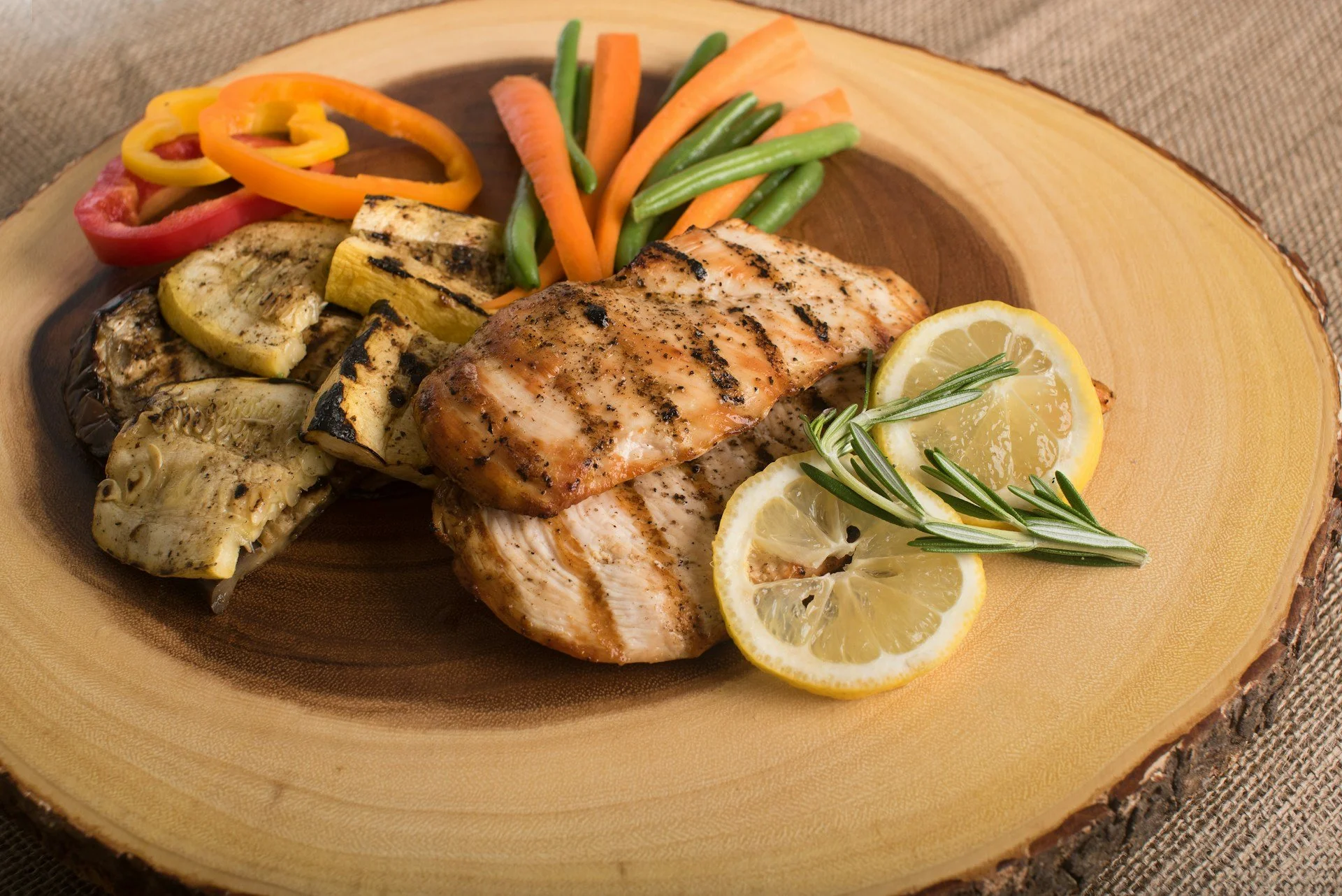
Start with the meals you already eat. Breakfast could be Greek yogurt with fruit and oats. Lunch might include tofu, chicken or beans in a rice bowl. Dinner could feature fish, lentils or eggs alongside vegetables and a carbohydrate source you enjoy. If your care team sets a target of 90 grams a day, for example, three eating occasions averaging 30 grams make the arithmetic straightforward. Smaller meals and snacks can divide that amount differently. This is an illustration, not a universal target.
Keep convenient options available for the day when cooking feels unappealing. The best plan has an answer for Tuesday evening, not just Sunday meal preparation.
Adjust around nausea and low energy
A workout plan needs room for how treatment actually feels. Nausea, vomiting, constipation and diarrhoea are recognised GLP-1 side effects, particularly around treatment changes.
Clinical recommendations for managing gastrointestinal symptoms include eating slowly, choosing smaller portions and maintaining hydration. Persistent symptoms deserve a conversation with the prescriber. Repeated vomiting or an inability to keep fluids down calls for prompt medical advice, not an attempt to push through training. On a mildly unsettled day, a shorter session or comfortable walk may fit better than hard intervals. If you feel faint or unwell, stop. Medication adjustments belong with your clinician.
If you also use insulin or a sulfonylurea, ask your diabetes team how changes in food intake and activity affect your low-blood-sugar plan. The nutrition advisory specifically flags this combination as a concern.
Track what your body can do
Alongside any weight measurements agreed with your care team, keep a simple record of function. Can you rise from a chair comfortably? Are stairs getting easier? Can you complete your usual sets with good control?
Choose a few repeatable reference points instead of testing everything. For a gym-goer, that might be the weight and repetitions on a leg press and row. For someone returning to movement, it might be walking to the shops without needing the same number of rests. One tired workout is not a diagnosis of muscle loss. A continuing decline in strength, new difficulty with daily tasks or poor food intake is a reason to check in with your healthcare team.

Build a routine you can keep
Protecting muscle during GLP-1 treatment means making room for strength, adequate nutrition and a realistic amount of activity as your body changes. No routine can promise zero lean-mass loss, but progress can include feeling stronger and moving more comfortably.
For help making strength training part of your week, explore VIMALIFE’s fitness club and coaching support in Leslieville. Your prescriber and dietitian can guide the medical and nutritional parts of the plan; a trainer can help turn your exercise goals into repeatable sessions.