
The calendar invitation says “team workout.” One colleague is already looking forward to it. Another is wondering whether they own the right shoes. Someone else is trying to work out how to ask for an easier option without explaining their medical history to the office. All three can be part of the same successful event. Planning for that range of reactions is where a good private class begins.
If you are looking for private group fitness classes in Toronto, start with the people coming, the experience you want to share and the time you genuinely have available. The class can then take shape around those details.
At VIMALIFE in Leslieville, private classes and group experiences are available to discuss across formats including strength, HIIT, Pilates, yoga and barre. The first conversation is a chance to explain your group and explore a suitable session.

Decide what you want the team to take away
“Something active together” is a useful beginning. A little more detail makes the planning easier.
Perhaps you are bringing a remote team together and want an activity that leaves time to talk. Perhaps everyone has spent two days in meetings and would appreciate a change of pace. Or perhaps a group that already enjoys exercise wants an energetic session to mark a milestone. Those situations suggest different formats and different levels of effort. A first-time group may appreciate straightforward movements, clear explanations and generous transitions. A group of regular exercisers may want more challenge, while still needing individual options.
Choose a modest, observable aim: people feel welcomed, try something together and have an enjoyable hour away from their usual setting. That gives the instructor something more useful to work with than “make everyone exhausted.”
What does research say about exercising together?
Group exercise can be an appealing way to make movement part of a shared routine, but the research deserves more care than the usual claims about instant team bonding.
In a twelve-week study involving 69 medical students, participants attending regular group fitness classes reported lower perceived stress and improvements in physical, mental and emotional quality of life compared with their own starting scores. The study was not randomised, and the class group contained only 25 people.
The result is encouraging, but it cannot tell us that one corporate class will create the same changes. People who choose group exercise may also differ from those who prefer another format.
Broader workplace research offers a useful reality check. A randomised trial across worksites involving 32,974 employees found that a wellness programme improved some self-reported behaviours after eighteen months, including regular exercise. It did not significantly change measured clinical outcomes, healthcare spending or employment outcomes such as absenteeism and job performance.
A private class can stand on its immediate value: time for movement, instruction and a shared experience. Promises about productivity or healthcare savings go well beyond what a single session can demonstrate.
Match the class to the people attending
Ask about preferences before announcing the format. A short poll can reveal whether people are interested in strength, Pilates, yoga or a more energetic circuit. Include a way to express uncertainty or request a different kind of activity.
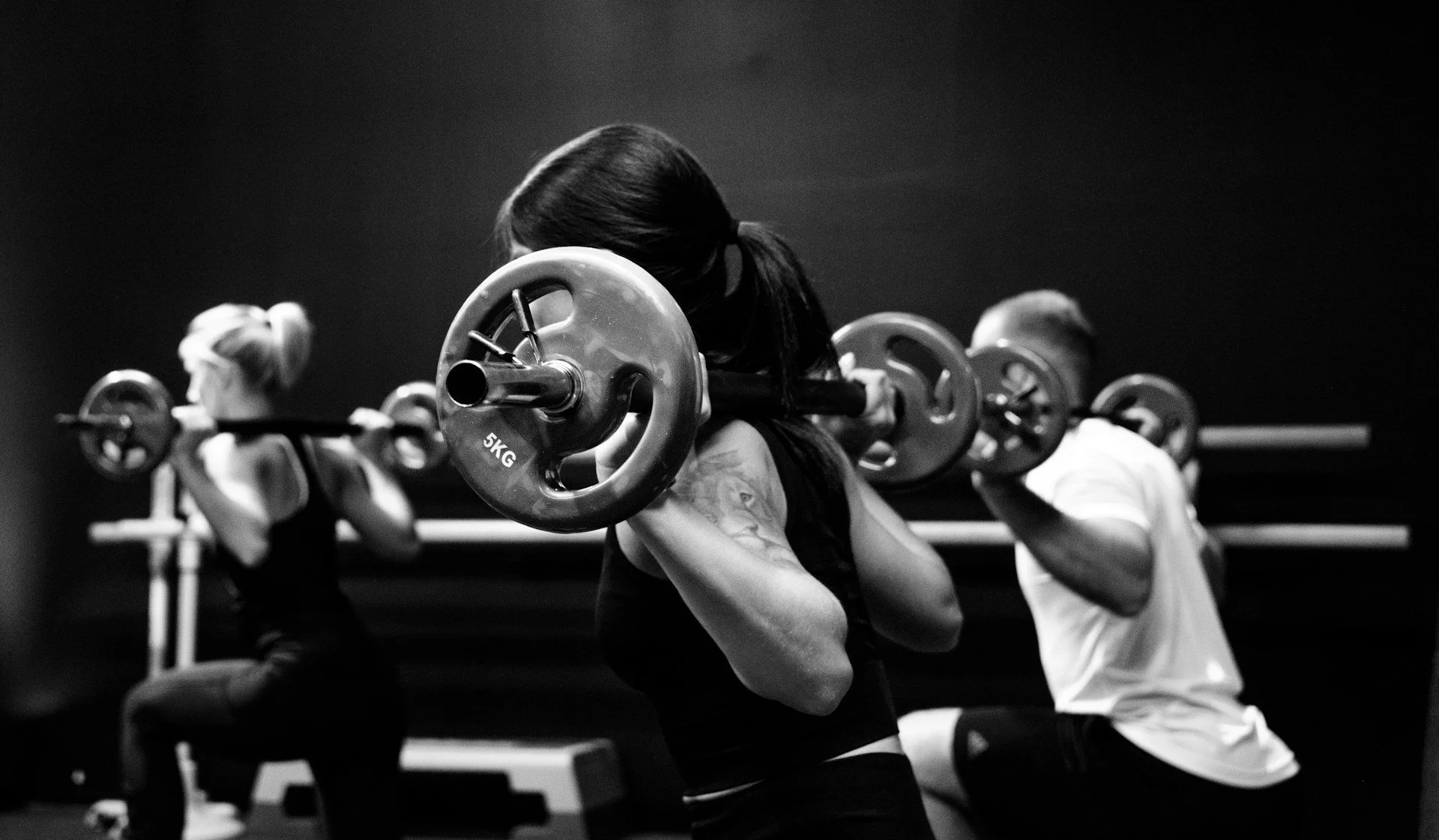
Strength sessions can focus on learning a few accessible movements with individually chosen resistance. Pilates can offer a structured introduction to controlled movement, while yoga may suit a group interested in a different pace. HIIT and circuits can be energetic, but the planned intervals, recovery and exercise options matter more than the name.
Describe the experience in ordinary language when speaking with the venue. “We would like a moderate session, with no pressure to jump and time to learn the exercises” communicates more than “something suitable for everyone.”
You can browse VIMALIFE's class formats for ideas. Private arrangements are confirmed separately; a session on the public timetable does not automatically indicate private-event availability.
Make participation feel like a choice
Being willing to try a class is different from feeling obliged to exercise in front of colleagues. Make that distinction clear in the invitation, especially when managers are participating.
A systematic review of 66 studies on exercise motivation found that more self-directed motivation was consistently associated with participation. Enjoyment was particularly relevant to longer-term adherence, although most studies were observational.
For an organiser, a sensible application is to give people useful choices. Offer different effort levels, make breaks ordinary and avoid public comparisons of weights, speed or calories burned. Explain that participants can change an exercise or sit out a section without having to justify themselves to the group.
Keep questions about injuries, pregnancy, health conditions or other individual needs private. Ask how the instructor or venue would like participants to share relevant information directly. An organiser needs enough information to arrange a suitable event; colleagues do not need access to one another's health details.
Ask how the instructor will accommodate a mixed group
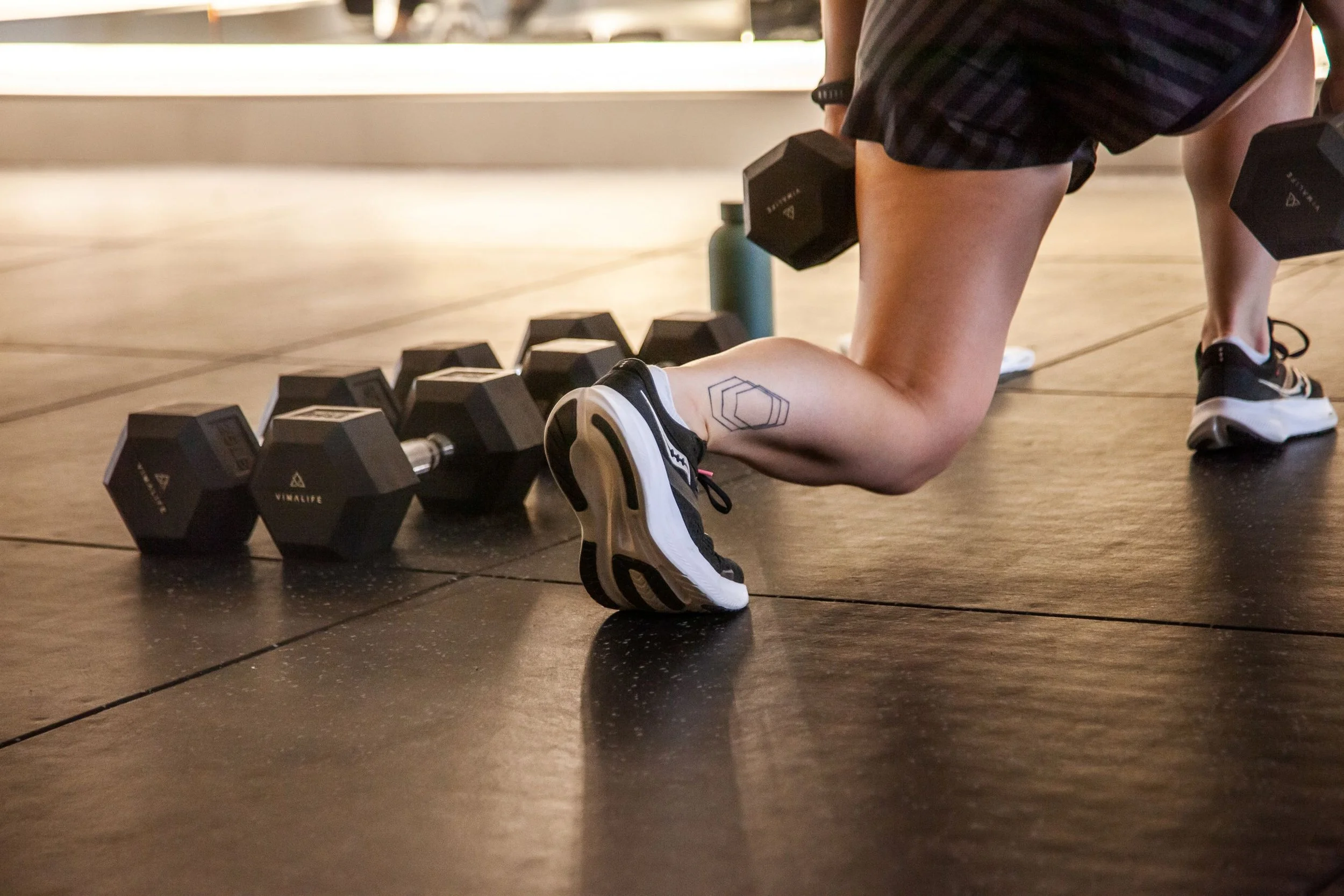
“All levels” is most useful when someone can explain what it means in practice. Ask whether exercises will be demonstrated, how alternatives will be offered and how the instructor will keep track of a group with different experience levels. Confirm the appropriate participant count for the room, equipment and session style.
For example, a strength circuit might offer a supported squat alongside another suitable variation. A floor exercise may need a standing or bench-based option for someone who cannot comfortably get down to the mat. The instructor should choose the details after understanding the group. Accessibility also includes the journey through the venue. Ask about entrances, stairs, changing facilities and the route to the studio when those details affect attendance. A beautiful room is only useful if your participants can comfortably reach and use it.
Plan the whole visit, including getting there
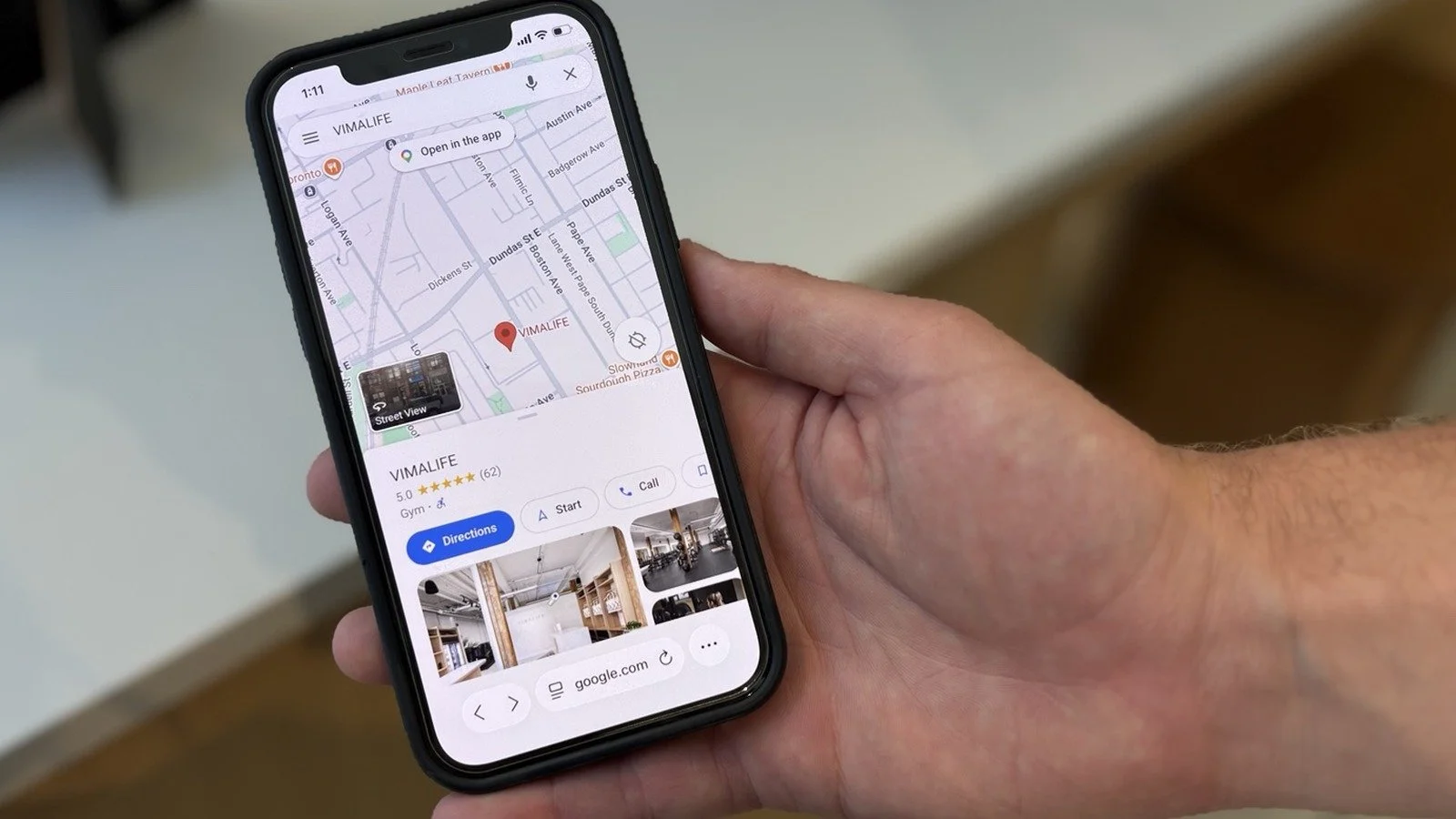
A forty-five-minute class rarely fits neatly into a forty-five-minute calendar slot. People need to arrive, find the room, change if necessary and receive instructions. Afterwards, they may want time to change again or speak with colleagues. VIMALIFE is located at 276 Carlaw Avenue, Unit 101, in Leslieville, Toronto. Include the full address and confirmed arrival instructions in the invitation. Ask the team about access and any applicable parking arrangements before communicating them to guests.
For illustration, you might allow fifteen minutes for arrival, forty-five minutes for the class and fifteen minutes afterwards. That creates a seventy-five-minute visit before travel. It is a planning example, not a VIMALIFE package or a guaranteed booking length.
If the event sits between meetings, protect enough time on both sides. People are more likely to enjoy the session when they are not watching the clock for a call that starts the moment it ends.
Get a quote that matches the event
Pricing is easier to assess when every venue is quoting for the same thing. Send the approximate group size, preferred dates, class interests and overall time available.
Ask what the quote includes: instruction, equipment, the reserved space, arrival and changing time, applicable taxes and any additional services you have requested. Confirm whether the booking is a private studio session or includes other areas of the club. Also clarify the final headcount deadline, payment schedule and cancellation or rescheduling terms. These details help you compare the full arrangement and avoid assumptions about what “private” includes.
An inquiry can be simple: “We are planning a weekday afternoon session for approximately fifteen colleagues with mixed exercise experience. We are interested in an introductory strength or Pilates class and have about seventy-five minutes on site. Could you suggest a suitable format and provide availability and a quote?” That is enough to begin a productive conversation. You can refine the event together.
Send an invitation that answers the small questions
People should not need to search the group chat to find out what to bring. Once the booking is confirmed, include:
The arrival time, class time, finishing time and address.
A plain-language description of the session and expected effort.
Clothing, footwear and equipment instructions confirmed by the venue.
How to ask privately about access or exercise modifications.
A reminder that participants can work at their own pace and take breaks.
If you plan to photograph the event, explain that beforehand and provide a comfortable way to opt out. Keep joining the workout separate from agreeing to appear in a company post. Afterwards, ask a few useful questions: Did the pace feel appropriate? Was the arrival process clear? Would people choose the same format again? That feedback is more informative than judging success by how sore everyone feels the next day.
Start with a conversation in Leslieville
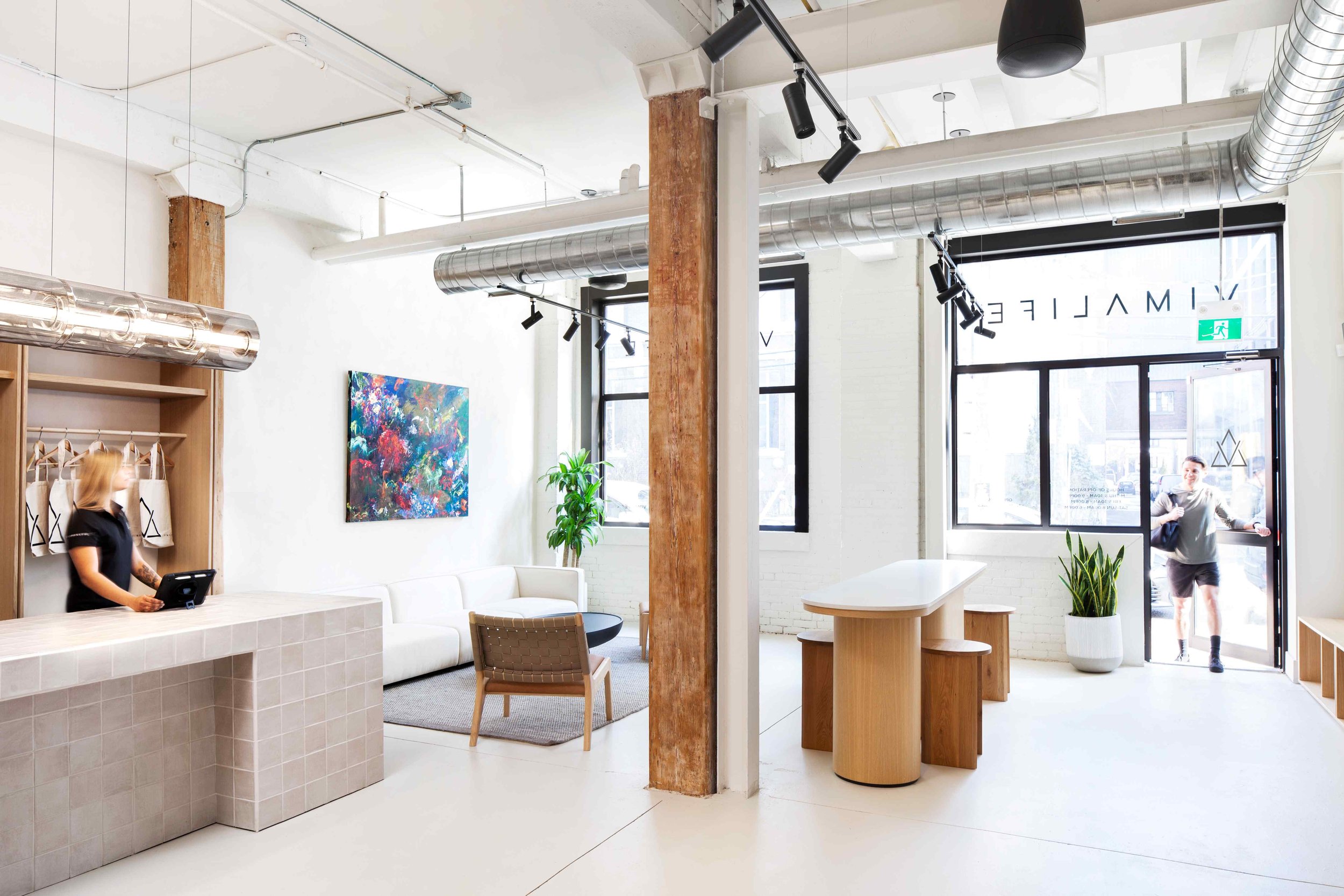
A private class gives you room to plan around your own group. The experience improves when the instructor understands who is coming, participants know what to expect and the timetable leaves space to enjoy being there. To discuss dates, class options and a tailored quote, send VIMALIFE a private-event inquiry. Share the practical details you already know; you do not need a finished event plan before getting in touch.
If you would like to see the club before arranging your team's session, book a complimentary VIMALIFE guest-pass experience and get a feel for the space in person.