
You book a fitness assessment, then briefly wonder whether you should do a few workouts before the appointment, and it’s an understandable reaction to anything that sounds like a test. But the information becomes more useful when it reflects where you are now, including the movements you are still learning and the days your schedule actually leaves free.
A fitness assessment brings together your goals, training history and selected measures of physical capacity. Its purpose is to help decide what to do next and provide something meaningful to compare later.
At VIMALIFE in Leslieville, VIMABASE is our fitness assessment experience, designed to establish a clearer starting point for movement, metrics and training goals. You do not need a particular fitness level to have a worthwhile conversation about those things.

What should you leave an assessment knowing?
A useful appointment should help you answer three questions:
What am I working towards, in terms that matter to me?
Which exercises and starting demands make sense for my current ability?
What will we look at later to decide whether the plan is working?
The answers might be quite ordinary. You want to feel comfortable on the gym floor, carry groceries upstairs more easily or return to a regular strength routine after several inconsistent months. Those goals deserve as much attention as a race time or a lifting target. They also give the assessment a direction. There is little value in collecting impressive-looking numbers if nobody can explain how they affect your programme.
Expect a conversation before the exercise
Your recent activity, previous training, health and available time all affect a sensible starting point. Mention symptoms, injuries, medications that affect exercise and any guidance you have received from a healthcare professional. The American College of Sports Medicine's exercise-screening recommendations explain why context matters. Their framework considers current activity, symptoms or known cardiovascular, metabolic or kidney disease, and intended exercise intensity. It was designed partly to reduce unnecessary barriers while identifying people who need further medical guidance.
That does not mean everyone needs a doctor's appointment before trying a manageable workout. It means a coach needs relevant information rather than guessing from your age or appearance. Be equally candid about your week. If two sessions are realistic, say so. A programme built around four visits will not become suitable simply because the assessment was thorough.
What might the physical part involve?
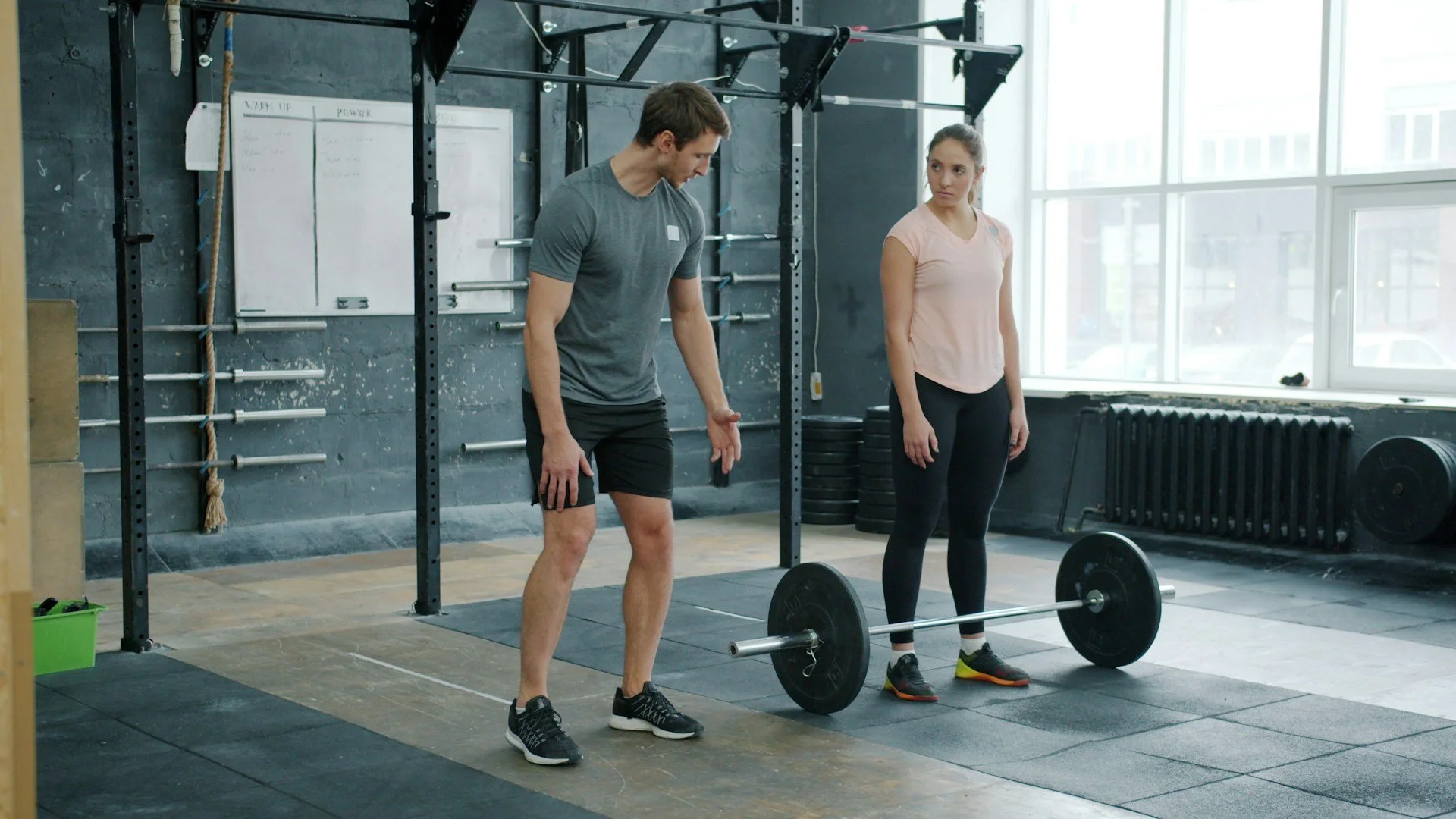
Depending on your goals and the service, a fitness assessment may examine familiar movements, strength or muscular endurance, mobility, balance or aerobic capacity. Body measurements may also be discussed where relevant and agreed. These are examples of assessment categories, rather than a promised checklist of VIMABASE tests. Ask which measures your coach proposes and how each will inform your training.
A squat variation might help identify a comfortable starting range and level of support. A controlled pushing or pulling exercise can help establish an appropriate load. A repeatable walking or cycling task may provide information about how you tolerate an aerobic effort. The simplest question is often the best one: “What will we do differently because of this result?”
Strength results need a consistent method
“Stronger” is easier to interpret when the exercise and testing conditions remain comparable. A systematic review of 32 studies involving 1,595 participants found that one-repetition maximum testing generally had good-to-excellent reliability. In other words, properly conducted tests usually produced reasonably consistent results when repeated.
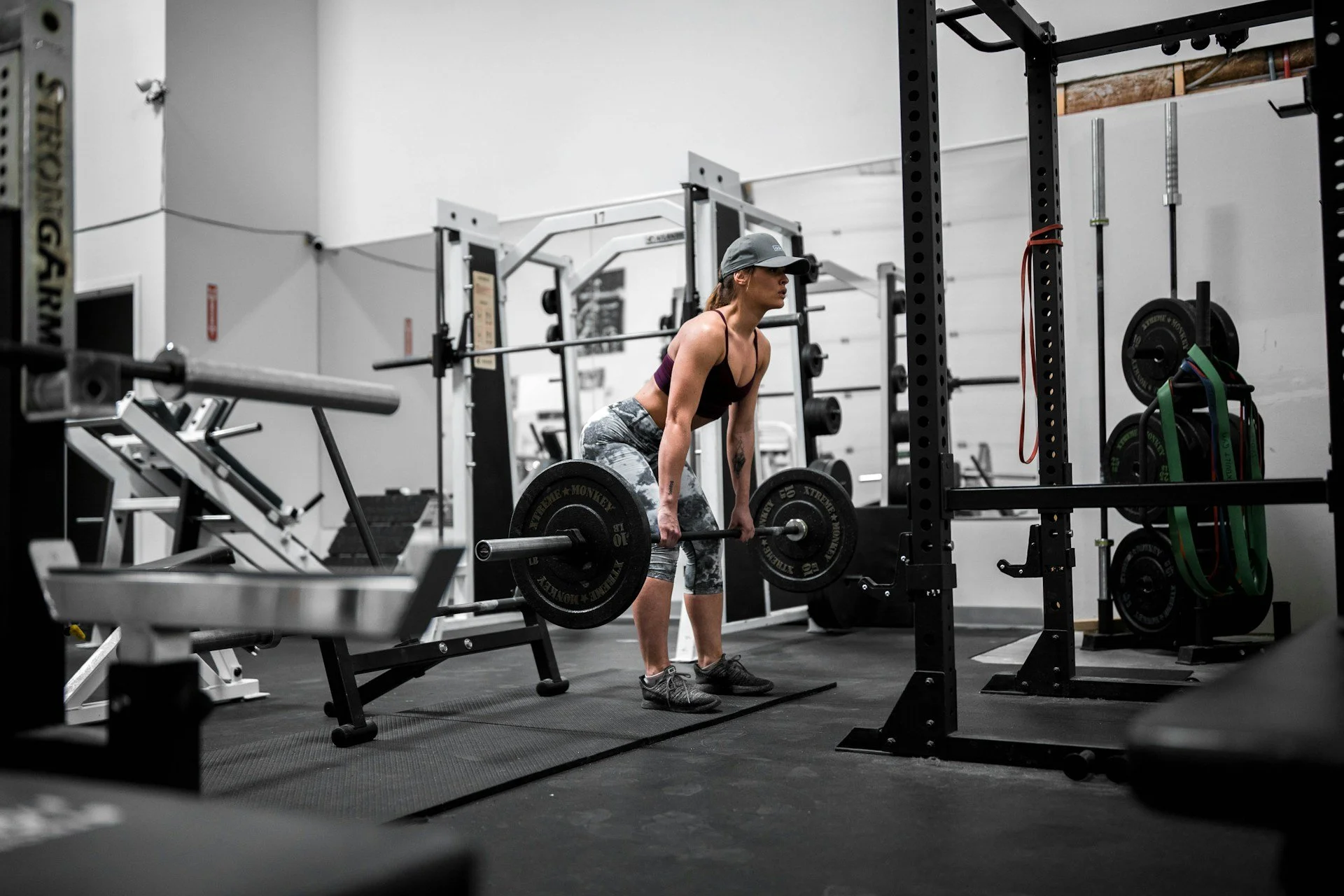
That finding does not mean everyone should attempt their heaviest possible lift at an introductory appointment. It shows the value of using a defined method. A coach can choose an assessment appropriate to your experience and the question being asked. For example, completing eight controlled repetitions with a particular machine setting and load creates a more useful reference than “the leg exercise felt hard.” Write down the setting, range of motion and assistance, too. If next month's repetitions use a shorter range or more help, the heavier number needs that context. Likewise, doing the same work more comfortably can be progress even before the load changes.
A movement screen cannot predict your future
Movement observations can help a coach choose exercises and coaching cues. They become less helpful when a score is presented as a diagnosis or a prediction that you will get injured. A systematic review of 24 studies on the Functional Movement Screen examined whether its combined score predicted subsequent injury. The findings varied across populations, and the authors concluded that the associations did not support using the score as an injury-prediction tool. This research concerns that particular screening system; it is not a study of VIMABASE. Its broader lesson is about interpretation. Seeing how someone moves today can inform today's training without forecasting exactly what will happen months from now. If a movement is uncomfortable, that information matters. The next step may be changing the exercise or seeking an appropriate clinical assessment. A low score alone should not become a story that your body is fragile.
Treat body-composition numbers as estimates
If body composition is part of the discussion, ask how it is measured and what uncertainty comes with the method. Bioelectrical impedance analysis, used in many body-composition devices, estimates tissues from electrical measurements and prediction equations. A clinical review of bioelectrical impedance highlights the importance of an appropriate equation and stable hydration when interpreting results, including changes over time.
A study comparing fifteen devices in 73 healthy adults illustrates another distinction. The devices generally produced repeatable readings, but their accuracy against a laboratory comparison method varied widely. Getting a similar answer twice and getting an accurate answer are different qualities. Some devices showed promise for tracking changes, but the findings cannot be transferred automatically to every machine. A decimal place on a screen does not make a measurement exact. Differences in conditions can complicate a comparison, so follow the provider's preparation instructions and use a consistent method for follow-up.
You can also discuss whether these measurements serve your goals at all. Someone who wants to feel stronger on stairs may get more useful information from performance and exercise tolerance than from repeatedly checking a body-fat estimate. An assessment should give you relevant information, rather than make every available number a personal target.

Turn the findings into a small number of priorities
Imagine you enjoy walking but have not trained with weights recently. During an introductory session, supported lower-body exercises feel manageable, while unfamiliar free-weight movements require more instruction. A reasonable plan might begin with two repeatable strength sessions, a small selection of exercises and clear notes on setup. Progress could mean learning those movements, completing the sessions and gradually increasing the challenge.
For an experienced member, the conversation might be different: training has become consistent, but loads and repetitions have stayed unchanged. The useful next step may be adjusting progression rather than adding more tests. The ACSM's 2026 review of resistance-training research supports progressive resistance training for improving muscle function and physical performance. The assessment helps choose a starting point; the repeated training provides the opportunity to improve it. Before leaving, ask for the first steps in plain terms: which exercises, how often, how demanding and what to record.
Record progress without turning it into another job
A meta-analysis of 138 experimental studies found that interventions encouraging people to monitor progress improved goal attainment on average. Effects were larger when progress was recorded. The studies covered different goals, so this is broader behavioural evidence rather than proof for a particular fitness-assessment package.
The practical application can be simple. Keep a short note of the sessions completed, the exercises performed and any relevant changes in comfort or capacity.
For example: “Two sessions this week. Same leg-press load, one more controlled repetition in each set. Stairs after work felt easier.” That tells you more about the plan than an isolated score without a date or explanation.
Choose a few measures you can maintain. Tracking everything can make it harder to notice the information that actually helps.

When should you reassess?
Agree on a review point that gives you time to practise and train. The timing depends on the goal and the measure; there is no single interval that suits every assessment.
Try to repeat the same method under similar conditions. Also bring the context: missed sessions, illness, travel or a change in the programme may help explain a result.
If progress is slower than expected, the conversation should explore what needs adjusting. Perhaps the starting workload was too ambitious, the schedule was unrealistic or an exercise needs better instruction.
Reassessment is most useful when it changes the next decision.
Getting started with VIMABASE in Leslieville
An initial VIMABASE assessment is included in both Foundation and Summit memberships. Our team can explain how to arrange yours and which training options fit what you want to work on.
For the appointment, wear clothing you can move in, bring relevant health or training information and follow any preparation instructions provided. You do not need to rehearse a better version of your current fitness.
If you would like to meet the team first, book a complimentary VIMALIFE guest-pass experience at 276 Carlaw Avenue, Unit 101, and ask how VIMABASE can support your next step.