
You have packed your gym shoes, found your headphones and filled your water bottle. Then someone opens a brightly coloured sachet beside you, and suddenly plain water feels like an unfinished preparation.
Electrolytes have become part of the everyday workout conversation. The packets promise hydration, the bottles suggest recovery, and a sweaty T-shirt can start to feel like evidence that something needs replacing immediately.
Sometimes it does. For a long workout in the heat, replacing sodium alongside fluid can be useful. For many shorter gym sessions, water and normal meals are enough.
The useful question is what you are likely to lose during this particular workout. A 40-minute strength session in an air-conditioned gym and a three-hour summer bike ride place different demands on your water bottle.
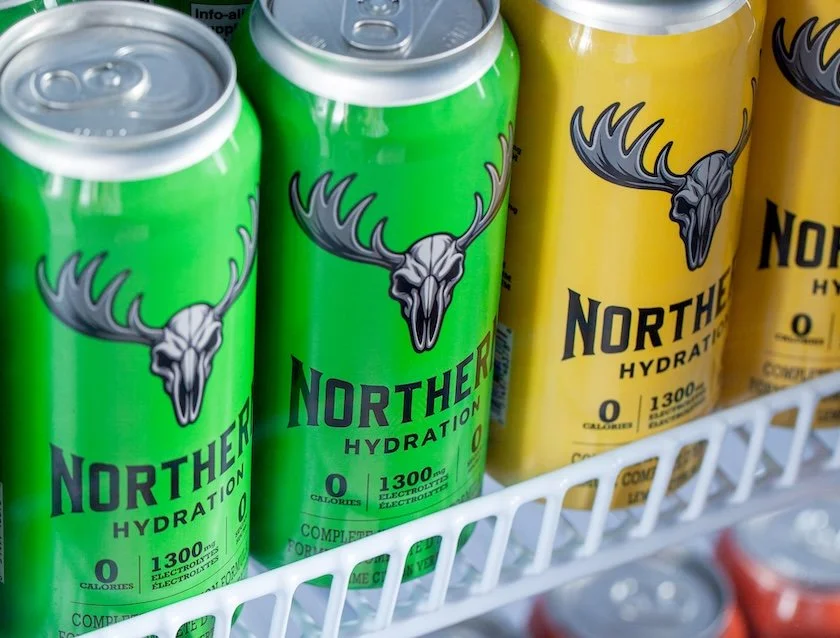
Water is a sensible starting point for shorter workouts
The National Athletic Trainers' Association's fluid-replacement guidance states that activity lasting less than an hour generally requires nothing beyond water. Longer sessions, demanding intervals or extreme conditions can create a stronger case for adding carbohydrates, electrolytes or both.
For a typical strength workout with rest between sets, a moderate Pilates class or a short walk, start with water available and drink according to thirst. Arriving normally hydrated and eating regular meals helps too.
The one-hour mark is a practical guide. Your body does not suddenly require a sports drink when the clock moves from 59 minutes to 60.
A gentle 75-minute walk on a cool morning may involve less sweating than 45 minutes of vigorous exercise in a hot room. Duration gives you a starting point; intensity and conditions help complete the picture.
What are you actually losing in sweat?
Electrolytes are minerals that carry an electrical charge in body fluids. They help with fluid balance, nerve signalling and muscle function. Sodium, potassium, chloride, calcium and magnesium all have roles.
During exercise, the main electrolyte losses in sweat are sodium and chloride. That is why sodium deserves particular attention when assessing a drink intended to replace sweat losses.
Those losses vary considerably between people.
In a study of 157 marathon runners, sodium concentrations in forearm sweat samples ranged from approximately 7 to 96 millimoles per litre. That is more than a thirteenfold difference between the lowest and highest readings.
The study used local sweat patches, which do not perfectly represent whole-body losses, and most participants were men. Even with those limitations, the finding makes a useful point: two people completing the same event may have very different sodium-replacement needs.
How much you sweat and how salty that sweat is both matter.

When an electrolyte drink may earn its place
The American College of Sports Medicine's position stand on fluid replacement recommends tailoring intake to individual losses and exercise conditions. It recognises circumstances in which drinks containing electrolytes and carbohydrates can offer benefits over water alone.
Consider a cyclist planning two or three hours outside on a humid afternoon. There is more time to accumulate sweat losses, fewer opportunities for a normal meal and a greater need to think about fuel. A sodium-containing drink may be a convenient part of that plan.
The same reasoning can apply to prolonged, very sweaty training or repeated sessions with limited recovery between them. Someone who sweats heavily during a demanding class may also benefit from a more deliberate approach, particularly in the heat.
These situations justify considering electrolytes. They do not establish that everyone needs the same packet or dose. If your workouts regularly involve large losses, a sports dietitian can help turn that pattern into an individual plan.
Read the sodium amount, not just the word “electrolytes”
Products sold under the same heading can contain very different ingredients and quantities. Check the sodium per serving, the recommended mixing volume and the carbohydrate content.
For example, a hypothetical product providing 250 milligrams of sodium in 500 millilitres of water has a concentration of 500 milligrams per litre. Put that same serving in a one-litre bottle and the concentration becomes 250 milligrams per litre. The total sodium in the bottle remains 250 milligrams.
That arithmetic illustrates why serving instructions matter. It is not a recommended dose for every workout.
A product emphasising magnesium or potassium may provide relatively little sodium. Equally, a very salty formula is not automatically a better choice for a lightly sweaty session. Look at what you need the product to supply before choosing it by the front label.
Electrolytes and workout fuel have different jobs
An electrolyte drink with no carbohydrate supplies no carbohydrate fuel. That distinction becomes relevant during longer, demanding exercise.
The joint sports-nutrition position statement from Dietitians of Canada and partner organisations describes carbohydrate intake during prolonged exercise as a strategy for supporting performance. A sports drink containing carbohydrate can therefore help with both drinking and fuelling.
For a short gym visit followed by lunch, extra workout fuel may be unnecessary. During a long ride, however, a sugar-free electrolyte drink would need to sit alongside an appropriate food or carbohydrate plan if you require fuel.
Think about a runner who starts a lengthy session after barely eating breakfast. Feeling flat later does not automatically establish an electrolyte problem. Food intake, pacing, heat and fluid losses all deserve consideration.
Choosing a drink becomes easier once you know whether you are trying to replace fluid, replace sodium, provide fuel or combine those jobs.
Learn your sweat pattern when the training calls for it
Most casual gym visits do not require weighing yourself. For longer events or repeated problems with hydration, an estimate of sweat loss can help a qualified professional personalise advice.
A review of sweat-testing methods describes using body-mass changes alongside fluid intake and urine losses to estimate sweating rate. Wet clothing, measurement errors and other changes in body mass can affect the result.
As a simplified example, imagine finishing a one-hour session 0.4 kilograms lighter after drinking 0.5 litres, with no urine passed. The estimated sweat loss would be roughly 0.9 litres for that hour.
That estimate describes those conditions. It does not measure sweat sodium or establish that you must force down exactly that volume during every future session.
An easy indoor workout and a hard summer run may produce different results. Use observations to inform a plan, while avoiding the assumption that more drinking must always improve it.

Cramps do not prove that you need more salt
A calf cramp makes an electrolyte drink sound persuasive. The research is less straightforward.
A 2026 systematic review of muscle-cramp risk factors included nine studies and 11,274 participants. A previous history of exercise-associated cramps was the most consistent predictor of future episodes. The evidence did not establish a simple, consistent relationship between cramping and dehydration or electrolyte depletion.
Many findings were supported by limited evidence, so the review cannot rule out a contribution from fluid or electrolyte losses in particular circumstances. It does show why a cramp alone is an unreliable way to diagnose a deficiency.
If cramps keep recurring, consider the wider pattern with a healthcare professional: when they happen, which muscles are involved, changes in training and your medical history. Repeatedly adding salt without understanding the problem may miss what needs attention.
Your next meal is part of rehydration
Electrolytes also come from ordinary food. You do not have to obtain everything you lose through the bottle you carry around the gym.
In a small study of post-exercise rehydration, eight volunteers exercised in warm conditions until they had lost about 2% of their body mass. Researchers compared recovery with a sports drink against recovery with a meal and a low-electrolyte drink.
Participants retained a larger proportion of the water they consumed when they had the meal and drink together. The meal supplied more sodium and potassium, among other nutrients.
This was a small laboratory experiment, not proof that every lunch outperforms every sports drink. It demonstrates that food contributes to restoring fluid balance.
After an ordinary gym session, water alongside a normal meal may meet your needs. A sandwich, rice bowl or soup can supply fluid or electrolytes along with the carbohydrates and protein that support recovery.
More fluid is not always better
Drinking beyond your needs can dilute blood sodium and contribute to exercise-associated hyponatremia. A review of this condition identifies excessive fluid intake as a central risk and explains that sodium-containing sports drinks do not prevent it when someone overdrinks.
For most healthy adults doing ordinary recreational exercise, thirst is a useful guide. Longer endurance efforts, unusually high losses or particular health circumstances may benefit from an individual plan. Avoid forcing fluids simply to finish a large bottle.
Confusion, collapse or a severe headache with vomiting during or after exercise needs urgent medical assessment, rather than an assumption that another drink will fix it.
If you have kidney or heart disease, or a prescribed fluid or sodium restriction, follow your healthcare team's guidance before adding electrolyte supplements.
Make the choice fit the session
Before your next workout, ask: how long will I be exercising, how sweaty are these conditions likely to be, and when will I next eat?
For a shorter visit to VIMALIFE, a filled water bottle and your usual meals will often cover the basics. For a long, hot outing or a demanding day with repeated sessions, plan fluid, sodium and fuel more deliberately.
An electrolyte drink can be useful when it answers a specific need. Plenty of productive workouts begin with plain water.