
Creatine for Women: What It Does, Why It Matters and What the Research Really Says
Creatine had an image problem for quite a while, it lived in the bodybuilding aisle, packaged in enormous black containers and marketed with photographs of men whose shoulders appeared to have their own postal codes. If you were a woman interested in feeling stronger, moving well or maintaining muscle as you aged, there was little about creatine’s presentation that suggested it belonged anywhere near your routine.
Now the pendulum has swung in the opposite direction.
Creatine is suddenly everywhere. It is stirred into morning coffee, added to smoothies and discussed on TikTok as though it might improve everything from your squat to your memory. Women are being told that creatine can build muscle, protect their bones, sharpen their minds, improve their mood and make menopause easier.
Some of that enthusiasm is supported by research. Some of it runs ahead of what scientists can confidently say.
Creatine is neither a men’s-only bodybuilding supplement nor a miracle powder for every aspect of women’s health. It is something more interesting: a relatively simple compound with a well-established role in energy production, strong evidence in certain areas and promising, but still developing, research in others.
So, what does creatine actually do for women, and is it worth taking?
Creatine Is Already in Your Body
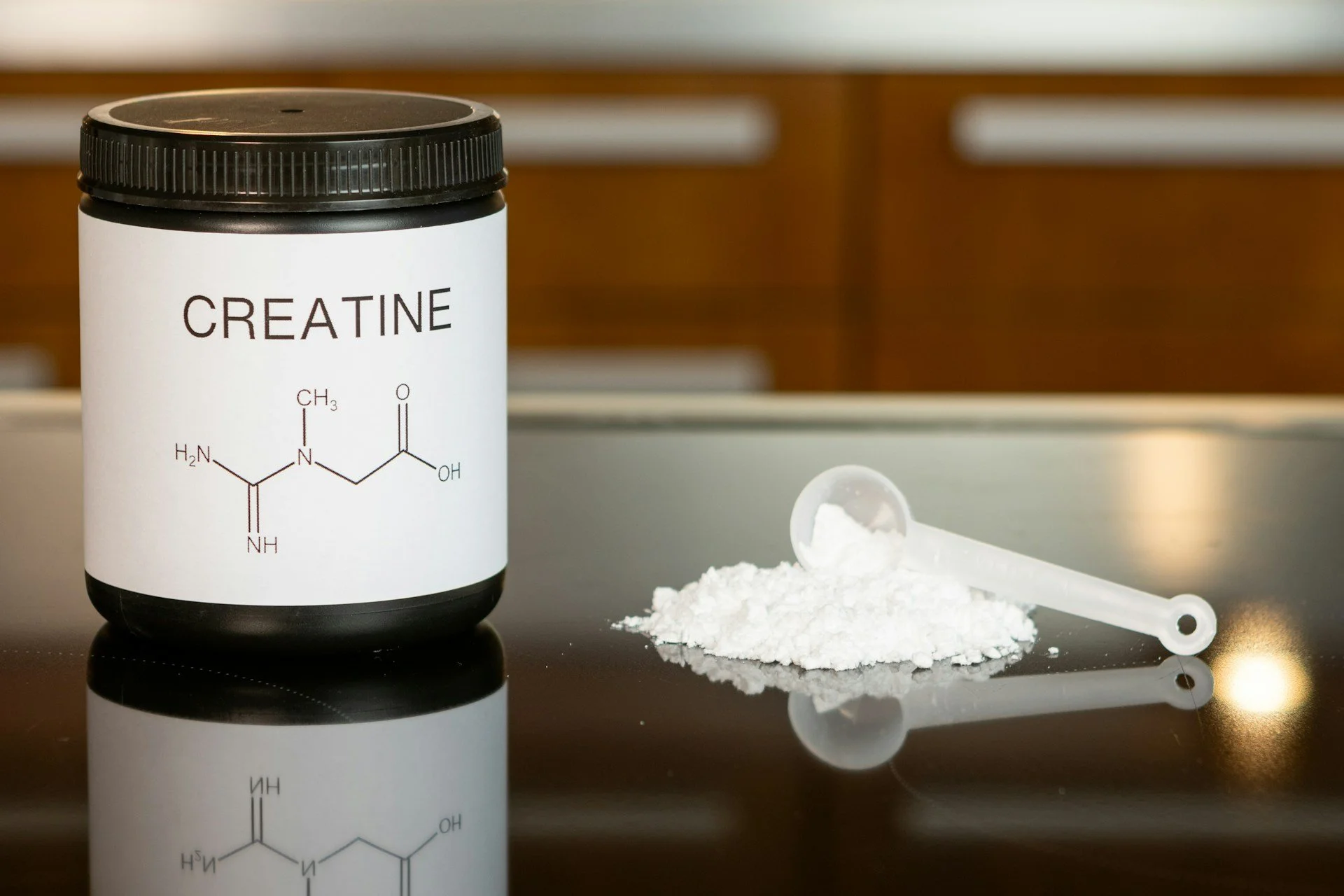
Creatine is not a steroid, hormone or artificial stimulant. It is a naturally occurring compound that your body makes using three amino acids: arginine, glycine and methionine.
The liver, kidneys and pancreas help produce it. We also consume smaller amounts through food, particularly red meat and seafood. Once creatine enters the body, most of it is stored in skeletal muscle, with smaller amounts found in the brain and other tissues.
Its primary job is to help cells manage energy.
Every movement you make relies on adenosine triphosphate, better known as ATP. ATP is often described as the body’s energy currency because cells use it to power nearly everything they do. During intense exercise, however, the muscles’ immediate supply of ATP is used very quickly.
That is where stored creatine becomes useful.
Creatine helps the body regenerate ATP during short, demanding bursts of activity. Think of the final repetitions of a heavy set, a sprint up a hill, a challenging interval on the SkiErg or several rounds of a strength circuit. These are moments when the body needs energy quickly, not gradually.
The Cleveland Clinic’s medical overview of creatine describes it as a natural energy source that helps create a steady supply of energy for working muscles. Supplementing with creatine can increase the amount stored in those muscles, giving the body a slightly larger reserve to draw from during demanding activity.
This does not mean creatine gives you the jittery rush of a pre-workout drink. Most people do not “feel” it switch on. Its effect is quieter than that.
Perhaps you complete one more controlled repetition. Perhaps your power drops off a little less between sets. Perhaps you tolerate slightly more training volume over time.
One extra repetition does not sound revolutionary. But training adaptations are built from small efforts repeated consistently. Over several months, a modest improvement in the quality of your training can become meaningful.
Why Creatine Is Having a Moment
The increased interest in creatine is part of a much larger shift in women’s fitness. For decades, women were encouraged to become smaller. Fitness programs emphasized calorie burning, light weights and endless cardio. Muscle was treated as something to avoid unless it appeared in very specific places and in very specific amounts.
That conversation is changing.
Women are increasingly training to become stronger, preserve muscle, support their bones and remain physically capable throughout their lives. Strength is no longer being framed only as a visual goal. It affects balance, movement, metabolic health and the ability to continue doing ordinary things independently as we age. At the same time, researchers are paying more attention to the enormous gaps in female-specific exercise and nutrition research.
A widely cited scientific review on creatine supplementation across the female lifespan examined its possible relevance during menstruation, pregnancy, postpartum life, menopause and aging. The authors noted that differences in hormones, diet and natural creatine stores may influence how women respond to supplementation.
A newer review on creatine in women’s health also described it as a promising strategy for supporting several aspects of health across the lifespan.
The key word is promising.
Creatine has been researched extensively, but women have historically been underrepresented in sports-science studies. In 2025, a systematic review examined 27 studies involving active women and found that the results for exercise performance were still inconsistent. The researchers concluded that better-designed, female-specific studies are needed.
That does not mean creatine is ineffective for women. It means that the certainty surrounding some online claims is not always matched by the certainty of the evidence.
What Creatine May Actually Do for Women
The strongest case for creatine begins with strength and high-intensity exercise.
When creatine increases the amount of phosphocreatine stored in muscle, it can improve the body’s ability to regenerate energy during repeated intense efforts. This is especially relevant for resistance training, sprinting, circuit training and other activities that ask the muscles to produce substantial force in short periods.
A woman who lifts weights consistently may find that creatine helps her maintain performance across several sets or gradually complete more training volume. Over time, that can contribute to better strength and muscle development. The relationship is important: creatine supports the training; it does not replace the training.
Taking creatine while doing very little resistance exercise is unlikely to produce the same result as pairing it with a thoughtful, progressive program. The supplement does not independently teach proper technique, create consistency or provide the stimulus muscles need to grow.
The foundation remains surprisingly unglamorous: strength training, sufficient nutrition, appropriate recovery and time.
For women who want more structure, the strength floor, group classes and personal training at VIMALIFE can help turn broad goals such as “getting stronger” into a program that can actually be followed and measured.
Creatine may give that program a modest advantage. It cannot become the program.
Will Creatine Make Women Bulky?
This is one of the most common questions about creatine for women, and it reveals how persistent older fitness messages can be.
Creatine cannot suddenly make someone bulky.
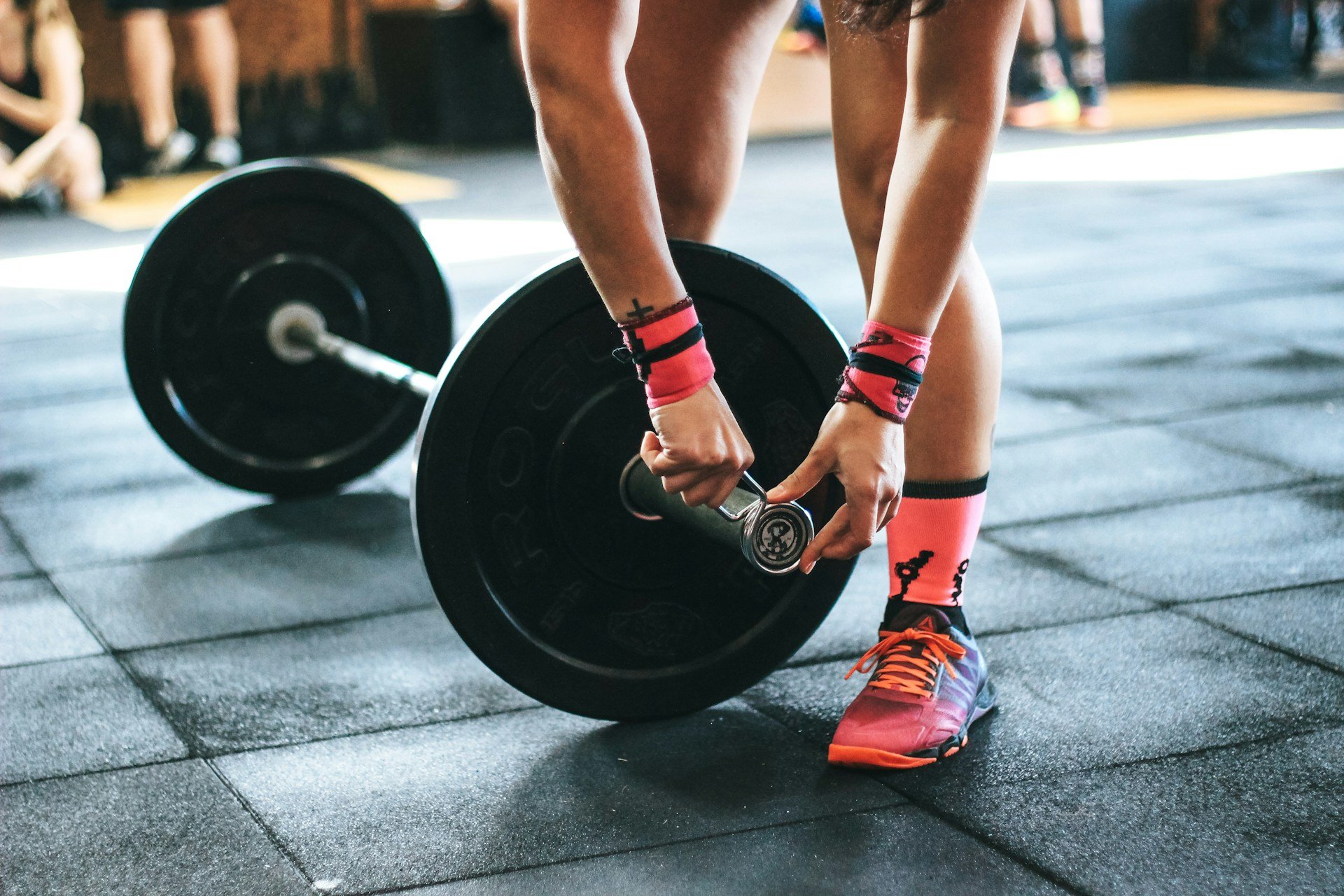
Building a visibly large amount of muscle requires progressive resistance training, sufficient nutrition, favourable genetics and considerable time. No supplement can quietly bypass that process while you are not paying attention.
Creatine may help a woman train more effectively and develop somewhat more lean mass over time than she would through training alone. For most women, that is more likely to appear as greater strength, fuller muscles or improved definition, not an overnight transformation into a competitive bodybuilder.
The fear of becoming “too muscular” has kept many women away from the very type of training that can become increasingly valuable with age. Muscle supports much more than appearance. It helps us lift, carry, climb, stabilize, recover and remain independent.
Creatine, Weight Gain and the Scale
It is possible to gain some weight after beginning creatine, especially during the first several weeks.
That sentence tends to create unnecessary alarm because body weight is often treated as though it can only represent body fat. It cannot.
Creatine draws additional water into muscle cells. As muscle creatine stores increase, intracellular water may increase with them. Some people therefore notice a small rise on the scale or that their muscles look slightly fuller.
This is not the same as gaining fat. The response varies. Some people notice almost nothing, while others see a more obvious change. A high-dose loading phase is more likely to cause a rapid increase than beginning with a smaller daily amount. Creatine can also cause digestive discomfort in some people, particularly when a large serving is taken at once or does not dissolve well. Beginning with a moderate amount and taking it with food may be more comfortable.
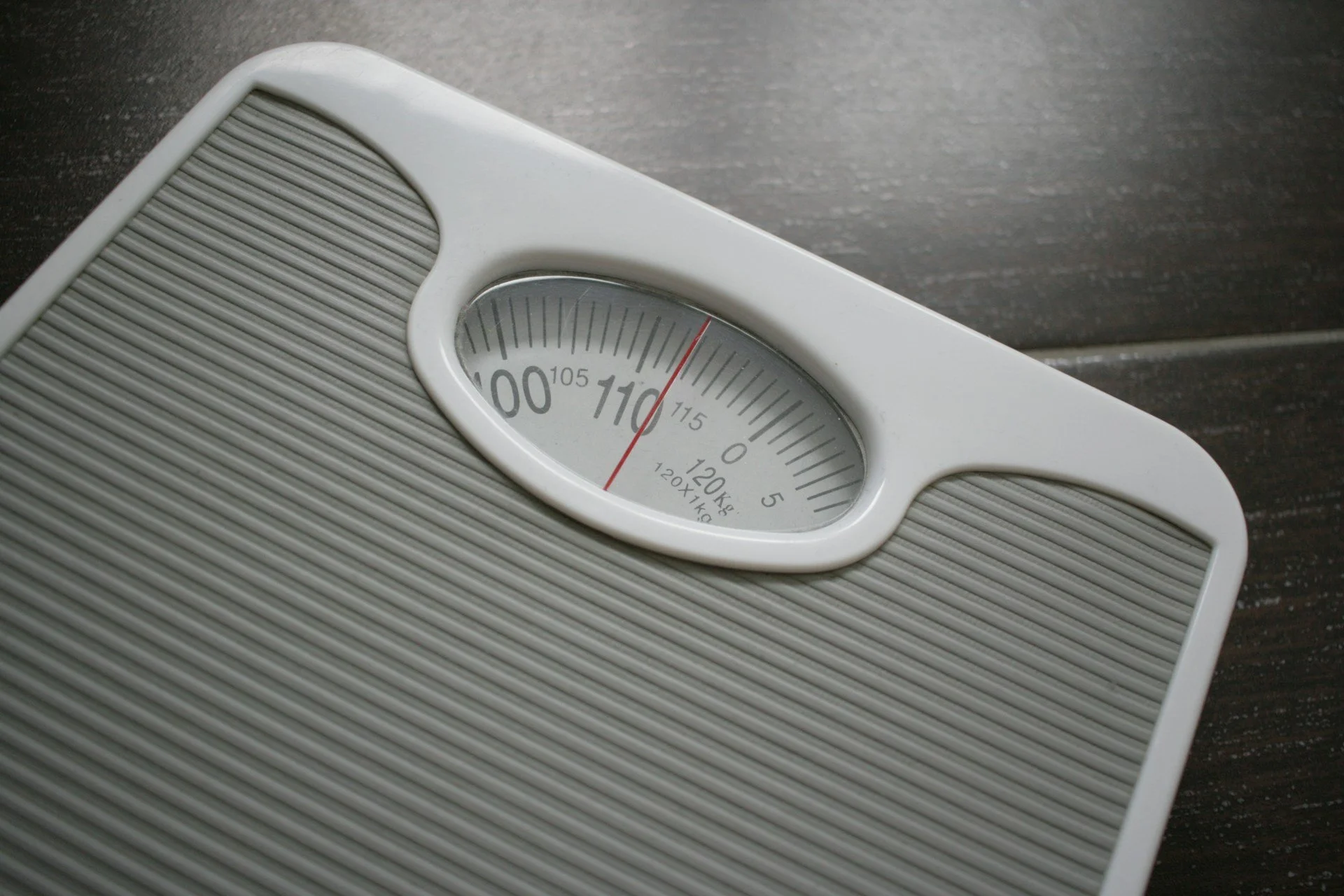
If the scale changes after starting creatine, it is worth remembering that a scale cannot distinguish among water, muscle, fat, food, inflammation or normal hormonal fluctuations. A single number is rarely a complete account of what is happening inside a body.
The Conversation About Women, Aging and Menopause
Creatine has become especially popular among women in their forties, fifties and beyond. There is a logical reason for the interest. Muscle mass and strength tend to decline with age, while hormonal changes during and after menopause can further influence muscle and bone health. Maintaining strength becomes increasingly important for balance, mobility and long-term independence.
Researchers are studying whether creatine can help support these outcomes, particularly when combined with resistance training. A 2025 study involving peri- and postmenopausal women reported improvements in certain measures of lower-body strength, adding to a growing but still developing body of evidence.
The nuance matters here, creatine should not be described as a treatment for menopause, nor should women be promised that a supplement will prevent every age-related change. It may support training and muscle function, but it belongs within a much broader picture that includes resistance exercise, protein intake, sleep, bone-health care and medical guidance when needed.
If there is one habit with the strongest practical relevance, it is not simply taking creatine. It is continuing to challenge the muscles.
VIMALIFE explored this broader subject in our guide to women’s wellness, strength, recovery and long-term health.
Could Creatine Support the Brain Too?
The brain uses a remarkable amount of energy, which is why researchers have become interested in creatine beyond the gym.
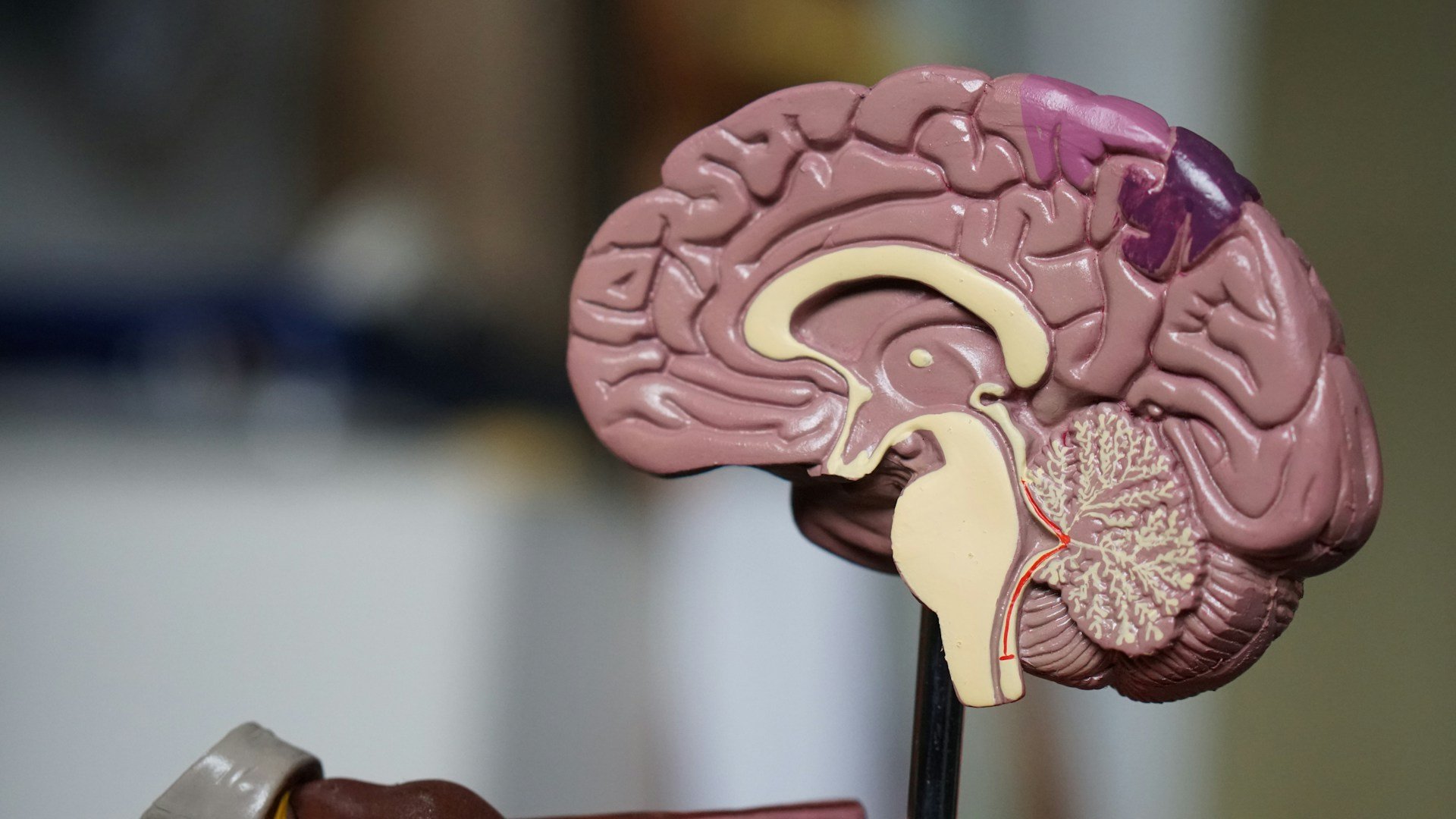
A 2024 systematic review and meta-analysis examining creatine and cognitive function in adults found possible benefits in certain areas, including memory. However, the effects were not equally strong across every cognitive measure or every population.
There is also intriguing research involving sleep deprivation. In one controlled study, a high dose of creatine reduced some of the cognitive decline associated with inadequate sleep. This does not mean your scoop of creatine can replace eight hours in bed. The dose used was also considerably higher than an ordinary daily fitness dose.
The brain-health research is interesting, especially for older adults, vegetarians and people experiencing significant mental fatigue. But it is less settled than the evidence supporting creatine for repeated high-intensity exercise.
In other words, creatine may have a future beyond the weight room. We should simply resist turning early evidence into an extravagant promise.
Vegetarians and Vegans May Respond Differently
Because meat and seafood are the main dietary sources of creatine, people who eat little or no animal food may begin with lower dietary creatine intake.
The body still produces creatine on its own, so a vegetarian or vegan diet should not be described as inherently deficient. However, some studies suggest that people with lower starting stores may experience a more noticeable increase after supplementation.
Most creatine monohydrate powders are synthetically produced and do not come directly from animal tissue. Anyone following a vegan diet should still check the product label, flavouring ingredients and capsule materials.
Is Creatine Safe for Women?
For most healthy adults, creatine monohydrate is generally considered safe when used in appropriate amounts.
Kidney health is often the greatest concern. This is partly because taking creatine can cause a small increase in serum creatinine, a marker commonly included in blood tests used to evaluate kidney function.
The names sound similar because they are related, but an increase in creatinine does not automatically mean the kidneys have been damaged.
A 2025 systematic review and meta-analysis on creatine and kidney function found a small increase in serum creatinine but no significant adverse change in glomerular filtration rate. The findings support an important distinction: creatine supplementation may affect a laboratory marker without reducing actual kidney filtration in healthy people.
Anyone taking creatine should mention it before having bloodwork so that a healthcare provider can interpret the results properly.
There are also situations where broad reassurance is not enough. Speak with a physician, pharmacist or registered dietitian before using creatine if you have kidney or liver disease, take medication that affects kidney function, are pregnant or breastfeeding, are under 18 or manage a condition involving fluid or electrolyte balance.
Pregnant and breastfeeding women are sometimes included in enthusiastic conversations about creatine’s future applications, but there is not yet enough high-quality human safety evidence to recommend routine supplementation in these populations without medical supervision.
Does Creatine Cause Hair Loss?
The idea that creatine causes hair loss has travelled much farther than the evidence supporting it. The concern can largely be traced to a small 2009 study involving male rugby players. The researchers reported an increase in dihydrotestosterone, or DHT, after creatine supplementation. DHT can play a role in genetic hair loss, but the study did not measure hair loss itself.
Its findings did not establish that creatine makes hair fall out, and subsequent research has not demonstrated a reliable cause-and-effect relationship.
Based on the evidence available today, it is not accurate to state that creatine causes hair loss in women or men. Anyone experiencing unexplained hair loss should speak with a healthcare professional because nutrition, stress, hormones, genetics, illness and medication can all play a role.
The Best Creatine for Women Is Usually the Simplest One
The supplement industry has a talent for making straightforward products appear needlessly complicated.
There are creatine blends, creatine gummies, buffered creatine, creatine hydrochloride and products designed specifically for women. Some are presented in pastel packaging with promises about “lean tone” or “feminine strength.”
Women do not require a special female version of creatine.
Creatine monohydrate is the most extensively researched form and is typically the most economical. More expensive variations have not consistently been shown to produce better results.
A straightforward product should list creatine monohydrate as its primary, or only, ingredient and clearly identify the amount in each serving. In Canada, look for a Natural Product Number, or NPN, showing that Health Canada has authorized the product for sale.
Third-party testing is also valuable, particularly for competitive athletes who need to reduce the risk of accidental exposure to banned or undeclared ingredients.
How Much Creatine Should a Woman Take?
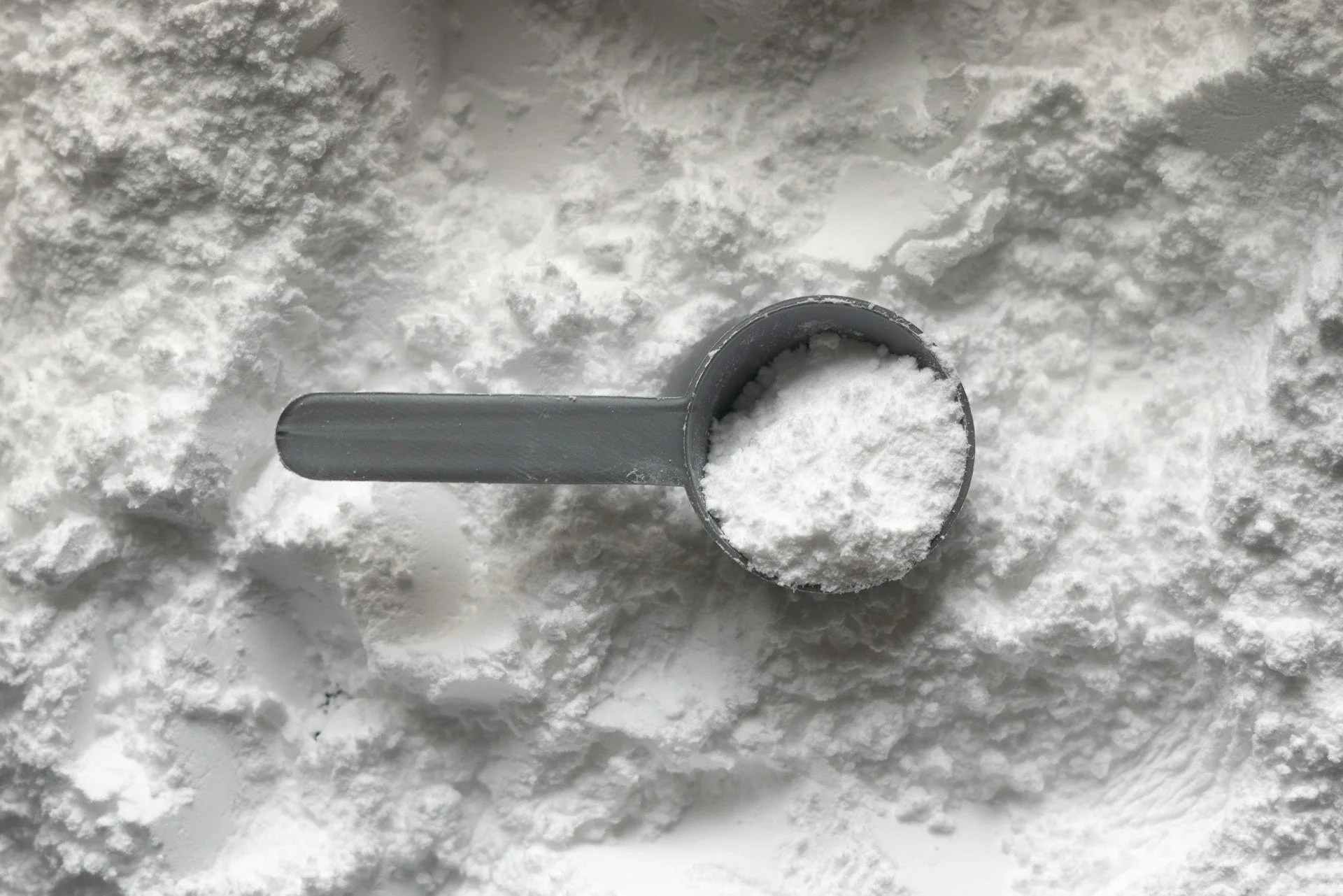
A commonly used creatine dosage for women and other healthy adults is 3 to 5 grams of creatine monohydrate per day.
Women do not necessarily need a different dose simply because they are women. Individual needs can still vary with body size, health, diet and training demands, which is why personalized advice may be appropriate.
Some protocols begin with a loading phase of approximately 20 grams per day, divided into four smaller servings, for five to seven days. The goal is to saturate muscle creatine stores more quickly before switching to a smaller maintenance dose.
Loading is optional.
Taking 3 to 5 grams daily can lead to the same general increase in muscle creatine stores more gradually, often over three or four weeks. Skipping the loading phase may also reduce the likelihood of digestive discomfort or a sudden increase in water weight. There is no universally perfect time to take creatine. Before training, after training and with a meal can all work. Consistency matters more than finding a magical 30-minute window.
Creatine should generally be taken on rest days too. It works by maintaining increased muscle stores over time, not by producing an immediate surge of energy each time you swallow it.
Mix it into water, a smoothie, a protein shake, yogurt or another food you already consume regularly. The best routine is usually the one simple enough to remember.
Should Beginners Take Creatine?
A healthy adult can be new to strength training and still consider creatine, but beginners do not need to purchase supplements before they learn how to train.
The first months of a well-designed program often produce meaningful improvements without complicated strategies. Learning proper technique, gradually increasing resistance, eating enough protein and returning consistently will matter far more than any powder.
A better question than “Should beginners take creatine?” may be: “Have I built a routine that creatine can support?”
At VIMALIFE, a boutique fitness and wellness club in Leslieville, members can train independently, work with a personal trainer or participate in more than 200 monthly classes across strength, conditioning, Pilates, barre, yoga and recovery-focused movement. The goal is not to chase every new wellness trend. It is to build a routine that makes sense for your body and can survive real life.
So, Is Creatine Worth It for Women?
For a healthy woman who strength trains consistently, creatine monohydrate may be worth considering.
It is relatively affordable, widely studied and supported by a plausible, well-understood mechanism. Its clearest value is in helping the body produce energy during repeated high-intensity efforts, which may support strength and muscle development over time.
Women who eat little or no meat or seafood may also find it relevant. Women approaching midlife may be interested in its possible role alongside strength training as part of a long-term muscle-health strategy.
What creatine cannot do is compensate for a program that does not exist.
It cannot replace resistance training, adequate nutrition or sleep. It cannot guarantee muscle growth, cure fatigue or solve every challenge associated with aging and menopause. And despite what a 20-second video may suggest, it does not transform the body or brain overnight.
Creatine is best understood not as a shortcut, but as support.
That may be less dramatic than the claims surrounding it online. It is also a much more useful place to begin.
Frequently Asked Questions About Creatine for Women
What does creatine do for women?
Creatine helps the body regenerate energy during repeated high-intensity activity. When combined with resistance training, it may support strength, exercise performance and lean muscle development.
Is creatine safe for women to take every day?
Creatine monohydrate is generally considered safe for healthy adults when used in appropriate amounts. Anyone with kidney disease, relevant medical conditions or medication concerns should speak with a healthcare professional first. Medical guidance is also important during pregnancy and breastfeeding.
How much creatine should a woman take per day?
A common daily dose is 3 to 5 grams of creatine monohydrate. A high-dose loading phase is optional and is not required for creatine to work.
Does creatine cause weight gain in women?
Creatine may cause a small increase in scale weight because it increases water stored inside muscle cells. This is not the same as gaining body fat.
Does creatine make women bulky?
No. Creatine may support gradual strength and muscle gains when combined with resistance training, but it cannot create large muscles without the training, nutrition, genetics and time required to build them.
What is the best type of creatine for women?
Creatine monohydrate has the strongest research support. Women generally do not need a gender-specific formula or a more expensive type of creatine.
Should women take creatine before or after a workout?
Either can work. Daily consistency is more important than taking creatine at one exact time.
Do women need to take creatine on rest days?
Creatine is generally taken every day, including rest days, to maintain increased creatine stores in the muscles.
Can women over 40 take creatine?
Healthy women over 40 may consider creatine as a supplement to resistance training, particularly when strength and muscle preservation are priorities. Individual health conditions and medications should be discussed with a qualified healthcare professional.
*This article is for educational purposes and does not provide medical or individualized nutrition advice.