
Do Workouts Raise Cortisol? The Truth About “Cortisol-Friendly” Exercise
Sometimes the best part of a workout is the walk home. You’re tired in a good way. The email that annoyed you an hour ago feels less urgent, and you’re glad you came even though you nearly talked yourself out of it. If you’ve had that feeling, you know why a workout can be about much more than getting stronger.
We usually credit endorphins for that lift. Exercise can release endorphins, which help reduce pain, although they aren’t the whole explanation. Research on the runner’s high also points to endocannabinoids, chemicals your body makes that may help explain the feeling of calm and well-being after a run.
That is what makes the warnings about cortisol so confusing. You’ve just done something that helped you feel better, and now you’re being told it might be stressing your body out. Should you really be swapping a workout you enjoy for something described as “cortisol-friendly”?
A workout can lift your mood while also temporarily raising cortisol. That hormone helps your body respond to physical effort, and a rise during a challenging session does not, by itself, make the session unhealthy. Feeling less mentally stressed and asking more of your muscles can happen at the same time.

The hormone has a life outside the gym
On a quiet morning, when you’ve slept well and there’s no rush to get out the door, your body is still producing cortisol. It has everyday work to do. Made by the adrenal glands, it helps regulate blood sugar, metabolism and inflammation. Those jobs carry on whether you’re answering emails, walking the dog or heading to the gym. When you pick up a weight or head uphill, your muscles need more energy. Cortisol helps make that energy available. Calling it the “stress hormone” can make this sound alarming, especially when you associate stress with feeling anxious or overwhelmed. In this setting, your body is responding to the effort you’ve asked it to make.
It has a daily rhythm, too. Levels are generally higher around waking and lower towards the evening. If you compare a morning result with an evening one, you may be seeing part of that normal rhythm. That’s one reason doctors pay attention to when and how cortisol is measured. A number needs the circumstances around it to mean very much.
This is where the casual phrase “my cortisol is high” can get confusing. Sometimes it means “I feel completely overwhelmed.” Sometimes it refers to a test result or a diagnosed condition. If your week has left you drained, that deserves attention; you don’t need a hormone test to justify taking care of yourself. But how you feel, including that lift after a great workout, can’t tell you your cortisol level.
When you’re choosing how to train, start with the things you can notice: how you’re sleeping, how much energy you have and how you recover between sessions. Those observations can help you adjust your training far more usefully than trying to get through every workout without any rise in cortisol.
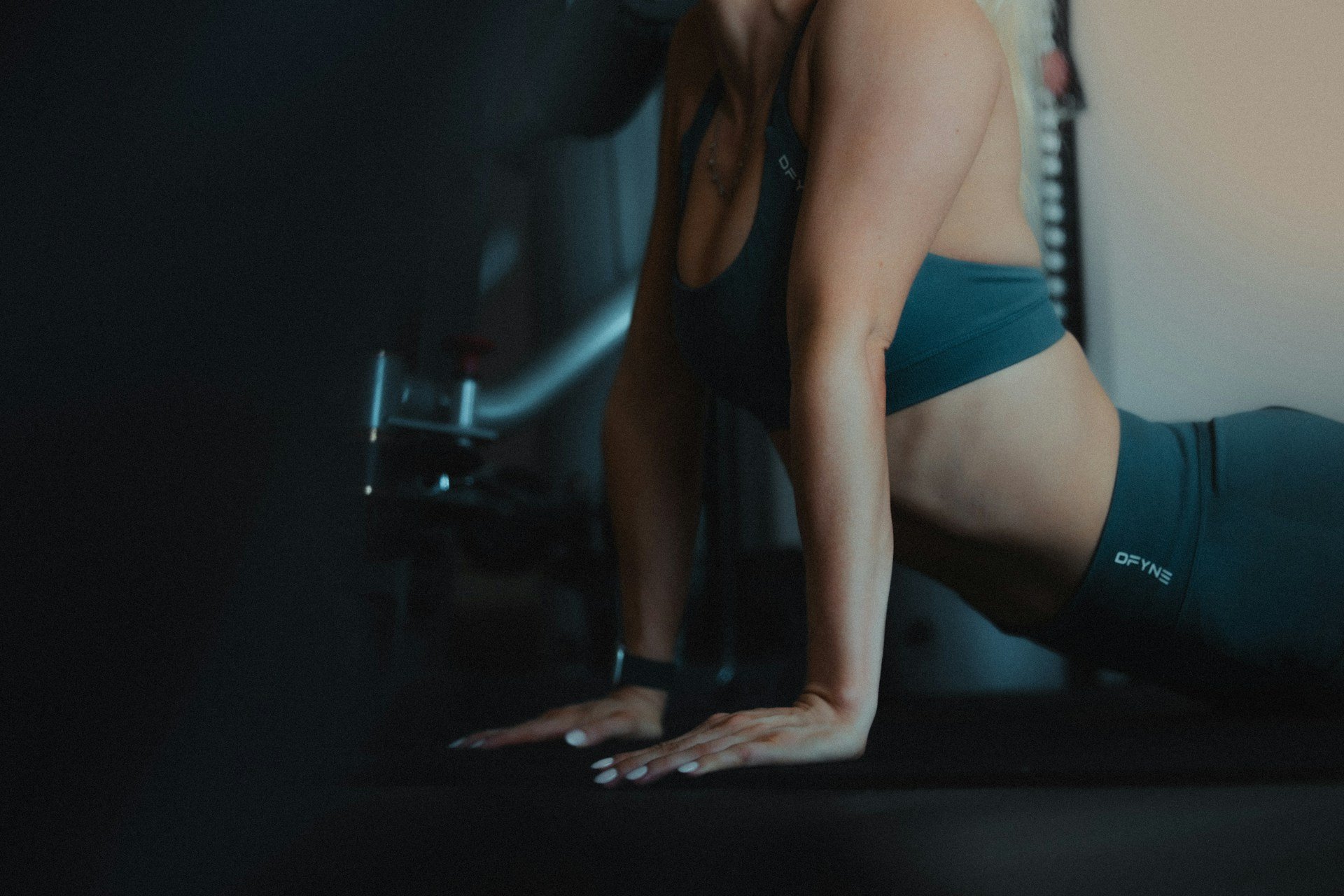
What a hard workout asks of the body
Some workouts give you time to catch your breath, sip some water and feel ready for the next set. In others, you’re still recovering from the squats when it’s time for lunges, then jumps. Both might be called “leg day,” but the amount of work and the rest between efforts can be quite different. How hard that feels is personal, too. A pace that feels comfortable to your running partner might leave you counting the seconds until the next break.
That relationship between effort and cortisol shows up in the research. In a 2008 study of 12 active men, participants exercised for 30 minutes at different intensities. Cortisol rose more during the harder sessions. Because the study measured hormone changes in a small group, it couldn’t establish a universal limit for healthy exercise. A rise on a lab report doesn’t automatically mean you’ve pushed too far.
Time matters as well. A review of hormonal responses to exercise explains that longer sessions can raise cortisol even at lower intensities. With weights, the load and the total amount of work also influence the response. This is why knowing someone did “cardio” or “strength” tells you only so much about what their session involved.
If HIIT is the workout you’re worried about, it helps to look beyond the moment the class ends. A 2021 systematic review and meta-analysis examined cortisol after a single HIIT session, combining 10 controlled studies with a larger collection of studies that measured changes before and after exercise.
On average, cortisol was higher immediately afterwards and at 30 and 60 minutes. In the before-and-after data, levels were below their starting point at two and three hours, and back around that starting point at 24 hours.
That doesn’t mean your own cortisol will follow the same timetable. The studies involved different workouts and participants, and the later measurements came from less controlled data. What they show is that the response continued to change during recovery. Stopping at “HIIT raises cortisol” leaves that part out.
When you’re looking at a class, ask how long the working intervals last, how much rest you’ll get and whether you can adjust the pace or resistance. Those are details you can use to decide whether it fits the kind of workout you want that day.
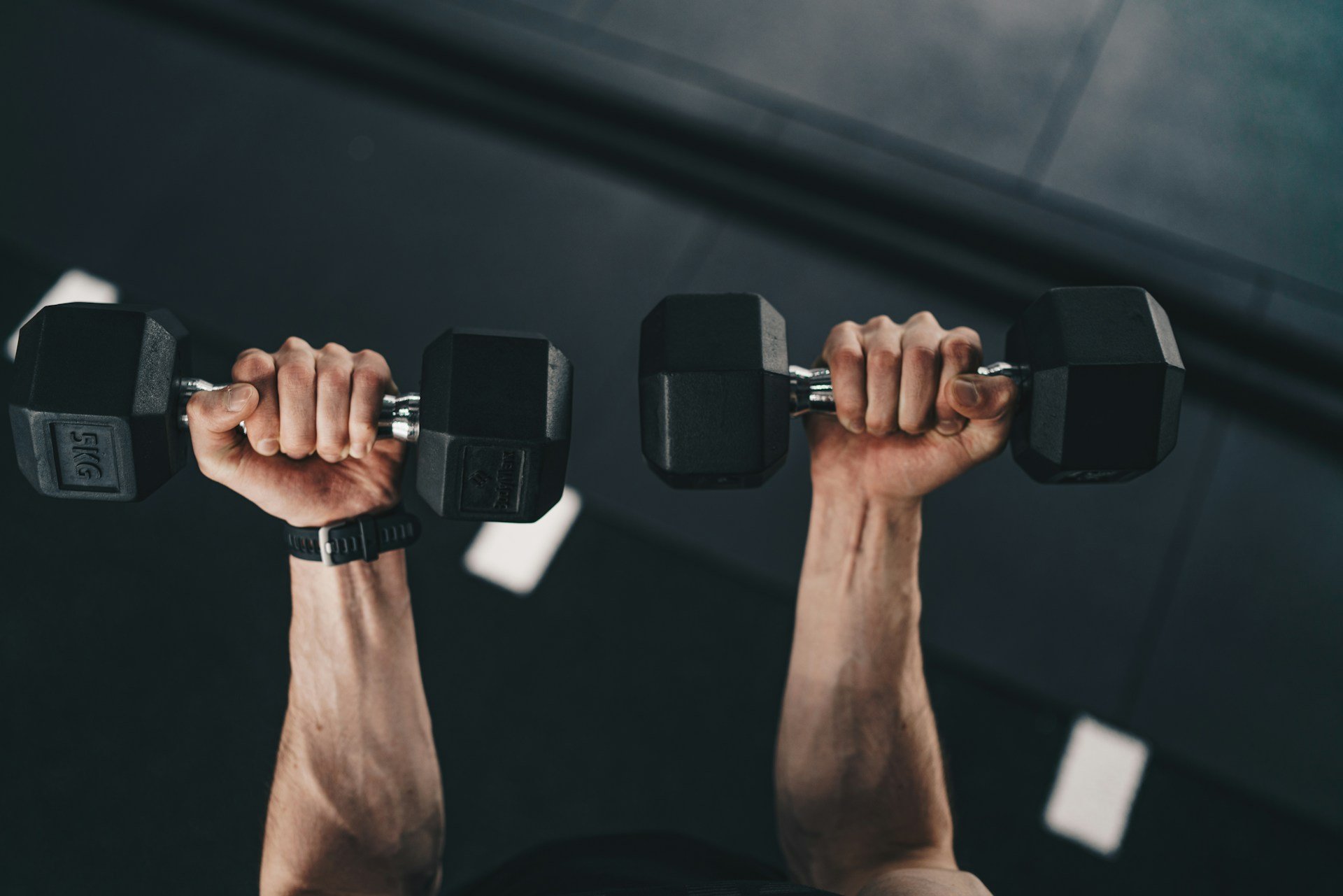
Follow the story beyond the workout
One revealing experiment began with a treadmill and continued after the running had stopped. In a 2021 University of British Columbia trial, 83 healthy young men completed 30 minutes of treadmill exercise at different intensities. Forty-five minutes later, they faced a stressful laboratory task. The vigorous-exercise group had a smaller cortisol response to that later stressor than the groups exercising less intensely.
A session could stimulate a hormonal response during physical effort and be followed by a reduced response to a psychological challenge. That is a useful complication for anyone trying to divide exercise into hormonally good and bad categories. It is also a limited finding. A short laboratory experiment in young men cannot establish the ideal programme for a woman managing interrupted sleep, an older adult returning to exercise or someone living with a medical condition. It shows that looking beyond the immediate response can change the interpretation.
Strength research offers another reason to be cautious about judging a workout by its hormones. In a 12-week study of 56 young men, researchers compared exercise-induced hormone responses with changes in muscle size and strength over the programme.
Larger cortisol responses were weakly associated with greater gains in lean body mass and certain muscle-fibre measurements. They were not associated with strength gains. This does not mean deliberately raising cortisol builds muscle: the study identified correlations, which cannot establish that the hormone caused the changes.
It does make the idea that an ordinary cortisol rise automatically cancels muscle growth difficult to defend. The relationship between an immediate blood measurement and months of training is considerably more complicated than that.
There is research on longer exercise programmes too. A 2022 systematic review of 10 studies found small average reductions in cortisol and improvements in sleep following physical activity interventions. Most participants were women with breast cancer, and no older adults were included. The results are encouraging within those limits; they cannot establish a universal prescription for lowering cortisol.
Across these studies, the measurements answer different questions. A response after one workout, a reaction to a later stressful task and a change after weeks of activity are separate outcomes. Combining them into a single claim that an exercise “balances hormones” removes information a reader needs.
That is worth remembering when a study is used to recommend a particular workout for every woman or everyone over a certain age. Look at who actually participated and what the researchers measured. Specific advice needs evidence that is specific enough to support it.

Why the belly-fat claim needs better evidence
The phrase “cortisol belly” makes a complicated subject sound instantly recognisable. It also makes it tempting to diagnose a hormone problem from the shape of a body.
Long-term pathological cortisol excess, as occurs in Cushing's syndrome, can alter fat distribution and cause other health problems. That is a different clinical situation from a temporary rise during exercise. The appearance of abdominal fat does not establish that your workouts have caused an endocrine disorder.
To understand what an exercise programme tends to do to body composition, studies that measure body composition are more informative than a hormone result alone.
A meta-analysis of 13 trials compared HIIT with moderate continuous training in adults with overweight or obesity. Both approaches reduced body fat and waist circumference on average. Neither was clearly superior across the body-composition measures assessed.
Those results do not guarantee that a particular person will lose weight, and the interventions were relatively short. They do challenge the claim that HIIT inevitably promotes abdominal fat storage because it raises cortisol.
There is a practical consequence here. If a demanding programme leaves you exhausted, it may deserve adjustment even if a study reports favourable average results. Your experience is part of the decision. But “this workload is not working well for me” is a more accurate starting point than assuming you have identified the hormone responsible.
The distinction leaves more options open. You can change the frequency, duration or effort of training, discuss recovery with a coach, or seek medical advice when symptoms warrant it. You do not have to abandon an entire category of exercise on the strength of an explanation that has not been established.
The appeal of a quieter class
Yoga has evidence behind its use for stress, though the details deserve attention. A 2024 systematic review included 13 randomized trials involving 1,026 stressed adults, with nine trials contributing to the meta-analysis. It found short-term improvements in perceived stress compared with passive controls, such as a waiting list, but rated that evidence as low quality.
The smaller set of comparisons with active interventions did not establish yoga as the superior option. Physiological findings were too varied and limited for the researchers to pool. The review supports yoga as an option for stress management, while leaving considerable uncertainty about its specific hormonal effects. That qualification preserves what is useful about the research. Feeling less stressed is a meaningful outcome. It does not require proof that cortisol fell after every class.
“Yoga” also covers a wide range of experiences. The National Center for Complementary and Integrative Health notes that styles range from gentle to physically demanding. A supported restorative session and a vigorous flow should not be expected to ask the same things of you.
The distinction extends to Pilates. A gentle introductory session and a challenging sculpt class may both involve a mat and controlled movements, yet differ substantially in effort. Low impact can still involve demanding muscular work. If you want a lighter day, ask about the actual pace and structure. It is reasonable to tell an instructor that you want to move but have little appetite for a hard session. You can ask where to reduce the resistance, take more rest or choose a simpler variation. These are ordinary ways to participate, with no need to predict what will happen in a blood or saliva sample.
The same person can enjoy a demanding strength class one day and choose a quieter session another. A preference can change with circumstances without becoming a permanent statement about what their body can tolerate.
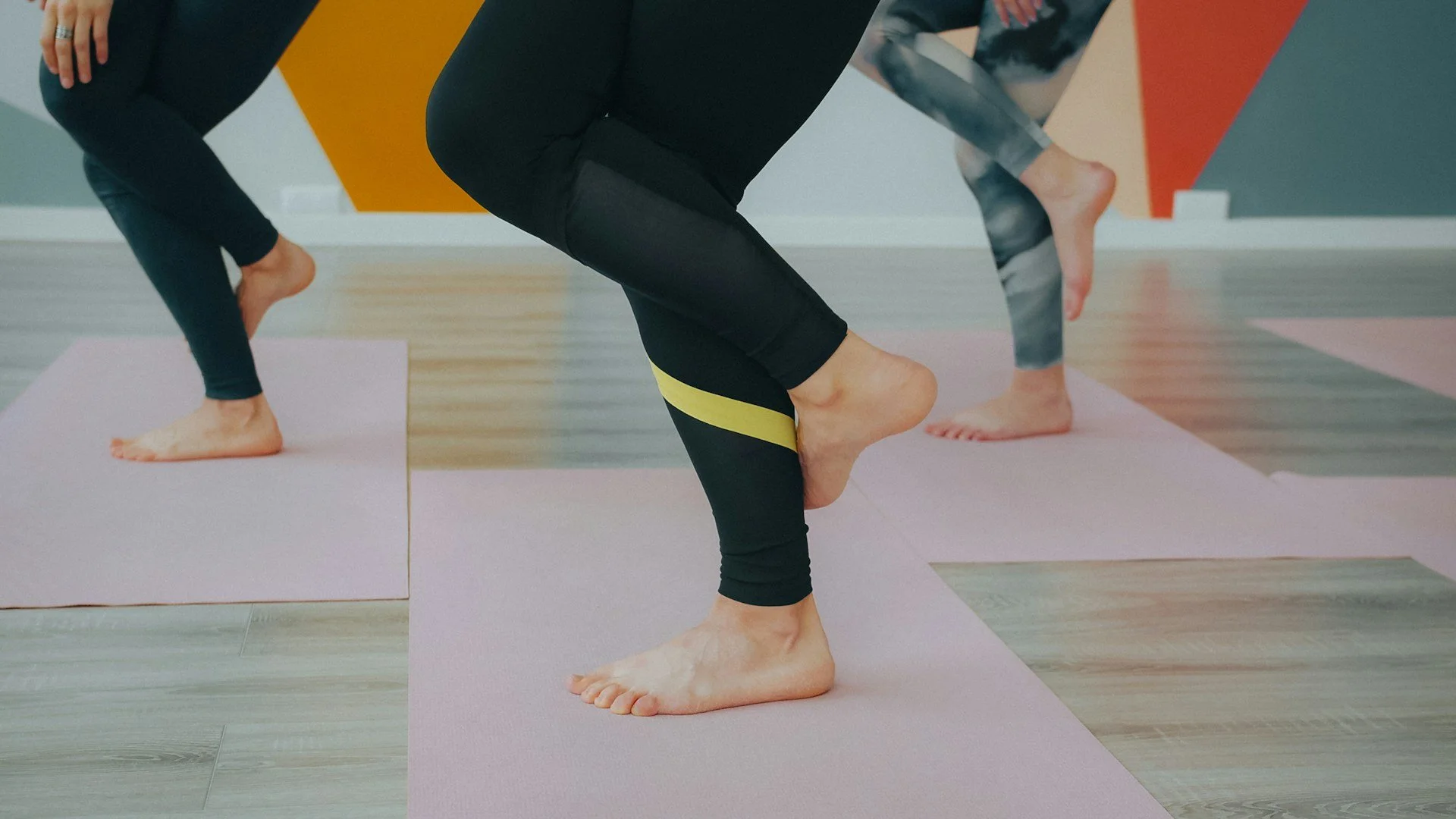
Recovery is where the advice gets personal
The joint European College of Sport Science and American College of Sports Medicine consensus on overtraining describes the consequences of excessive overload combined with inadequate recovery. It also explains why no single hormonal marker is accepted as a reliable diagnostic test for overtraining syndrome. For an ordinary training week, look for a pattern that persists. Familiar sessions feel harder. Performance slips while fatigue lingers. Your usual recovery between workouts becomes less convincing. One difficult day is less informative than a change that keeps repeating.
The consensus also stresses the need to consider other explanations, including illness and inadequate energy or nutrient intake. Someone who has increased their training while eating less and sleeping poorly has several relevant circumstances to review. Giving the situation a cortisol label can obscure them. Sleep is especially useful to pay attention to because it is something you can discuss concretely. Consider whether your training leaves you enough time to wind down and whether your hardest evening sessions repeatedly coincide with worse nights.
A systematic review of 23 studies on evening exercise, published online in 2018, found that evening workouts generally did not worsen sleep in healthy adults. Vigorous exercise ending within about an hour of bedtime was a possible exception. A much larger 2025 observational study in Nature Communications examined more than four million nights of wearable data from 14,689 physically active people. Later exercise and greater exercise strain were associated with later sleep onset, shorter sleep and poorer sleep quality. Sessions ending at least four hours before sleep were not associated with those changes.
The size of the dataset is useful, but it cannot turn an association into proof of causation. Wearable estimates also differ from laboratory sleep measurements. The study suggests paying attention to the combination of timing and workload; it does not establish that everyone needs an exact four-hour cutoff or that cortisol caused the observed sleep changes. If evening is your available window, experiment with an earlier finish or a less demanding session and notice whether sleep improves. A brief record of workout timing, effort and sleep can help you describe the pattern. The aim is to find a schedule you can sustain, without making bedtime another performance test.
Strength training itself offers plenty of room for adjustment. The ACSM's 2026 resistance-training guidance draws on 137 systematic reviews and emphasizes regular participation and programmes suited to the individual. Training to complete muscular failure was not consistently necessary for the average healthy adult's results. That gives you permission to leave some effort available. You can rest longer between sets, do fewer demanding sets on a difficult day or leave conditioning for another session. The exercise still has a purpose even when you finish capable of doing more.

Imagine a week that was meant to include two strength sessions, a conditioning class and a weekend walk. Then work runs late, sleep becomes fragmented and the conditioning class starts to feel like one demand too many. You might keep the strength sessions manageable and replace that class with an easier visit. This is an example of adjusting a plan, not a proven cortisol-lowering schedule. If the same exhaustion persists despite changes, or you develop unexplained symptoms, seek medical advice. A coach can help arrange exercise; a clinician can assess whether something else needs attention.
At VIMALIFE in Leslieville, the choice might be VIMAFIT strength and conditioning or a VIMAZEN class, with the specific session determining the effort. Read the description and tell the instructor what you have room for that day. Planning with a coach can also help connect individual sessions to that longer view, including where to progress and where to allow more recovery.
If you would like to explore the options, a complimentary Guest Pass Experience lets you try the gym floor, a class or a combination of both.

A few questions that tend to follow
Does lifting weights raise cortisol?
It can, depending on the intensity and total workload. A temporary increase does not, by itself, show that a session was harmful or that muscle growth has been interrupted. Research comparing acute hormone responses with longer-term training results does not support using a cortisol spike as a simple measure of workout quality.
How long does cortisol stay elevated after exercise?
There is no universal recovery time. A 2021 HIIT meta-analysis found increases immediately after exercise and at 30 and 60 minutes, followed by lower levels at later measurements. Responses varied, and later data were less controlled. These findings cannot predict an exact recovery time for an individual.
Is walking or yoga better than HIIT for cortisol?
Comfortable walking and gentle yoga can provide lighter workloads. Yoga also has evidence for improving perceived stress. That does not establish one exercise as universally better for hormonal health. Match the session to your goals and ability to recover, and ask about the effort involved in a particular class.
Can a workout cause “cortisol belly”?
A temporary exercise-related cortisol rise is not evidence that the workout causes abdominal fat gain. Trials have found reductions in body fat with both HIIT and moderate continuous exercise. The appearance of abdominal fat cannot diagnose a cortisol disorder; suspected endocrine problems require medical assessment.
Should I stop exercising if I think my cortisol is high?
Feeling tired or stressed does not confirm high cortisol. If training repeatedly leaves you drained, reduce the workload and review sleep and food intake. Persistent or unexplained symptoms deserve medical advice. Exercise decisions should follow your circumstances and any clinical guidance, rather than a self-diagnosed hormone problem.