
Fiber Is the New Protein: Why Everyone Is Talking About Fibermaxxing
For the last few years, protein has been the only thing everyone was talking about. Protein coffee. Protein cereal. Protein pasta. Protein bars that taste like birthday cake but somehow promise discipline. Every wellness conversation seemed to come back to the same question: are you getting enough protein?
And honestly, protein deserves its place. It matters for muscle, recovery, strength training, satiety and long-term health. Anyone building a fitness routine, especially one that includes lifting, Pilates, conditioning or personal training, should care about getting enough of it. But now there is another nutrient stepping into the spotlight, and it might be the one most people have been underestimating.
Fibre.
Or, as the internet has recently renamed the habit of intentionally eating more of it: fibermaxxing.
The word sounds like something TikTok invented in a lab with a ring light and a supplement code, but underneath the trend is a very real wellness conversation. People are talking about fibre because gut health is no longer niche. The microbiome has moved from science podcasts and nutrition books into everyday life. More people are thinking about digestion, bloating, energy, blood sugar, cravings, mood, inflammation, skin, longevity and how the food they eat affects the way they feel.
The funny thing is that fibre was never new. It was just never marketed as beautifully as protein.
It does not come with the same gym-floor glamour. It is not as easy to turn into a shaker bottle identity. It does not sound as sculpted or athletic or clean. Fibre sounds like something your doctor mentioned quickly, or something on the side of a cereal box your parents bought. But the more you understand it, the more obvious it becomes: fibre is not boring. Fibre is foundational.
And if health optimization is having a moment, gut health is one of the most important places to start.
What Is Fibermaxxing?
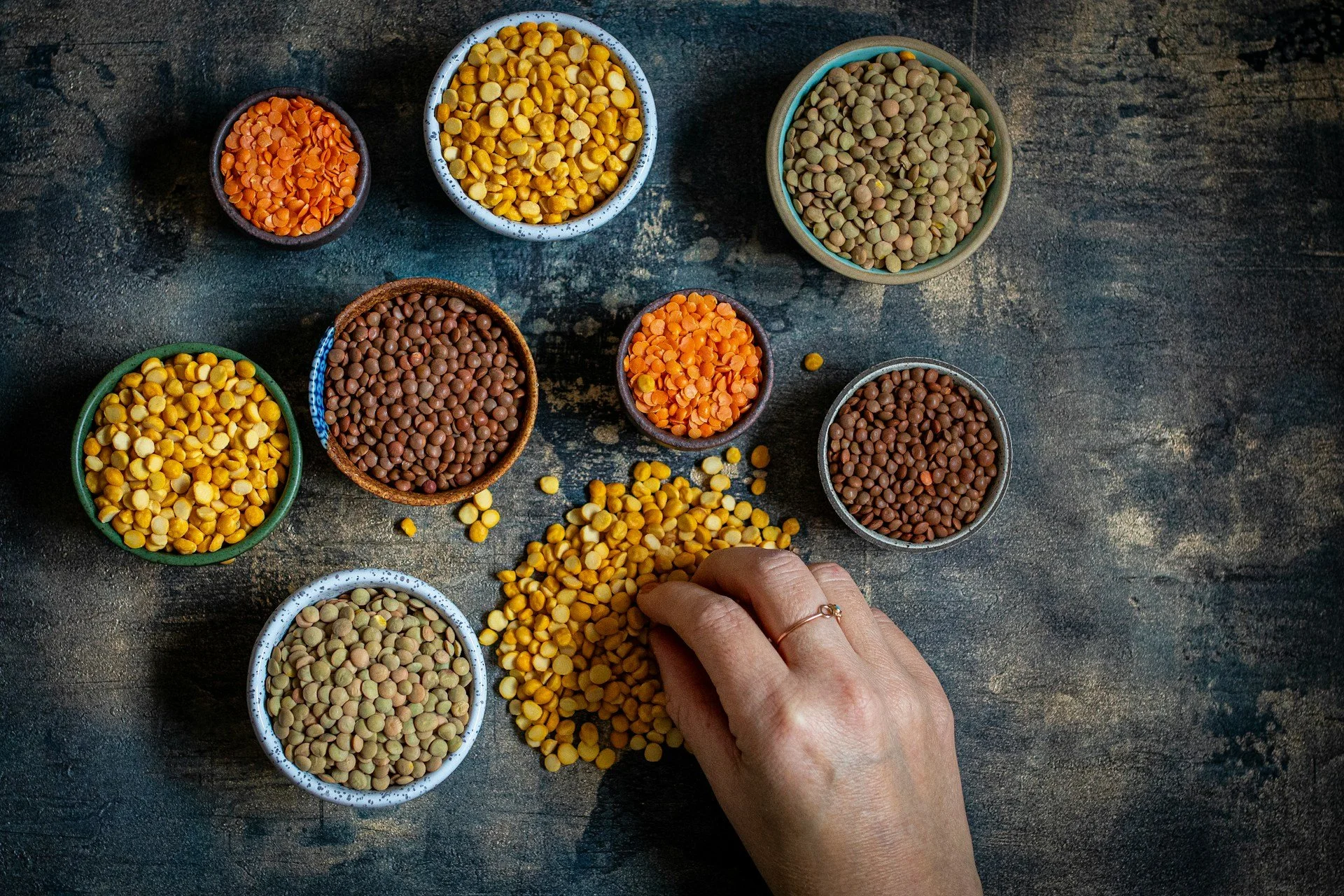
Fibermaxxing is the trend of intentionally increasing fibre intake, usually through more plant-based, fibre-rich foods like fruits, vegetables, beans, lentils, oats, whole grains, seeds, nuts and legumes.
At its best, the trend is not about forcing huge amounts of fibre into one meal or turning digestion into another wellness competition. It is about noticing that many people are not getting enough fibre, then making small, consistent changes that support gut health over time. That distinction matters because the internet loves to turn every good idea into an extreme. Protein became protein everything. Hydration became gallon jugs and electrolyte packets. Walking became step-count obsession. Sleep became score anxiety. Fibre could easily become the next thing people overdo in the name of “wellness.”
But your gut does not need panic, it just needs rhythm. A smarter version of fibermaxxing is less about maxing anything and more about building a high fibre diet that feels natural, enjoyable and sustainable. Think berries and chia at breakfast, lentils or beans at lunch, vegetables with dinner, whole grains instead of overly refined options, nuts or seeds added where they make sense, and enough water to help everything move comfortably. It’s not glamorous in the obvious way, and more like quiet luxury for your microbiome.
The Fibre Gap Is Real
Here is the part that makes fibermaxxing more than just a trend: a lot of people genuinely are not eating enough fibre.
Health Canada says Canadian women need about 25 grams of fibre per day and men need about 38 grams per day, but most Canadians are only getting about half that much. That is a pretty big gap, especially for something connected to digestion, fullness, cholesterol, blood sugar response and gut bacteria.
This is where fibre starts to become more interesting than people give it credit for.
Fibre is not just about “staying regular,” although that matters. Research published through NCBI and PubMed Central has looked at how dietary fibre can influence the gut microbiota, including the production of short-chain fatty acids, which are compounds created when gut bacteria ferment certain fibres. These compounds are part of the reason fibre gets talked about in conversations around gut health, metabolism and inflammation. Another NCBI/PMC review explains how dietary fibres can be fermented by intestinal microbes into short-chain fatty acids, which are being studied for their role in metabolic health and gut function. In simpler terms, fibre feeds something. It feeds the ecosystem inside you.
In simpler terms, fibre feeds something and it feeds the ecosystem inside you.
Your gut is not just a place where food goes after you eat it. It is home to a large community of bacteria and other microorganisms that interact with digestion, immune function, metabolism and overall health. The exact science is still evolving, and no single food is going to magically transform everything overnight, but one thing is clear: the gut microbiome responds to what you consistently feed it.
So when people talk about gut health foods, prebiotics, microbiome health and fibre for digestion, they are often circling the same idea from different angles.
Your gut needs to be fed well, and fibre is one of its favourite languages.

Fibre Is Not One Thing
One of the reasons fibre is more interesting than people realize is that it is not just one nutrient doing one job. There are different types of fibre, and they work differently in the body.
Soluble fibre dissolves in water and forms a gel-like texture. It is found in foods like oats, beans, lentils, apples, citrus fruits, chia seeds and barley. This type of fibre is often talked about for supporting healthy cholesterol levels, moderating blood sugar response and helping meals feel more satisfying.
Insoluble fibre does not dissolve in water in the same way. It adds bulk and helps support regular movement through the digestive system. You will find it in foods like whole grains, vegetable skins, nuts, seeds and many fruits and vegetables.
Then there are prebiotic fibres, which help feed beneficial gut bacteria. Foods like onions, garlic, leeks, asparagus, bananas, oats, barley, legumes and some whole grains can all support this conversation.
This is why variety matters. A high fibre diet should not mean eating the same fibre bar every day and calling it wellness. It should mean bringing more plants into your routine in different ways. Different colours, textures, grains, beans, seeds, fruits and vegetables, because the gut responds well to diversity. This is the part of fibermaxxing that actually feels aligned with modern wellness. Less counting. More variety.
Fibre deserves a trending spot because wellness culture is maturing. For a long time, the focus was on what to remove. Cut sugar. Cut carbs. Cut gluten. Cut dairy. Cut late-night snacks. Cut anything that seemed like it might be the problem.
Now, people are becoming more interested in what to add. More plants. More protein. More fibre. More minerals. More fermented foods. More walking. More strength. More sleep. More recovery. More consistency.
That shift is important because it feels less punitive. Instead of treating health like a constant subtraction project, it becomes more about nourishment, support and better defaults. Fibermaxxing fits into that because it is additive. It asks: what could you include more often that your body might actually appreciate?
The Gut-Workout Connection
It might seem strange for a fitness club to talk about fibre, but it actually makes sense. Fitness and nutrition are not separate lives. They meet in your energy, your recovery, your digestion, your mood, your sleep and your ability to show up consistently. If you are strength training, your body needs enough fuel and nutrients to recover. If you are taking Pilates or yoga, digestion and breath can affect how comfortable and connected you feel in class. If you are doing conditioning or HIIT, your energy and hydration matter. If you are trying to build a consistent fitness routine, your food habits can either support that rhythm or make it harder.
This does not mean every meal has to be optimized. It just means the basics matter.
A high fibre meal that also includes protein and healthy fats tends to feel different than something that digests quickly and leaves you searching for another snack an hour later. Fibre-rich foods often take longer to eat, add volume to meals and slow digestion in a way that can support steadier energy. That does not mean fibre is a magic energy hack. It means food structure matters, and meals that hold you can make your whole day feel a little more stable.
At VIMALIFE, our approach to wellness is built around the idea that strength, movement, recovery and daily habits all work together. You can take fitness classes in Leslieville, build strength on the gym floor, work with a coach through personal training, move through Pilates or yoga, and start creating the kind of routine that supports your whole life, not just the hour you spend working out.
Fibre belongs in that conversation because gut health belongs in that conversation.

How to Start Fibermaxxing Without Overdoing It
The biggest mistake with fibre is adding too much too quickly.
If your current fibre intake is low and you suddenly double it overnight, your gut may not be thrilled. Bloating, gas or discomfort can happen when the increase is too sudden, especially if you are adding a lot of fibre powders, bars or supplements instead of gradually building up through whole foods.
The better approach is slow and steady. Start by adding one fibre-rich food to a meal you already eat. Add berries or chia to breakfast. Choose oats instead of a low-fibre cereal. Add lentils to a soup or salad. Keep hummus and vegetables around. Choose whole grain bread more often. Add beans to a bowl. Sprinkle pumpkin seeds onto yogurt. Keep apples, pears or oranges in rotation. Add extra vegetables to dinner without making it a dramatic event.
This is where “fibre layering” may actually be smarter than fibermaxxing. Instead of trying to hit a huge fibre number all at once, you spread fibre across the day in a way your body can handle. A little at breakfast, a little at lunch, a little at dinner, maybe a snack with fruit, nuts or seeds. The goal is not to shock the system. The goal is to build a rhythm.
And drink water. Fibre and hydration work together.
Some of the best high fibre foods are also some of the most normal foods: oats, raspberries, blackberries, apples, pears, lentils, chickpeas, black beans, edamame, chia seeds, flaxseed, almonds, avocado, sweet potato, broccoli, peas, quinoa, barley, whole grain bread, brown rice and popcorn.
The easiest way to think about it is this: most whole plant foods bring some fibre with them.
You do not need a perfect gut health grocery list. You need repeatable choices. Oats you actually like. A lentil soup you will eat again. Fruit that does not rot in the fridge. Vegetables you know how to cook. Seeds you can add without thinking. Whole grains that feel satisfying. Beans that fit into meals you already make.
Fibre works best when it becomes normal. A default.
Fibre, Fullness and Blood Sugar
One reason fibre is being compared to protein is that both can help meals feel more satisfying.
Protein gets a lot of attention because it supports muscle and helps with satiety. Fibre also helps with fullness, but in a different way. Fibre-rich foods often take longer to eat, add volume to meals, slow digestion and help create a steadier feeling after eating.
Research reviews on dietary fibre have connected higher-fibre diets with benefits for blood glucose control and blood lipids, especially when fibre comes through whole foods and viscous soluble fibres. That is one reason oats, barley, beans and lentils keep showing up in heart health and metabolic health conversations.
This is not about dieting or restriction. It is about building meals that actually hold you. That matters for fitness too. People often think consistency is only about motivation, but energy plays a huge role. It is much easier to show up for a workout, class or walk when your body feels supported through the day.

Microbiome Health Is a Long Game
The microbiome does not need a dramatic rebrand every three months.
It needs regular care. That care is usually less exciting than the internet wants it to be: eat more plants, include fibre-rich foods, consider fermented foods if they work for you, sleep well, move often, manage stress where possible, and avoid treating your body like a project that must be fixed by Monday. This is why fibre is so powerful. It is not a quick fix. It is a long-game habit. A healthy microbiome is supported by patterns over time. That means your daily choices matter, but not in a way that requires perfection. One salad does not change everything. One low-fibre day does not ruin anything. The pattern is what counts.
This is the same principle as fitness. One workout is good. A routine is better. One fibre-rich meal is good. A fibre-rich pattern is better. Wellness is rarely about the single heroic choice. It is usually about the things you repeat.
This Trend Might Actually Last. A lot of wellness trends disappear because they ask too much or promise too much. Fibermaxxing might last because, once you remove the dramatic name, the habit is practical. Most people would benefit from eating more fibre-rich whole foods. Most people could use more plants. Most people are interested in better digestion, steadier energy, long-term health and a more grounded approach to wellness. It also fits the current mood. People are tired of hyper-complicated health routines. They want things that work without taking over their lives. They want habits that feel intelligent, but not obsessive. They want wellness that supports strength, recovery, longevity and daily life. Fibre does that quietly, it is not the loudest trend, but it might be one of the most useful.
Move, Recover and Build Your Routine at VIMALIFE
At VIMALIFE, wellness is not treated as one isolated thing. It is not just the workout, or just the class, or just the meal after. It is the routine around all of it. It is strength training that helps you feel capable. Pilates and yoga that help you feel connected. Recovery that helps you keep going. Personal training that gives you structure. Daily habits, like fibre, hydration and sleep, that support how you feel outside the club. If you are building a wellness routine in Leslieville, the goal is not to optimize every detail until life feels impossible. The goal is to create a rhythm that supports your health in ways that feel real, repeatable and sustainable.
Fibre may be trending now, but the bigger message is timeless. Take care of the basics. Feed your body well. Move it often. Recover with intention. Build strength. Support your gut. Keep returning to the habits that help you feel better. That is wellness that lasts.
VIMALIFE is a boutique fitness club in Leslieville, Toronto, designed for people who want fitness, wellness and lifestyle to feel connected. With open gym access, 200+ monthly classes, personal training, strength training, Pilates, yoga, barre, conditioning, mobility, recovery-focused movement and premium amenities, VIMALIFE brings together the pieces of a more intentional wellness routine in one elevated space.
If you are looking for a boutique fitness club in Leslieville, fitness classes in Leslieville, personal training in Leslieville, Pilates in Leslieville, yoga in Leslieville, or a wellness club in Toronto that supports your whole routine, VIMALIFE was designed for that balance.
Explore VIMALIFE, browse our class schedule, learn more about personal training, or view membership options.