Health Optimization Got Too Complicated. Your Body Still Needs the Basics.
Health optimization used to sound so exciting. It had a kind of glossy promise to it, like if you could just collect enough data, track enough habits, upgrade enough routines and understand enough numbers, your body would finally become something predictable. Better sleep. Better energy. Better recovery. Better workouts. Better focus. Better aging. Better everything.
And to be fair, some of it is useful.
Wearables can tell us more than we used to know. Sleep tracking can make patterns visible. Heart rate data can help you understand effort. Recovery scores can remind you that your body is not a machine. Strength training metrics can show progress that the mirror never will. There is real value in paying attention.
But somewhere along the way, health optimization became another thing to keep up with.
Now the average wellness-minded person is being told to track their sleep, steps, protein, heart rate, HRV, stress, blood sugar, cycle, supplements, zone training, morning light, cold exposure, sauna sessions, screen time, hydration, posture and probably ten other things before breakfast. The intention is health, but the feeling can become pressure. It starts to seem like your body is not something to live in, but something to manage.
That is the part worth questioning.
Because underneath all the technology, all the trends, all the apps, all the recovery scores and all the biohacking language, the body still needs the same foundational things it has always needed: regular movement, strength, recovery, sleep, mobility, nourishment, connection and consistency.
The basics are not basic because they are small.
They are basic because everything else sits on top of them.
At VIMALIFE, this is the more grounded side of health optimization. Not optimization as obsession, but optimization as support. A smarter routine that helps you build strength, move well, recover properly and stay consistent in a way that fits your actual life.
The Optimization Era Is Here, Whether We Like It or Not
Health optimization is trending because people are paying more attention to their long-term health. They are thinking about longevity, energy, metabolism, sleep, strength, recovery, nervous system regulation and how their daily habits add up over time. That is a good thing.
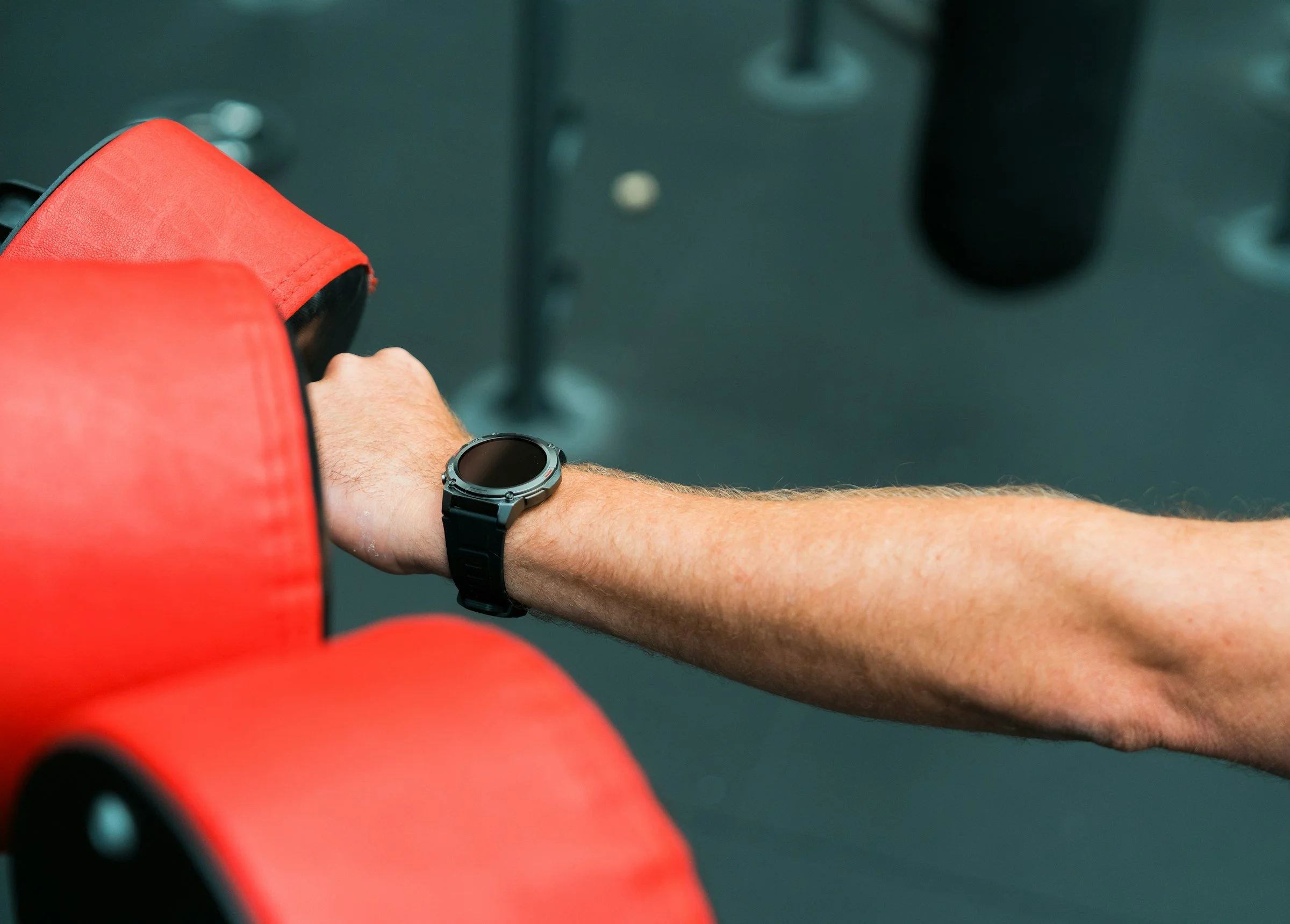
The American College of Sports Medicine named wearable technology the number one fitness trend for 2026, noting that roughly 36% to 44% of adults now own wearable technology. Fitness apps are also huge, with more than 345 million people using them in 2024. The direction is clear: people want feedback, personalization and a better understanding of what is happening inside their bodies.
The problem is not the data. The problem is what happens when data becomes the whole routine.
A readiness score might tell you that your recovery is low, but it cannot build your weekly rhythm for you. A watch can count your steps, but it cannot teach you how to strength train well. An app can suggest a workout, but it cannot replace the feeling of being coached, corrected, encouraged or supported in a space you actually want to return to.
Health optimization works best when it points you back to the body, not away from it.
That is where fitness becomes more interesting. The goal is not to collect perfect numbers. The goal is to create a life where your body feels strong, capable, mobile, rested and supported.
The Body Still Needs the Basics
There is a reason the basics keep coming back.
The World Health Organization reports that 31% of adults globally, about 1.8 billion people, do not meet the recommended level of physical activity. The recommendation for adults is at least 150 minutes of moderate-intensity physical activity per week, along with muscle-strengthening activities. The WHO also estimates that if inactivity is not reduced, the cost to public health care systems could reach about US$300 billion between 2020 and 2030.
Those numbers matter because they remind us that the biggest health opportunity is not always the most complicated one.
For most people, the foundation is not a rare supplement or a perfect morning routine. It is moving more often. Building strength. Sitting less. Sleeping better. Recovering with intention. Finding a routine that can survive busy weeks. Returning to movement after life interrupts it.
Health optimization is often marketed as advanced, but the real advanced move is making the basics repeatable.
That might mean two strength training sessions a week. It might mean a Pilates class that helps you reconnect with your posture and core. It might mean yoga when your nervous system feels overloaded. It might mean personal training because you want a plan instead of guessing. It might mean walking more, booking your classes ahead of time, or choosing a gym that is close enough and comfortable enough that showing up does not feel like another project.
The body responds to what you do consistently, not what you research endlessly.
Strength Training Is the Real Longevity Hack
If there is one part of health optimization that deserves more attention, it is strength training.
Not because everyone needs to lift the heaviest weight in the room, and not because strength has to become your whole personality. Strength matters because muscle matters. Bone health matters. Posture matters. Balance matters. Being able to carry, climb, lift, push, pull and move through daily life with confidence matters.
The CDC notes that muscle-strengthening activities help increase or maintain muscle mass and strength, and regular physical activity supports daily function, brain health, sleep and long-term health. That is the kind of optimization that actually touches your life.
Strength training is also one of the clearest ways to measure progress without getting lost in wellness noise. You can feel when something that used to feel heavy starts to feel manageable. You can notice when your posture changes, when stairs feel easier, when your confidence on the gym floor grows, when your body starts to feel less fragile and more capable.
For anyone searching for strength training in Toronto or a gym in Leslieville, the goal should be a space that makes strength feel approachable and repeatable. A good strength routine is not random. It has structure, progression, recovery and enough support that you understand what you are doing.
At VIMALIFE, members can build strength through open gym access, strength-based classes and personal training in Leslieville, which makes it easier to choose the level of guidance that fits your experience, goals and confidence.
Recovery Is Part of the Optimization
The most dated version of fitness treated recovery like weakness.
The new version knows better.
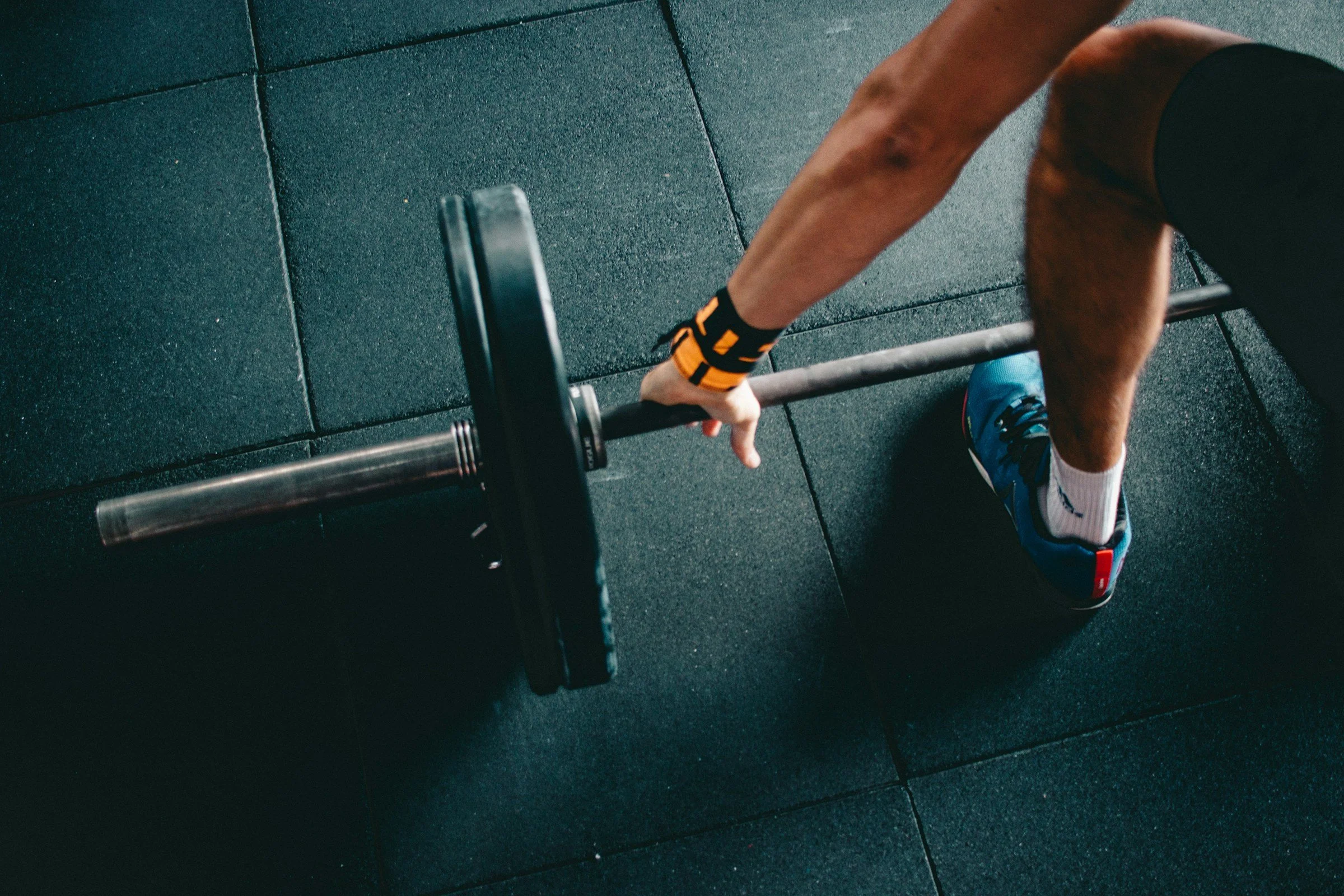
Recovery is not the opposite of progress. Recovery is how progress becomes sustainable. If strength training is the signal, recovery is part of how the body adapts to that signal. Sleep, mobility, yoga, Pilates, breathwork, stretching, walking, lower-intensity days and true rest all support the bigger picture.
This is why “fitness recovery” has become such an important search term and such a major part of modern wellness. People are realizing that being constantly tired is not the same thing as being fit. A routine that leaves you drained, tight, irritable and inconsistent is not optimized just because it looks intense.
The Global Wellness Summit’s 2026 trend report points to a backlash against over-optimization and a return to more human, sensory, emotional and embodied wellness. That says a lot about where people are heading. They still want science, but they also want relief. They want strong bodies and calmer lives. They want information, but they also want to feel like themselves again.
For VIMALIFE, this is where the all-in-one model becomes powerful. A member can train hard in a VIMAFIT class, use the gym floor, then choose yoga, Pilates, barre, mobility, meditation or a recovery-focused class another day. That kind of variety helps fitness feel less like an all-or-nothing system and more like a weekly rhythm.
Explore fitness classes in Leslieville.
Mobility, Pilates and Yoga Are Not Side Quests
For a long time, the fitness world separated everything into categories. Strength was for building. Cardio was for burning. Yoga was for stretching. Pilates was for core. Recovery was for when something hurt.
That way of thinking is too small.
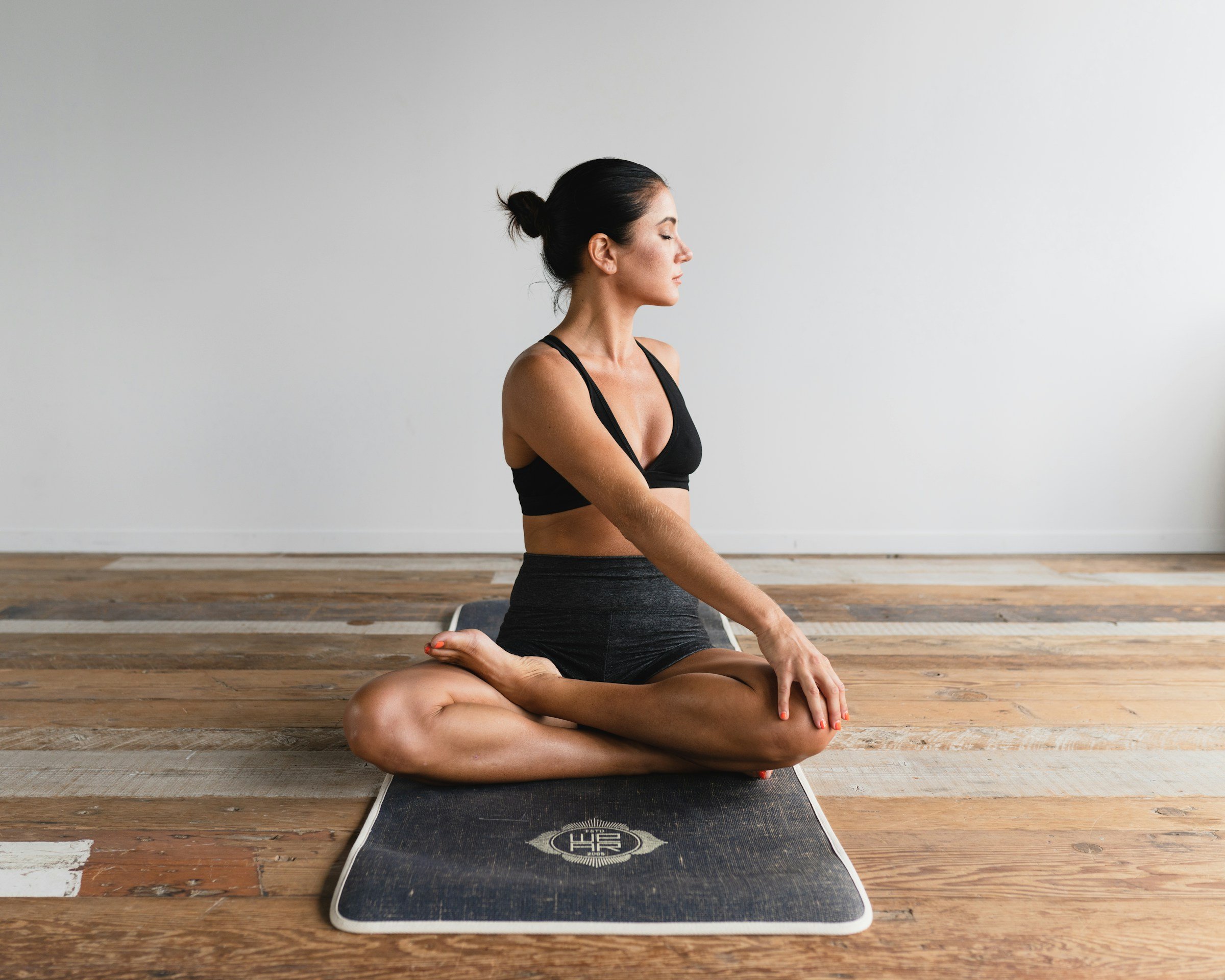
Mobility, Pilates and yoga are not side quests in a health optimization routine. They support how the body moves, stabilizes, balances, breathes and recovers. They help fill the spaces that strength training alone may not always address.
The ACSM ranked balance, flow and core strength as a top-five fitness trend for 2026, and noted that yoga, Pilates and mobility-focused class participation rose by 27% between 2022 and 2024. That makes sense because people want routines that feel more complete. They want strength, but they also want control. They want performance, but they also want posture. They want intensity, but they also want a body that feels good between workouts.
This is especially aligned with Leslieville.
The neighbourhood has a very specific wellness personality. It is local, creative, design-aware, family-friendly, food-loving and community-oriented. People here care about quality, but not in a loud way. They want beautiful spaces, smart routines, strong coffee, thoughtful movement and wellness that fits into real life. It is not a neighbourhood that needs fitness to feel chaotic to feel effective.
A strong routine here might look like strength training before work, Pilates on the weekend, yoga after a stressful day, and a walk through the east end when the weather is too good to waste. That is not a watered-down routine. That is an optimized one because it actually fits the person living it.
The Problem With Tracking Everything
Tracking can be helpful, until it becomes another form of noise.
A wearable can tell you that you slept poorly, but you probably already felt that. A fitness app can show you your streak, but it cannot tell you whether your routine is starting to feel too rigid. A recovery score can suggest taking it easy, but it cannot know the emotional value of showing up for a class you love after a hard week.
Data is best when it helps you make better decisions, not when it makes you suspicious of your own body.
The smarter approach is to use data as a tool, then return to common sense. If your sleep is off, adjust intensity. If your energy is good, train with intention. If your body feels tight, add mobility. If you feel disconnected, choose yoga or Pilates. If you feel lost, book personal training. If you have been sitting all day, move. If you have been pushing for weeks, recover.
This is health optimization without the performance anxiety.
It is not anti-technology. It is pro-body.
Health Optimization Should Make Life Feel Better
This is the part that gets lost.
The point of health optimization is not to become the most disciplined person in the room. It is not to turn every habit into a number or every choice into a moral test. The point is to feel better, live better and have more capacity for the things you care about.
A useful routine should give you more energy for your life, not make your life revolve around the routine.
That is why the best fitness club is not just the one with the most equipment, the most classes or the best lighting, though those things matter. It is the one that helps you keep coming back. The one that offers structure when you need it, flexibility when life gets busy, recovery when your body asks for it and enough variety that your routine can evolve.
At VIMALIFE, the goal is not to make wellness feel complicated. It is to bring the pieces together: open gym access, 200+ monthly classes, personal training, strength, HIIT, conditioning, Pilates, barre, yoga, meditation, recovery-focused movement, premium amenities and a club environment that feels intentional from the moment you arrive.
View VIMALIFE membership options.
What a Smarter Health Optimization Routine Could Look Like
A realistic health optimization routine does not need to be extreme.
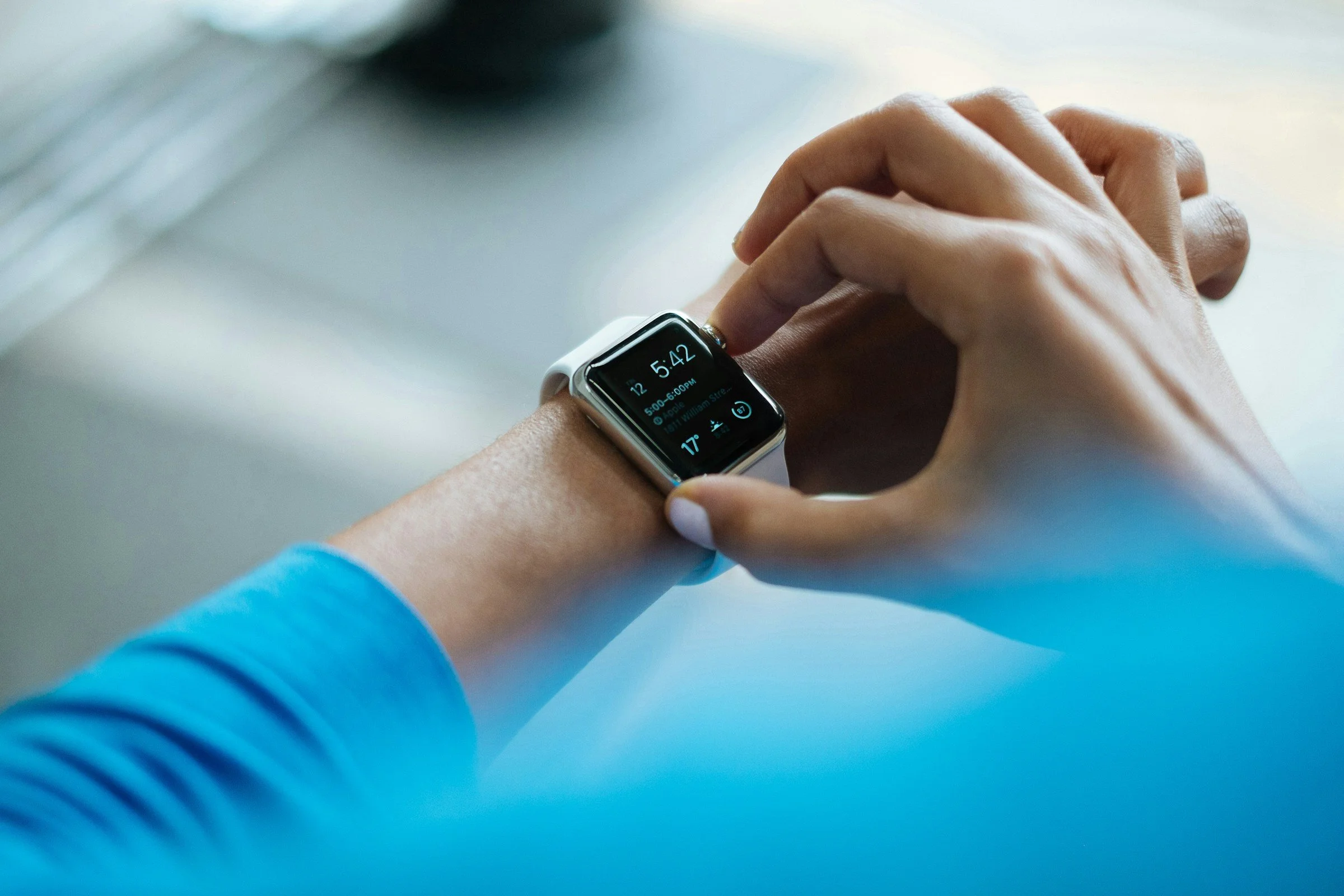
It might include two strength training sessions per week, one Pilates or yoga class, one conditioning or cardio-focused session, one mobility or recovery day, and regular walking. It might include personal training once a week if you want coaching and accountability. It might include using your wearable to notice patterns, but not letting it dictate your entire mood.
The structure can be simple:
Strength to build capacity.
Cardio or conditioning for heart health and energy.
Mobility, Pilates or yoga for movement quality.
Recovery for adaptation.
Sleep for repair.
Consistency so the whole thing actually works.
That is the version of optimization most people can live with.
Not perfect. Not extreme. Not performative. Just strong, steady and intelligent.
Why This Matters Now
Health optimization is not going away. Wearables will get better. Apps will get smarter. Longevity clinics will become more visible. People will keep talking about HRV, VO2 max, glucose, cold exposure, sleep scores, recovery data and personalized health.
Some of that will be useful. Some of it will be excessive. The challenge is knowing the difference.
The future of wellness belongs to people and places that can translate the data back into daily life. What should I actually do this week? How should I train? When should I recover? How do I get stronger without burning out? How do I build a routine that fits my real schedule? How do I feel better without turning health into another job?
That is the conversation worth having.
And for a neighbourhood like Leslieville, where people value quality, community, local routine and wellness that feels both elevated and practical, this approach makes sense. Health optimization does not need to look like a lab. Sometimes it looks like a strong class, a good coach, a calm studio, a walkable routine, a towel waiting for you, a Pilates class after a long week and a place you actually want to return to.
Optimize Your Routine at VIMALIFE
VIMALIFE is a boutique fitness club in Leslieville, Toronto, designed for people who want fitness, wellness, coaching and recovery to feel connected. With open gym access, 200+ monthly classes, personal training, strength training, Pilates, yoga, barre, conditioning, mobility, meditation, recovery-focused movement and premium amenities, VIMALIFE brings together the pieces of a smarter health optimization routine in one elevated space.
If you are looking for a boutique fitness club in Leslieville, fitness classes in Leslieville, personal training in Leslieville, a wellness club in Toronto, or a gym that helps you build strength, consistency and recovery without making wellness feel overwhelming, VIMALIFE was designed for that balance.
Explore VIMALIFE, browse our class schedule, learn more about personal training, or view membership options.