
How to Breathe During Exercise: Strength Training, Cardio and Pilates
A squat was going perfectly well until someone said, “Inhale down, exhale up.” Now you are halfway through the rep holding an accidental sip of air.
The funny thing is, you were breathing just fine before you started thinking about it. The body is good at adjusting on its own. It pulls in more air as a run gets harder, creates pressure through the torso when you lift and releases air as effort builds. A cue can sharpen that response, although the cue that works under a barbell will not necessarily help on a treadmill. Pilates adds another layer, using the breath to shape the timing and control of a movement.
There are a few basics worth knowing. With most strength exercises, breathe in as you prepare or lower the weight, then breathe out as you lift, push or pull. During cardio, let your breathing rise with the pace and use your mouth when your nose no longer feels like enough. In Pilates, try sending the inhale into the sides and back of your ribs before exhaling through the harder part of the exercise.
That is enough for most workouts. The finer points depend on what you are doing, how hard you are working and, occasionally, how much weight is on the bar.
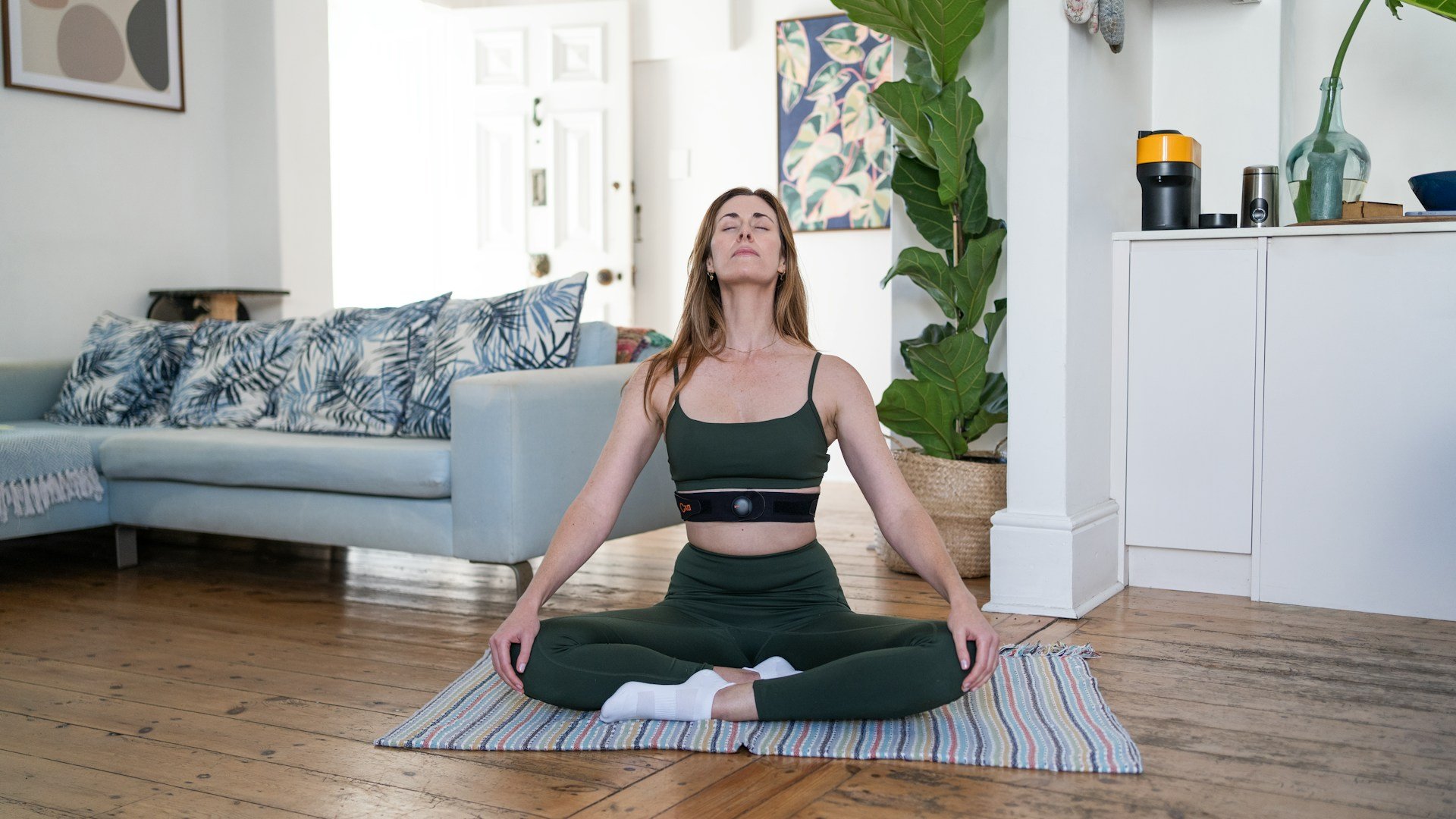
Breathing has more than one job
At rest, breathing is mostly quiet background work. The diaphragm contracts and moves downward as you inhale, the rib cage expands and air enters the lungs. As you exhale, the process reverses. Exercise asks more of the system because working muscles need more oxygen and produce more carbon dioxide.
But moving air is only part of the story. Breath also changes pressure inside the torso. That pressure can help the trunk feel more solid under a load. It affects rhythm too. A controlled exhale can stop someone from rushing a difficult repetition, while a regular breathing pattern can help a runner settle into a sustainable pace.
This is why there is no single “correct” exercise breath that works everywhere. A heavy deadlift, a relaxed cycle and a Pilates hundred are not asking your body the same question.
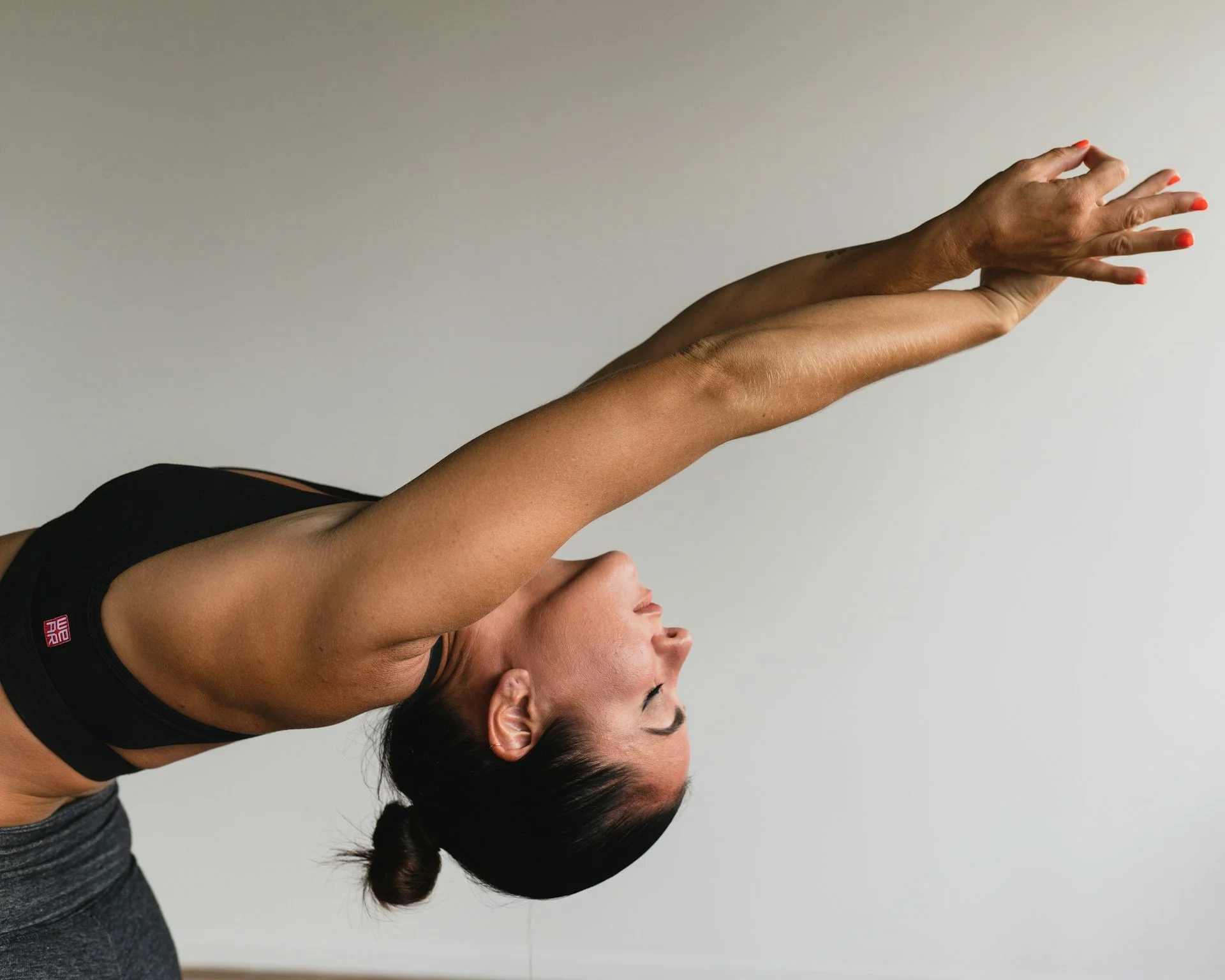
How to breathe during strength training
For everyday resistance training, the old cue is a good place to begin: exhale on the effort.
In a squat, that usually means inhaling before or during the descent and exhaling as you stand. During a chest press, inhale as the weight comes toward you and exhale as you press it away. During a row, inhale as the arms lengthen and exhale as you pull.
These are cues, not traffic laws. A movement may be slow enough to require more than one breath. A coach may change the pattern to solve a particular technique problem. What matters most is that the breath supports the repetition instead of making you dizzy, tense or unstable.

Bracing is not the same as sucking in your stomach
Before a loaded exercise, imagine preparing your middle for someone to bump into you. The abdominal wall firms, but it does not have to be hollowed inward. A useful brace often feels more like expansion around the waist: front, sides and back. Try placing your hands around your lower ribs or waistband. Inhale without lifting your shoulders and notice whether you can create gentle pressure into your hands. Then keep some of that firmness as you begin the repetition. You can exhale through pursed lips, as if slowly blowing out a candle, without letting the whole torso collapse.
That last point is where “exhale on effort” sometimes goes wrong. If you empty every bit of air the instant a lift begins, you may lose the pressure that was helping you stay organized. The goal is not to deflate. It is to keep the trunk steady while allowing air to move. If bracing feels unfamiliar, individualized coaching is useful. A VIMALIFE personal trainer can help.
Is holding your breath while lifting bad?
Not always.
Experienced lifters sometimes take a breath, brace firmly and briefly hold it through the hardest portion of a very heavy lift. This is commonly called the Valsalva manoeuvre. The added pressure can make the trunk more rigid, which is helpful when a heavy barbell is trying to fold the body in a direction it should not go. A systematic review of high-intensity resistance exercise describes the substantial internal pressures produced by this strategy, particularly during movements such as squats, deadlifts and leg presses.
That does not make breath-holding the default for every gym set. A deliberate, brief brace under a near-maximal load is different from realizing you have not breathed for six repetitions on the leg press. Heavy lifting techniques should be learned progressively and coached in context.
Breath-holding can also cause a sharp rise in blood pressure. The American Heart Association advises people to breathe regularly during exercise, noting that holding the breath can raise blood pressure. Anyone with high blood pressure, cardiovascular concerns, a history of fainting or another relevant medical condition should speak with an appropriate healthcare professional before experimenting with heavy bracing strategies.
During cardio, let breathing be information
The harder you work, the more air your body needs to move. At an easy pace, breathing may stay quiet and mostly nasal. Pick up the speed or climb a hill and the breaths become deeper, faster and more obvious. That change is not poor technique. It is the respiratory system responding to demand.
Instead of trying to make every breath look calm, ask whether it matches the workout you intended to do. The talk test is wonderfully low-tech. During moderate-intensity exercise, you should generally be able to talk but not sing. During vigorous exercise, you may only manage a few words before pausing for breath. Those are the practical markers used in the CDC’s guide to measuring physical activity intensity.
So if today is meant to be an easy recovery ride but speaking a sentence feels impossible, your breathing is giving you useful news: the pace is not easy for you today. Slow down. On the other hand, if you are in the middle of a hard interval and can comfortably deliver a monologue, there may be room to work.

Nose or mouth?
Breathing through the nose can warm, humidify and filter incoming air. Some people also find nasal breathing helpful for keeping an easy pace genuinely easy. If it feels comfortable during a walk, warm-up or relaxed jog, there is no reason to stop.
As intensity rises, however, opening the mouth is a normal way to move more air. In a small 2025 laboratory study, exclusive nasal breathing reduced peak ventilation, oxygen consumption and workload compared with less restrictive breathing conditions during maximal testing. Twelve healthy adults is not enough to settle every debate about breathing, but it does reinforce a sensible point: a rule that works at an easy pace may become a limitation near maximum effort. Use nasal breathing if it suits the intensity. Use your mouth when you need it. Most people naturally move toward a combination of both as a cardio session gets harder.
Do you need a breathing rhythm for running?
Some runners like matching breath to foot strikes, perhaps inhaling for three steps and exhaling for two at an easy pace. Cyclists may settle into a similar rhythm with the pedal stroke. A pattern can be calming and can make pacing feel smoother. It is optional. There is no prize for maintaining a perfect ratio, and the rhythm will usually shorten as intensity increases. Terrain, speed, conversation and fatigue all interrupt it. If counting helps you settle, count. If it makes a pleasant run feel like filing taxes, let your body breathe.
When breath starts to feel panicky rather than simply hard, ease the pace, loosen your jaw and drop your shoulders. Try finishing the exhale instead of stacking quick, shallow breaths on top of one another. Give yourself a moment before picking the speed back up. During a demanding interval, though, do not expect breathing to become quiet immediately. Recovery still requires ventilation.

Pilates uses breath as part of the movement
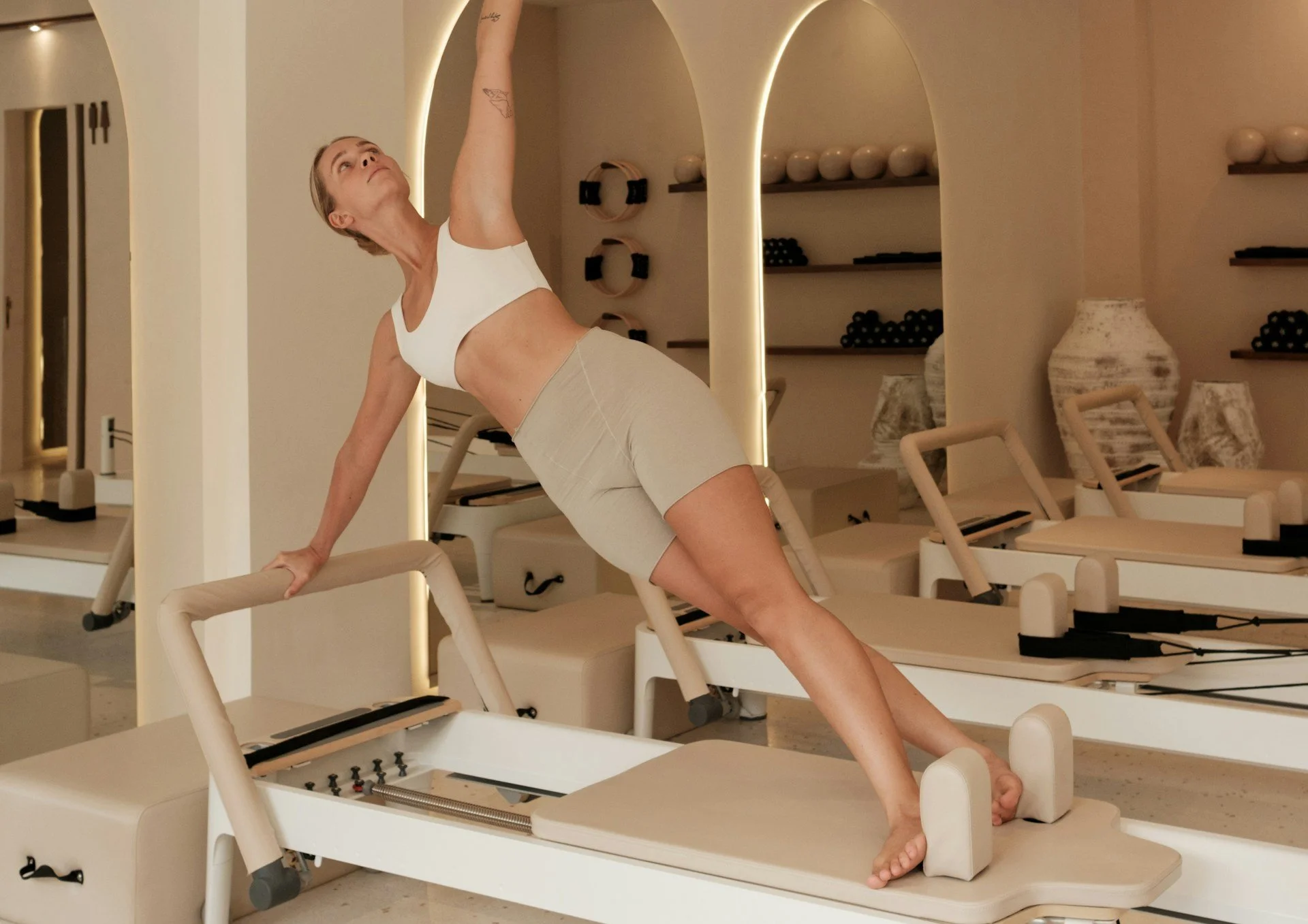
You may hear an instructor cue an inhale into the back of the ribs, an exhale as the legs extend or a long exhale while the abdominal wall deepens. This is often called lateral or posterolateral breathing. Rather than sending every inhale high into the chest or pushing only the belly forward, you are trying to let the lower rib cage widen into the sides and back.
The easiest way to feel it is with your hands around your lower ribs. Inhale and imagine the ribs opening like an umbrella. Let the shoulders stay relatively quiet. On the exhale, feel the ribs narrow and the abdominal wall gently respond.
Pilates uses this pattern partly because many exercises ask the trunk to stay organized while the arms or legs move. An exhale can accompany the more demanding phase and help coordinate the abdominal wall and pelvic floor. The breath also gives a sequence rhythm. It tells you when to prepare, move and return.
Research specific to Pilates breathing is still limited. In one small crossover study involving healthy adults and people with chronic obstructive pulmonary disease, Pilates breathing changed chest-wall movement and several immediate respiratory measures. That is interesting, but it is not evidence that one carefully choreographed breath pattern is superior for every person or every Pilates exercise.
In real classes, the cue should serve the movement. If you lose the pattern, keep breathing and rejoin on the next repetition. If an inhale feels too large, make it smaller. If trying to “do the breath right” creates tension in the neck or face, soften the effort. Pilates is a practice in coordination, not synchronized swimming for lungs.
You can explore Pilates, yoga and restorative formats through VIMALIFE’s VIMAZEN classes, where breath may be used differently from one class to the next. That variety is useful. It teaches you that breathing is adaptable rather than fixed.
What commonly gets in the way
Most breathing mistakes are small mismatches between the breath, the task and the person doing it.
You are holding your breath without realizing it. This often happens during a difficult set or a new movement. Reduce the load if needed, pause between repetitions and make the exhale audible for a few reps until the rhythm returns.
Every inhale lifts your shoulders. You may be recruiting the neck and upper chest more than necessary. Relax the jaw, place your hands around the lower ribs and see whether the next inhale can expand lower and wider.
You are forcing nasal breathing during hard cardio. The workout feels worse because an internet rule is restricting airflow. Open your mouth and let the breathing match the demand.
You are over-breathing before a lift. Several large, rapid breaths can make some people light-headed. One purposeful inhale and brace is usually more useful than a dramatic pre-lift ritual.
The cue has become more important than the exercise. If you are so focused on timing that your technique falls apart, return to continuous, comfortable breathing. Add the detailed cue back once the movement feels familiar.
Perhaps the clearest sign that a cue is no longer helping is when it becomes more important than the exercise itself. If you are counting every inhale and exhale while your technique unravels, let the pattern go for a moment. Keep the air moving, find the exercise again and return to the cue when the movement feels familiar.
In practice, the basics will carry you through most workouts. Breathe out through the effort during strength training, let your breathing rise with the pace during cardio and use a wider rib-cage inhale to help organize Pilates movements. Across VIMALIFE’s VIMAFIT and VIMAZEN classes, those ideas show up differently because strength, conditioning, yoga and Pilates do not ask the breath to do the same job. That variety is part of how the skill becomes more natural.
A cue should make movement feel clearer
Breathing well during exercise is less about finding a perfect technique and more about choosing the right response for the moment.
Under a moderate strength load, keep air moving and let the exhale follow the effort. During cardio, allow the breath to rise with the pace and use it as honest feedback. In Pilates, let the rib cage expand and make the exhale part of the movement rather than another thing to get right. You may still forget. Everyone does. You will be midway through a plank before realizing you have been rationing oxygen like it is the last clean air on Earth. Exhale, reset and continue.
Good breathing should make movement more understandable. It should not make you afraid of doing something your body has managed, quite competently, since before you knew what a workout was.
If you would like help putting the cues into practice, explore VIMALIFE’s classes in Leslieville, work one-on-one with a VIMALIFE personal trainer or book a complimentary guest-pass experience.

Frequently asked questions about breathing during exercise
When should I inhale and exhale while lifting weights?
For most moderate strength exercises, inhale as you prepare or move through the easier lowering phase, then exhale during the harder lifting, pushing or pulling phase. For example, inhale while lowering into a squat and exhale as you stand. Keep some abdominal pressure as you exhale so the torso remains stable.
Should I breathe through my nose or mouth during exercise?
Either can be appropriate. Nasal breathing may feel comfortable during lower-intensity movement, warm-ups and easy cardio. As exercise becomes harder, breathing through both the nose and mouth helps move more air. You do not need to force nasal-only breathing when it limits your pace or makes you feel air-hungry.
Is it dangerous to hold your breath while lifting?
Long, accidental breath-holds are not a good default and can raise blood pressure. Trained lifters may use a brief, deliberate breath-hold to brace during a very heavy lift, but that technique has a specific purpose and should be learned progressively. People with high blood pressure, cardiovascular concerns or a history of dizziness or fainting should seek medical guidance before using it.
How should I breathe while running or doing cardio?
Let your breathing respond naturally to intensity. At a moderate pace, you should generally be able to talk but not sing. At a vigorous pace, you may only speak a few words before taking a breath. A step-based rhythm can help with pacing, but it is optional. Use your mouth when needed and slow down if breathing becomes panicky or does not match the planned effort.
What is Pilates breathing?
Pilates commonly uses lateral or posterolateral breathing. The inhale expands the lower ribs into the sides and back while the shoulders stay relaxed. The exhale often accompanies the more demanding phase of an exercise and helps coordinate the abdominal wall, pelvic floor and movement. Exact timing can change between exercises and instructors.
Why do I feel dizzy when I exercise?
Dizziness can have many causes, including breath-holding, breathing too rapidly, standing up quickly, dehydration, heat, low energy availability or a medical issue. Stop, sit or lie down somewhere safe and allow the feeling to settle. If dizziness is severe, recurrent, comes with chest pain or fainting, or does not resolve, seek medical care.