
Personal Training vs Group Fitness: Which One Fits Your Goals?
Some people want a coach who will notice the half-inch shift in their squat. Others want a class on the calendar, music already playing and a room that makes it easier to begin. Both are looking for support. They just need it in different forms. A personal trainer gives you a plan with your name on it. A group class gives you a shared plan, a start time and the momentum of doing it together.
Neither format owns better results. Personal training is usually the stronger choice when your goal, movement or schedule calls for individual attention. Group fitness often makes more sense when you want structure, variety and the energy of other people. Plenty of people do best with both: coaching to create direction, classes to make movement a regular part of the week. The useful question is not, “Which one is better?” It is, “What would make me more likely to train well and keep going?”
First, What Is the Difference?
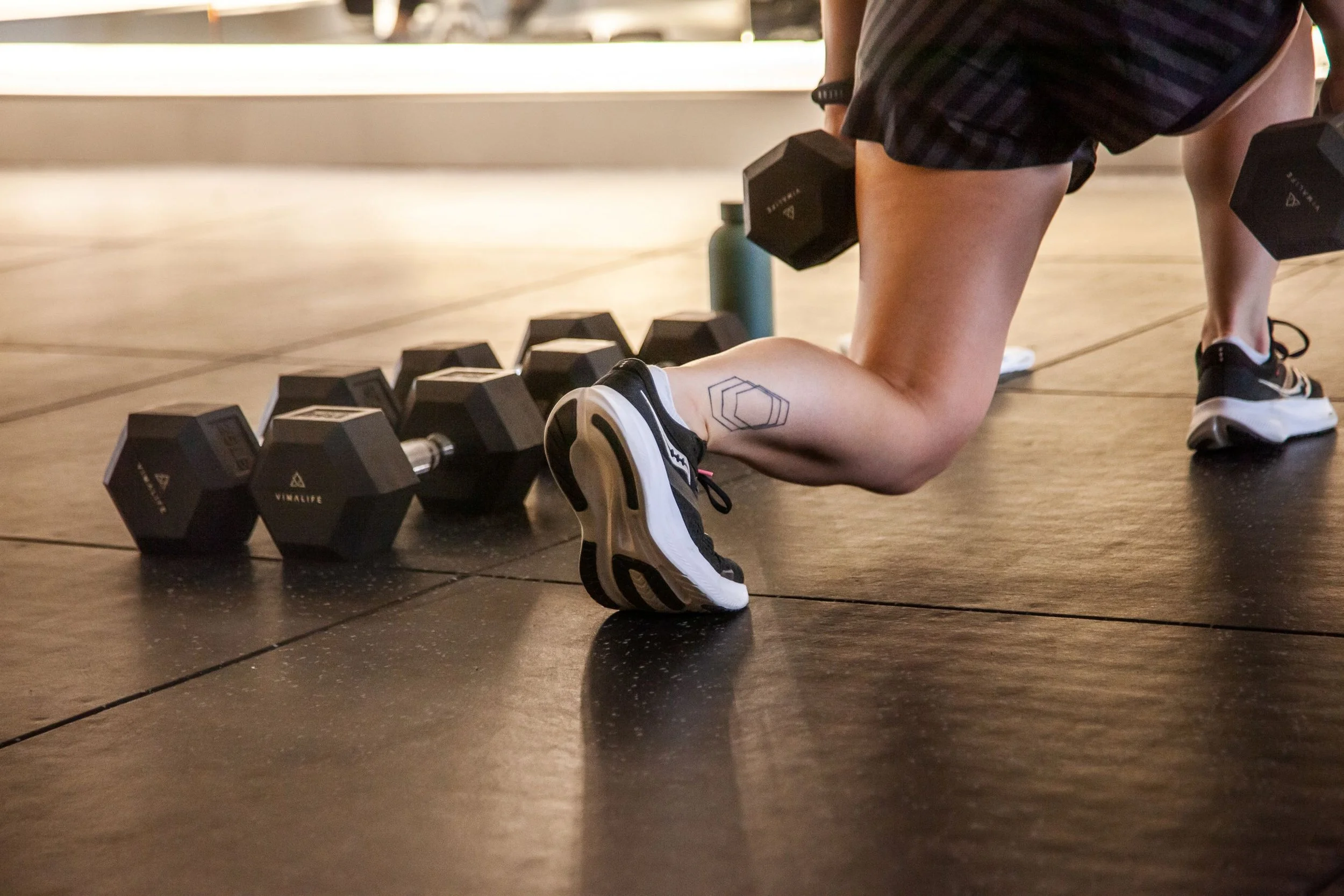
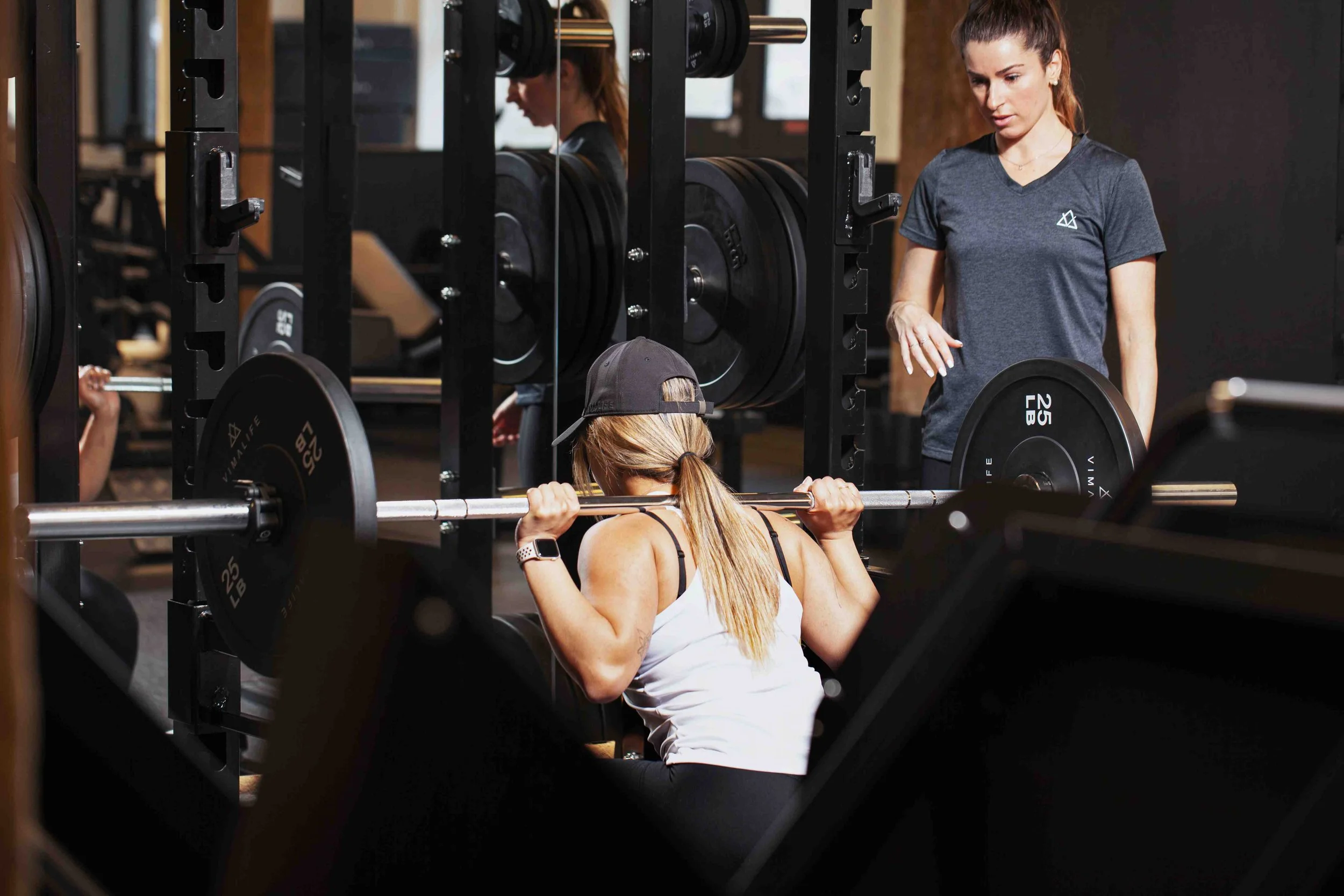
Personal training is one-to-one coaching. Your trainer can build sessions around your experience, goals, preferences and available time, then adjust the plan as you progress. They can watch every repetition, change the load, slow down a movement, offer a different exercise or spend half the session on one skill if that is what you need.
Group fitness is instructor-led exercise completed alongside other participants. Everyone follows the same broad class plan, with options or modifications offered for different abilities. Depending on the class, the focus might be strength, conditioning, HIIT, yoga, Pilates, barre, mobility or recovery.
Those descriptions make personal training sound precise and group fitness sound social, which is true, but incomplete. A great class also includes thoughtful programming and coaching. A great personal training session can be enjoyable, energetic and highly motivating. The main distinction is where the instructor’s attention goes. In personal training, it stays with you. In a class, it is shared across the room.
Research does not give us a dramatic winner either. A 2026 systematic review and meta-analysis compared individual and group-based physical activity interventions across 71 studies. Group-based programs showed a small advantage for functional outcomes after the researchers removed outliers, but did not significantly outperform individual approaches for physical activity, psychosocial outcomes or health outcomes overall. Both formats were effective. The label on the workout matters less than the quality of the program, its fit with your life and whether you return next week.
What Personal Training Is Good At
The best argument for personal training is not that someone counts your repetitions. You can count. It is that a good coach can see what you cannot see while you are busy doing the movement.
Perhaps your deadlift feels fine, but the weight keeps drifting away from you. Maybe you want to get stronger but have been repeating the same comfortable routine for six months. You might understand individual exercises yet have no idea how to turn them into a sensible week. These are coaching problems, and a one-to-one setting gives them room to be solved.
Personal training at VIMALIFE is built around personalized programming, technique, accountability and progression, with focused 30-minute sessions, full 60-minute sessions and a Starter Pack for new members. The format gives a VIMACOACH time to understand where you are starting before deciding what comes next.
Personal training tends to earn its keep in a few situations;
You are new and the gym floor feels like a foreign country
The hardest part of starting is often not the exercise. It is the low-level uncertainty surrounding everything else. Which weights should you use? How many sets are enough? Is that machine adjusted properly? Should this feel difficult, or does difficult mean wrong? A trainer can turn that fog into a plan. You learn how exercises should feel, how to select a reasonable load and what to do when a piece of equipment is occupied. The goal should not be to make you dependent on supervision forever. It should be to build enough understanding that the gym becomes familiar.
Your goal is specific
“I want to move more” leaves room for many good options. “I want my first pull-up,” “I am training for a hiking trip” or “I want to improve my squat without irritating my knee” asks for more precision. A personal trainer can choose exercises, volume and progressions that point toward one outcome instead of giving every fitness quality equal attention. This becomes increasingly useful when a deadline is involved or when you have already built a general fitness base and want to move beyond it.
You need the session to adapt as you go
Life does not always cooperate with the program. You may arrive tired after a poor night’s sleep, short on time or less recovered than expected. In a private session, the coach can change the day without losing the purpose of the plan. Individual attention can also be helpful when you have been cleared to exercise after an injury or are working around a condition that requires frequent modification.
You want accountability
A class reservation creates one kind of commitment. A person expecting you creates another. For some people, that direct relationship is the difference between vaguely planning to exercise and arriving at a specific time ready to work. Here is the hotter take: the value of personal training should show up between sessions, too. A useful coach does more than produce one hard hour. They help you understand the plan, recognize progress and know what to do on the days you train independently. If the only thing growing is your collection of exhausting workouts, the coaching is missing something.
What Group Fitness Gets Right
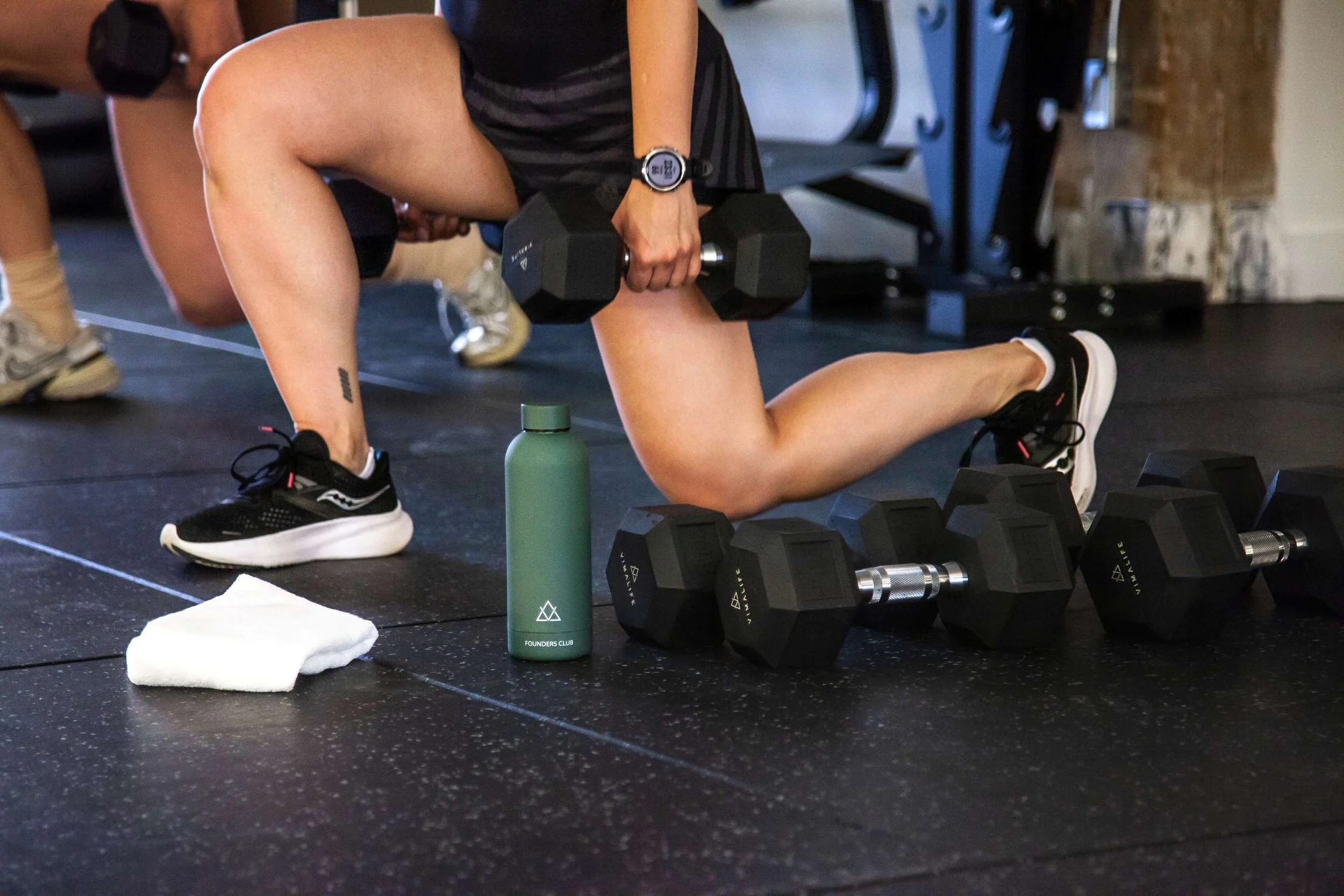
Group fitness solves a different problem. It removes a number of decisions. You do not need to choose six exercises, decide the order, set a timer, build a playlist and negotiate with yourself. You book the class, arrive and follow the instruction. On a busy Tuesday, that can be the difference of showing up.
At VIMALIFE, group fitness classes in Leslieville run through two studio experiences. VIMAFIT covers strength, HIIT, conditioning, circuits and mobility. VIMAZEN includes yoga, Pilates, barre, meditation and restorative movement. A controlled Pilates class and a fast conditioning circuit ask different things of the body and can play completely different roles in the same week.
A good class lends you momentum
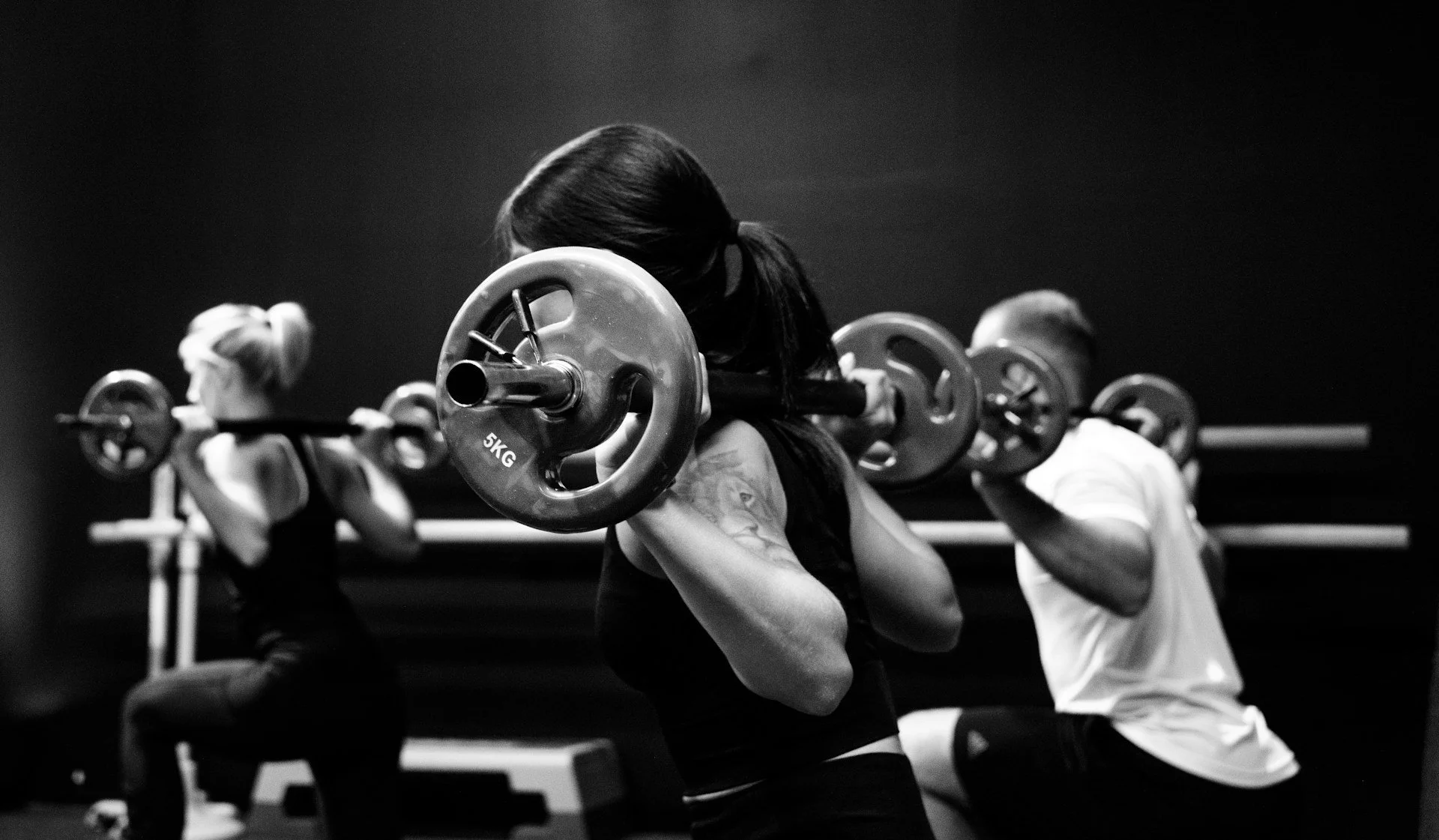
There are evenings when self-motivation is abundant. There are also evenings when changing into workout clothes deserves partial credit. A class can carry some of the mental load on those days. The instructor sets the pace. The group keeps moving. Before you have time to reopen the debate, the warm-up is over. The social effect is real. In a Canadian randomized trial involving older adults, group exercise programs intentionally designed to build social connection achieved better adherence than a standard mixed-age group. The lesson is not that everyone needs matching workout friends. It is that a room can help people return when it actually feels welcoming and connected.
Variety is built into the week
Someone who becomes bored doing three independent gym sessions may happily move between strength, yoga and Pilates. That variety can keep training interesting while spreading different demands across the week. Variety still needs a little logic. Five unrelated hard classes are not automatically a balanced program, and more sweat is not a substitute for progression. If strength is your priority, for example, your week should still contain repeatable strength work that becomes appropriately more challenging over time.
The American College of Sports Medicine’s 2026 resistance training guidance makes a refreshing point: consistency matters more than complexity. It also notes that programs should be adjusted for personal goals, enjoyment and safety. A class can absolutely build strength when it provides suitable resistance and a way to progress. It does not need to look like private training to count.
Classes can make fitness feel less solitary
Not everyone wants exercise to be another task completed alone. Familiar instructors, a few recognizable faces and the small ritual of showing up at the same time can give the week some shape. You do not need to become best friends with the person on the next mat. Sometimes it is simply nicer to work hard around people who are doing the same. The tradeoff is attention. An instructor can demonstrate, cue and offer options, but cannot watch every repetition from every participant. If your movement needs close observation, your goal requires frequent changes or you are still unsure how to modify safely, one-to-one coaching may be the better place to begin.
Choose the Problem You Want the Workout to Solve
Fitness goals sound tidy when written down. Real people tend to arrive with a mix: get stronger, feel better, stop avoiding the weight room, have more energy, keep up on vacation and perhaps enjoy the process enough to continue.
This is how personal training vs group fitness usually shakes out in practice.
If you want to build strength or muscle: both can work. Personal training offers more control over exercise selection, loading, volume and progression, which is valuable for a precise strength target or a plateau. A well-programmed strength class can also produce meaningful results, particularly when you attend consistently and choose loads that genuinely challenge you. Look for repeatable work, good coaching and a progression path, not just a room full of equipment.
If your main goal is consistency: group fitness may have the early advantage. A recurring class time reduces decision fatigue, and other people add energy to the appointment. Personal training may be stronger if you respond better to direct accountability or frequently talk yourself out of independent workouts. Be honest about which kind of commitment you are less likely to cancel.
If you are a beginner: either can be a good first step. Choose personal training if you want quiet, detailed instruction or feel nervous around equipment. Choose a beginner-friendly class if being singled out makes you more uncomfortable than learning alongside others. Confidence does not have to be built in private.
If you want weight loss or a change in body composition: neither format has a secret advantage. Exercise can support health, fitness, muscle retention and energy expenditure, but body composition is also influenced by food, sleep, everyday activity and individual circumstances. A trainer can personalize the plan and monitor progression. Classes can make it easier to accumulate regular activity. The Government of Canada’s physical activity guidance emphasizes total weekly movement rather than one ideal workout format, which is a useful way to think about this goal.
If you are training for an event or performance target: personal training usually gives you more control. A coach can organize the work around your event, identify gaps and avoid spending too much time on fitness qualities that are already well developed. Classes may still contribute conditioning, mobility or enjoyable cross-training.
If you want stress relief, variety or a more social routine: group fitness is hard to beat. Yoga, Pilates, barre and conditioning classes each create a different experience without asking you to design it. The best class is not necessarily the hardest one. It is the one that leaves you glad you came and willing to book again.
If pain or a medical concern is shaping the decision: begin with the appropriate healthcare professional. Once you know what is safe and recommended, personal training can make it easier to follow individualized guidance. A class may become a good option later, or sooner if the format can comfortably accommodate your needs.
The Hybrid Approach
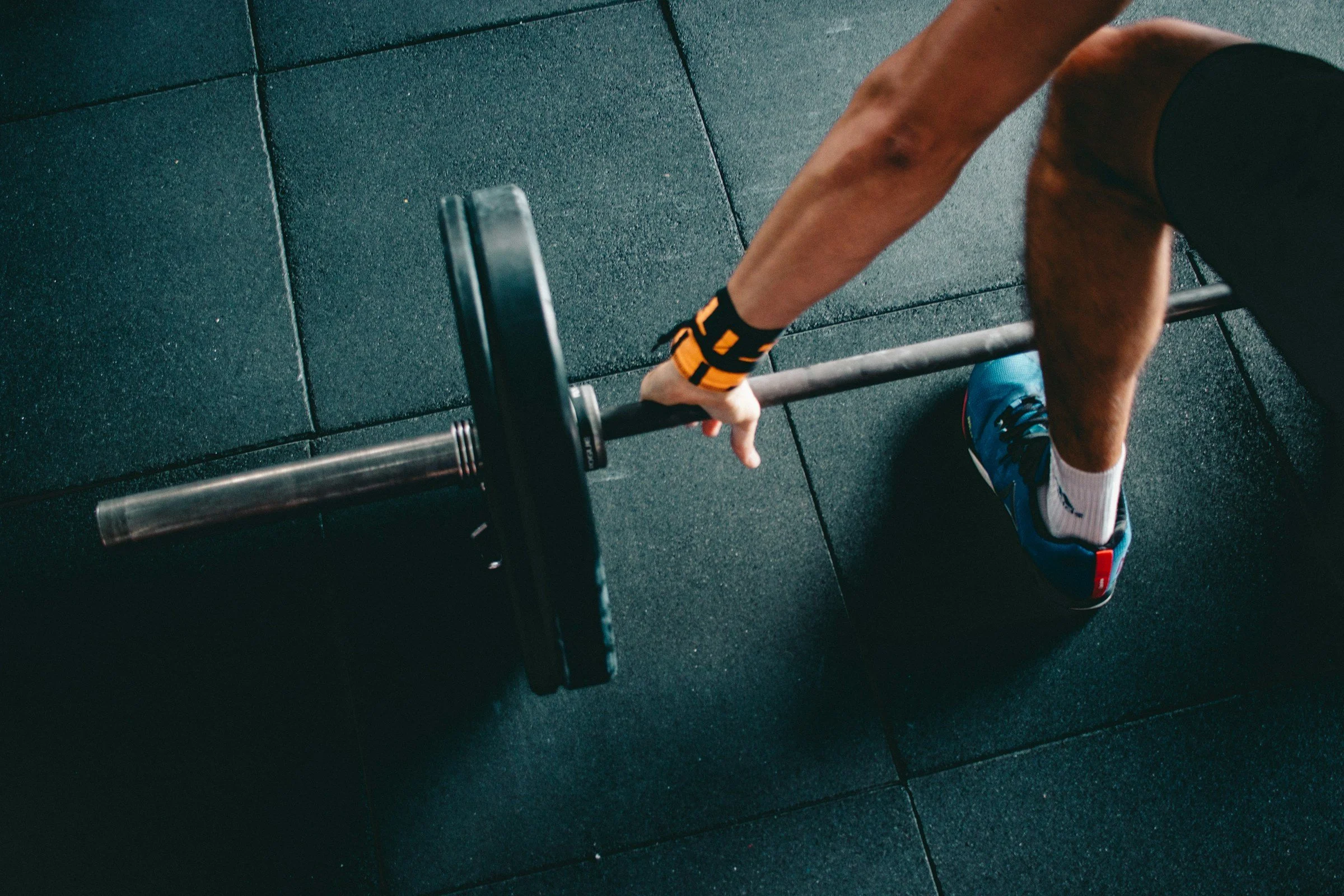
Choosing personal training does not require breaking up with group fitness. In fact, the two formats often improve each other. A few coaching sessions can teach you how to brace, hinge, squat, press and select an appropriate weight. You can then take that confidence into a VIMAFIT strength class. A weekly yoga or Pilates class can add movement variety to a personalized strength program. A trainer can review the bigger picture and help make sure your favourite classes support your goal instead of quietly competing with it.
The mix does not need to be elaborate. It might look like:
personal training once a week, plus one class and one independent workout;
several starter sessions, followed by a class-led routine;
regular classes with an occasional coaching check-in;
personal training for a specific goal, with yoga or Pilates kept purely because you enjoy it.
That last reason deserves more respect. Enjoyment is not fluff. A technically perfect routine has limited value when you resent every minute and abandon it by week three.
VIMALIFE membership options make room for different approaches, including open gym access and an all-inclusive option with classes. Personal training can add more focused coaching when you want it. You are choosing a starting structure, not signing a lifelong allegiance to one way of exercising.
Try the Experience, Not Just the Description
“Group fitness” tells you almost nothing about the feel of a particular class. “Personal trainer” does not tell you whether someone’s coaching style will work for you. Quality and fit live in the details. Before choosing a trainer, ask how they assess a starting point, track progress and adapt sessions. Notice whether they listen before prescribing. A good conversation should leave you clearer about the plan, not merely impressed by the coach.
Before choosing a class, find out what it is designed to train and whether the intensity or movements can be scaled. Arrive early enough to tell the instructor that you are new. Then pay attention to the experience: Were the directions clear? Did you feel challenged without feeling lost? Can you imagine coming back when the novelty wears off?
If you are deciding between personal training and group fitness in Toronto, a visit can answer more than another hour of online comparison. You can book a complimentary VIMALIFE guest pass to experience the club, try a class, use the gym floor or meet the team before choosing how you want to train.

Frequently Asked Questions
Is personal training better than group fitness?
Personal training is better when you need individualized programming, close technique feedback or a plan for a specific goal. Group fitness may be better when you value a set schedule, variety and social energy. Research supports both individual and group-based approaches, so fit and consistency matter more than choosing a universal winner.
Can group fitness classes build muscle?
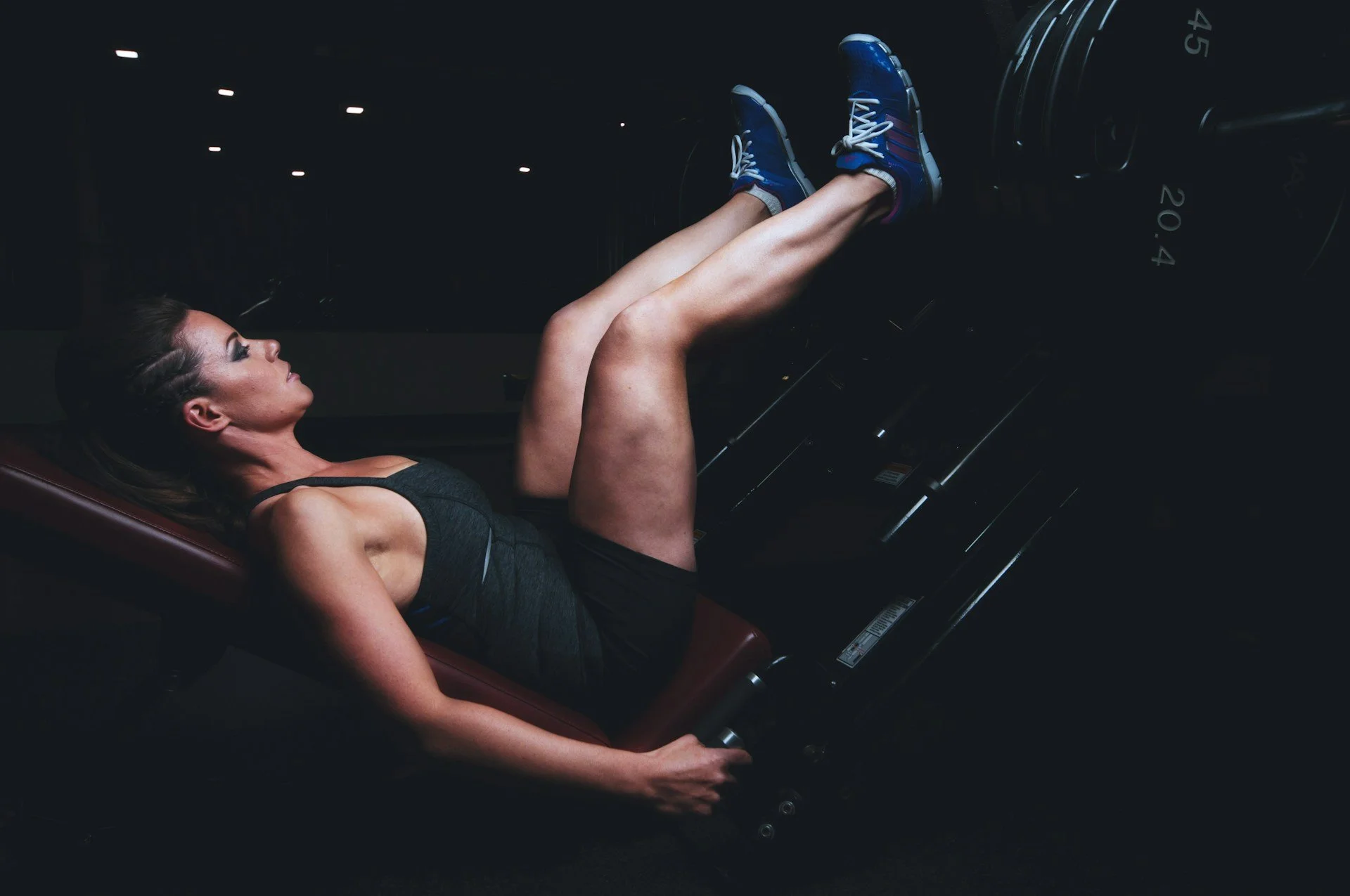
Yes, a resistance-based group class can build muscle when the exercises provide enough challenge and progress over time. Personal training allows more precise control over weekly volume and load, which may become useful for a specific muscle-building goal. Yoga, mobility and cardio classes can be valuable, but they do not all provide the same strength-training stimulus.
Is personal training worth it for beginners?
It can be. Personal training gives a beginner dedicated time to learn equipment, practise foundational movements and understand how a workout should be structured. A welcoming beginner-friendly class can also be an excellent entry point. The better choice depends on whether you learn more comfortably through individual attention or alongside a group.
How often should I see a personal trainer?
There is no required frequency. Some people train with a coach several times a week, while others use occasional sessions for programming, technique and progress checks. Your goal, experience, budget and ability to train independently should shape the schedule.
Can I combine personal training and fitness classes?
Yes. A trainer can provide a personalized foundation or focus on a specific goal, while classes add variety, conditioning, mobility and community. Let your trainer know which classes you attend so the total workload can be planned sensibly.
Are group fitness classes suitable for beginners?
Many are, especially when instructors offer clear demonstrations and scalable options. Read the class description, tell the instructor you are new and choose an intensity that lets you maintain control. If you need frequent individual modification, a personal training session may help you build confidence first.
What should I look for in a personal trainer?
Look for relevant qualifications, clear communication and a coaching style that suits you. The trainer should ask about your goals and history, explain the purpose of the program, monitor technique, track progress and stay within their professional scope.