
How to Improve Balance as You Age: It’s a Skill, Not a Trait
Balance is easy to ignore when it is doing its job. Then you stand on one foot to pull on a sock, step off a curb while looking over your shoulder or catch yourself on a patch of ice, and suddenly it has your full attention.
We often talk about balance as though it were something you were born with. Some people are “naturally balanced.” Others are “just clumsy.” It is a neat explanation, but not a very useful one. Balance is not a fixed personality trait. It is a physical skill, and skills respond to practice. That becomes more important with age, not because losing your balance is inevitable, but because several systems involved in keeping you upright can change over time. The encouraging part is that those systems can still be challenged and trained.
The short answer: To improve balance as you age, practise it regularly and combine it with lower-body strength, controlled movement and stepping in different directions. Yoga is genuinely useful because it asks you to shift weight, stabilize, focus your gaze and move between positions with control. It works best as one part of a broader routine rather than the whole plan.

Balance Is Your Body Solving a Problem in Real Time
Standing still does not look like much, but your body is busy.
Your eyes report where you are in relation to the room. The vestibular system in your inner ear tracks head movement and gravity. Sensory receptors in your feet, joints and muscles tell your brain where your body is and how the ground feels beneath you. Your nervous system sorts through that information, then your muscles make dozens of small corrections to keep you centred. This is why balance can change when you close your eyes, turn your head or stand on a soft surface.
It also explains why balance is more than “having a strong core.” Trunk control helps, but so do ankle strength, hip strength, foot sensation, vision, reaction time, coordination and the ability to take a quick step when a graceful recovery is no longer an option.
The wobble is part of the skill. Your nervous system is not grading the beauty of the pose. It is learning from the corrections.
Why Can Balance Feel Different as You Get Older?
There is no birthday on which balance suddenly disappears. Changes tend to be gradual, and they do not happen in exactly the same way for everyone.
Vision may become less sharp, particularly in low light. The vestibular system can become less sensitive. It may take longer to process a change in position and organize a response. Sensation in the feet can change, while losses in ankle, hip and leg strength can make it harder to recover once your centre of mass starts moving.
Then real life happens;… new medication, an old injury, less time spent moving, fear after a previous fall or simply avoiding movements that feel uncertain can all affect confidence and ability. The less often balance is challenged, the less familiar those challenges become. Balance helps you use stairs, carry groceries, walk on uneven ground, get in and out of a car and react when someone stops abruptly in front of you. It supports independence because ordinary life is full of small, unpredictable shifts.
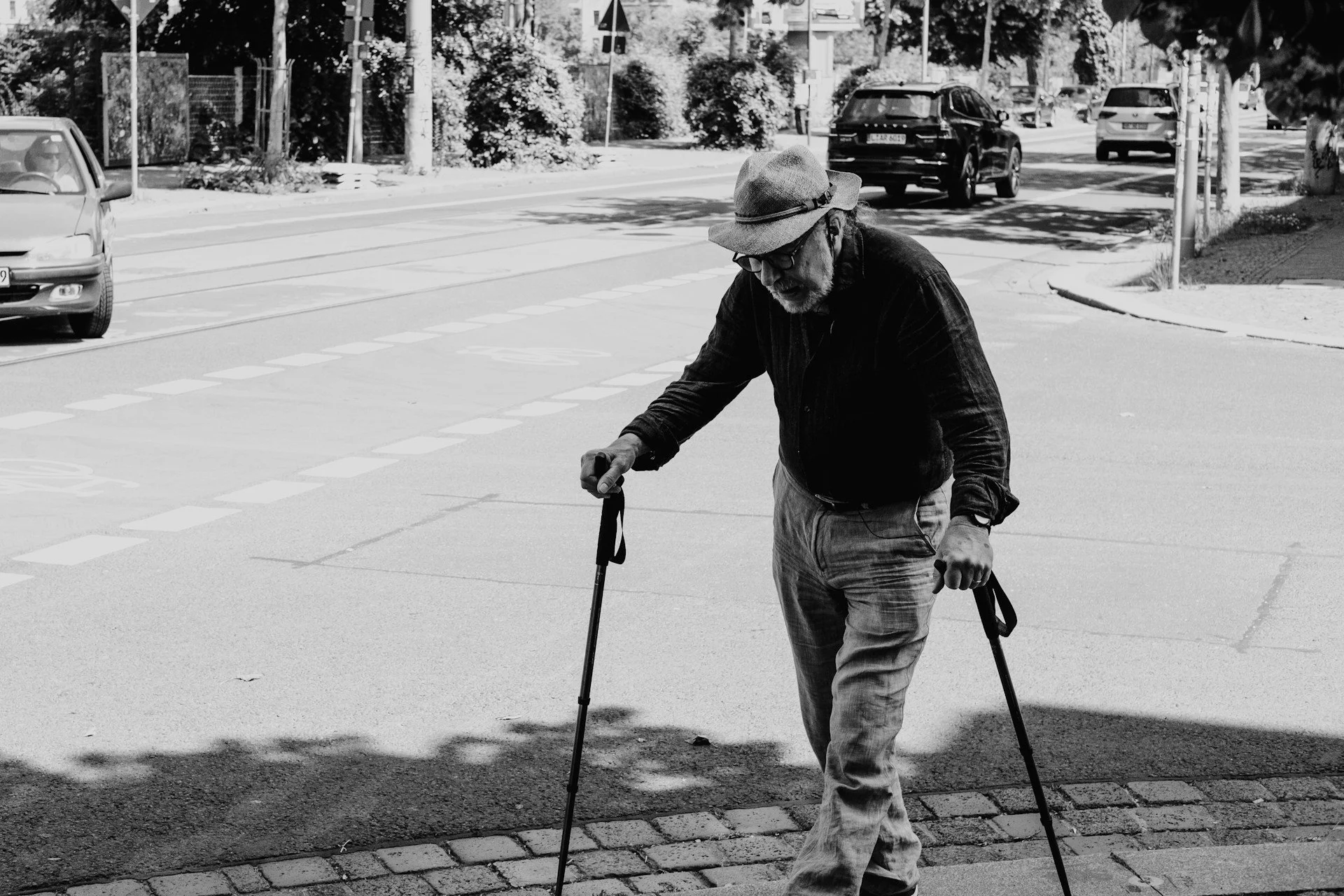
Falls are not a niche concern. The Public Health Agency of Canada reports that falls caused 89 percent of injury-related hospitalizations among adults 65 and older in 2022. That is not an argument for moving cautiously through the rest of life. It is a reason to build more capacity for it.
Balance Improves When It Has a Reason To
Walking, cycling and general fitness are excellent for health, but balance follows the same principle as every other fitness quality: it adapts to the demands you actually place on it.
A wide, steady stance on a flat floor does not ask much of the balance system. Bring the feet closer, shift more weight onto one leg, reach outside your base of support, change direction or control a step, and the problem becomes more interesting. That challenge is the training stimulus.
The evidence here is reassuring. A Cochrane review of 108 trials involving more than 23,000 community-dwelling older adults found that exercise reduced the rate of falls. Programs centred on balance and functional exercise reduced the fall rate by about 24 percent, while programs combining balance and functional work with other exercise, often resistance training, also showed benefit.
The important word is not perfect. It is challenging. Useful balance practice should ask for attention and correction without making you feel unsafe.
Yoga Is Excellent Balance Training
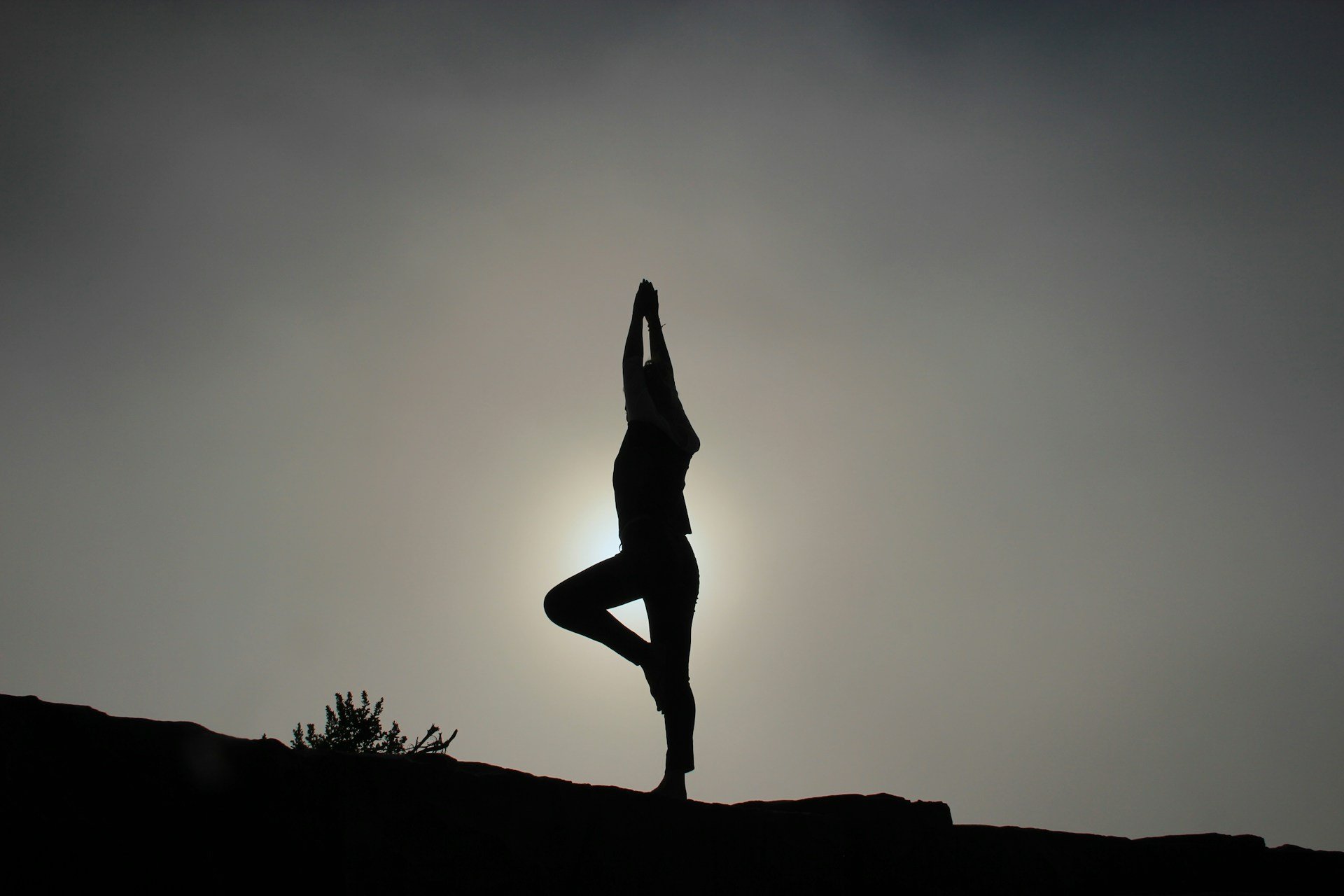
Yoga tends to enter the balance conversation through the obvious poses: Tree, Warrior III, Half Moon. Standing on one leg certainly counts, but the less dramatic parts of the practice may be just as valuable.
Think about moving slowly from a lunge into a standing position, shifting weight from one foot to the other, controlling the descent toward the floor or keeping your gaze steady while your arms and torso move. Yoga gives you time to notice where your weight is going and how you respond when it drifts.
It can train several pieces of balance at once:
foot and ankle control
hip and trunk stability
single-leg strength
body awareness
controlled changes of direction
focus and breathing under challenge
A systematic review and meta-analysis of adults aged 60 and older found that yoga produced small improvements in balance and moderate improvements in mobility. The researchers were more cautious about whether those changes lead directly to fewer falls, which is an important distinction. Yoga is useful practice, not a magic shield. There is also no prize for refusing support. A wall, barre or yoga block can let you practise the shape and weight shift without turning every attempt into a rescue mission. Reducing support gradually is progression. Using it thoughtfully is not cheating.
At VIMALIFE, VIMAZEN classes include yoga alongside Pilates, barre, meditation and restorative movement. Yoga may be the most obvious balance choice, while Pilates and barre can help build the trunk, hip and leg control that makes balance easier to use elsewhere.
But, the real-world balance is dynamic. You need to start and stop, turn, step over things, change pace and sometimes catch yourself. A complete approach should prepare you not only to stay still, but also to move and recover. That means good balance training usually includes four ingredients:
Steady positions. Narrow stances, heel-to-toe positions and supported single-leg holds teach you to control your centre of mass over a smaller base.
Weight shifts and transitions. Moving from side to side, reaching, rising from the floor and flowing between yoga poses teaches control while your body changes position.
Stepping and reactions. Forward, backward and lateral steps help you practise the strategy your body often uses when a wobble becomes too large to correct in place.
Strength. Strong calves, thighs, hips and trunk give you more options when you need to steady yourself, climb a stair or get up from a low seat.
What Good Balance Practice Actually Feels Like
You might sway. Your toes may grip the floor. You may need to tap a finger against a wall or put your other foot down. Those are corrections, not failed repetitions.
Start beside a stable counter, railing or wall. Choose a version you can recover from safely, then change one thing at a time. You might:
bring your feet closer together
move from two feet toward one
reduce how much support your hand provides
add a slow reach or head turn
step in a new direction
slow down a transition
add a light, manageable load
Closing your eyes makes balance much harder because it removes visual information. It is not the first progression most people need, especially when practising alone. A moving or unstable surface is not automatically “better,” either. The best variation is the one that challenges the skill you need while still allowing good, safe practice.
If you are brand new to balance work, five to ten focused minutes can be enough to make a session useful. Quality drops quickly when the feet and lower legs are exhausted, so balance practice often fits well near the beginning of a workout or in short doses during the week.
A Simple Balance Routine You Can Build On
This is not a universal prescription, but it shows what a short, well-rounded practice can look like. Keep a stable support within reach and work within a range that feels secure.
Sit to stand: Rise from a chair with control, then lower slowly. Use your hands if needed and reduce assistance over time.
Heel-to-toe stance: Place one foot directly or almost directly in front of the other. Hold the position, then switch sides. Widen the feet slightly if the full position feels too narrow.
Calf raises: Lift and lower your heels while lightly holding a counter. Calf strength matters for walking, stairs and small balance corrections at the ankle.
Directional steps: Step forward, sideways and diagonally, returning to the centre each time. Begin with small steps and build range as control improves.
Supported single-leg balance: Shift onto one leg and keep a fingertip on the wall as needed. Think tall and steady rather than trying to win a stopwatch contest.
A slow yoga transition: Move from Mountain Pose into a supported knee lift or Tree Pose, then return with the same control. The transition is part of the exercise, not empty space between poses.
Do one or two rounds. Stop if you feel dizzy, unwell or unable to recover the position safely. If balance is already a significant concern, an appropriate health professional or qualified trainer can help select a safer starting point.
How Often Should You Train Balance?
Balance likes frequency and benefits from being revisited.
The World Health Organization’s physical activity guidance recommends that older adults include varied activity emphasizing functional balance and strength on three or more days per week. Canada’s current guidance likewise encourages older adults to include activities that challenge balance alongside aerobic movement and strength work.
That might mean a yoga class, two strength sessions and a few minutes of balance practice at home. It does not necessarily mean adding a separate hour-long “balance workout” to an already crowded week.
Consistency matters more than creating the hardest drill you can survive. Ten calm minutes repeated is more useful than one heroic session followed by three weeks of avoidance.
Strength and Balance Belong in the Same Week
Balance tells you where your body needs to go. Strength helps you get it there. Consider recovering from a trip. You need to recognize that your weight has shifted, move a foot quickly and produce enough force through the legs and hips to stop the momentum. The response is part sensory skill, part coordination and part strength.
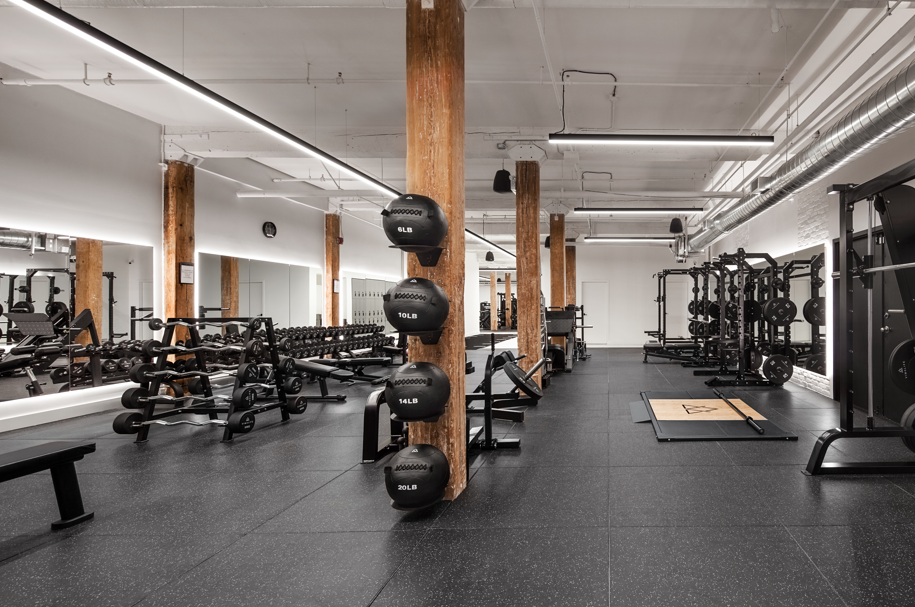
This is where a broader fitness routine earns its place. VIMAFIT strength and conditioning classes can build lower-body capacity, coordination and confidence with movement. Independent gym training can do the same when exercises and loads suit your ability. If you are unsure where to begin, returning after an injury or noticing a meaningful difference between sides, personal training at VIMALIFE offers a more individual route. A trainer can adjust stance, support, range, pace and exercise selection so the challenge is appropriate rather than arbitrary.
The goal is not to collect separate fitness qualities in separate boxes. Yoga, strength, mobility, walking and balance practice can support one another.
A Realistic Week at VIMALIFE
You do not need to reorganize your life around balance training. A useful week could be as simple as:
one or two VIMAZEN yoga, Pilates or barre classes for control, mobility and steady transitions
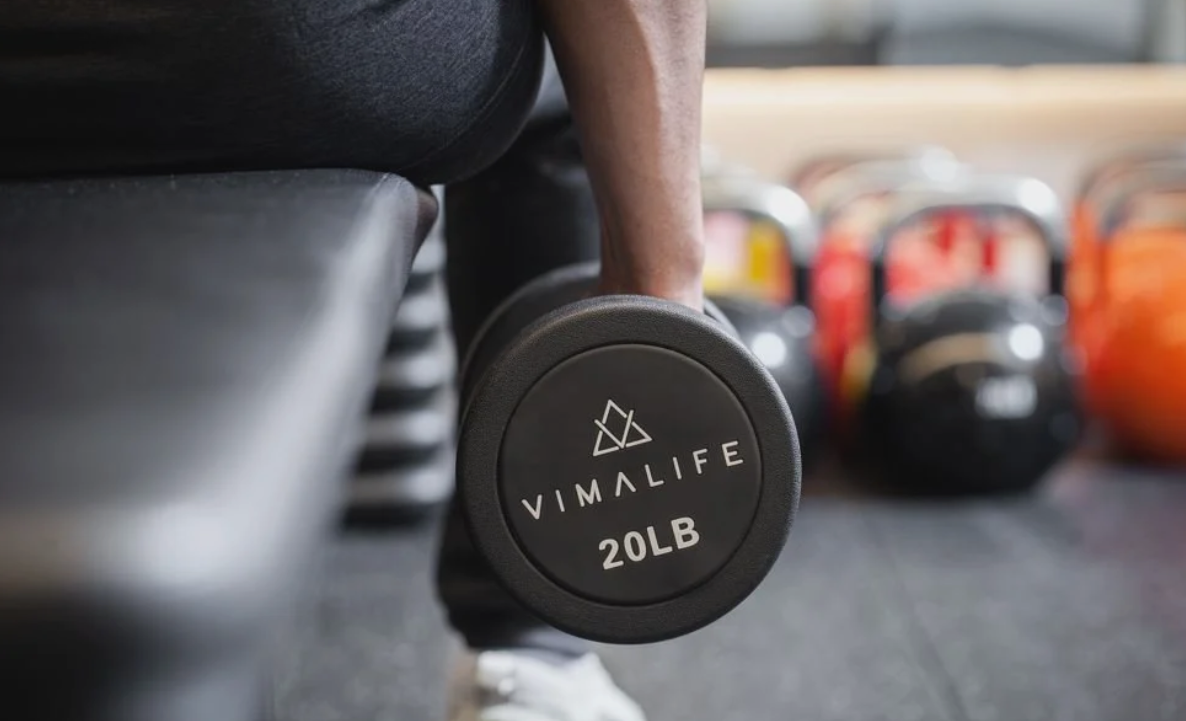
two VIMAFIT or independent strength sessions for the legs, hips and trunk
short balance practice on two or three other days, even while waiting for the kettle or taking a break from your desk
regular walking and everyday movement to keep using the capacity you are building
Some overlap is a good thing. A yoga class can challenge balance and mobility. A well-coached strength session can include split stances, step-ups and carries. A walk can add hills, turns and uneven ground when that is appropriate for you. VIMALIFE’s advantage is that these pieces live in one place. You can explore the current class options, compare gym and class memberships or book a complimentary guest-pass experience if you would like to see how the space and programming feel in person.
Gradually finding single-leg work more challenging is different from a sudden or unexplained loss of balance. Talk with a healthcare professional if you are experiencing persistent dizziness, repeated falls, fainting, new numbness or weakness, a major change after starting medication, or balance problems that interfere with normal daily movement. An assessment can help identify whether the issue relates to vision, the inner ear, nerves, joints, strength, medication or another cause. Sudden loss of balance can also be a sign of stroke, particularly when it appears with facial drooping, weakness or numbness, speech difficulty, severe headache or vision changes. The Government of Canada’s stroke guidance recommends calling 911 immediately when stroke signs appear. Exercise is powerful, but not every balance problem is a fitness problem.
Frequently Asked Questions About Balance and Aging
Can you improve your balance after 60 or 70?
Yes. People can improve balance, mobility and functional ability later in life through appropriate, consistent exercise. The right starting point depends on current ability, health conditions and fall history. Someone with significant instability should get professional guidance rather than copying advanced drills online.
Is yoga good for improving balance?
Yes. Yoga can improve balance and mobility by training weight shifts, single-leg control, trunk and hip stability, body awareness and controlled transitions. It is most useful as part of a varied routine that also includes strength and stepping practice.
How often should older adults practise balance exercises?
The WHO recommends varied activity emphasizing functional balance and strength on at least three days per week for older adults. Practice can be brief and may be included within yoga, strength sessions or daily movement rather than completed as a separate workout every time.
Why is balancing harder with my eyes closed?
Vision is one of the main sources of information your brain uses to orient your body. Closing your eyes removes that input, forcing the vestibular and somatosensory systems to do more of the work. It is an advanced progression and is not necessary for everyone.
Does strength training improve balance?
Strength gives your body more capacity to hold positions, climb, step and recover from a loss of balance. However, strength work should not completely replace balance-specific practice. A strong program includes both.
Is standing on one leg a good balance exercise?
It can be. A supported single-leg stand is easy to scale and useful for practising control. It does not cover every kind of balance, so include transitions, directional steps and lower-body strength as well.
When should poor balance be assessed?
Seek professional advice for repeated falls, persistent dizziness, fainting, sudden changes, new weakness or numbness, or balance problems that interfere with daily life. Call 911 for sudden balance loss accompanied by other possible stroke signs.