Natural Fibre Workout Clothes: Why Your Activewear Fabric Matters
Wellness culture is growing up.
People are reading labels now. They are asking what is in their skincare, what is in their food, what is in their water bottle, what is touching their skin all day, and yes, what their leggings are actually made of.
It makes sense. If we care about how we train, how we recover, how we sleep, how we breathe and how we support our nervous system, clothing eventually enters the conversation. Especially workout clothing, which sits close to the body, moves with sweat, gets washed constantly and often lives somewhere between gym wear, errands, coffee runs and school pickup.
Natural fibre workout clothes are becoming part of a bigger shift in modern wellness. Not because everyone needs to throw away their leggings tomorrow, but because we are starting to understand that our routines are made of small choices. Fabric is one of them.
And in a neighbourhood like Leslieville, this conversation fits. Leslieville has always had a taste for things that feel considered. Independent shops, good coffee, local design, thoughtful wellness, slow mornings, community energy, and the very east-end mix of polished & relaxed. People here like beautiful things, but not in a shallow way. They like things that work and that last. Things that feel good to live in. So maybe it is time to talk about what we are actually wearing to work out.
The Activewear Problem No One Really Wanted to Think About
Most modern activewear is made from synthetic fibres like polyester, nylon, acrylic and elastane. In other words, plastic-based materials.
That does not mean every synthetic garment is automatically terrible. Performance fabrics exist for a reason. They can be stretchy, durable, sweat-wicking, lightweight and supportive. If you are running, doing high-intensity training, lifting, cycling or taking a heated class, you can understand why these materials became so popular. The issue is that plastic activewear became the default.
Leggings, sports bras, tanks, bike shorts, compression tops, fleece, socks, matching sets, “buttery soft” everything. A lot of it is made from plastic-derived fibres, and a lot of it is produced quickly, cheaply and constantly.
The problem is not one pair of leggings. The problem is the volume. The churn. The idea that every fitness phase needs a new outfit, every season needs a new colourway, and every drawer needs ten versions of the same black legging. That is where the wellness conversation gets interesting. Because if our routines are meant to support health, sustainability and longevity, maybe our clothing should not be totally separate from that.
There is also something interesting about looking back at activewear from the 80s and 90s. Before every workout outfit became a matching synthetic set, fitness clothing often felt more intentional, more designed and, in many ways, more personal. Most activewear was made of cotton sweatshirts, ribbed tanks, terry shorts, heavyweight tees, bike shorts under oversized layers, dance-inspired bodysuits, stirrup leggings, crew socks, warm-up jackets and pieces that moved between the studio, the street and everyday life. Of course, synthetic stretch fabrics still existed, Lycra and nylon were very much part of the era, but the overall feeling was different. Activewear was not yet dominated by the same ultra-slick plastic blend repeated across every brand. There was more texture, more shape, more styling and more natural-feeling fabric in the mix. It felt less like disposable performance wear and more like clothing with a point of view.
What Are Microplastics in Clothing?
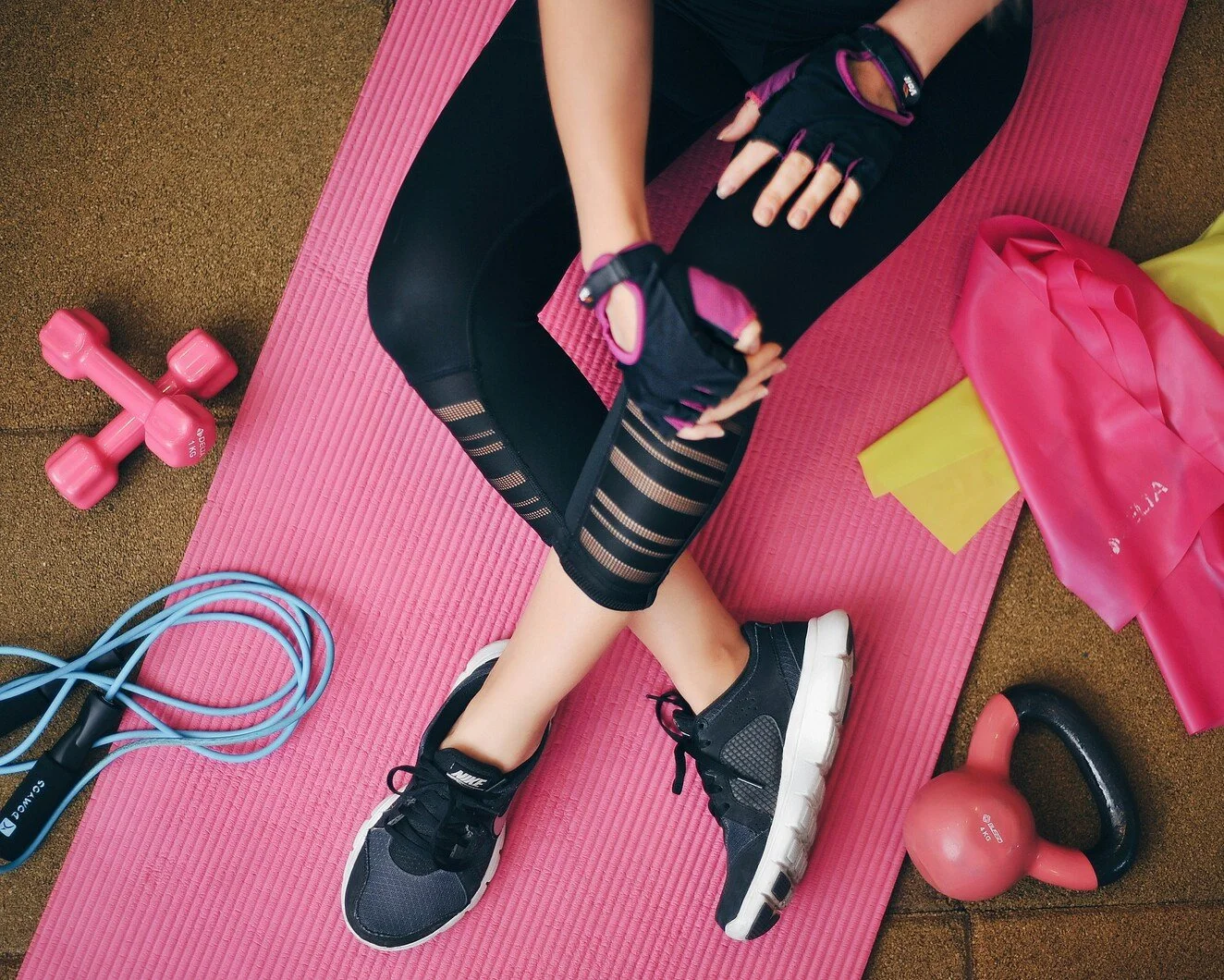
Microplastics are tiny plastic particles. In clothing, they can come from synthetic textiles like polyester, nylon, acrylic and spandex. When these garments are worn, washed and dried, they can shed very small fibres, sometimes called microfibres. Those fibres can move through laundry water, household dust and the environment. They are one reason people have started paying closer attention to plastic-based fashion and activewear. This does not mean you need to panic every time you wear leggings. It does mean the fabric conversation is worth having.
The wellness industry talks a lot about what we consume. Supplements, protein, hydration, minerals, organic food, filtered water. But clothing is also part of our daily exposure and environmental footprint. We wear it for hours. We sweat in it. We wash it. We replace it.
If the goal is a more intentional lifestyle, fabric is not a random detail. It is part of the system.
Why Natural Fibres Are Having a Moment
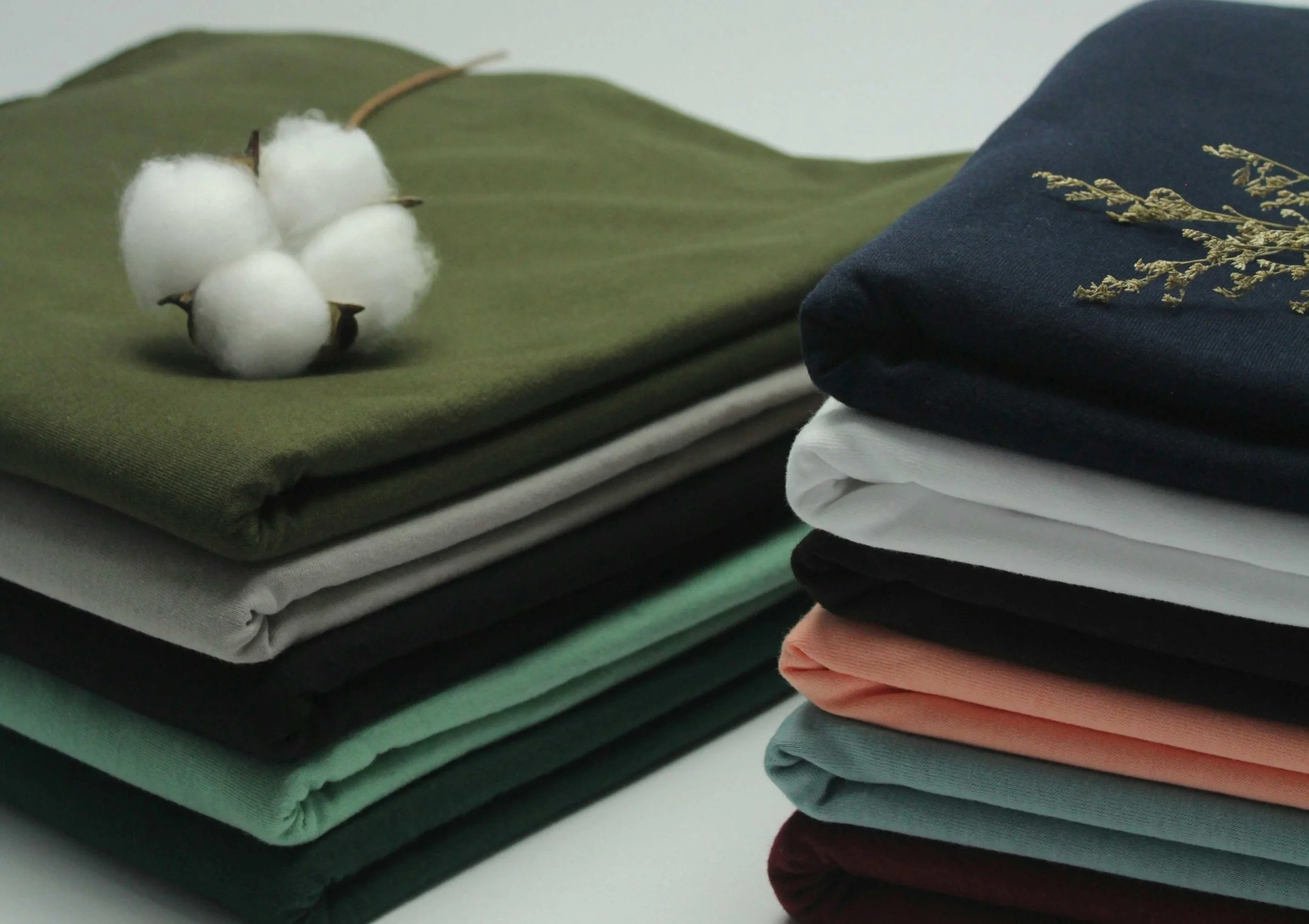
Natural fibres are materials that come from plants or animals, such as cotton, wool, linen, hemp and silk. In activewear, you will also see materials like merino wool, organic cotton, hemp blends, bamboo viscose, TENCEL™ Lyocell and other plant-derived fabrics. Natural fibre activewear has become more interesting because people want clothing that feels less plastic, less disposable and less chemically slick.
There is also something emotionally different about natural fibres. A cotton tee feels honest. Merino wool feels intelligent. Linen feels lived-in. Hemp feels grounded, these fabrics often have a quieter energy they don’t always scream “workout.” They feel more like a lifestyle. The new wellness aesthetic is less about looking like you are constantly on your way to an intense workout and more about living in a body you care for. A walk, a Pilates class, strength training, groceries, coffee, stretching at home, a slow Sunday, a personal training session, a class at your local fitness club. The clothing has to move through all of that.
Natural Fibre Workout Clothes Are Worth Considering
This is where we should be honest. Natural fibre workout clothes are not always the best choice for every single workout.
If you are doing a very sweaty HIIT class, a long run, heavy compression work or a high-friction workout, synthetic blends may still perform better in certain ways. They often dry quickly, stretch easily and hold shape well. Some natural fabrics can feel heavier when wet or may not provide the same compression.
But that does not mean the choice is plastic or nothing.
It means you can be more strategic.
For strength training, Pilates, yoga, barre, mobility, walking, low-impact classes, recovery days, commuting to the gym, warming up, layering, stretching or errands after class, natural fibres can be beautiful. A merino tee. An organic cotton tank. A hemp blend sweatshirt. A cotton-rich bike short. A wool sock. A simple long sleeve that does not feel like a plastic bag.
The goal is not perfection, rather it’s all about a better wardrobe rhythm.
The Fabrics to Look For
If you are trying to move toward more natural fibre workout clothes, start with labels.
Merino wool is one of the most interesting performance natural fibres. It can help with temperature regulation, breathability and odour resistance, which makes it especially useful for base layers, socks, tees and outdoor movement. Organic cotton is soft, familiar and comfortable. It works well for lower-impact movement, strength training, walking, lounging and post-class wear. It may not dry as quickly as synthetics, but it feels good on skin and is easy to wear beyond the workout. Hemp is durable, breathable and naturally more textured. It often works well in blends and has a grounded, understated feel. TENCEL™ Lyocell is made from wood pulp and is known for softness and breathability. It is not “natural” in the same simple way as cotton or wool because it is processed, but it is plant-derived and often used in more conscious basics and activewear-adjacent pieces.
Bamboo viscose is soft and popular in wellness clothing, though it is worth remembering that processing matters. Not every bamboo fabric is automatically sustainable, so brand transparency is important. Linen is not usually a gym fabric, but for lifestyle layers, warm weather, walking and post-class dressing, it has a place. A small amount of elastane or spandex can help with stretch. That is the reality of activewear. If you need support, compression or shape retention, a blend may be more wearable than a 100% natural garment. The point is to reduce unnecessary plastic, not become impossible about it.
Brands People Are Talking About
There are a few brands that come up often in the natural fibre, low-plastic or more thoughtful activewear conversation.
Icebreaker and Smartwool are known for merino wool performance layers, socks and active pieces. They are good examples of brands making natural fibres feel technical rather than old-fashioned. PANGAIA has explored bio-based activewear and plant-based materials, which makes it interesting for people who like innovation and sustainability with a cleaner aesthetic. Mate the Label is often loved for organic cotton basics and that soft, California wellness feel. It leans more lifestyle than intense training, but that is exactly why people like it. Patagonia is not a natural-fibre-only brand, but it deserves mention because it has been part of the broader conversation around durability, repair, recycled materials and reducing environmental impact. For outdoor layers and long-lasting gear, it is still one of the brands people look to.
And then there is the most underrated option: buying less.
The most sustainable workout wardrobe is rarely the one with the most “eco” labels. It is the one you actually wear, care for and keep.
What to Wear for Different Workouts
For strength training, natural fibre tops can work really well. A cotton or merino tee, a breathable tank, a wool sock and a supportive bottom you already love can be more than enough. You do not need a fully synthetic outfit to lift weights.
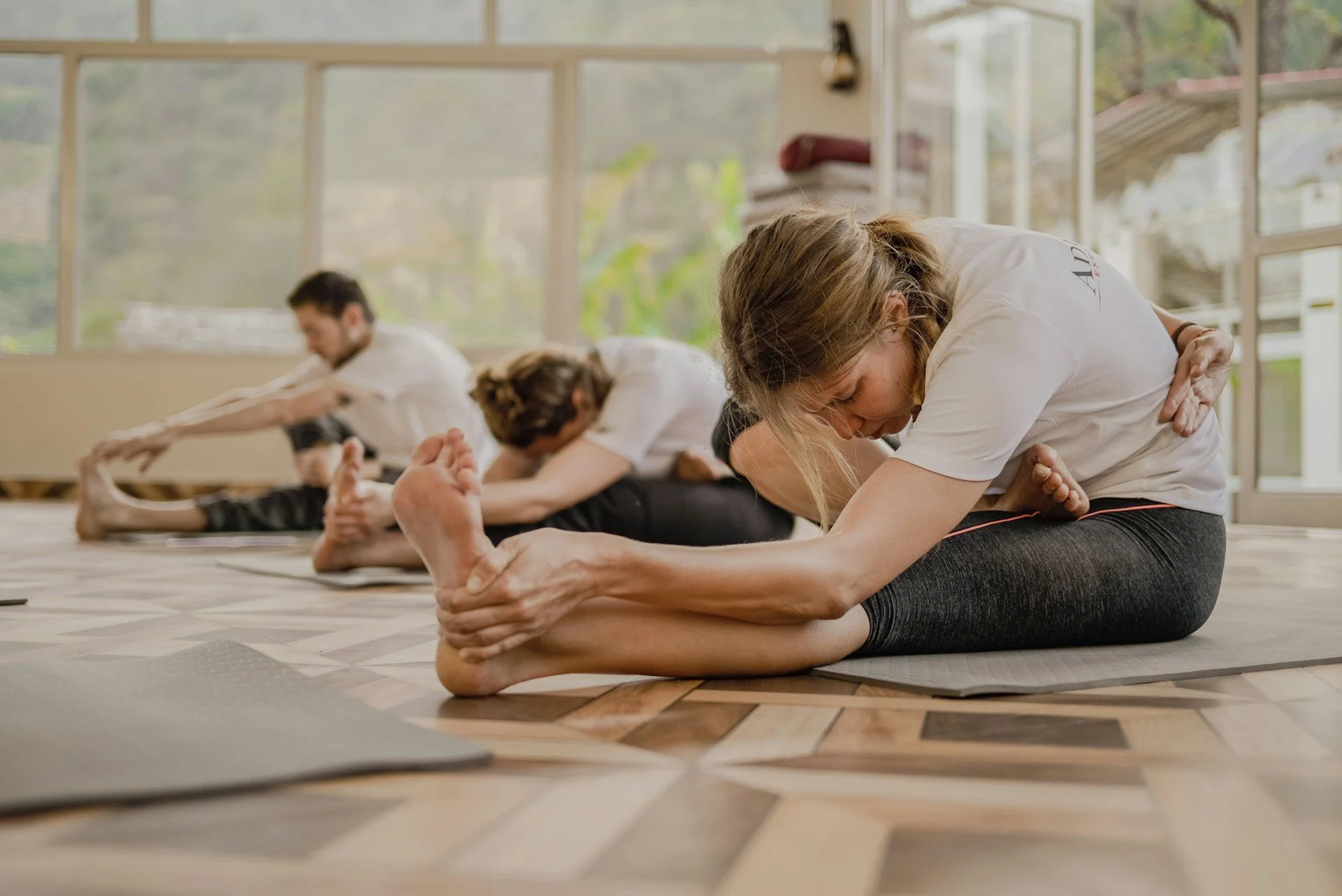
For Pilates, yoga and barre, softness and stretch matter. This is where cotton-rich blends, TENCEL™ layers and lower-plastic pieces can feel beautiful. You want clothing that moves with you but does not distract you.
For mobility, recovery and breathwork, natural fibres feel especially aligned. These are slower practices, and clothing can help set the tone. Soft layers, breathable fabrics and less compression can make the whole experience feel more grounded.
For high-intensity training, you may still prefer technical synthetics, and that is okay. This is where quality matters. Choose pieces that hold up, wash them properly and avoid buying more than you need.
For everyday wellness, natural fibres shine. Walking, stretching, errands, travel, working from home, commuting to the club. These are the places where you can reduce plastic-based clothing without compromising your workout.
How to Care for Plastic-Based Activewear You Already Own
This part matters because the answer is not to throw everything away.
If you already own polyester or nylon activewear, use it. Care for it. Keep it in rotation. The least sustainable thing is often replacing your whole wardrobe overnight because of a new wellness trend.
You can reduce shedding and extend the life of synthetic activewear by washing less often when possible, using cold water, choosing gentle or shorter cycles, washing full loads, air drying, avoiding high heat and using a microfiber-catching laundry bag or filter if you want to go further.
Also, buy fewer, better pieces. A well-made synthetic legging you wear for five years is very different from a cheap pair you replace every few months. Longevity applies to clothing too.
Why This Belongs in the Wellness Conversation
It might seem strange for a fitness club to talk about fabric.
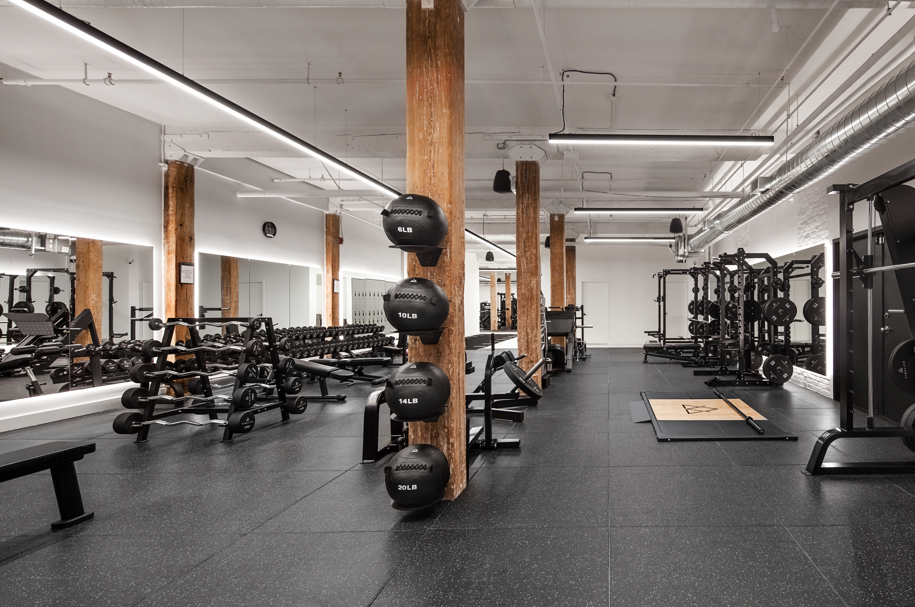
At VIMALIFE, wellness is not treated as one thing. It is not just the workout. It is the routine around the workout. How you arrive. How you train. How you recover. How you feel in the space. How supported you feel. How easy it is to keep going.
That is why the conversation around natural fibre workout clothes belongs here. If you are building strength, taking Pilates, practicing yoga, working with a personal trainer, walking through Leslieville, taking care of your nervous system and trying to live in a more intentional way, then what you wear can become part of that same philosophy. Not in a precious way. In a practical way. The same way you might choose a better water bottle, better skincare, better shoes, better sleep habits or a better fitness routine, you might start choosing better fabrics. Small shifts. Better defaults.
Move With Intention at VIMALIFE
VIMALIFE is a boutique fitness club in Leslieville, Toronto, designed for people who want fitness, wellness and lifestyle to feel connected. With open gym access, 200+ monthly classes, personal training, Pilates, yoga, barre, strength, conditioning, recovery-focused movement and premium amenities, VIMALIFE brings together the pieces of a more intentional routine in one elevated space.
Explore the VIMALIFE class schedule, learn more about personal training in Leslieville, or view membership options to build a wellness routine that feels stronger, smarter and more sustainable.