Your Body Might Need a Reset, Not Another Harder Workout
There is a point where “push through it” stops sounding inspiring and starts sounding a little suspicious….
Most people are not walking around under-motivated, they are overextended. They are answering messages before breakfast, sitting too long, sleeping too lightly, rushing between work and errands and family and plans, carrying tension in their jaw without noticing, and then being told that the solution is to wake up earlier, train harder, track more, eat cleaner, optimize better, and somehow become a calmer person in the margins.
Maybe that’s why so many people are starting to rethink what fitness is supposed to feel like. Not the old version of recovery, where you only stretched after you hurt something, or took a rest day because your body forced you to. The new version is more interesting than that. It is recovery as a real part of the routine. Recovery as training support. Recovery as nervous system care. Recovery as the thing that allows strength, consistency and energy to actually last.
This is the shift happening in fitness right now. People still want to feel strong. They still want muscle, confidence, better posture, better energy, better endurance and that satisfying feeling of doing something good for their body. But they also want to stop feeling like wellness is another performance. They want workouts that support their life instead of stealing from it.
The next era of fitness is not about doing less. It is about doing things in a smarter order.
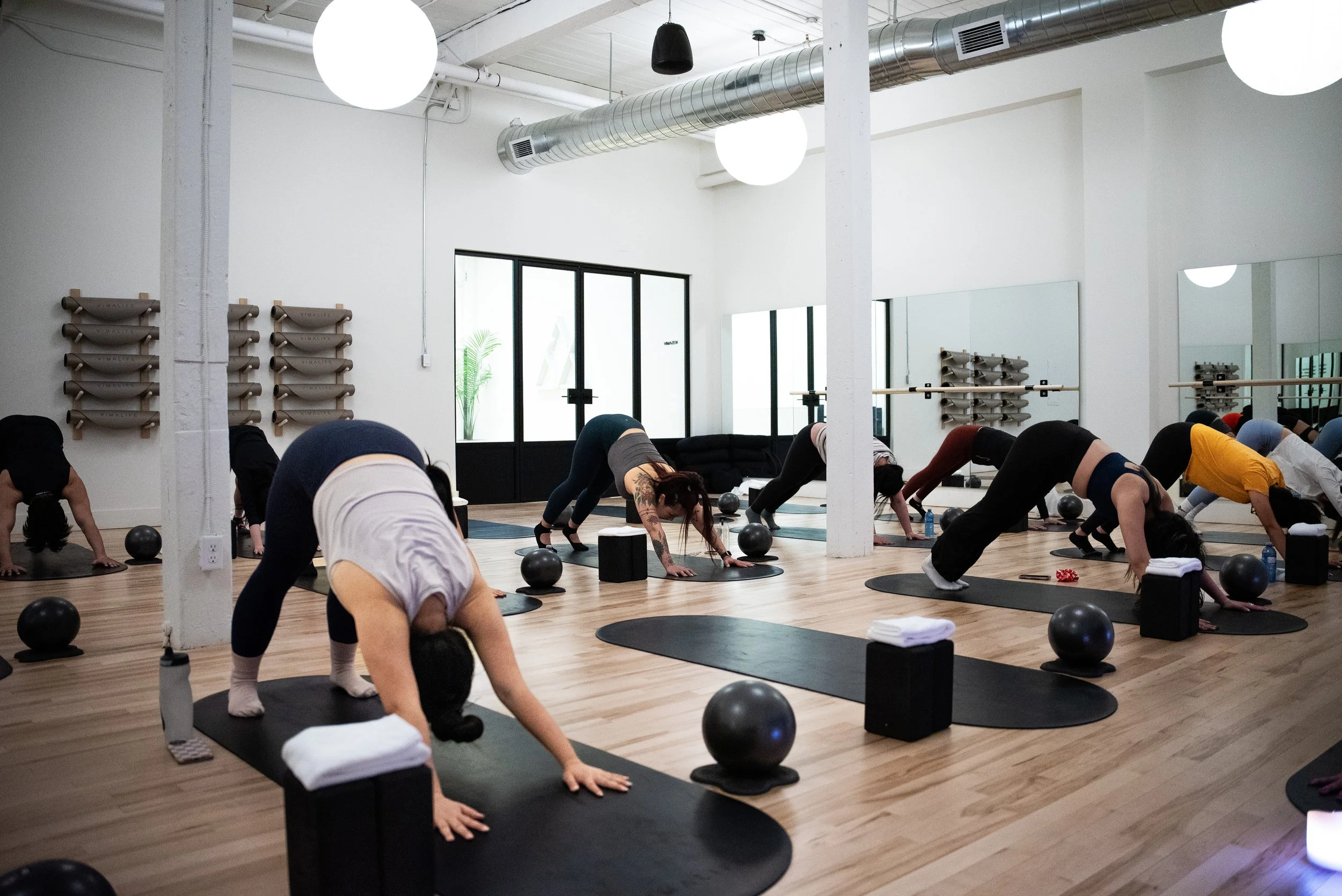
At VIMALIFE, that idea sits naturally inside the club experience. You can strength train, take Pilates, move through yoga, build endurance, work with a personal trainer, slow down in a mobility or recovery-focused class, and create a routine that has both energy and ease. That matters because a real body living a real life does not need the same workout every day.
Sometimes you need effort. Sometimes you need softness. Most of the time, you need a better relationship between the two.
The Problem With “More” Fitness
Fitness culture has a long history of making exhaustion look like achievement.
If you left class drenched, shaking and slightly unable to walk down the stairs, the workout was considered a success. If you were sore for days, even better. The soreness became proof. The intensity became the point. The recovery became an afterthought.
There is still a place for intensity. A hard workout can feel amazing. Strength training can be deeply grounding. Conditioning can clear your head in a way few things can. Sometimes sweating is exactly what you need.
The problem is when every workout becomes a test. When fitness is always about more, the body eventually starts negotiating. Your sleep gets weird. Your motivation dips. Your shoulders stay tight. Your hips feel locked. Your resting energy feels lower than it should. You are technically “doing everything right,” but you do not feel as good as the routine promised you would. That is usually the moment people start looking for a reset.
Not a dramatic life overhaul. Not a 30-day challenge. Not a new identity. Just a way to train that feels more intelligent. A way to keep strength in the routine without making the whole week feel like a stress response.
Why Everyone Is Talking About the Nervous System
“Nervous system reset” can sound like one of those wellness phrases that suddenly appears everywhere, usually next to a beige outfit and a very expensive candle. But underneath the trend is something practical.
Your nervous system is involved in how your body responds to stress, effort, rest, breath, sleep, movement and recovery. In everyday terms, it is part of why you can feel wired after a long day even when you are physically tired, or why a slower class can sometimes leave you feeling more restored than another high-intensity workout. The wellness world is paying attention to this because modern life keeps people switched on. Even when nothing dramatic is happening, the pace of daily life can make the body feel like it never fully comes down. Phones, screens, work pressure, noise, social plans, family logistics, city life, too much caffeine, not enough sleep. It adds up.
So when people talk about a nervous system reset, what they are often craving is not something complicated. They want a routine that helps them feel less scattered. They want to move in a way that brings them back into their body. They want to feel capable and calm in the same week, sometimes even in the same hour.
That is where recovery workouts, mobility training, yoga, Pilates, breathwork and intelligently programmed strength training all start to make sense together.
Recovery Is Not Passive
One of the biggest misconceptions about recovery is that it means doing nothing.
Sometimes it does. Rest is real. Sleep matters. A quiet evening can be more useful than another class you are forcing yourself through.
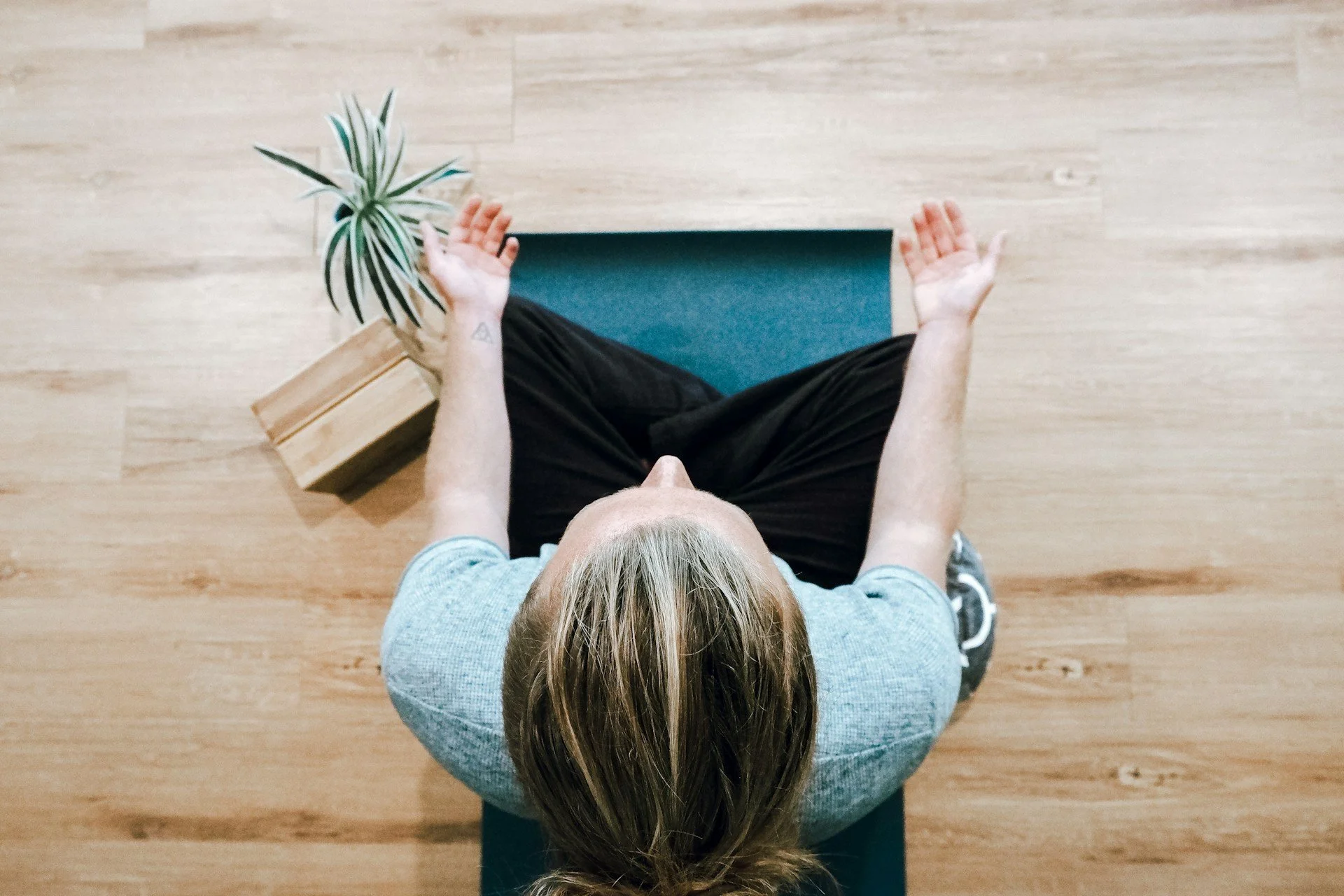
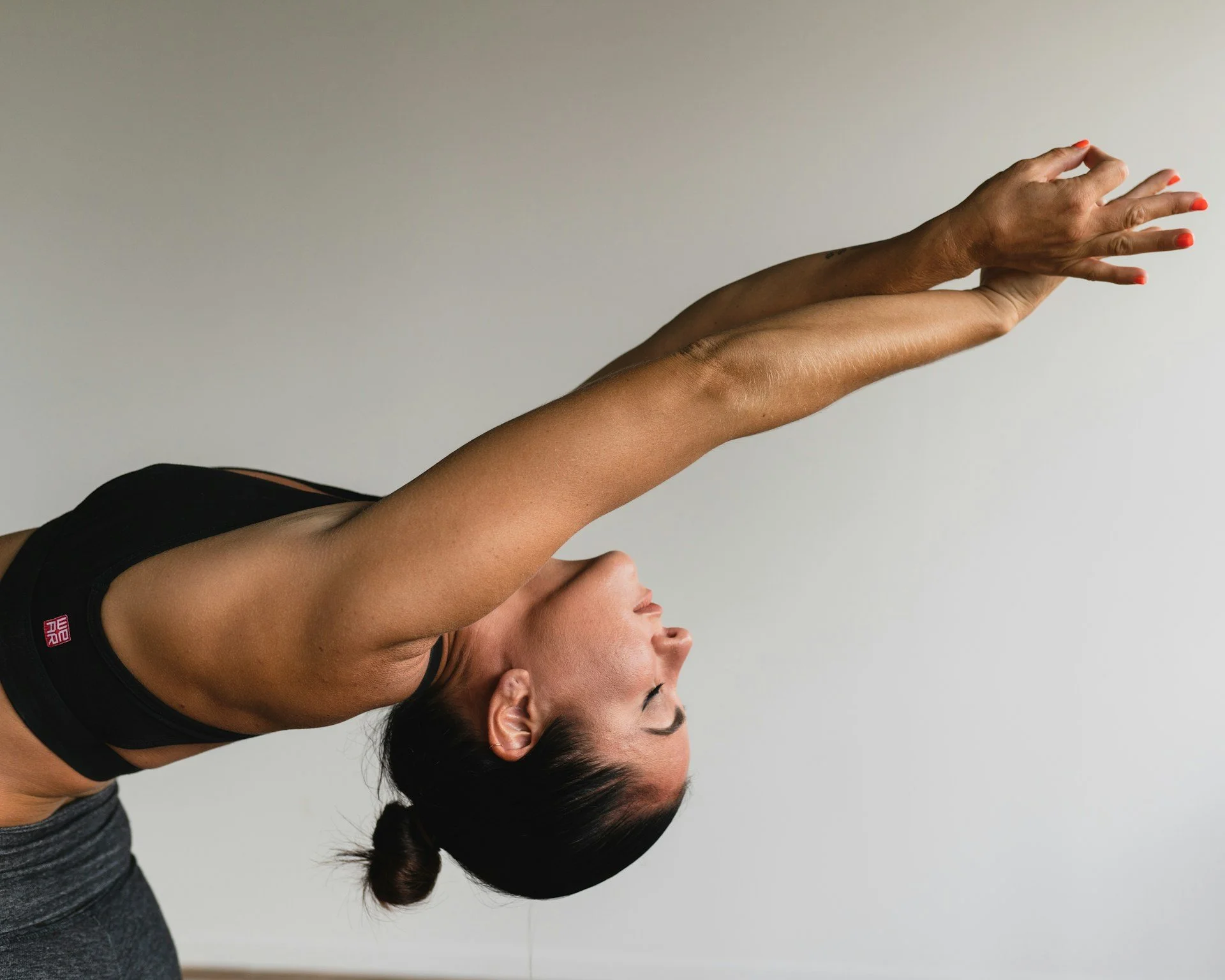
But recovery can also be active. It can be a yoga class that helps you breathe more fully. It can be mobility work that gives your hips and spine more room. It can be Pilates that asks you to slow down and notice how you are moving. It can be walking through Leslieville with no headphones. It can be a lower-intensity workout where the goal is not to crush yourself, but to feel better when you leave than when you arrived.
Recovery is not laziness. It is the part of training that helps the body absorb the work. This is especially true if you strength train. Muscle is built through stress and repair, not stress alone. If you are lifting, taking conditioning classes, or trying to build consistency on the gym floor, recovery is not optional background noise. It is part of the result.
That is why the phrase “strength training and recovery” is becoming more important. People are realizing that the strongest routine is not the one that ignores recovery. It is the one that uses recovery to make strength more sustainable.
Strength Still Belongs in the Reset
A calmer approach to fitness does not mean abandoning strength. Actually, strength training may be one of the most important parts of a reset routine because it gives the body capacity. It helps with posture, confidence, bone health, muscle maintenance and everyday function. It teaches you to produce force, stabilize, carry, lift, pull, push and move through life with more ease.
The difference is in how strength is placed inside the week. Strength training works best when it is supported by the other pieces: mobility so your body can move well, yoga or breathwork so your system can come down, Pilates so you build control and awareness, recovery days so you can actually adapt, and personal training if you want a clearer plan.
The old model treated recovery like the opposite of progress. The smarter model treats recovery like the thing that protects progress.
At VIMALIFE, this is part of why the club is built as an all-in-one fitness experience. Members can use the gym floor, take strength and conditioning classes, add Pilates or yoga, book personal training in Leslieville, and move between VIMAFIT and VIMAZEN depending on what their body needs that week. That flexibility is not just convenient. It is what makes consistency more realistic.
The New Luxury Is Feeling Regulated
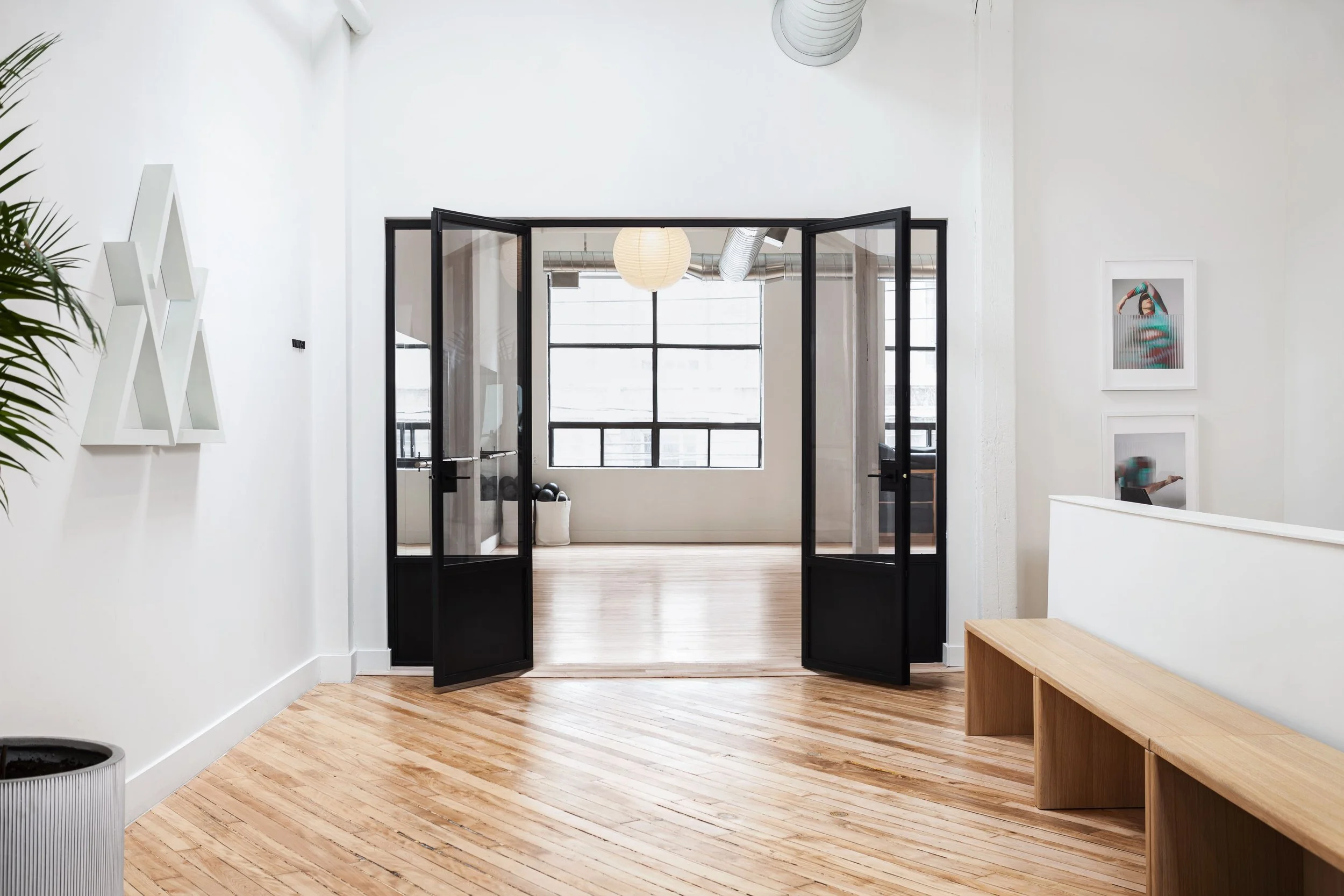
Luxury fitness used to be mostly visual. Beautiful lighting, nice towels, premium changerooms, good branding, sleek equipment. Those things still matter, but the definition has expanded. Now the real luxury is also how a space makes you feel.
Can you walk in and exhale a little? Can you train hard without the room feeling chaotic? Can you take a slower class without feeling like you are wasting time? Can you go from a busy workday into a space that helps you transition instead of adding more noise?
This is where boutique fitness has an advantage. A good boutique fitness club is not just selling workouts. It is creating an environment people want to return to. That environment matters more than we often admit because consistency is emotional as much as it is logistical.
People return to places that feel good.
A fitness club can have the best equipment in the city, but if it feels cold, overwhelming or impersonal, the routine becomes easier to abandon. On the other hand, a club that feels thoughtful, clean, calm, energizing and personal becomes part of your week in a different way. That is why recovery and nervous system support are not only about class types. They are also about the whole experience.
What a Reset Routine Could Look Like
A reset routine does not need to be complicated, and it definitely does not need to look the same for everyone.
For someone who feels burnt out, it might start with two classes a week: one strength-based and one slower, like yoga, mobility or Pilates. That is enough to rebuild trust with the body without turning fitness into another pressure point. For someone who already trains often, it might mean keeping strength training in place but adding one recovery-focused class, one true rest day and more attention to sleep, hydration and walking. For someone who feels intimidated by the gym, it might mean starting with personal training so the space feels less overwhelming and the plan feels clear. For someone who loves classes, it might mean choosing a weekly mix that includes effort and ease: strength, conditioning, Pilates, yoga and mobility instead of five versions of intensity.
A simple version could look like this:
Monday: strength training
Tuesday: yoga or mobility
Wednesday: walk or rest
Thursday: conditioning or gym floor
Friday: Pilates or barre
Weekend: one class, one slower day, or whatever your life actually allows
The point is not the exact schedule. The point is the rhythm. Build, recover, move, breathe, repeat. That is the part people can live with.
Why an All-in-One Club Makes the Reset Easier
One of the quiet reasons people fall out of wellness routines is that everything gets too scattered. The gym is in one place. Pilates is somewhere else. Yoga is across town. Personal training is another booking. Recovery is something you keep meaning to do at home, but then it becomes 9:30pm and the laundry still needs to be folded.
This is why an all-in-one fitness club can make such a difference. When your training, classes, coaching and recovery options are in one place, your routine has fewer barriers. You can change the plan without quitting the plan. If your body feels good, you can train. If you need structure, you can work with a coach. If you need to reset, you can choose yoga, Pilates, mobility or breathwork. If you want community, you can take a class. If you want independence, you can use the gym floor.
That is the real value of a club like VIMALIFE. It supports more than one version of you.
Explore the VIMALIFE class schedule, learn about personal training, or view membership options if you are building a routine that needs both strength and recovery.
The Reset Is Not a Trend, It Is a Correction
The reason this conversation feels timely is because people are tired of wellness that feels like another thing to succeed at. They are tired of turning health into a checklist. They are tired of being told to do more when what they really need is a better rhythm. They are tired of fitness spaces that only understand intensity and wellness spaces that only understand softness.
The future is somewhere in the middle.
A good routine can make you stronger without making you feel constantly depleted. It can include sweat without making sweat the whole point. It can include recovery without making recovery feel like a compromise. It can support your nervous system without turning your nervous system into another project to optimize. That is what the reset is really about. It is not anti-effort. It is anti-burnout.
It is not about skipping the hard things. It is about making sure the hard things are actually helping.
Reset Your Routine at VIMALIFE
VIMALIFE is a boutique fitness club in Leslieville, Toronto, designed for people who want fitness, wellness, coaching and recovery to feel connected. With open gym access, 200+ monthly classes, personal training, strength training, Pilates, yoga, barre, conditioning, mobility, recovery-focused movement and premium amenities, VIMALIFE brings together the pieces of a smarter routine in one elevated space.
If you are looking for a gym in Leslieville, a wellness club in Toronto, yoga in Leslieville, Pilates in Leslieville, personal training in Leslieville or fitness classes in Leslieville that help you feel strong without feeling burnt out, VIMALIFE was built for that balance.
Explore VIMALIFE, browse our class schedule, learn more about personal training, or view our community and member benefits.