
Personal Training in Leslieville: How to Find the Right Trainer and Training Plan
Most gyms are filled with possibilities. Rows of dumbbells, stacks of weight plates, machines with adjustable seats and cables that seem capable of moving in every direction. But possibility is not the same thing as direction. You can spend an hour moving from one exercise to the next and still leave wondering whether the session brought you any closer to your goal. The problem is rarely the lack of effort. More often, it is the absence of a clear plan: what to do, why it matters and how today’s workout should connect to the next one.
This is where personal training becomes valuable. A thoughtful trainer brings order to the noise. Trainers notice how you move, understand where you are starting and build a progression around your goals, experience and life outside the gym. They know when to challenge you, when to adjust and when the most productive thing you can do is practice the basics again. For anyone exploring personal training in Leslieville, the real question is not simply whether to hire a trainer. It is how to recognize coaching that helps you become stronger, more confident and increasingly capable on your own.
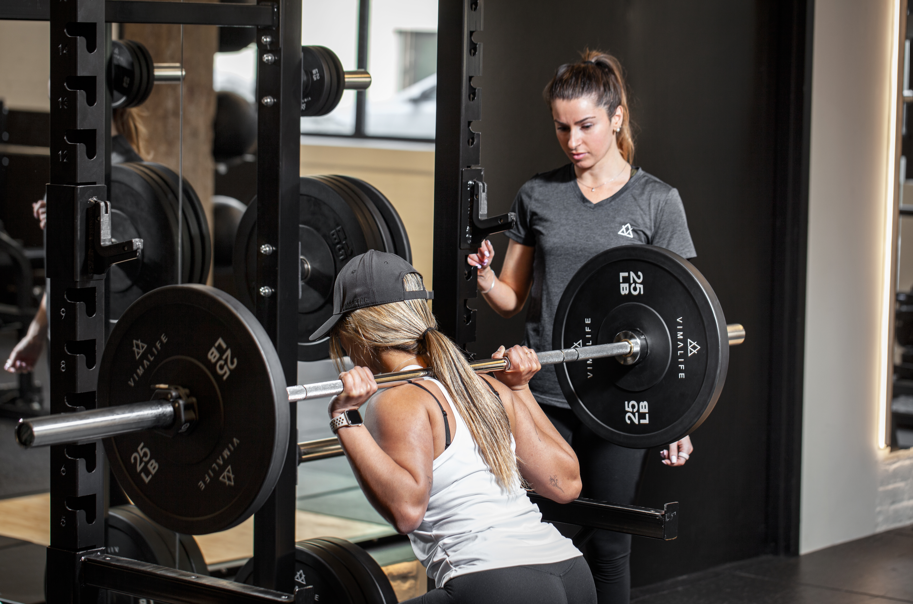
What Does a Personal Trainer Do?
Even Olympians have coaches. The world’s most accomplished athletes, people who understand their sport, know their bodies and have spent years refining their performance, still rely on someone standing outside the effort. Someone who can see what they cannot, notice when technique begins to shift and decide whether the moment calls for more intensity, a different approach or simply patience.
The rest of us are no different. From the outside, personal training can look deceptively simple: one person exercises while another watches. But watching is not the same as observing, and the most important work is often the least visible. A thoughtful personal trainer notices how you move. They ask about your training history, learn what you want to accomplish and understand what your life realistically allows. Then they connect those pieces through decisions about exercise selection, technique, resistance, repetitions, recovery and progression. As your body adapts, the plan should adapt with it. Depending on your starting point, a personal trainer can help you:
Learn to use gym equipment confidently
Improve your lifting technique
Build strength and muscular endurance
Return to exercise after time away
Prepare for a recreational or athletic goal
Bring structure to an inconsistent routine
Move beyond a plateau
Understand how hard you should be training
Develop workouts you can eventually perform independently
A trainer’s job is not to make every session as exhausting as possible. Sweat, soreness and fatigue may accompany a good workout, but they are not proof of an effective program. Good personal training is not random difficulty dressed up as discipline. It is an informed process: someone paying attention, making thoughtful adjustments and helping your effort lead somewhere.

Why Strength Training Deserves a Place in the Plan
Strength training is sometimes treated as something reserved for athletes, bodybuilders or people who already know their way around a squat rack. It is much broader than that. The World Health Organization’s physical activity guidelines recommend that adults perform muscle-strengthening activities involving the major muscle groups at least twice per week. Strength training can support physical function, bone health, joint stability and the ability to handle the demands of everyday life. But knowing that you should strength train does not automatically answer the practical questions.
What counts as strength training? Which muscles are you missing? How many sets should you perform? When should you increase the weight? How do you challenge yourself without jumping too far, too quickly? A personal trainer can translate broad health recommendations into something far more useful: a plan you can actually follow.
For one person, that might mean learning five foundational movements and training twice a week. For someone else, it could mean improving their squat, building upper-body strength or creating a program that works alongside running, Pilates or recreational sport. The best plan is not the most complicated one. It is the one that matches the person doing it.
The Difference Between Exercising and Training
Exercise is movement performed today. Training is movement organized over time. Both have value.
A walk, a yoga class, an energetic circuit or an unplanned gym session can all make you feel better and contribute to an active life. But when you have a specific goal, a collection of unrelated workouts can eventually become frustrating. Training introduces continuity. Your exercises are selected for a reason. Your performance is tracked. The challenge gradually changes as you become stronger or more capable. Instead of starting from zero every Monday, each week builds on the one before it. This gradual increase in challenge is often called progressive overload. It does not always mean adding more weight. Progress can also come from improving control, increasing range of motion, performing another repetition, using better technique or completing the same work with greater confidence.
A good personal trainer knows when to progress an exercise, and when the wiser decision is to keep practicing it. That distinction matters.
Faster is not always better, and harder is not always smarter.
Does Supervision Make a Difference?
Coaching cannot perform the work for you, but research suggests that supervision can influence how effectively people train. A systematic review and meta-analysis on supervised resistance training found that supervised training may produce an advantage in strength and performance compared with unsupervised training. The researchers also noted that the effects vary and that more evidence is needed to understand exactly which parts of supervision make the greatest difference. More recent research comparing fully supervised, app-guided and self-directed resistance training has continued exploring how the level of guidance may affect training outcomes and adherence.
This does not mean everybody requires a trainer forever. Nor does it mean independent training cannot be effective. It means that feedback, appropriate progression and a clear plan can matter, especially when you are learning, rebuilding consistency or working toward a defined outcome. The goal of good coaching should not be dependence. It should be growing capability. Over time, you should understand more about your body, your program and the decisions behind your training.
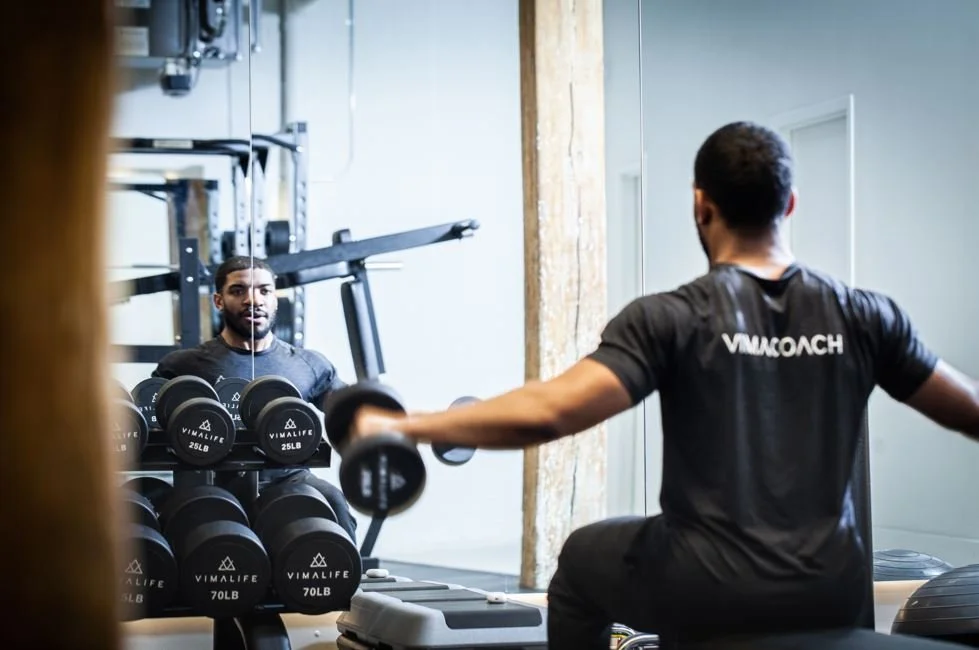
Who Benefits Most From Personal Training?
Personal training is often marketed as an advanced service, but beginners may have the most to gain from it. When you are new to the gym, almost everything requires a decision: where to stand, how to set up equipment, which weight to choose and whether the movement you are doing resembles the movement you intended to do. A trainer can remove much of that uncertainty. Personal training may be especially helpful if:
You are completely new to strength training
Learning sound movement patterns early can make the gym feel more approachable. Instead of trying to decode dozens of online workouts, you can focus on a smaller number of exercises chosen for you.
You have exercised before but never followed a program
You may be comfortable working hard but unsure how to organize your week. A trainer can create a structure that balances different muscle groups, training qualities and recovery.
You are returning after a long break
Your previous experience still matters, but your current capacity may be different. Coaching can help you restart at an appropriate level rather than comparing every session with what you could do several years ago.
You struggle to stay consistent
Sometimes the problem is not motivation. It is friction. A scheduled appointment, prepared workout and familiar coach can reduce the number of decisions standing between you and your session.
Your progress has stalled
Doing the same routine indefinitely can eventually stop producing the same response. A trainer can review your exercise selection, effort, training volume and progression to identify what may need to change.
You want to become more independent
This may sound contradictory, but personal training can be a useful bridge to independent exercise. A few well-used sessions can teach you how to navigate the gym floor, perform key movements and follow a program with greater confidence.
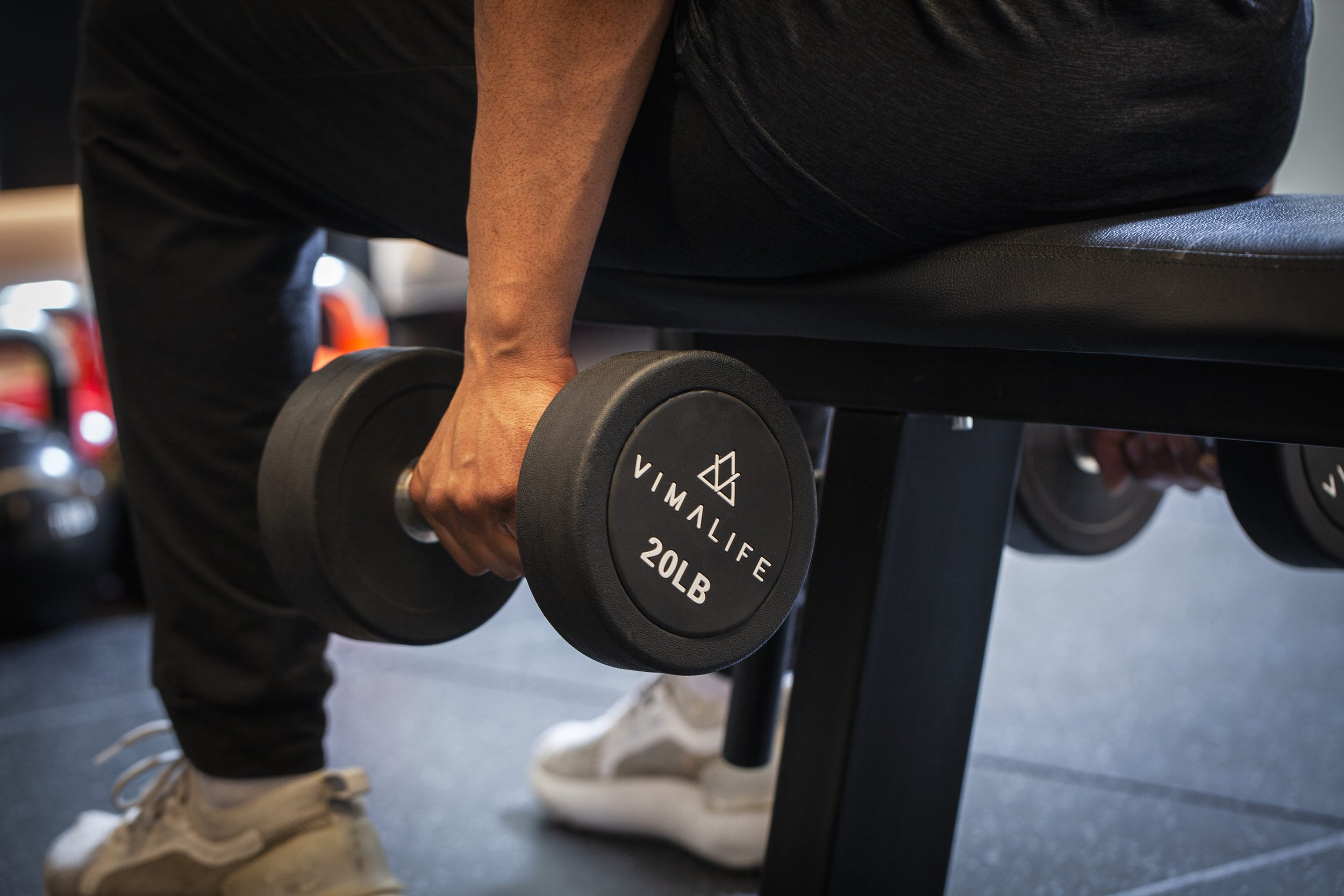
Personal Training vs. Group Fitness Classes
Personal training and group fitness classes are sometimes presented as opposing choices. In reality, they solve different problems, and they can work extremely well together. Personal training offers individual attention. Your program can be built around your goals, and the trainer can adjust exercises based on what they observe in real time.
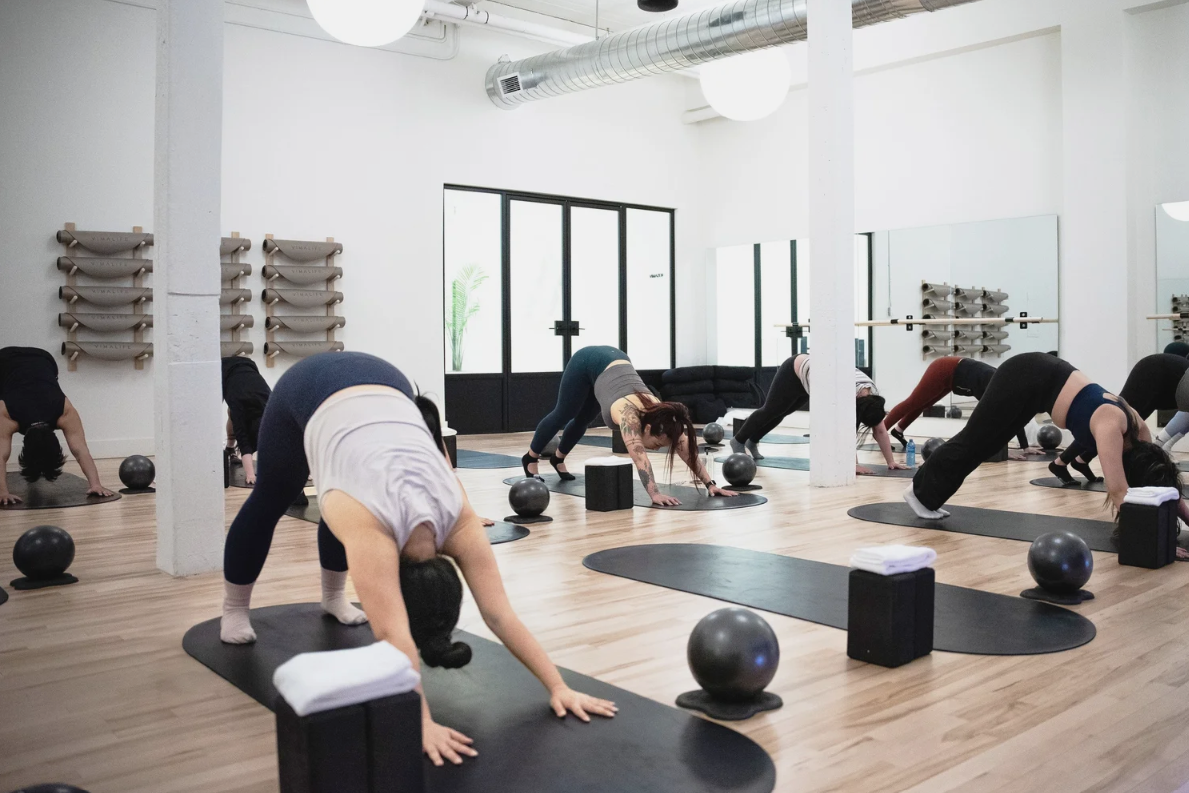
Group fitness offers shared energy, variety and a session that is already planned for you. The presence of an instructor and other participants can make it easier to show up and stay engaged. Neither is automatically better.
If you want detailed technique coaching, individualized progression or help learning the gym floor, personal training may be the stronger starting point. If you enjoy training socially, want variety or find scheduled classes easier to maintain, group fitness may fit your routine beautifully. Many people benefit from combining the two. A trainer can establish your foundations and guide your longer-term plan, while strength, conditioning, Pilates, yoga or mobility classes add variety and help you remain active throughout the week.
At VIMALIFE, members can move between personal training, open-gym workouts and more than 200 monthly fitness classes rather than building separate routines at several different studios.
What Should Your First Personal Training Session Include?
Your first session should involve more listening than selling. Before creating a meaningful program, a trainer needs context. They should ask about your goals, exercise history, current routine, schedule, preferences and any relevant limitations. You should also have an opportunity to ask questions. Depending on the facility and service, the first appointment may include a movement or fitness assessment. This can help the trainer understand your current starting point and choose appropriate exercises. It is not a test you need to pass, nor should it be designed to make you feel inadequate.
A useful first session might explore:
Your short- and long-term goals
Previous training experience
Exercises you enjoy or dislike
Your weekly availability
Current strength and movement capacity
Familiarity with gym equipment
Barriers that have disrupted consistency in the past
How progress will be measured
If you have an injury, significant pain, a medical condition or concerns about beginning exercise, speak with an appropriate healthcare professional. A personal trainer can work within their scope, but they should not diagnose injuries or replace medical treatment.
Seven Signs You Have Found the Right Personal Trainer
Credentials and experience matter, but the coaching relationship matters too. You are more likely to stay engaged when you feel comfortable asking questions and trust the person guiding you. Look for a trainer who:
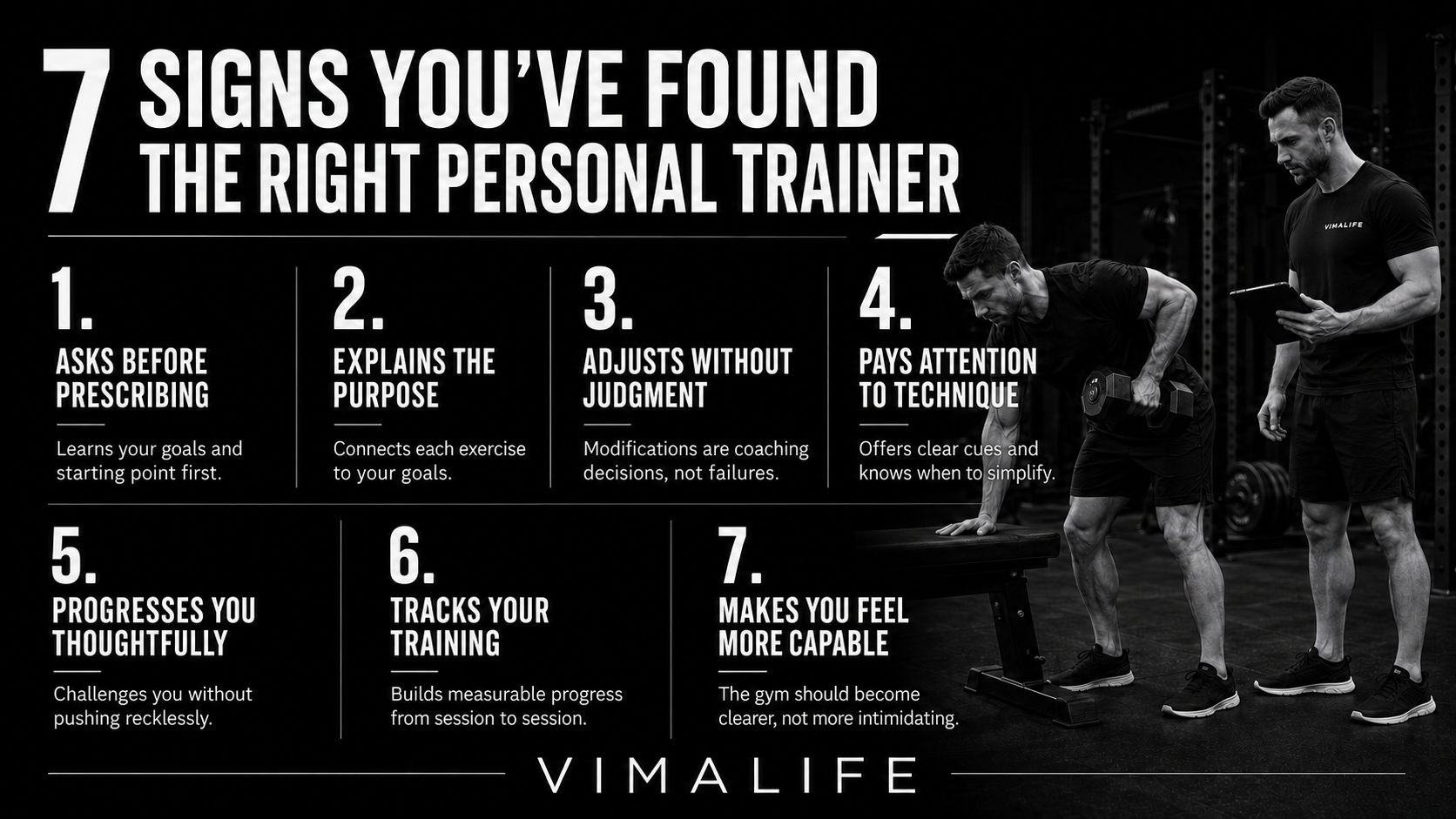
1. Asks before prescribing
A good trainer does not decide what you need based on your appearance. They learn about your goals and starting point first.
2. Explains the purpose of the workout
You do not require a lecture between every set, but you should understand why important exercises are included and how they connect to your goals.
3. Adjusts without making you feel like you failed
An exercise modification is not a punishment or a lesser version of training. It is simply a coaching decision.
4. Pays attention to technique
A trainer should notice how you move, offer clear cues and know when to reduce complexity or resistance.
5. Progresses you thoughtfully
You should be challenged, but not pushed recklessly. Sustainable progress usually looks less dramatic than social media suggests.
6. Tracks what you are doing
If every session appears to be invented five minutes before you arrive, it may be difficult to build measurable progress.
7. Makes you feel more capable
The right trainer should help the gym become clearer, not more intimidating.
How Often Should You Work With a Personal Trainer?
There is no universal answer. Some people meet their trainer several times per week because they value ongoing instruction and accountability. Others schedule one weekly session and complete additional workouts independently. Some use personal training for a shorter period to learn technique and establish a plan. A realistic schedule depends on:
Your goals
Your experience
Your budget
How often you can train
Whether you exercise independently between sessions
How much instruction or accountability you currently need
Consistency matters more than choosing an impressive schedule you cannot maintain. If you can reliably train two days per week, begin there. A sustainable plan has room for your actual life.
How to Measure Progress Without Letting the Scale Run the Entire Meeting
Body weight is one possible measurement, but it is not the only one, and often not the most useful one. Depending on your goals, progress might mean:
Lifting a heavier weight with good control
Completing more repetitions
Improving balance or coordination
Moving through a greater range of motion
Feeling more confident using equipment
Experiencing less fatigue during daily activities
Attending sessions more consistently
Recovering better between workouts
Returning to an activity you had been avoiding

Progress is not always loud. Sometimes it is realizing that an exercise which once required your full concentration now feels familiar.
A good trainer helps you notice those changes.
Why Location Matters More Than People Admit
When choosing personal training in Leslieville, or anywhere else, it is easy to focus exclusively on the program and trainer. But convenience is part of the program. A highly sophisticated training plan is not very useful if reaching the gym consistently requires an unrealistic commute. Choosing a facility close to home, work or an existing part of your routine can reduce friction and make regular training easier.
VIMALIFE is located at 276 Carlaw Avenue in Leslieville, accessible to people living or working in Leslieville, Riverside, Riverdale, Corktown, East Harbour, The Beaches and Toronto’s east end.
Inside the club, members have access to an 11,000-plus-square-foot training environment with strength and cardio equipment, dedicated boutique studios, personal training, towel service and parking validation. You can explore the VIMALIFE training spaces and amenities here.
The advantage of an all-in-one fitness club is not simply having more options. It is being able to build a routine in one place.
Personal Training at VIMALIFE in Leslieville
At VIMALIFE, personal training is designed to make your next step clearer. That might mean becoming comfortable on the gym floor, learning foundational strength movements, working toward a specific goal or creating a routine that blends individual coaching with classes and independent workouts.
Our coaching team brings together different training backgrounds, specialties and approaches. You can also meet the VIMALIFE fitness instructors in Leslieville and learn more about the people shaping the wider club experience. Some members want personal training to be the centre of their routine. Others use it as one part of a more varied week that includes open-gym training, Pilates, yoga, strength, HIIT, conditioning or mobility. There is no prize for choosing the most intense option. The real aim is to find the kind of support that helps you begin, continue and make progress without feeling as though fitness has taken over your entire life.
The Best Training Plan Is the One You Understand
A personal trainer should not make movement seem mysterious. They should help you understand what you are doing, why you are doing it and how the plan will evolve. They should challenge you without turning every workout into a performance. And they should help you build skills that remain useful beyond the hour you spend together. If you are considering personal training in Leslieville, start with a conversation. Ask questions. Pay attention to how the trainer communicates. Look for someone who is interested in your starting point, not just your end goal.
Because the right plan should not feel like fitness being imposed on your life.
It should feel like something being built around it.
Ready to explore personal training, classes or independent workouts at VIMALIFE? Claim a complimentary VIMALIFE Guest Pass and experience the club in person at 276 Carlaw Avenue in Leslieville.