
The Role of Physio, Massage and Recovery in a Well-Rounded Fitness Routine
A well-rounded fitness routine is not just about how hard you train. It is also about how well your body can recover, adapt and keep moving, especially when fitness is often measured by effort.
The workout is the visible part: the class you booked, the weight you lifted, the sweat, the steps, the soreness, the feeling that you did something. Recovery is quieter. It is the sleep, the mobility, the massage, the physio appointment, the lighter day, the walk, the breathwork, the small decisions that help your body feel ready to train again. But quiet does not mean optional.
Training creates stress on the body. Good stress, when it is programmed well, but stress still. Strength training challenges your muscles, tendons, joints and nervous system. Cardio challenges your heart and lungs. Pilates asks for control, posture and deep core connection. Yoga and mobility work ask the body to access and own more range of motion. The body improves because it is challenged, but the improvement does not happen only during the workout. It happens in the recovery afterward. That is the part people miss. The workout gives your body a reason to change. Recovery gives it the conditions to actually do it.
At VIMALIFE, we think about fitness as a full system: strength, cardio, mobility, recovery, breath, posture, consistency and longevity all working together. A strong routine should not leave you constantly sore, depleted or chasing the next reset. It should help you feel more capable in your body over time.

Recovery is not the opposite of training
Recovery is often treated like the thing you do when you are not training, but that is not really accurate. Recovery is part of training. After a workout, your body has work to do. Muscle tissue repairs. The nervous system settles. Energy stores are replenished. Joints and connective tissues recover from load. Your body processes the stress of training and starts adapting so it can handle more next time.
This is why sleep, hydration, nutrition, lower-intensity movement, massage, physiotherapy and mobility all matter. They help your body absorb the work instead of simply surviving it.
The CDC recommends that adults get at least 150 minutes of moderate-intensity physical activity per week, plus muscle-strengthening activity on two or more days. That is a helpful baseline, but the real-life version of a strong routine also needs recovery built in. It is not only about meeting the activity target. It is about being able to repeat that movement week after week without your body constantly feeling behind.
This matters even more because so many people are not moving enough to begin with. The World Health Organization reported that nearly one third of adults globally, about 1.8 billion people, were not meeting recommended physical activity levels in 2022. That tells us something important: most people do not need fitness to become more extreme. They need it to become more sustainable. Recovery helps make fitness sustainable.
Soreness is not always a sign of success
A little soreness after training can be normal, especially if you try something new, increase intensity, return after time away, or do more eccentric work, like lowering slowly in a squat or lunge. This is often called delayed onset muscle soreness, or DOMS. It usually shows up several hours after exercise and can feel more noticeable over the next day or two. But soreness is not the goal of a good workout.
It can happen, but it is not the only sign that your body is adapting. You can have an effective workout and not feel destroyed afterward. You can build strength without being sore for three days. In fact, constantly chasing soreness can make it harder to stay consistent because the body is always trying to recover from the last session.
Pain is different. Sharp pain, pain that changes how you move, pain that gets worse during activity, pain with swelling, numbness or weakness, or pain that keeps coming back in the same place should be taken seriously. A recurring ache is often the body’s way of asking for attention, not just more stretching. This is where physiotherapy and massage can become helpful parts of a routine. Not because every small discomfort is a crisis, but because it is easier to address movement issues before they become bigger limitations.

What physiotherapy adds to fitness
Physiotherapy is not only for people who are injured.
A good physiotherapy approach can help you understand how your body moves, what may be contributing to pain or restriction, and how to build back safely. It can also help identify patterns that may be affecting your training, like limited ankle mobility, reduced hip control, shoulder restriction, poor core strategy or compensation from an old injury. In fitness, this matters because the body does not move in isolated parts. A knee issue may be connected to hip strength, foot mechanics, ankle mobility or training volume. Low-back discomfort may be connected to how someone hinges, how their core stabilizes, or whether their glutes are contributing enough. Shoulder pain may be connected to upper-back mobility, posture, breathing mechanics or how the shoulder blade moves.
Physio helps connect those dots.
Research supports exercise therapy as an important part of musculoskeletal care. A Cochrane review on chronic low back pain found that exercise treatment was more effective than no treatment, usual care or placebo for pain outcomes. That does not mean one exercise fixes everyone. It means movement, when selected and progressed properly, can be part of the solution. The goal is rarely to stop moving forever. The better goal is usually to move better, load smarter and build capacity gradually. For additional treatment support outside the club, clinics like Myo can complement a fitness routine through physiotherapy, manual therapy and movement-based care.
Where massage fits in
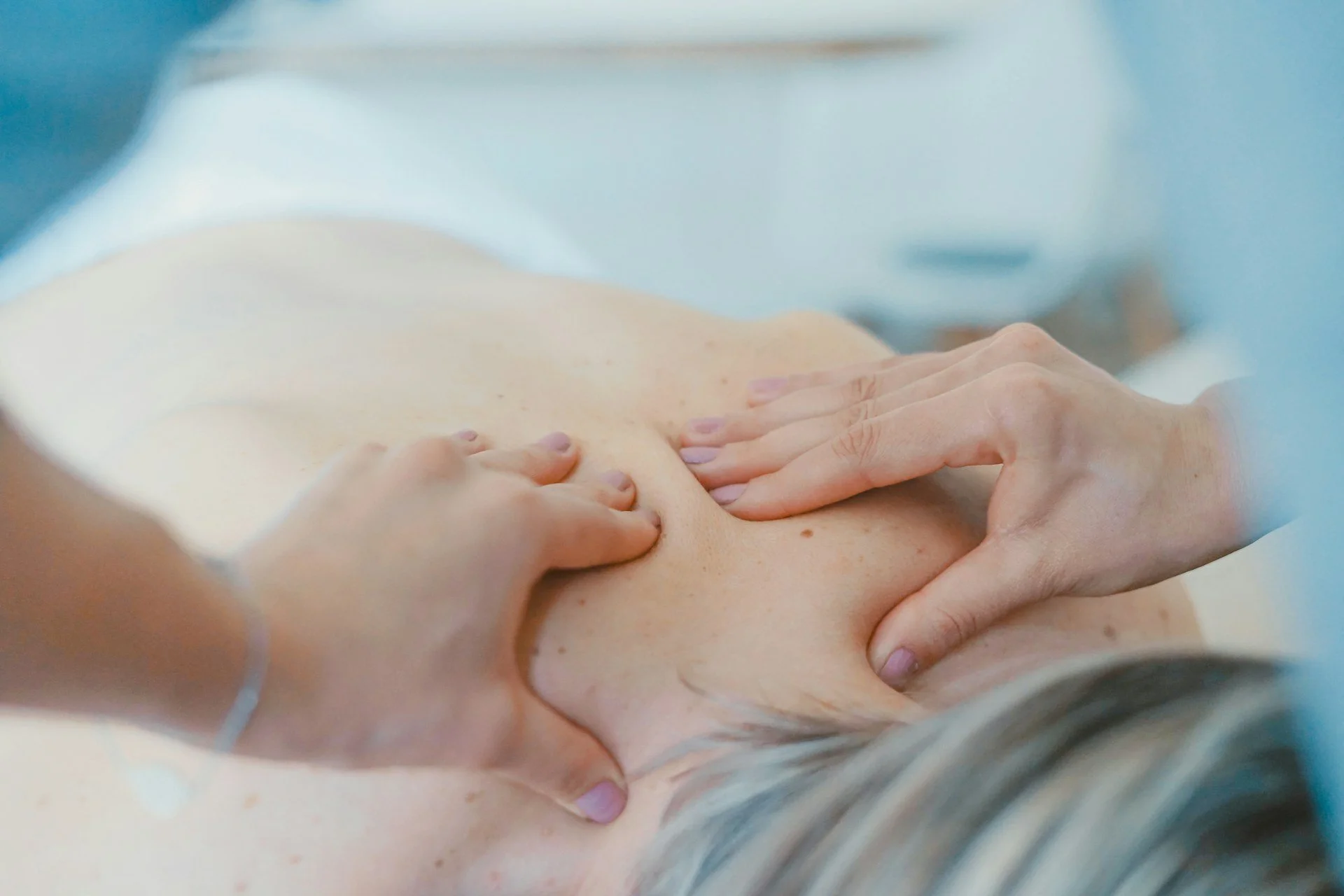
Massage is often thought of as relaxation, and it can absolutely be relaxing. But for active people, massage can also be a useful recovery tool. Training creates tension in the body. Muscles contract repeatedly. Tissue gets loaded. Joints move through range. The nervous system can stay elevated after a hard session or a stressful week. Massage can help people feel less restricted, more relaxed and more aware of where they are holding tension.
There is also research supporting massage for post-exercise soreness. A systematic review and meta-analysis on massage and delayed onset muscle soreness found that massage after strenuous exercise may help reduce soreness and improve some measures of muscle performance. That does not make massage a magic reset button, but it does make it a useful tool when paired with good training, sleep, nutrition and recovery habits.
Massage also gives people information. If the same area always feels tight, it may not simply be a “tight muscle.” Sometimes a muscle feels tight because it is doing too much. Sometimes it is compensating for weakness somewhere else. Sometimes training volume is too high. Sometimes stress, posture or sleep are part of the picture. Massage can help the body feel better in the short term, but if the same tension keeps returning, strength, mobility or a movement assessment may also be needed.
Recovery is nervous system care too
Recovery is not only muscular. It is also neurological. When the body is stressed, busy or under-recovered, it often shows up physically. Shoulders creep up. The jaw tightens. Breathing gets shallow. Hips feel guarded. Sleep becomes lighter. Workouts feel harder than they should. A body that is constantly in a stressed state may have a harder time relaxing, moving freely and tolerating training load.
This is why recovery-based practices matter. Massage, breathwork, restorative yoga, walking, stretching, lower-intensity movement and better sleep can all help the body come down from high stress. That does not mean you need to turn recovery into another full-time routine. It just means your nervous system is part of your fitness. At VIMALIFE, this is why a balanced schedule matters. Strength and conditioning have a place. So do Pilates, yoga, mobility and recovery-focused movement. A body that only knows how to push eventually asks for another option.
Recovery is not only for athletes
A lot of people hear “recovery” and think it only applies to athletes, but recovery matters for anyone who moves.
It matters if you sit at a desk all day and then go straight into a class. It matters if you are returning to training after a break. It matters if you lift weights, do Pilates, walk more, train for longevity, or simply want your body to feel better through the week. Someone who works at a desk may not feel “athletic,” but hours of sitting can create real movement patterns. Tight hip flexors, rounded shoulders, stiff ankles, neck tension and shallow breathing can all affect how someone moves when they get to the gym. Then they wonder why squats feel awkward, why their back feels tight, or why their shoulders do not feel good overhead.
That is not failure. It is information. Physio, massage, mobility and recovery help people understand the body they are bringing into training. They also help make training feel better, because the goal is not just to get through a workout. The goal is to move well enough to keep training.
The role of mobility and at-home recovery
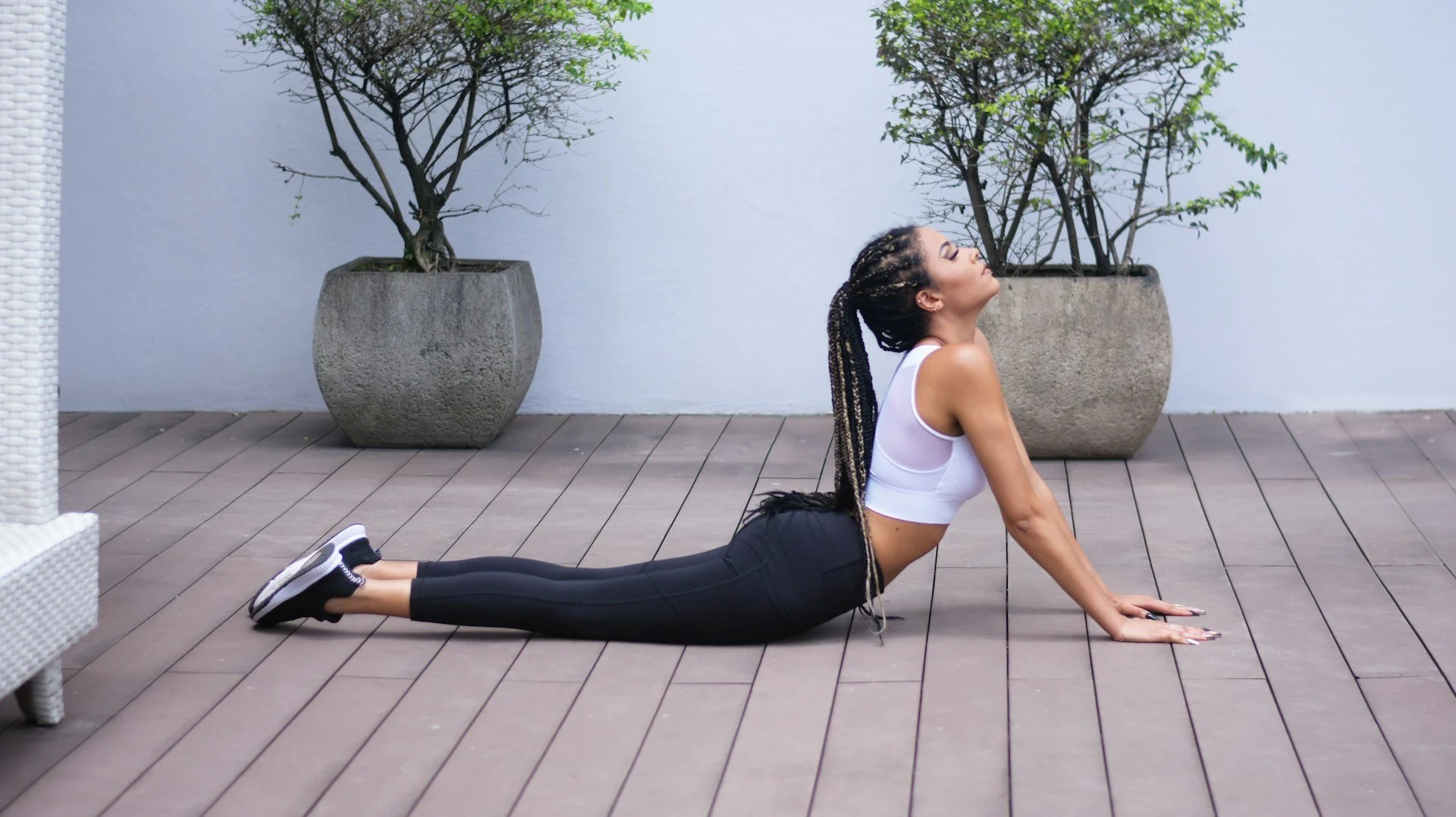
Not every recovery tool needs an appointment. Some of the most useful recovery habits are simple and repeatable. Foam rolling is one example. A systematic review on foam rolling found that foam rolling can increase range of motion and may be useful for recovery from exercise-induced muscle damage, without appearing to negatively affect performance. That makes it a reasonable tool for people who want to feel less stiff and improve short-term movement quality.
Stretching can also be helpful, especially when it is done with intention. The goal is not to force the body into a shape. The goal is to breathe, relax, restore range and create better movement options. Light walking, gentle mobility, hydration, protein and lower-intensity movement can all support recovery between harder sessions. Sometimes recovery is not complicated. Sometimes it is going for a walk, drinking water, eating enough protein, stretching for ten minutes and going to bed earlier. Simple does not mean ineffective. It often means repeatable.
Sleep is the recovery tool no one can hack
Sleep is probably the least glamorous recovery tool, but it may be the most important.
You can book the massage, do the stretch routine, use the foam roller and take the supplement, but if sleep is consistently poor, recovery becomes harder. Sleep supports muscle repair, hormone regulation, immune function, coordination, mood, reaction time and training performance.
A review on sleep and athletic performance notes that sleep plays an important role in performance, cognition, physical health and mental well-being. This matters for everyone, not only athletes. If you want to train well, feel good, build strength and stay consistent, sleep has to be part of the conversation.
Recovery is not weakness. It is the condition that allows strength to keep building.
What a well-rounded routine can look like
A well-rounded fitness routine does not have to be complicated. It just needs to include more than one type of support.
For one person, that might mean two strength sessions, one Pilates class, a long walk, one recovery-focused class and a massage every few weeks. For someone else, it might mean personal training, yoga, daily walking and physiotherapy while rebuilding from an old injury. For another person, it might mean conditioning, strength training and regular mobility work to manage stiffness from sitting.
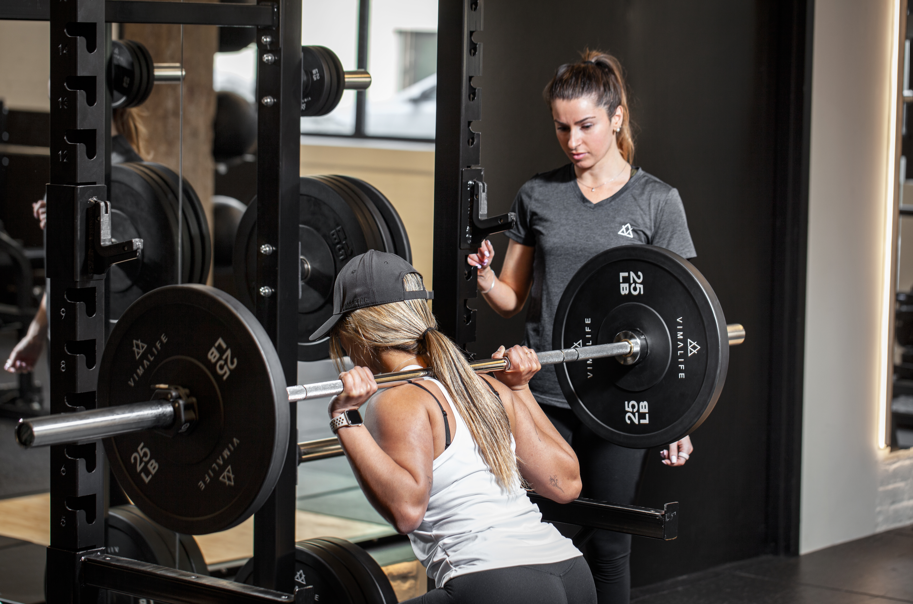
The best routine is not always the most intense one. It is the one your body can repeat, recover from and grow with. This is where personal training in Leslieville can be helpful. A trainer can help you build strength, choose the right exercises, adjust intensity, and understand how recovery fits into your goals. Classes can give you structure and variety. Recovery work can help you stay consistent. Physio and massage can support the body when something needs more attention. That is how fitness becomes more sustainable. At VIMALIFE, our approach to fitness is built around the whole body. Strength matters. Cardio matters. Mobility matters. Recovery matters. So does the way you feel when you leave the club and move through the rest of your life. A member might come in for strength training and realize they need more mobility. Someone else might start with Pilates and notice their core control helps their lifting. Another person might use yoga or recovery-based movement to balance a demanding training schedule. Someone dealing with recurring discomfort might work with a physiotherapist outside the club, then use personal training to rebuild confidence and strength. That is what a well-rounded routine does. It does not ask the body to do one thing forever. It gives the body what it needs to keep progressing.
Explore our strength, Pilates, yoga and conditioning classes, learn more about personal training in Leslieville, or visit VIMALIFE to build a routine that supports how you want to move, recover and feel.
The bottom line
Physio, massage and recovery are not separate from fitness. They are part of a well-rounded fitness routine. Training challenges the body. Physio helps you understand and improve movement. Massage can support soreness, tension and relaxation. Mobility helps restore range. Sleep and nutrition help the body adapt. Recovery makes consistency possible.
The goal is not to avoid hard work. The goal is to make hard work sustainable. Because the best fitness routine is not the one that leaves you constantly sore, tired and chasing the next reset. It is the one that helps you move better, recover better and feel stronger in your body over time.
That is the kind of fitness that lasts.