
Coffee Before a Workout: Can Your Morning Cup Actually Improve Training Performance?
Coffee has always had a place in people’s routines.
It is the thing we reach for before opening our laptop, before a busy day, before a long walk, before a meeting, or before convincing ourselves that yes, we are absolutely going to make it to class.
But coffee is not just a comfort ritual.
When timed well, coffee can also act like a natural pre-workout.
That does not mean it needs to become complicated. You do not need a neon powder, a giant shaker bottle or a supplement label with 27 ingredients to feel more focused before training. For many people, a simple cup of coffee before a workout can help with energy, alertness, endurance and effort.
The reason is caffeine.
Caffeine is one of the most studied performance-enhancing compounds in sports nutrition. It works mainly by stimulating the central nervous system, reducing the perception of effort and helping you feel more awake and ready to move. In plain language, the same cup of coffee that helps you feel more alive in the morning may also help your workout feel a little more accessible.
That is why coffee has become part of the wellness conversation in a new way.
It is not just “I need caffeine to function.”
It is: can coffee support better training when used intentionally?
The answer is yes, for many people. But the details matter.
How much you drink, when you drink it, what kind of workout you are doing, how sensitive you are to caffeine, and what time of day you train all change the effect.
So let’s talk about coffee, training performance and how to use your cup a little more intelligently.
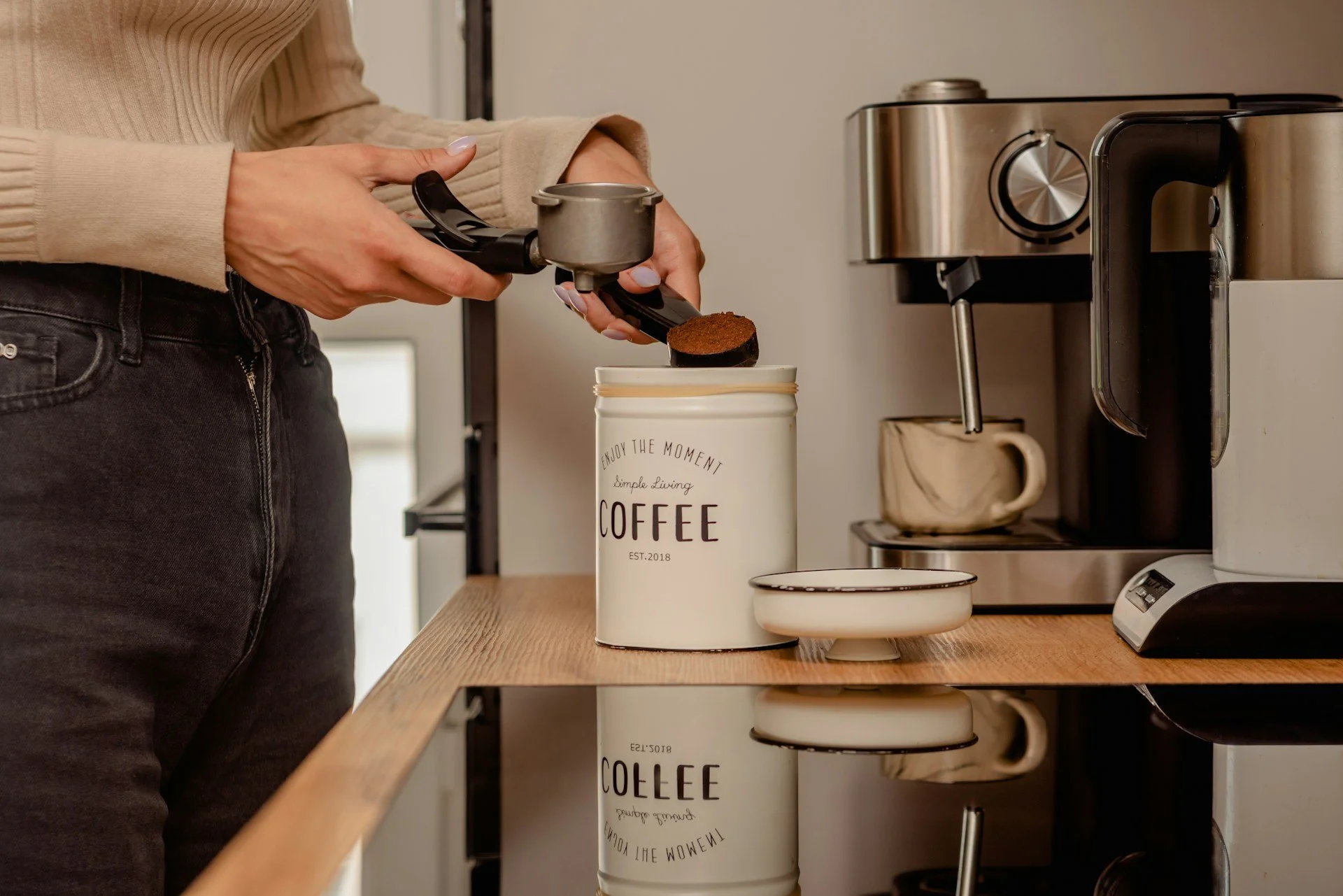
Why caffeine helps performance
Caffeine is often described as giving you energy, but that is not exactly what is happening.
Coffee does not create energy out of nowhere. It changes how alert you feel and how your body perceives effort.
One of caffeine’s main effects is blocking adenosine, a chemical in the brain that helps signal tiredness. When adenosine is blocked, you may feel more awake, more focused and more mentally ready to move. That can matter before training because motivation is not only physical. Sometimes the hardest part of a workout is getting your brain to agree with your body.
Caffeine can also make exercise feel slightly easier at the same intensity. That matters because performance is not only about what your muscles can do. It is also about how hard the effort feels while you are doing it.
If the same pace, class, set or interval feels a little more manageable, you may be able to train with more focus, more output or more consistency.
This is why caffeine has been studied so much in sport. According to the International Society of Sports Nutrition position stand on caffeine and exercise performance, caffeine has consistently been shown to improve exercise performance when consumed in doses of around 3–6 mg per kilogram of body weight.
That does not mean everyone needs that much. In fact, many people feel a benefit from less. But it does explain why coffee before training can feel different than coffee on a regular morning.
It is not just the vibe.
There is physiology behind it.
Coffee as a natural pre-workout
Most pre-workout supplements are built around caffeine.
That is the part many people are actually feeling.
The difference is that coffee is familiar, simple and easy to control. You know what it is. You can choose the amount. You can drink it black, with milk, iced, hot, espresso-based or brewed. You can make it part of a routine without feeling like you are taking a “performance product.”
That is why coffee can be a great natural pre-workout for people who want a little lift before training without overcomplicating things.
A cup of coffee before a workout may help with:
Energy
Focus
Alertness
Endurance
Power output
Motivation
Perceived effort
It can be especially helpful before early morning training, strength sessions, conditioning classes, longer cardio workouts or days when you feel mentally flat but still want to move.
At VIMALIFE, this fits into a bigger wellness approach. Training is not just about pushing harder. It is about knowing how to support your body before, during and after movement. Coffee can be one part of that, alongside hydration, nutrition, sleep, mobility, recovery and smart programming.
The key is not to rely on coffee to cover up poor recovery.
The key is to use it as a tool.
How much coffee do you need before training?
This is where people usually overdo it.
More caffeine is not always better.
The research-supported range for performance is often around 3–6 mg of caffeine per kilogram of body weight, but that can be a lot for someone who is smaller, caffeine-sensitive or training later in the day. For many everyday workouts, a lower dose can still feel effective.
A practical way to think about it:
A small coffee may be enough for a light lift, Pilates class or morning mobility session.
A regular coffee may be useful before strength training or conditioning.
A larger coffee or stronger espresso may be better saved for days when you know caffeine works well for you and will not affect your sleep.
Health Canada recommends that most healthy adults keep caffeine intake to no more than 400 mg per day. That includes coffee, tea, energy drinks, pre-workout, cola, chocolate and other sources.
This matters because caffeine adds up quickly.
Someone might have a coffee in the morning, another at lunch, a pre-workout before training and then wonder why their sleep feels lighter or their heart feels a little too busy.
The best dose is the one that improves your workout without making you feel anxious, shaky, nauseous or wired later.
Coffee should support the session.
It should not hijack your nervous system.
When should you drink coffee before a workout?
Timing matters.
For most people, coffee works best when consumed about 30 to 60 minutes before training. That gives the caffeine time to absorb and start influencing alertness, focus and perceived effort.
If you are training early in the morning, this can be simple: coffee, water, small snack if needed, then workout.
If you are training in the afternoon or evening, it becomes more personal. Caffeine can stay in your system for hours, and even if you can fall asleep after a late coffee, it may still affect sleep quality. A 2023 systematic review found that caffeine reduced total sleep time by about 45 minutes and sleep efficiency by about 7% on average.
That matters because sleep is not separate from fitness.
Sleep is when recovery happens. It supports muscle repair, hormones, energy, mood, coordination and the ability to train well again tomorrow.
So if you are taking a 6:00 PM class at VIMALIFE, coffee may not be the best pre-workout if you are sensitive to caffeine. A better option may be a balanced snack, water, electrolytes or simply adjusting intensity based on how your body feels that day.
Morning workout? Coffee may work beautifully.
Late evening workout? Maybe not.
This is why wellness is personal. The best routine is not the one that sounds impressive. It is the one your body can recover from.
What kind of workouts benefit most from coffee?
Coffee can support different types of movement in different ways.
For cardio, caffeine may help with endurance and perceived effort. That means a run, brisk walk, cycling session, conditioning class or longer workout may feel more manageable.
For strength training, caffeine may help with focus, power and muscular endurance. It may not magically add weight to the bar, but it can help you feel more ready to work.
For high-intensity classes, caffeine may help with alertness and drive, especially when the workout requires repeated bursts of effort.
For Pilates, yoga or mobility, the benefit depends on the person. Some people like a small coffee before a Pilates class because it helps them feel focused and awake. Others may find too much caffeine makes it harder to settle into breath, control and precision.
For recovery-based movement, coffee is not always necessary. If the goal is to downshift, breathe, stretch or regulate the nervous system, a high-caffeine coffee may work against the feeling you are trying to create.
That is the difference between using coffee intentionally and just drinking it out of habit.
The question is not “Is coffee good before exercise?”
The better question is “What kind of training am I doing, and what state do I want my body to be in?”
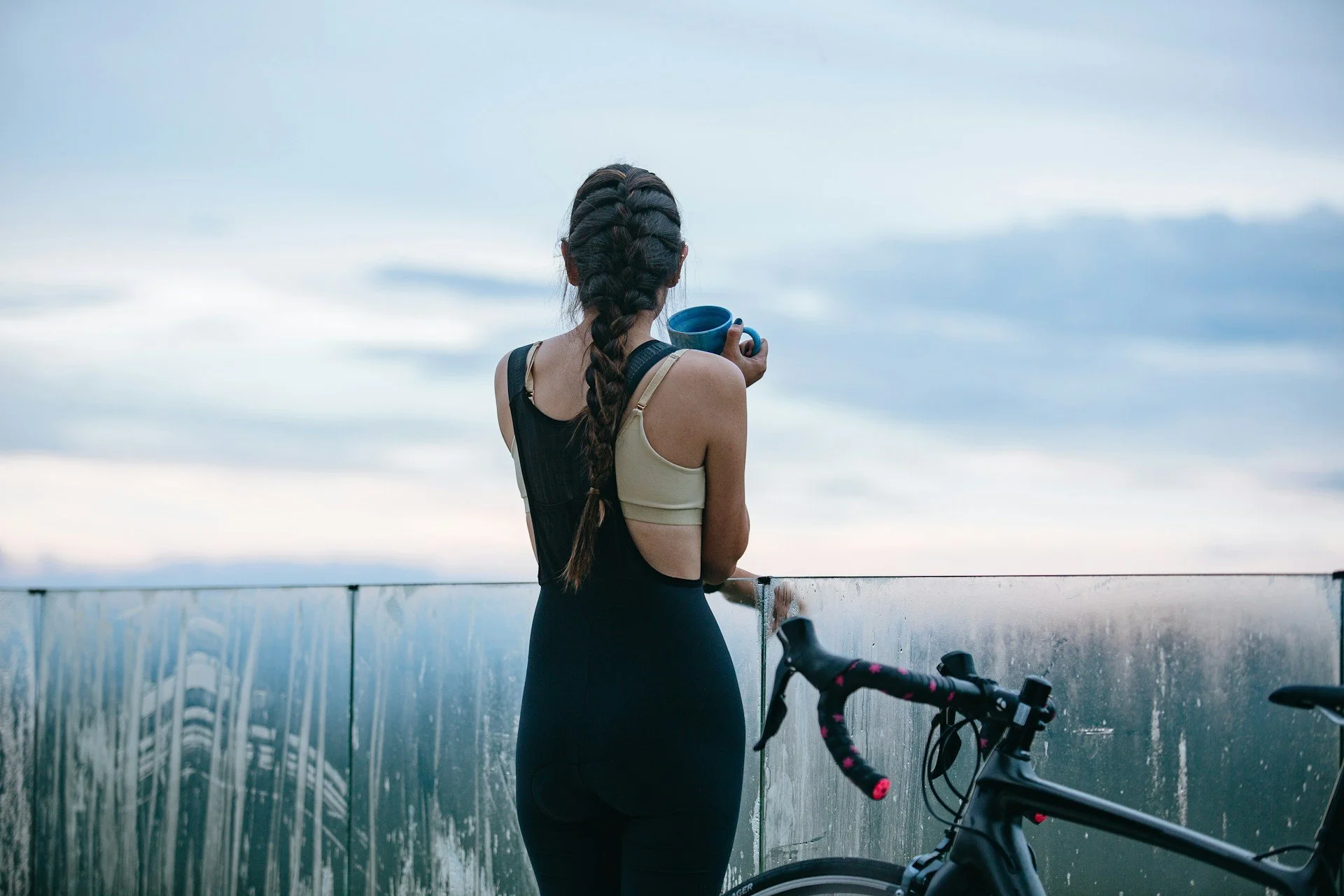
Coffee, focus and the mind-body connection
One of the underrated benefits of coffee before training is mental.
A good workout is not only physical. It requires attention.
In strength training, you need focus to control your reps, organize your body and move with intention. In Pilates, you need focus to connect breath, core and alignment. In conditioning, you need focus to pace yourself. In yoga, you need enough presence to stay with the practice instead of rushing through it.
Coffee can help some people feel mentally sharper before movement.
That can make a difference, especially for people coming into the gym after work, after sitting all day or after a morning where their body is awake but their brain is not quite online.
That said, caffeine is not the same as calm focus for everyone.
Some people feel clear and energized. Others feel jittery and distracted. Some people metabolize caffeine quickly. Others feel one afternoon espresso until bedtime.
That is why the best approach is to pay attention.
If coffee helps you feel focused, strong and motivated, it may be a useful pre-workout ritual.
If it makes you anxious, rushed, nauseous or unable to sleep, your body is giving you information.
Coffee is not a substitute for food
This is important.
Coffee can support training performance, but it is not fuel in the same way food is fuel.
Caffeine may help you feel more alert, but your muscles still need energy. If you are doing a strength class, conditioning workout, long cardio session or anything high-intensity, training on only coffee may not feel great for everyone.
Some people do fine with coffee before an early workout. Others need a small snack.
Good simple options could include:
A banana
Toast with honey
Greek yogurt
A small smoothie
Dates
Oats
A protein-forward snack if the workout is later in the day
The goal is not to eat a huge meal right before class. The goal is to avoid confusing caffeine stimulation with actual fuel.
If coffee gives you energy but your body has nothing to work with, you may feel great for the first 20 minutes and then crash halfway through.
That is not a discipline problem.
That is a fueling problem.
The wellness side of coffee
Coffee is often talked about only through the lens of caffeine, but coffee itself contains more than caffeine.
Coffee also contains bioactive compounds, including polyphenols, which are plant compounds studied for their antioxidant and anti-inflammatory properties. That does not mean coffee should be treated like a miracle health drink, but it does mean a simple cup of coffee can fit comfortably into a wellness routine for many people.
The key is how you use it.
A plain coffee or espresso before training is very different from a large sweetened drink with whipped cream and syrup. Both may contain caffeine, but they are not going to feel the same in your stomach before a workout.
If you are using coffee as a pre-workout, keep it simple.
Choose quality coffee.
Pay attention to the dose.
Hydrate.
Avoid overloading it with sugar or cream right before intense movement.
Notice how your body responds.
This is where a local coffee ritual can actually support a training ritual.
For anyone in the neighbourhood, Java Roasters is a Toronto roasted specialty coffee company located on Carlaw. It makes sense as part of the Leslieville wellness rhythm: a good coffee, a walk through the neighbourhood, a class, a lift, a reset.
Wellness does not always have to feel clinical.
Sometimes it is a really good cup of coffee and a body that feels ready to move.
When coffee before training may not be the best idea
Coffee can be helpful, but it is not for everyone in every situation.
You may want to be careful with pre-workout coffee if:
You are sensitive to caffeine
You feel anxious or jittery after coffee
You train late in the day
You already had several caffeinated drinks
You struggle with sleep
You get reflux or stomach discomfort
You have a medical reason to limit caffeine
You are pregnant, breastfeeding or planning to become pregnant and following a lower caffeine limit
Coffee is a tool, not a rule.
If it helps, use it. If it does not, there are other ways to support training performance.
Hydration, food, sleep, consistency, progressive strength training and recovery will always matter more than one cup of coffee.
A simple coffee-before-training guide
If you want to test coffee as a natural pre-workout, keep it simple for one week.
Try coffee 30 to 60 minutes before training.
Start with a moderate amount. Do not use your hardest workout to test your highest dose.
Drink water too. Coffee is not a hydration plan.
Pair it with a small snack if you are doing a longer or more intense workout.
Avoid late-day caffeine if it affects your sleep.
Notice how you feel during the workout and later that night.
The goal is not to force coffee into your routine.
The goal is to see whether it genuinely helps you feel more focused, more energized and more ready to train.
The bottom line
Coffee can be more than a morning habit.
Used intentionally, it can be a simple, natural pre-workout that supports energy, focus and performance. The caffeine in coffee has been studied for its role in endurance, strength, alertness and perceived effort, which is why so many people feel better training after a cup.
But the best version of coffee and fitness is not “more caffeine.”
It is smarter caffeine.
The right amount.
At the right time.
For the right kind of workout.
With enough food, water and recovery around it.
At VIMALIFE, we believe performance is not just about pushing harder. It is about supporting the body well enough to train with consistency, strength and longevity. Coffee can be part of that ritual, especially when it is paired with movement that makes you feel better in your body.
Explore our strength, Pilates, yoga and conditioning classes, learn more about personal training in Leslieville, or visit VIMALIFE to build a routine that supports the way you want to move, train and live.