
Walking Is Having a Rebrand: 10K Steps, Gait and the Science of Low-Impact Cardio
Walking is one of the most basic things we do, which is probably why we underestimate it. Most of the time, we do not even think of it as fitness. We think of it as getting somewhere. But that is exactly why walking matters. Walking is the movement pattern most of us repeat more than almost anything else. Thousands of steps a day, every day, for years. Your feet meet the ground. Your ankles absorb and transfer force. Your knees track forward. Your hips extend. Your glutes help propel you. Your core stabilizes your pelvis and spine. Your arms swing to balance the body. Your breath adjusts to the pace.
A walk is never just a walk. It is your entire body moving in rhythm. That is why walking is having a rebrand right now, because people are starting to understand that walking is one of the simplest ways to support health, and one of the easiest habits to neglect. The old conversation was simple: get 10,000 steps. The better conversation is a bit more useful: are you walking enough, are you walking well, and is your body strong and mobile enough to support the way you move every day? Because walking is low-impact, but that does not automatically mean everyone is moving efficiently. Some people walk with their feet turned noticeably outward. Some collapse inward through the arches. Some take long, reaching steps that pull the body forward instead of allowing it to move smoothly. Some barely swing their arms. Some walk with their shoulders rounded, head dropped and ribcage compressed from hours of sitting.
None of this is about judging how someone moves. It is about understanding that gait matters. Gait is the way you walk. It is the pattern your body uses to move from one step to the next. A normal walking cycle includes a stance phase, when your foot is on the ground supporting your weight, and a swing phase, when the leg moves forward for the next step. In other words, walking is not just “left foot, right foot.” It is a repeated sequence of balance, force absorption, propulsion, rotation and coordination. If your feet turn outward more than they need to, your knees and hips may not be tracking as cleanly as they could. If your ankles are stiff, your knees may compensate. If your glutes are not supporting your stride, your hip flexors or lower back may start doing extra work. If your posture is collapsed, your breathing mechanics can change.
Walking is simple, but it is also information. It shows you how your body organizes itself. And because we repeat it so often, small patterns can become big patterns over time. That is the real reason walking deserves more attention. Not because everyone needs to obsess over their step count, buy a weighted vest or turn every walk into a workout. But because walking is one of the easiest ways to support your cardiovascular health, joints, metabolic health, mood, recovery and longevity.
We should be walking more. We should also be walking with more awareness.
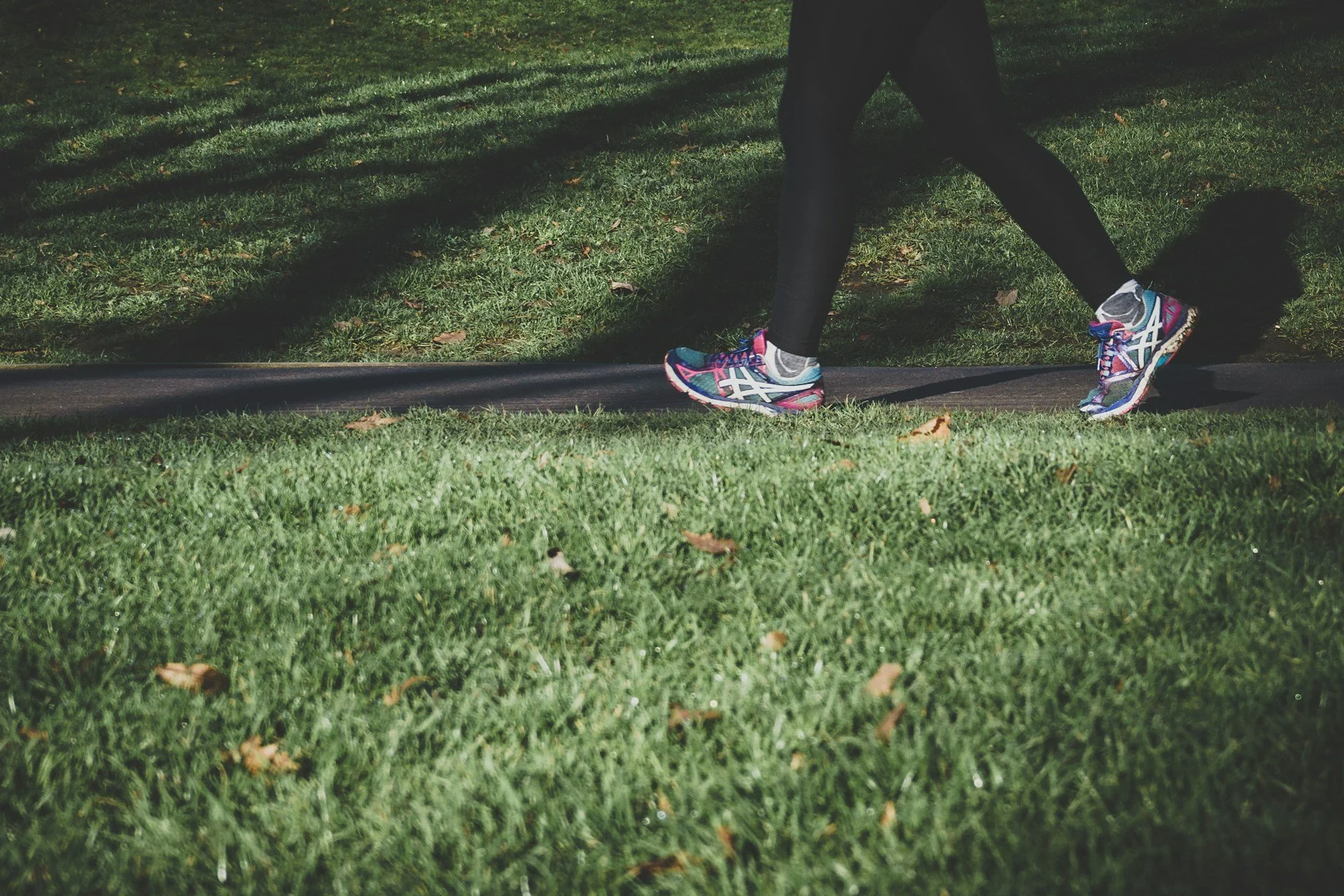
Why walking needs to become a priority again
Modern life has made walking optional in a way it was never meant to be.
We sit for work. We sit in cars. We sit on transit. We sit to eat, scroll, answer messages, watch shows and recover from the day. Even people who work out regularly can still spend most of the day sedentary.
That is where walking becomes so important.
Walking fills the space between workouts. It gives the body low-impact movement that can be repeated often. It supports circulation, digestion, cardiovascular health, energy and mental clarity. It gives your joints movement without the same impact as running. It helps turn fitness from something that only happens during a class into something that is woven into your day.
The CDC recommends that adults get at least 150 minutes of moderate-intensity physical activity each week, plus two days of muscle-strengthening activity. Brisk walking can count toward that moderate-intensity activity when it raises your heart rate and breathing, but the strength-training piece still matters too.
A walk after dinner matters. A brisk walk before work matters. A walk to the gym matters. A walk around Leslieville on the weekend matters. A short walk after sitting for hours matters. And if you have a dog, walking becomes one of the easiest ways to turn daily responsibility into daily wellness. It is part of why our partnership with Dashing Hounds feels so aligned with the VIMALIFE approach: movement does not always need to look like a formal workout to matter. Sometimes it is a walk through Leslieville, a few extra blocks outside, and a routine that supports both you and your pet.
Not every walk needs to be intense. Some walks are for cardio. Some are for recovery. Some are for stress. Some are for digestion. Some are simply for getting outside and feeling human again. That is part of the beauty of walking. It meets you where you are, but it can also progress with you.
The 10,000-step rule is useful, but not the whole point
The 10,000-step goal is popular because it is simple. It gives people a number to aim for, and for many people, it can be motivating. But walking should not feel like a pass-or-fail test.
A 2025 systematic review in The Lancet Public Health found that, compared with 2,000 steps per day, 7,000 steps per day was associated with meaningful health benefits, including lower risk of all-cause mortality, cardiovascular disease, dementia, depressive symptoms and falls. The authors also noted that 10,000 steps can still be a reasonable target for people who are already active. You can read the study on The Lancet Public Health. That is important because it makes the goal feel more human.
If you currently average 3,000 steps a day, getting to 5,000 is progress. Getting to 7,000 is progress. Eventually reaching 10,000 can be a great goal, but the real win is building the habit of moving more consistently. Steps are volume. They tell you how much you moved. They do not tell you everything about the quality of the walk.
A slow 10,000 steps is different from a brisk 30-minute walk. A flat walk is different from an incline walk. A recovery walk is different from interval walking. A weighted walk is different from a casual coffee walk. All of them can be useful. They just do different things. The smarter goal is not only to walk more. It is to understand what kind of walk your body needs.
Why walking after eating is one of the easiest wellness habits
One of the most underrated times to walk is after a meal.
It sounds almost too simple, but there is a reason post-meal walks keep showing up in wellness conversations. When you eat, especially a meal that contains carbohydrates, your blood glucose naturally rises. When you walk, your working muscles contract, and contracting muscles use glucose for energy. That means even a short walk can help your body move some of that glucose out of the bloodstream and into the muscles where it can be used.
A 2023 systematic review and meta-analysis in Sports Medicine found that exercise after eating had a meaningful acute effect on post-meal blood sugar, especially when performed soon after the meal. The review looked at the postprandial glycemic response, which is the way blood glucose rises and falls after eating. You can read the study on PubMed.
This does not mean dinner needs to become a workout. It can be gentle. A 10-minute walk after lunch. A slow walk after dinner. A few laps around the block after eating. Choosing movement instead of going directly from the table to the couch. This is the kind of habit that works because it does not require your whole life to change. It is small, repeatable and easy to stack onto something you already do every day. For a lot of people, that is where real wellness starts. Not with a perfect routine, but with a better rhythm.
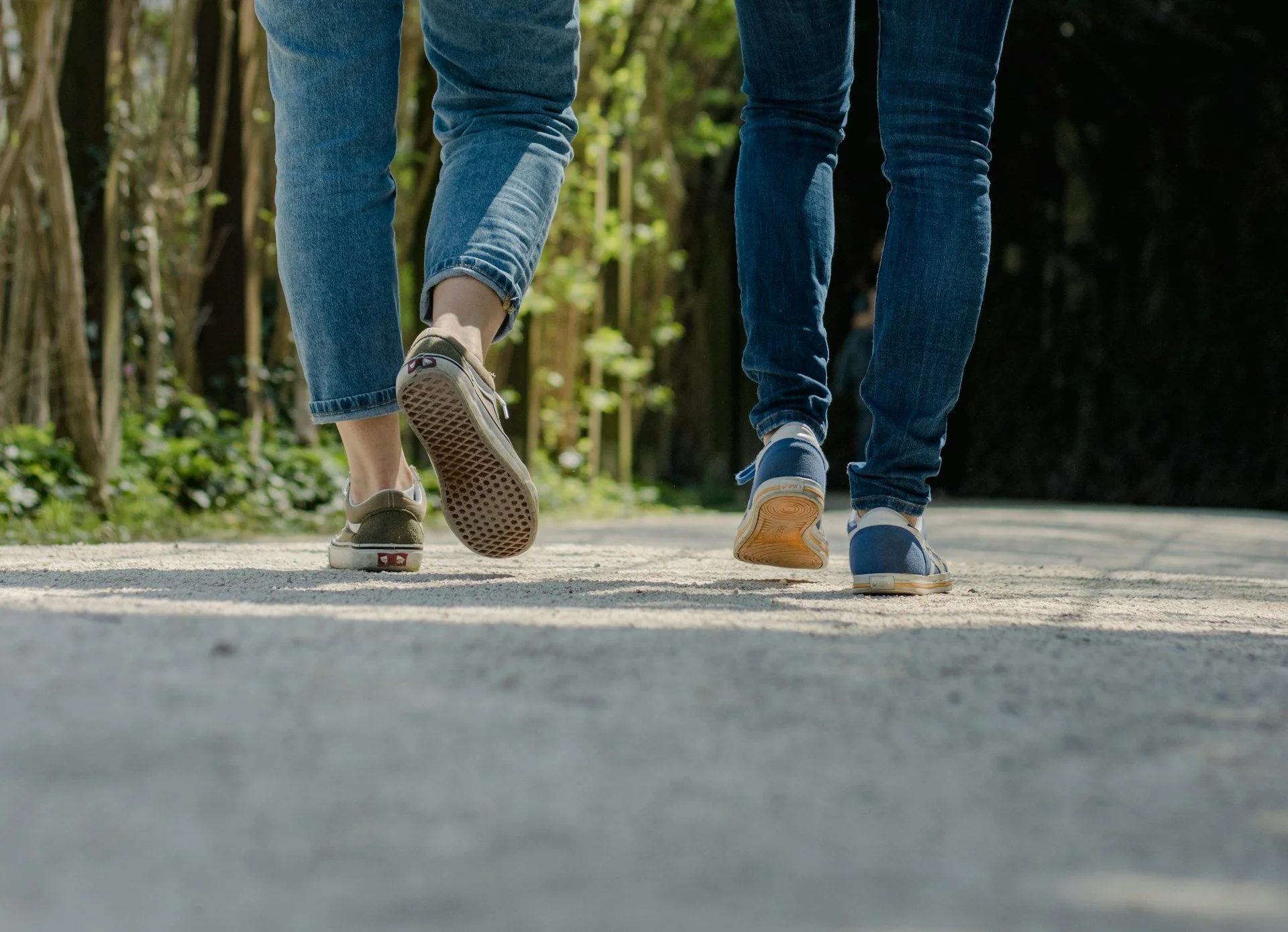
How to walk better: the basics most people skip
Better walking does not mean forcing yourself into a perfect robotic stride. It means paying attention to alignment, rhythm and control. Start with your feet. Ideally, your feet should point mostly forward, not dramatically turned outward or inward. A little natural turnout can be normal because bodies are not built like identical machines. Hip structure, bone shape, mobility and past injuries can all influence how someone walks. But if your feet are constantly pointing far outward, especially with knee, hip, foot or back discomfort, it may be worth looking at your gait more closely.
The important thing is not to panic. The important thing is to notice. Your knees should generally track in the same direction as your toes. If your feet point one way and your knees collapse another way, the body has to manage that rotation with every step. Over time, repeated patterns can create extra stress through the feet, ankles, knees, hips or low back. Your posture should feel tall but not stiff. Think ribs over pelvis, shoulders relaxed, eyes forward. If your head is dropped and your upper back is rounded, your breathing and stride can both feel more restricted. Your stride should feel smooth, not forced. Overstriding, or reaching too far forward with the foot, can make walking less efficient. A slightly shorter, natural stride often feels better than trying to take the biggest steps possible. Your arms should swing. Not aggressively, but naturally. Arm swing helps balance the rotation of the body and keeps walking from becoming stiff through the upper half. Your feet should roll through the ground. You want to feel the foot contact, load and push off, especially through the big toe. The big toe is important for propulsion, which is the part of walking that moves you forward rather than just placing one foot in front of the other.
This is why walking is connected to strength and mobility. If your ankles are stiff, your stride changes. If your hips are tight, your stride changes. If your glutes are weak, your stride changes. If your core is not supporting your pelvis, your stride changes. If your posture is collapsed, your stride changes. Walking is not separate from the rest of your body. It is the result of the rest of your body working together.
Why foot position matters for your knees and hips
When people think about walking, they usually think about the feet first. But your feet are only the beginning of the chain. The foot hits the ground, then the ankle responds, the knee follows, the hip organizes the leg, and the pelvis and spine adjust above it. This is why foot position can influence how the rest of the body feels.
If your feet turn outward noticeably when you walk, it may change how force travels through the lower body. The knees may not track as cleanly over the toes. The hips may not extend as well behind you. The arches may collapse inward. The glutes may contribute less than they should. The lower back may start helping where the hips should be doing more, that does not mean every person with outward foot position has a problem. Bodies vary. But if you notice discomfort in your knees, hips, feet or low back, your gait can be one of the first places to look. Not because you need to “fix” yourself, but because walking is something you repeat thousands of times a day.
If you walk 6,000 to 10,000 steps a day, that is 6,000 to 10,000 chances for your body to practice a pattern. If the pattern is efficient, great. If the pattern is compensating around stiffness, weakness or poor alignment, the body may eventually start asking for help. That is where movement awareness becomes powerful.
You do not have to overthink every step. But you can start noticing: where are my feet pointing? Are my knees following my toes? Am I pushing off the ground, or just falling forward? Are my hips moving, or am I shuffling from the knees? Am I standing tall enough to breathe well? Walking is basic. Good walking is a skill.
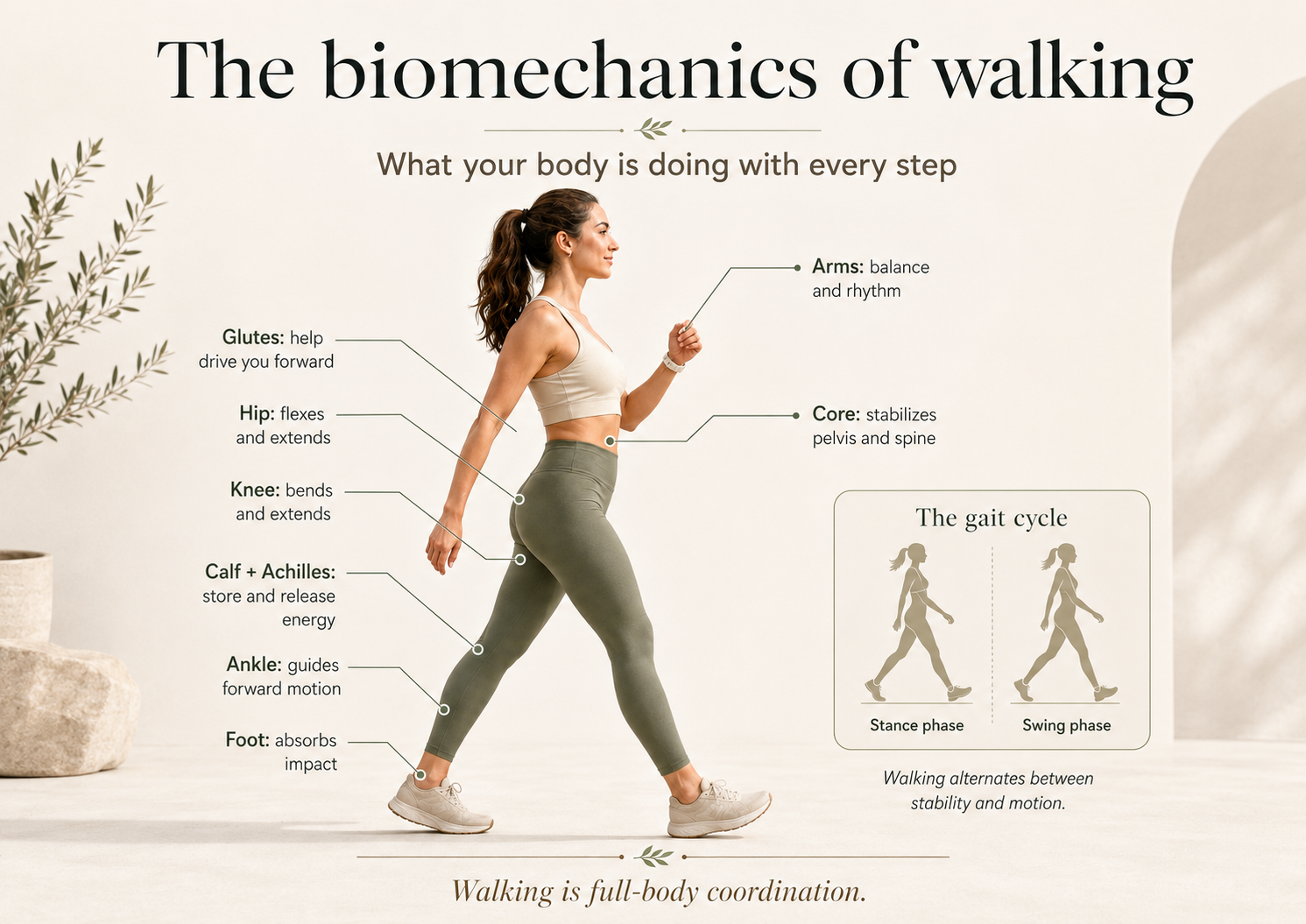
The biomechanics of walking: what your body is doing with every step
Walking looks effortless because we do it every day, but biomechanically it is one of the most coordinated patterns in the body. Every step asks your body to absorb force, shift weight, stabilize, rotate and propel you forward.
Your foot meets the ground and helps absorb impact. Your ankle moves so your body can travel over the foot. Your calf and Achilles help store and release energy. Your knee bends and extends. Your hip moves through flexion and extension. Your glutes help drive the leg behind you. Your core stabilizes the pelvis and spine. Your arms swing naturally in opposition to your legs to help with balance and rhythm.
It is not just a lower-body movement. Walking is full-body coordination. According to clinical gait references, the gait cycle is usually discussed in two major phases: stance phase, when the foot is on the ground, and swing phase, when the leg moves forward. That may sound technical, but it is useful because it reminds us that walking is always switching between stability and motion. You can read more about gait analysis through NCBI Bookshelf.
One leg supports you while the other leg moves. That is why walking requires more balance and coordination than most people realize. When your walking mechanics are working well, the movement feels smooth. Your stride feels natural. Your posture feels tall. Your breath feels easier. Your hips extend behind you. Your feet roll through the ground. Your arms move without stiffness.
When something is not working well, walking can feel different.
Tight hips can shorten your stride. Weak glutes can make the lower back or hip flexors work harder. Limited ankle mobility can affect how the knee and hip move. Poor posture can make breathing feel more restricted. A stiff upper back can reduce natural rotation. Weak core control can make the pelvis feel unstable. This is why walking is not separate from strength, Pilates, mobility or recovery. Your walk is often a reflection of how your body moves everywhere else.
At VIMALIFE, this is why we look at movement as a system. Walking may be the most natural movement pattern, but strength training, Pilates, yoga and mobility work help support the body that performs that pattern thousands of times a day.
Different types of walking and why they matter
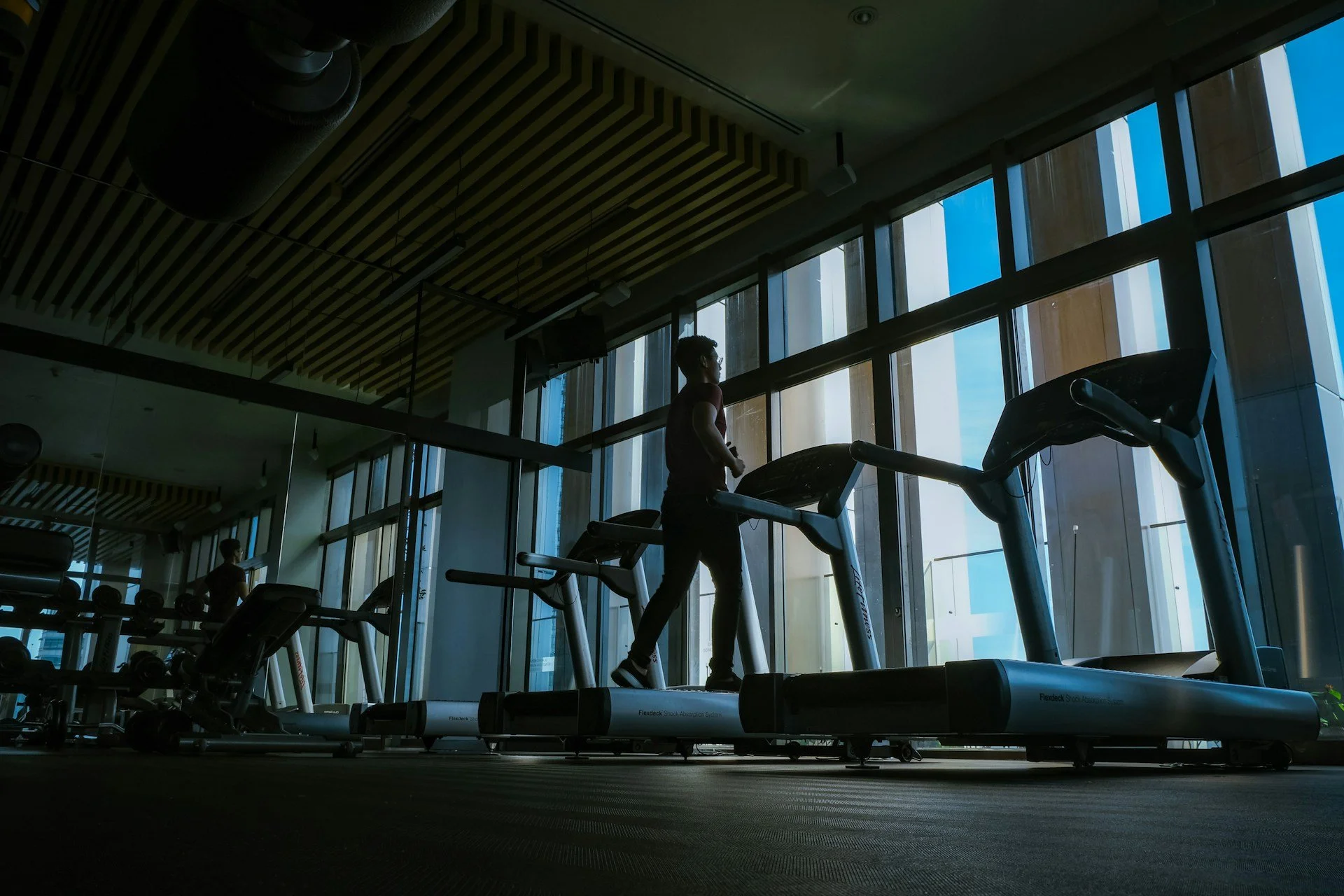
Walking does not have to mean the same thing every day. An easy walk is perfect for recovery, stress relief and daily movement. This is the walk you take when your body needs to move but not be pushed. A brisk walk is closer to cardio. Your breathing changes, your heart rate rises and your body has to work harder. This is where walking starts to feel more like training. A simple way to check intensity is the talk test: if you can talk but not sing, you are probably closer to moderate intensity. A post-meal walk is one of the simplest wellness habits. Even 10 to 20 minutes after eating can help you move, support digestion, support glucose management and break up long periods of sitting.
An incline walk adds muscular demand. Your glutes, hamstrings and calves have to work harder, and your cardiovascular system responds without the impact of running.
Japanese walking is interval walking. You alternate easy walking with faster walking, often using a 3-minute easy and 3-minute brisk structure. Research on interval walking in Japan used repeated 3-minute fast and slow walking intervals, with faster walking at 70% or more of walking VO₂ peak and slower walking around 40%. You can read more about the method through PubMed.
A weighted vest walk or ruck adds load. Research has shown that walking with a weighted vest can increase metabolic cost, relative exercise intensity and skeletal loading. That means the body has to work harder. But load should be progressed slowly. More weight is not automatically better, especially if your posture, joints or gait are not ready for it. You can read the weighted-vest walking study on PubMed.
A recovery walk is slower and more restorative. It is less about cardio and more about circulation, stress and helping the body come down after harder training. The point is not to do every version. The point is to have options.
How to know if your walk is actually cardio
Walking can count as cardio, but intensity matters. A gentle walk is still valuable, especially if the alternative is sitting. But if you want the walk to support cardiovascular fitness, it usually needs to feel at least moderately challenging. The easiest way to measure this is the talk test. If you can sing easily, it is probably light movement. If you can talk but not sing, it is likely moderate-intensity walking. If you can only speak in shorter phrases, you are working harder. You do not need to make every walk intense. In fact, you probably should not. But if all of your walking is very slow and distracted, you may not be getting the same cardiovascular benefit as you would from one or two more intentional walks per week. A smart week might include both: easy walks for recovery, brisk walks for cardio, post-meal walks for digestion and glucose support, incline walks for muscular demand, and interval walks for variety. That is how walking becomes more than a step count.
Why walking belongs in a VIMALIFE routine
Walking is one of the best foundations for health, but it should not be the only thing your body does. Walking helps you move more. Strength training helps your body handle more. Pilates helps you control your movement. Yoga and mobility help you access better range. Conditioning helps build capacity. Recovery helps your body absorb the work.
If someone walks with their feet turned outward, knees collapsing, hips tight, or posture compressed from sitting all day, the solution is not simply “walk straighter.” The body may need strength, mobility, awareness and better movement patterns. That is where personal training, Pilates, strength work and mobility become powerful. They help improve the body behind the walk.
At VIMALIFE, we see walking as part of a complete wellness system. It is not separate from training. It supports training. It helps you recover, stay active, build consistency and connect movement to your everyday life.
A member might walk to the club, take a strength class, stretch afterward and walk home feeling better than when they arrived. Someone else might use a post-meal walk to build a better daily rhythm. Someone else might work with a personal trainer to understand why their knees feel off when they walk, or why their hips always feel tight. That is the point. Walking is the baseline. The rest of your routine helps make that baseline stronger.
A simple walking reset to try this week
If you want to walk more, start simple. For one week, try adding one of these: a 10-minute walk after dinner, a 20-minute walk before work, one brisk walk where your breathing changes, one easy recovery walk after a hard workout, or one walk where you pay attention to your feet, knees, hips, posture and arm swing.
You do not need to fix everything at once. Just start noticing. Are your feet pointing mostly forward or turning outward? Are your knees following your toes? Are your shoulders relaxed? Are you pushing off the ground or shuffling? Are you breathing easily? Does your stride feel smooth? That awareness alone can change how you move. And the more you walk, the more chances your body has to practice moving well.
The bottom line
Walking is having a rebrand because people are finally giving it the respect it deserves. It is not just what you do when you miss a workout. It is low-impact cardio. It is daily movement. It is gait and posture. It is joint health. It is metabolic support. It is recovery. It is one of the most repeatable ways to build a healthier life.
But the smartest version of walking is not just about collecting steps. It is about understanding the body behind the walk. Walk more. Notice how you walk. Build the strength and mobility that help you walk better. Use different types of walks for different goals. Let walking become part of your routine, not something you only do when everything else falls apart.
At VIMALIFE, our approach to movement is built around that bigger picture: strength, cardio, mobility, recovery and longevity in one space. Whether you are walking more, rebuilding your routine, improving your cardio or learning how to move better, we are here to help you make it sustainable.
Explore our strength, Pilates, yoga and conditioning classes, learn more about personal training in Leslieville, or visit VIMALIFE to discover a fitness and wellness club built for the way you want to feel, move and live.