The Soccer Body: What the World’s Most Popular Sport Teaches Us About Cardio, Agility and Longevity
Soccer is everywhere right now.
With Toronto in the global soccer spotlight, it is hard not to feel the pull of the sport, even if you are not usually the person keeping up with match schedules, group standings or who scored in extra time.
But the most interesting thing about soccer is not only the spectacle. It is the body behind it.
Because when you stop looking at soccer as a sport and start looking at it as movement, it becomes one of the most fascinating examples of functional fitness we have. Soccer is not just running. It is not just cardio. It is not just speed. It is a full-body conversation between aerobic endurance, sprint power, leg strength, acceleration, deceleration, balance, coordination, rotation, reaction time, mobility and recovery.
A soccer player does not move in one straight line at one steady pace. They walk, jog, sprint, stop, cut, brace, jump, land, pivot, scan, react and repeat. They do that while managing fatigue, space, pressure and constant decision-making. That is why soccer is such a good lens for modern fitness.
It shows us that the most useful body is not only strong, and not only conditioned. It is adaptable. It can shift gears. It can absorb force. It can produce power. It can recover quickly. It can move in more than one direction.
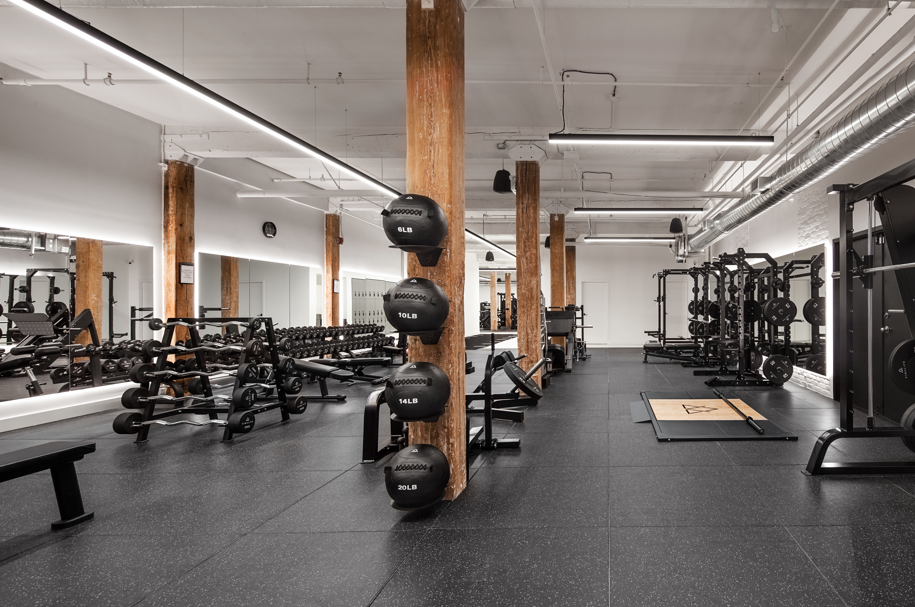
At VIMALIFE, this is exactly where the conversation around movement gets interesting. You do not need to train like a professional athlete to borrow from the principles behind athletic movement. Strength training, conditioning, mobility, Pilates, yoga, recovery and personal training all support the same bigger goal: a body that can move well, recover well and keep showing up for real life.
Soccer Is Not Just Cardio
The easiest way to describe soccer is cardio, but that almost undersells it.
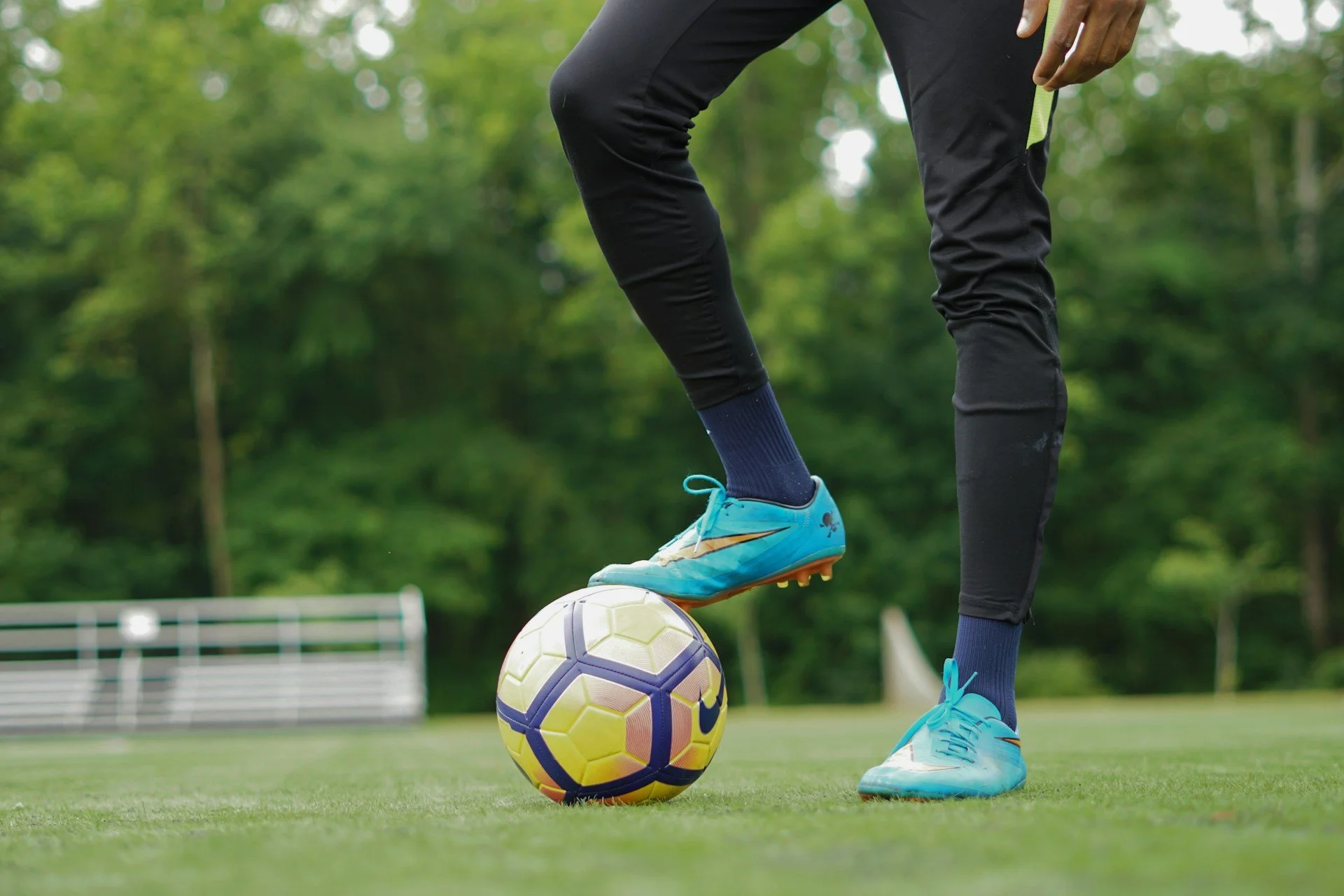
Traditional cardio usually makes people think of one continuous effort: running on a treadmill, cycling at one pace, using the elliptical, or going for a steady jog. Soccer is different. It is an intermittent sport, which means the body is constantly shifting between different speeds and intensities.
A player might jog for a few seconds, sprint into space, slow down, cut sideways, backpedal, walk, then explode again. That stop-start rhythm is one of the reasons soccer fitness is so demanding. It asks the cardiovascular system to keep working, but it also asks the muscles, joints and nervous system to react quickly.
Professional soccer players can cover roughly 9 to 10 kilometres in a match, but the distance alone does not tell the whole story. The real story is hidden in the changes of pace: the repeated sprints, high-speed runs, accelerations and decelerations and the constant need to recover just enough to go again.
That is what makes soccer cardio so different from simply “going for a run.”
It is endurance with interruptions. It is speed layered onto stamina. It is recovery built into chaos.
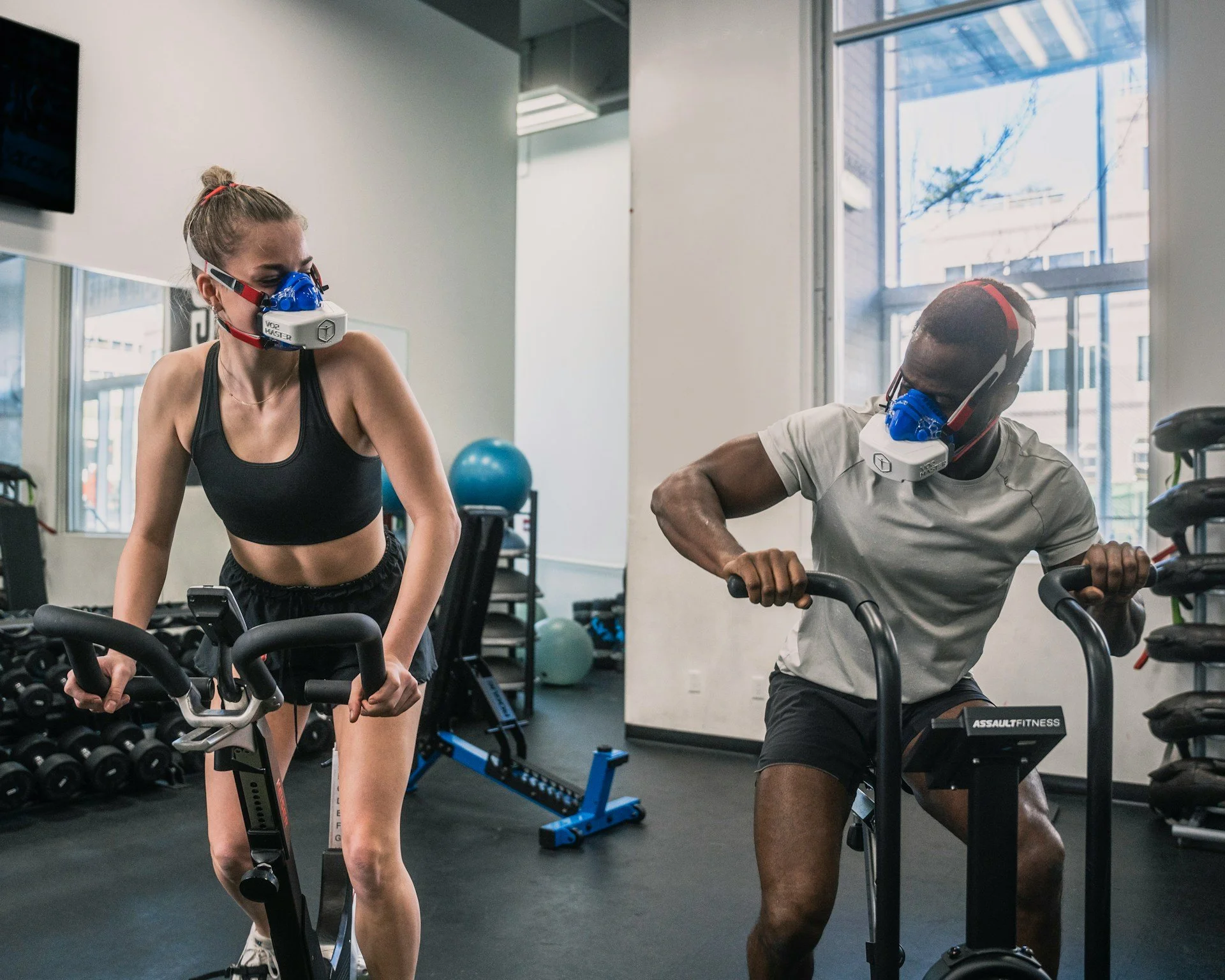
This is also why soccer connects so well to the modern fitness conversation around VO2 max. VO2 max is a measure of how well your body can take in, transport and use oxygen during intense exercise. In simple terms, it gives us a sense of aerobic fitness and cardiovascular capacity. Soccer challenges that system because the body is not only moving steadily. It is repeatedly moving, recovering, sprinting, stopping and restarting.
That combination creates a very different demand than one-speed cardio. It asks the heart, lungs, muscles and nervous system to work together.
And honestly, that looks a lot more like real life than we give it credit for.
The VO2 Max Conversation Is Part of This Too
Soccer fits perfectly into the current health optimization and longevity conversation because of VO2 max.
VO2 max is one of the strongest ways to talk about cardiovascular fitness because it reflects the body’s ability to use oxygen during harder exercise. It has become a popular topic in longevity spaces because better cardiorespiratory fitness is often connected with better long-term health outcomes.
Soccer is interesting because it trains aerobic and higher-intensity systems at the same time. During a match, the body uses aerobic energy to keep moving and recover between efforts, but it also relies on more intense bursts for sprints, accelerations, jumps and quick reactions. That is why soccer feels so demanding. It is not one long sprint, and it is not one gentle jog. It is a repeated-effort sport.
You go. You recover. You go again.
Recreational soccer has been studied as a way to improve VO2 max, which makes sense when you look at the structure of the sport. The body is not only being asked to last. It is being asked to recover while still moving, then produce effort again.
For everyday fitness, this matters because the body benefits from both steady and variable conditioning. Steady movement can support aerobic capacity and recovery. Higher-intensity intervals can challenge the heart and lungs in a different way. Strength and conditioning classes can blend both by asking the body to move, lift, breathe, stabilize and recover.
You do not need to play soccer to train the same idea.
You can build cardiovascular capacity through conditioning classes, intervals, incline walking, cycling, rowing, stair work, circuit training, strength and conditioning, and any workout that challenges your heart and lungs in a structured way.
The bigger lesson is this: your heart likes consistency, and it also likes variety.
Repeated Sprint Ability Is the Hidden Skill
One sprint is one thing.
Sprinting, slowing down, recovering, reading the game, then sprinting again is something else entirely.
This is called repeated sprint ability, and it is one of the reasons soccer is so physically demanding. A player does not just need speed. They need the ability to express speed again and again while fatigue builds.
That is a very different kind of fitness than doing one perfect sprint when you are fully rested.
Repeated sprint ability depends on several systems working together. The muscles need enough power to accelerate. The cardiovascular system needs enough capacity to help the body recover between efforts. The nervous system has to keep coordinating movement even when the body is tired. The joints and connective tissues have to tolerate the repeated mechanical load.
This is why soccer is such a powerful example of athletic conditioning.
It is not only about how fast someone can go. It is about how well they can repeat quality movement under fatigue.
In everyday training, this does not mean everyone needs to sprint all-out. It means there is value in training the body to handle changes in effort. That might look like intervals, conditioning circuits, hill walking, cycling pushes, rowing intervals, stair work, or strength and conditioning classes where the body learns how to work, recover and work again.
The goal is to build capacity.
The Stop-Start Nature of Soccer Is the Point
One of the most underrated parts of soccer is deceleration.
Everyone loves speed. We notice the sprint, the breakaway, the explosive run down the wing, the dramatic change of pace. But before a player can accelerate again, they have to stop, slow down, absorb force and redirect it. That is where the body has to be incredibly intelligent.
Stopping is not passive. It requires strength through the legs, control through the hips, stability through the core, mobility through the ankles and enough coordination to change direction without collapsing into the joints. In sport science, acceleration and deceleration are often treated as major physical demands because they create mechanical load on the body. Sprinting asks the body to produce force quickly. Decelerating asks the body to absorb force quickly. Cutting asks the body to do both while changing direction.
That is a lot of work for the calves, quads, hamstrings, glutes, hips, core and connective tissues.
This is why soccer starts to connect with strength and conditioning. A good athletic body is not just the body that can go. It is the body that can go, stop, turn and go again. That matters whether you are playing soccer, taking a conditioning class, stepping off a curb, carrying groceries, hiking, cycling, running after your kid, or simply wanting to feel more capable in your body.
Soccer speed is not only about being naturally fast.
Speed is a skill, and it is closely connected to strength, power, coordination and mechanics. To sprint well, the body has to apply force into the ground quickly and efficiently. That means the glutes, hamstrings, calves, quads, hips and core all matter. This is why lower-body strength training is so relevant to soccer-inspired fitness. Strong legs are not only for lifting heavier weights. They help the body accelerate, brake, change direction and tolerate more movement without feeling fragile.
Power is the next layer. Strength is the ability to produce force. Power is the ability to produce force quickly. Soccer needs both. A player needs strength to hold position, absorb contact and stabilize. They need power to sprint, jump, strike, cut and change pace. This is where training methods like strength work, plyometrics, controlled jumping, sprint drills, hill work, loaded carries, single-leg exercises and conditioning circuits can all support athletic movement. Research on soccer players has looked at how strength, plyometric and combined training can improve strength, jump performance, acceleration, change of direction speed and sprint qualities.
That matters outside of sport too. Because power is not just for athletes. Power is part of everyday capability. It is the ability to get up quickly, climb stairs with strength, catch yourself when you stumble, move with confidence and feel less hesitant in your own body.
A strong body is useful. A strong body that can move quickly, slow down safely and recover well is even more useful.

Plyometrics, Jumping and Elastic Strength
Soccer is full of small explosive moments.
A jump for a header. A quick first step. A sharp change of direction. A sudden acceleration. A landing. A rebound. A quick push off the ground.
These moments rely on elastic strength, which is the body’s ability to store and release force efficiently. You can think of it like a spring. The body absorbs force, organizes it and then produces movement.
That is why plyometric training shows up so often in soccer performance research. Plyometrics can include jumps, bounds, hops and quick ground-contact drills. They are not just about jumping higher. They help train the relationship between force, timing, stiffness, control and speed.
A systematic review and meta-analysis on plyometric training in soccer players found improvements in jumping, sprinting and change-of-direction abilities.
For the everyday person, this does not mean jumping into advanced plyometrics on day one. It means understanding why lower-body power matters. A well-designed fitness routine can include power in safe, scalable ways, whether that is through controlled jumps, faster step-ups, sled-style movements, medicine ball work, short intervals, or coached strength and conditioning.
The key is quality.
Power should look sharp and controlled, not messy and exhausted.
Mobility Is What Lets Strength Show Up
Mobility is not the soft part of athletic training.
It is one of the reasons the body can access strength, speed and control in the first place.
In soccer, the hips need to rotate. The ankles need to bend. The calves need to tolerate load. The hamstrings need to lengthen and contract. The thoracic spine needs to rotate. The feet need to feel responsive. The body needs enough range to move efficiently, but also enough strength to control that range.
That last part is important.
Mobility is not just flexibility. Flexibility is passive range. Mobility is usable range. It is the ability to move through a position with control.
This is where Pilates, yoga, mobility training and strength training all start to overlap. Pilates teaches control and alignment. Yoga supports breath, range and body awareness. Strength training helps build capacity. Mobility work helps the joints feel more prepared for movement.
A soccer-inspired body does not need to be loose for the sake of being loose.
It needs to be strong through range.
Recovery Is Part of Performance
Soccer also teaches us something people often forget: recovery is not separate from fitness.
It is part of the system.
Repeated sprinting, cutting, stopping and changing direction create fatigue. The body has to restore energy, repair tissue, calm the nervous system and prepare to perform again. That is why recovery matters for athletes, and it matters for everyday people too.
Recovery does not always mean doing nothing. It can mean sleep, hydration, nutrition, mobility, breathwork, lower-intensity movement, yoga, walking, stretching or simply spacing out harder training days with intention. This is especially important for people who love intensity. Conditioning classes, strength sessions, HIIT-style workouts and cardio training can all be incredibly valuable, but the body adapts between sessions. More is not always better if the recovery side is missing.
A smarter routine has rhythm. Hard days. Easier days. Strength. Conditioning. Mobility. Recovery. Breath. Sleep. Repeat.
That is how fitness becomes sustainable.
The Community Side of Soccer Matters Too
The best part of soccer is that it has never only been about performance.It is also about belonging. In Toronto, local leagues help make the sport feel accessible, social and community-driven.
Downtown Soccer Toronto is a great example of that. DST is Toronto’s official 2SLGBTQIA+ recreational soccer league, built around inclusive play, community and soccer for all skill levels. That kind of environment is part of what makes sport so powerful. It gives people a reason to move, connect, compete, laugh, recover and keep showing up.
And that is something we talk about a lot at VIMALIFE too. Fitness is easier to stay consistent with when it feels connected to your life. Whether that is joining a local soccer league, taking a strength class, booking Pilates, trying yoga, training with a coach, or simply finding a place where movement feels less intimidating, the community around the workout matters.
Soccer reminds us that movement can be athletic, but it can also be social. It can challenge the body while giving people a stronger reason to come back.
What Soccer Teaches Us About Longevity Fitness
The biggest lesson from soccer is not that everyone should play soccer.
It is that longevity fitness is multidimensional.
A long-term fitness routine should support cardiovascular health, muscle strength, balance, coordination, mobility, reaction time, joint health and recovery. Soccer just happens to show all of those qualities in motion.
This is where the old idea of fitness starts to feel too narrow. It is not enough to only be strong if you cannot move well. It is not enough to only have endurance if your body feels unstable. It is not enough to only stretch if you never build strength. It is not enough to only do high-intensity workouts if you never recover.
Longevity fitness asks for a smarter mix.
It asks: can you build strength and still move with ease? Can you improve cardio without burning out? Can you train hard and recover well? Can you keep your joints mobile, your core strong and your balance sharp? Can your routine evolve as your life changes?
Soccer makes that question visible because the game demands so much from the body at once.
But the same principle applies to anyone who wants to age well, feel better and stay active.
How to Train Like a Soccer Body Without Playing Soccer
You do not need cleats, a league or a field to train the qualities that make soccer so powerful.
Start with strength. Lower-body strength, single-leg work, core control and posterior-chain training all matter for athletic movement. This can happen on the gym floor, in a strength class, or with a coach who can help you build a plan that makes sense.
Add power carefully. Power training can include jumps, controlled plyometrics, medicine ball work, sled-style movements, faster strength work or short acceleration efforts. The key is quality. Power training should feel sharp and controlled, not sloppy and exhausted.
Build conditioning. This could be circuits, intervals, incline walking, cycling, rowing, stair work, or classes that blend strength and cardio. The goal is not to suffer. The goal is to build capacity.
Train agility and direction change. Lateral movement, step patterns, controlled cutting, balance work and reaction-based drills can help the body get comfortable moving outside a straight line.
Do mobility work. Hips, ankles, calves, hamstrings, thoracic spine and feet all matter more than people realize. Mobility is not the “extra” part. It is what helps strength and cardio feel better.
Train balance and control. Pilates, yoga, single-leg exercises, core work and slower controlled movement all help build the body awareness that athletic movement requires.
Recover. Soccer players do not only train; they recover so they can perform again. Everyday people need that too. Sleep, hydration, mobility, yoga, breathwork, rest days and lower-intensity movement are all part of the bigger picture.
This is where VIMALIFE naturally fits in. You can build strength, take fitness classes in Leslieville, work with a coach through personal training in Leslieville, and layer in Pilates, yoga, mobility and recovery-focused movement so your routine feels complete.
The Future of Fitness Looks More Athletic
Not because everyone needs to look like an athlete, but because athletic qualities are useful. They help the body feel capable. They support how we move through the world. They make fitness feel less like a collection of isolated exercises and more like preparation for life.
Soccer is trending because the world is watching it, but the movement behind the sport has always been worth studying.
It teaches us that the body is designed to shift gears. It teaches us that endurance and power can live together. It teaches us that agility is strength in motion. It teaches us that recovery is part of performance. It teaches us that cardio does not have to be one speed in one direction.
Most of all, it teaches us that fitness is more interesting when it feels alive.
VIMALIFE is a boutique fitness club in Leslieville, Toronto, designed for people who want a smarter, more complete approach to movement. With open gym access, 200+ monthly classes, personal training, strength training, conditioning, Pilates, yoga, barre, mobility, recovery-focused movement and premium amenities, VIMALIFE brings together the pieces of a routine that helps you feel strong, athletic, mobile and energized.
If you are looking for a gym in Leslieville, fitness classes in Leslieville, personal training in Leslieville, strength and conditioning in Toronto, mobility training, cardio workouts, Pilates, yoga or a wellness club that supports the full picture of fitness, VIMALIFE was built for that balance.
Explore VIMALIFE, browse our class schedule, learn more about personal training, or view membership options.