
The New Era of Women’s Wellness; Strength, Recovery and Training for Long-Term Health
Women deserve a fitness message that supports their strength, well-being and individuality, without the pressure to shrink, conform or overexert.
For years, women’s fitness was sold through a narrow lens: lose weight, tone up, get smaller, push harder, do more. The message was rarely about building strength for the next decade of your life. It was rarely about bone density, hormones, recovery, energy, confidence, heart health, muscle, stress, or feeling more capable in your body.
That is starting to change. Women’s wellness is entering a new era, and the conversation is becoming much more interesting. It is no longer just about aesthetics, menopause management, cycle syncing, supplements, or optimizing every detail of your biology. The better conversation is about healthspan: the years you spend feeling strong, mobile, energized, independent and well.
The goal is to be the oldest person in the gym not the youngest in a retirement home. Training helps you move through life with strength, whether that means carrying groceries, travelling, staying independent or playing with your grandchildren all day. That is what makes it powerful. Strength training, Pilates, cardio, yoga, recovery and personal training all have a role to play. Not because every woman needs the same routine, but because women deserve fitness that supports the whole body through different stages of life.
Your routine should help you build strength, protect bone density, support energy, respect hormonal shifts, improve posture, balance and mobility, and recover properly. It should make you feel more at home in your body, not like your body is a project that constantly needs fixing. At VIMALIFE, this is how we think about wellness: not as a punishment, not as a performance, but as a full-body approach to living and moving well.

Women’s wellness is moving beyond “work harder”
The most outdated version of women’s fitness was built around intensity for the sake of intensity. More sweat. More restriction. More calories burned. More discipline. More pressure.
But a smarter routine is not always the hardest one. A smarter routine asks better questions. Are you building muscle? Are you supporting your bones? Are you training your heart? Are you recovering well? Are you sleeping enough? Are you moving in a way that feels sustainable? Are you learning how your body changes across different seasons of life? That shift matters because women’s bodies are not static. Energy, hormones, recovery, strength, sleep, stress tolerance and body composition can all change across adulthood, pregnancy, postpartum, perimenopause, menopause and beyond. That does not mean women are fragile. It means women deserve training that is intelligent enough to meet them where they are.
The Global Wellness Summit’s 2026 trend report talks about women finally getting their own lane in longevity, with the market moving beyond narrow menopause messaging into a broader conversation around women’s healthspan. That is the right direction. The point is not to make women’s wellness more complicated. The point is to make it more complete.
Strength is one of the clearest markers of aging well
Strength training is often talked about like it is optional, it is not. Muscle is not just about looking toned. Muscle is functional tissue. It helps you climb stairs, carry groceries, get up from the floor, lift your bag into the car, stabilize your joints, protect your bones and move through life with more confidence. Muscle supports metabolism, posture, balance and long-term independence.
A 2026 study in JAMA Network Open followed 5,472 ambulatory women aged 63 to 99 for an average of 8.3 years. The study found that greater grip strength was associated with lower mortality risk, even after accounting for physical activity, sedentary behaviour and cardiorespiratory fitness. Grip strength may sound like a hand measurement, but it is often used as a practical marker of overall strength and physical resilience. You can read the study in JAMA Network Open. Strength is about becoming durable. It is about having more physical reserve. It is about making everyday life easier. It is about aging with more options. The goal is not simply to live longer. The goal is to live better for longer.
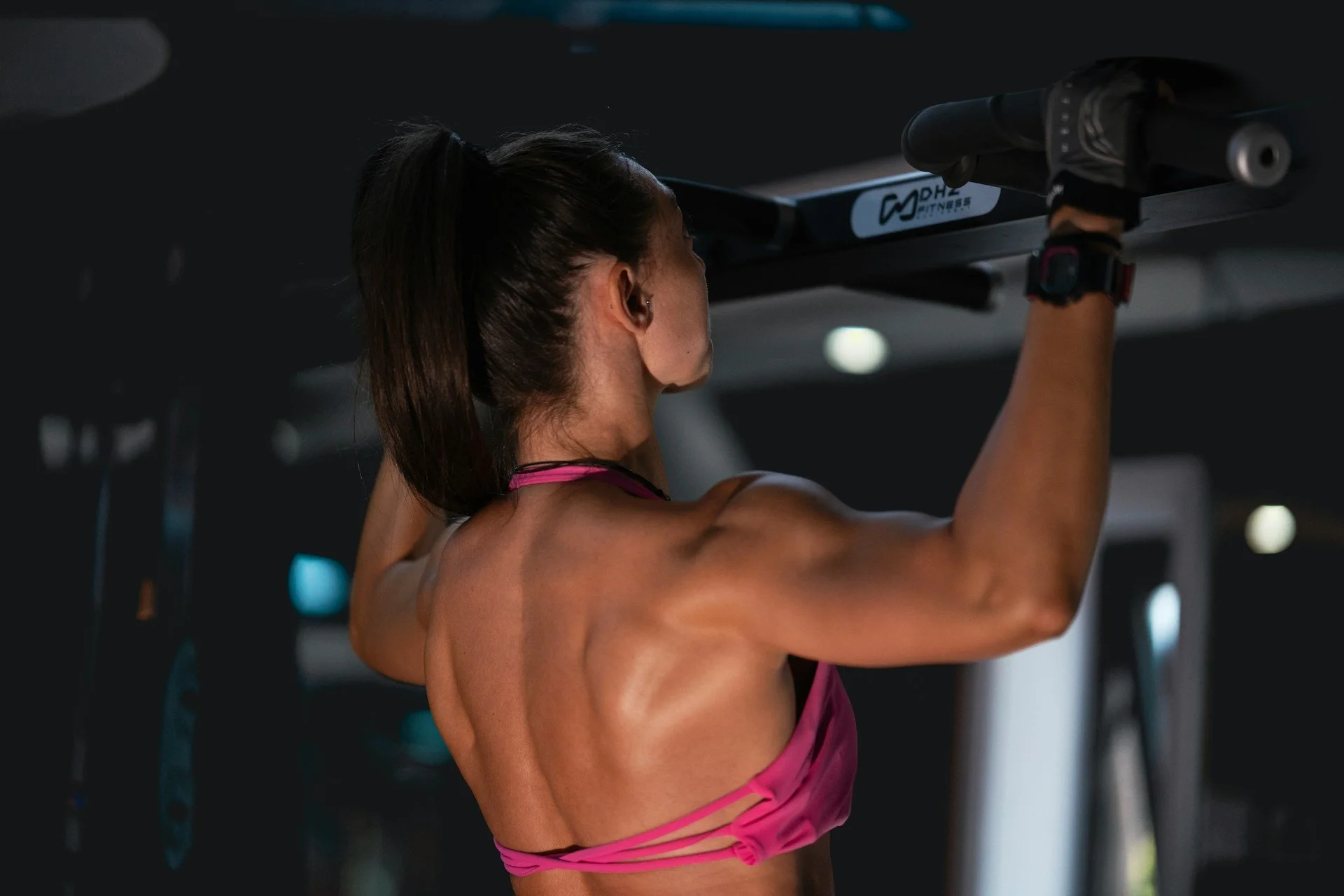
Age-related muscle loss is not something most people think about until it starts affecting daily life. But muscle mass and strength naturally become more important with age because they are connected to function.
Sarcopenia, the gradual loss of muscle mass, strength and physical performance with aging, can make everyday tasks like climbing stairs or getting out of a chair harder over time. It can also increase the risk of falls, fractures and loss of independence. Cleveland Clinic explains sarcopenia as an age-related decline that affects the musculoskeletal system and physical function, which is exactly why strength training deserves a place in the longevity conversation.
This is not meant to sound scary. It is meant to be empowering. Muscle can be trained. Strength can be built. Confidence can grow. And you do not need to start with heavy barbells or complicated exercises. Strength can begin with bodyweight movements, resistance bands, dumbbells, machines, personal training or a strength-focused class. What matters is progressive resistance: giving your muscles enough challenge that they have a reason to adapt. At VIMALIFE, members can build strength through open gym access, strength-based classes and personal training in Leslieville, depending on how much guidance they want. For someone new to strength training, support can make a huge difference. Learning how to squat, hinge, push, pull, carry and brace well can turn strength training from intimidating into empowering.
Bone density needs load
Bone health is one of the most important reasons women should strength train. Bones respond to load. When muscles pull on bones during resistance training, the body receives a signal to maintain or build bone strength. This becomes especially important for women as estrogen levels change with age, because lower estrogen after menopause is associated with increased risk of osteoporosis and fractures.
The Office on Women’s Health notes that low estrogen and aging-related changes can raise the risk of heart disease, stroke and osteoporosis around menopause. That does not mean movement is a cure-all, but it does mean exercise belongs in the conversation around women’s long-term health. You can read more from Women’s Health.
Research also supports the role of exercise in bone health. A 2023 systematic review and meta-analysis on postmenopausal women found that exercise interventions can support bone mineral density, especially when programs are long enough and appropriately structured. You can read the review through PMC. A 2025 network meta-analysis also found that combined aerobic exercise and resistance training showed strong effects for bone mineral density outcomes in postmenopausal women. You can read that study in Scientific Reports.
This is why walking alone is not enough. Walking is wonderful. It supports heart health, mood, circulation and consistency. But bones and muscles also need progressive resistance. They need to be challenged in ways that tell the body, “We still need strength here.” That might mean squats, deadlifts, step-ups, carries, rows, presses, resistance machines or well-coached strength classes. It does not need to feel extreme. It needs to be consistent, safe and progressive.
Hormonal shifts change the conversation, not the goal
Hormonal changes are part of life, but women are often left to figure out how to train through those changes with very little guidance. Perimenopause and menopause can bring changes in sleep, mood, energy, body composition, recovery, joint comfort, temperature regulation and stress tolerance. Some women notice they do not recover from hard workouts the way they used to. Some feel more fatigue. Some experience changes in strength, muscle tone or how their body responds to the same routine.
That does not mean training should stop. It means training should get smarter. The goal is not to punish the body for changing. The goal is to support the body through change. Strength training can help maintain muscle and support bones. Cardio supports heart health. Pilates can support posture, core control and alignment. Yoga and recovery work can help downshift the nervous system. Personal training can help adjust programming around energy, confidence, experience and goals.
A 2023 review on menopause and physical health concluded that physical activity has a positive impact on cardiometabolic, physical and psychological health among midlife women. You can read the review through PMC. That is the key message: movement matters, but it should be supportive, not punishing. Women do not need to train as if every season of life is the same. They need a routine that can adapt.
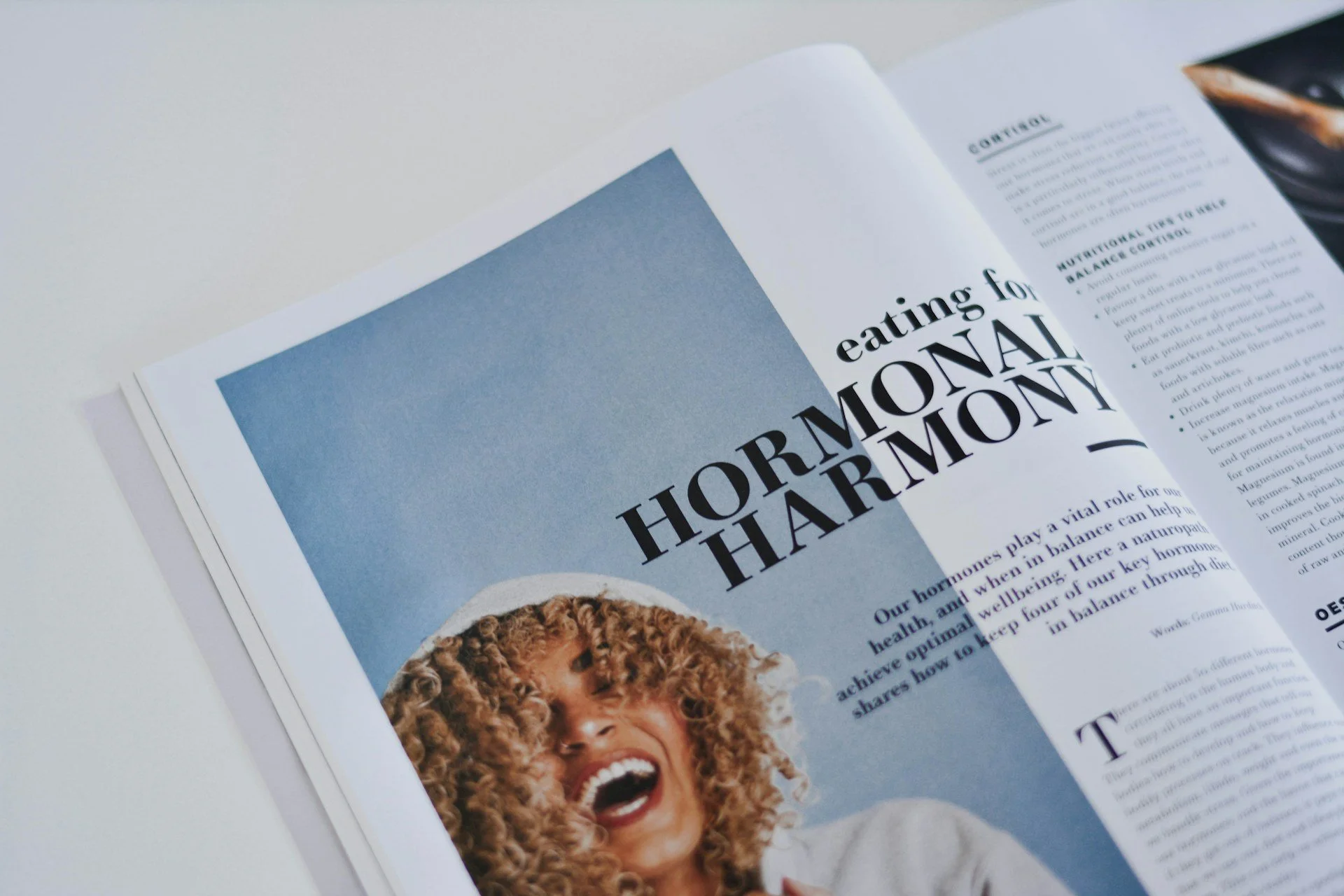
Cardio still matters, especially for heart health
Strength is essential, but it is not the only pillar. Cardio matters too. Women’s heart health deserves more attention, especially during and after the menopausal transition. Heart & Stroke Canada notes that hormonal changes during menopause can affect cardiovascular risk, and being active can help reduce the risk of heart disease, stroke, high blood pressure, type 2 diabetes and osteoporosis. You can read more from Heart & Stroke. This does not mean everyone needs to run.
Cardio can look like brisk walking, cycling, conditioning classes, dancing, hiking, swimming, rowing, intervals, or sport. The goal is to train the heart and lungs in a way that feels repeatable. For some women, that might mean low-impact steady cardio. For others, it might mean intervals or a conditioning class. For someone rebuilding fitness, it might begin with walking. The CDC recommends at least 150 minutes of moderate-intensity aerobic activity per week, plus two or more days of muscle-strengthening activity. You can read the guidelines from the CDC.
The important thing is balance. A routine built only around cardio may miss the muscle and bone benefits of strength training. A routine built only around lifting may miss the cardiovascular and metabolic benefits of aerobic movement. A well-rounded routine gives the body both.
Pilates supports posture, control and core strength
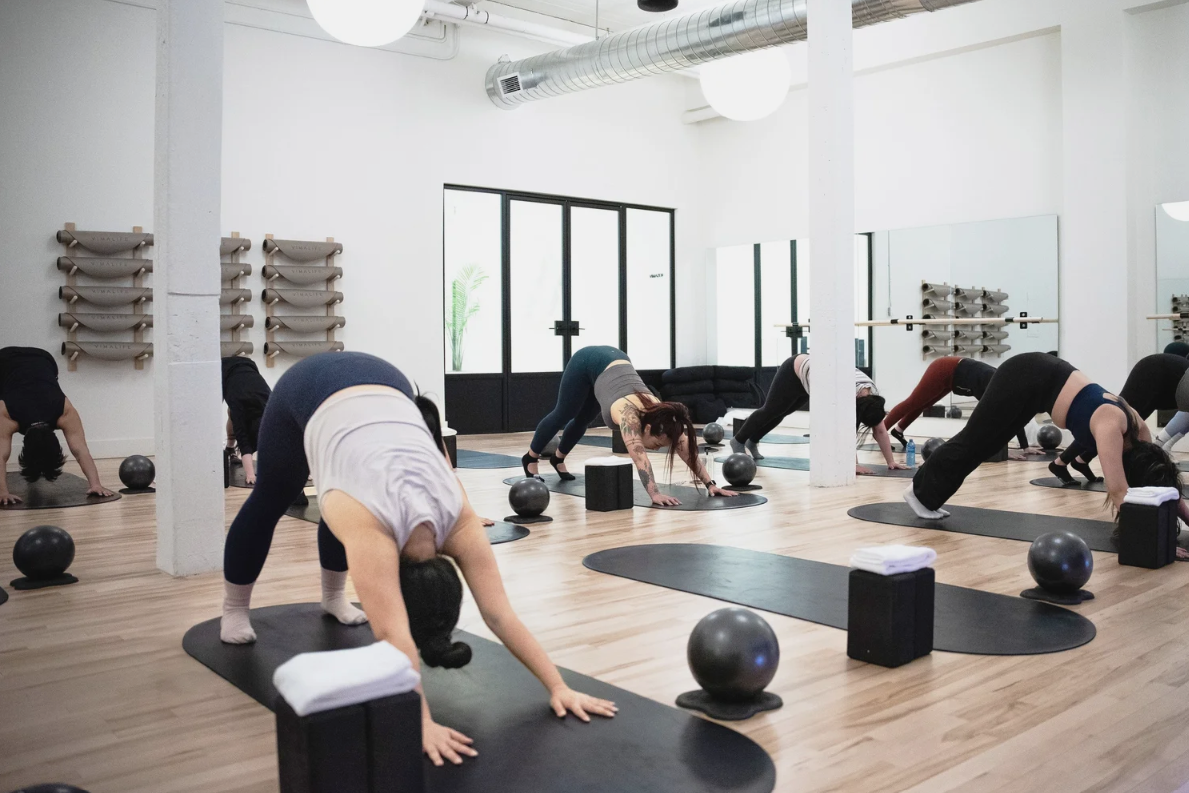
Pilates has an important place in women’s wellness because it trains the kind of strength that people do not always notice until they lose it: posture, alignment, breath, control and deep core connection.
It is not just “light movement.” Done well, Pilates teaches the body how to organize itself. It helps people understand how the ribs, pelvis, spine, hips, shoulders and breath work together. That can carry over into strength training, walking, running, daily movement and how someone feels sitting at a desk all day. For many women, Pilates becomes the bridge between strength and body awareness. It can help build control without the intimidation some people feel around weight training. It can also support a stronger relationship with the body because the focus is not on shrinking or punishing. It is on precision, connection and movement quality. This is why Pilates and strength training work so well together. Strength training builds capacity. Pilates refines control. Together, they support a body that is not only stronger, but also more coordinated and aware.
We wrote more about this balance in our VIMALIFE blog, Pilates vs Strength Training: Which Is Better for Longevity?, because the best answer is usually not one or the other. It is both, used well.
Yoga and recovery support the nervous system
Women’s wellness cannot only be about output. It also has to be about recovery. Many women are balancing work, family, stress, caregiving, hormones, sleep disruption, social expectations and a long list of invisible responsibilities. A fitness routine that only adds more pressure is not always helpful. This is where yoga, mobility, breathwork and recovery-based movement matter. They help the body access range of motion, regulate breath, reduce tension and create a different kind of relationship with effort. They can also support consistency because not every day needs to be a hard day.
Recovery is not weakness. Recovery is what makes training sustainable. A good routine should include days that build strength and days that help the body absorb the work. It should include challenge, but also downshift. It should support the nervous system, not constantly overload it. This connects to something we explored in our VIMALIFE blog, Health Optimization Got Too Complicated. Your Body Still Needs the Basics. The basics are still the foundation: strength, movement, sleep, recovery, consistency and a routine you can actually live with.
Personal training can make fitness feel less intimidating
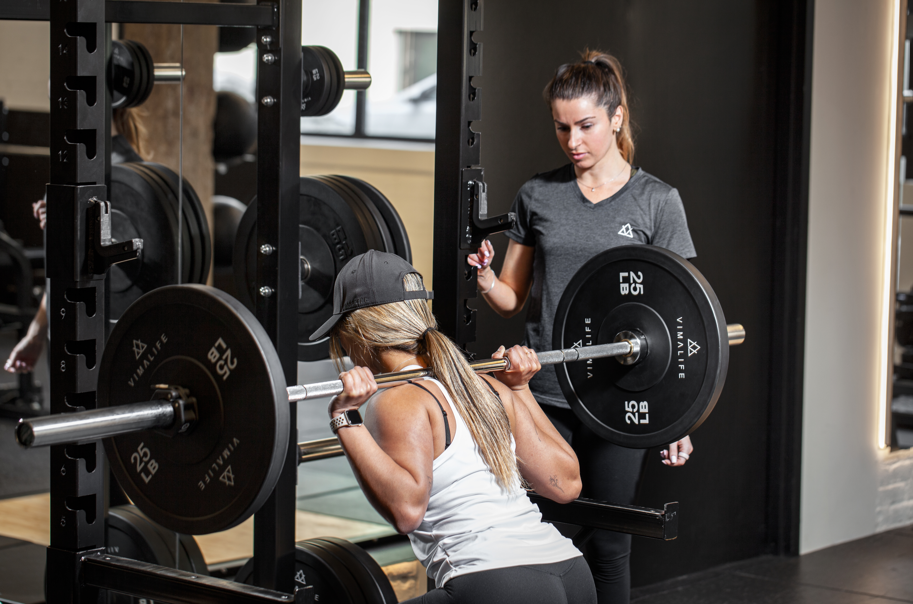
For a lot of women, the hardest part of strength training is not the workout itself. It is not knowing where to start. The gym floor can feel intimidating if no one has ever taught you how to use the equipment. Strength programming can feel confusing if you are used to classes or cardio. It can be hard to know how much weight to use, how to progress, how to protect your joints, or how to adjust training around energy, sleep, pain or life stage. That is where personal training can be incredibly valuable. A good trainer helps you understand your body, not just follow exercises. They can teach movement patterns, build confidence, create structure, modify around injuries, and help you progress safely. For women navigating perimenopause, menopause, low energy, strength goals, bone health concerns or simply a desire to feel more capable, that guidance can make training feel much more approachable.
At VIMALIFE, personal training in Leslieville is part of the bigger support system. It gives members a place to ask questions, build strength with guidance and stop guessing their way through fitness. Support matters. Confidence often grows when someone finally understands what they are doing and why they are doing it.
Comfort and community are not small things
Women’s fitness does not need to feel harsh to be effective. In fact, the future of women’s wellness may be much softer than the old version. Softer does not mean less serious. It means more human. More supportive. More sustainable. More focused on how women actually want to feel in their bodies. Community matters because environment shapes consistency. If a space feels intimidating, transactional or overly performance-driven, it can be hard to return. If a space feels supportive, clean, thoughtful and welcoming, it becomes easier to build a routine. For many women, the right fitness environment is not about being anonymous in a crowded gym or being pushed past their limits every session. It is about feeling comfortable enough to learn, strong enough to challenge themselves and supported enough to keep showing up.
That is why a boutique fitness and wellness club can offer something different. At VIMALIFE, members can move between open gym access, strength training, Pilates, yoga, conditioning, recovery and coaching support in one space. You can explore our strength, Pilates, yoga and conditioning classes to see how different types of movement can work together in a weekly routine. The goal is not to make fitness smaller. The goal is to make it feel like it belongs to you.
A smarter weekly routine for women’s longevity
A well-rounded women’s wellness routine does not have to be complicated. It should include strength, cardio, mobility, recovery and enough flexibility to work with real life. A simple week might include two strength sessions, one Pilates class, one yoga or mobility-focused class, two to three walks or cardio sessions, and at least one lower-intensity recovery day. For someone newer to training, that might be too much at first. For someone experienced, it might be the baseline. The point is not to copy a perfect schedule. The point is to understand what each piece is doing.
Strength training supports muscle, bone density and confidence. Cardio supports heart health and endurance. Pilates supports posture, control and core strength. Yoga and recovery support mobility, breath and the nervous system. Walking supports daily movement and energy. Personal training can help bring the whole plan together. This is what women’s wellness should look like: not one trend, not one class, not one number, but a routine that supports the body from multiple angles.
The bottom line
Women’s wellness is changing, and it is about time. Women do not need another fitness message built around shrinking, burning out or proving they can handle more. They need intelligent training that supports strength, hormones, recovery, confidence, bone health and longevity through every stage of life. Strength training helps build the muscle that supports daily life. Resistance training helps protect bone health. Cardio supports the heart. Pilates improves posture and control. Yoga and recovery help regulate the nervous system. Personal training can make the process more specific, supportive and less intimidating.
The future of women’s fitness is not about doing the hardest thing possible. It is about building a body that can keep going. A body that feels strong. Capable. Mobile. Supported. Energized. Resilient. Comfortable enough to rest and confident enough to lift. That is the kind of wellness that lasts.
At VIMALIFE, our approach is built around that bigger picture: strength, cardio, Pilates, yoga, recovery, personal training and community in one elevated Leslieville space. Whether you are building strength for the first time, returning to fitness, navigating a new life stage or simply ready to train in a way that feels more supportive, we are here to help you move well for the long term. Explore our classes, learn more about personal training, or visit VIMALIFE to build a routine that supports how you want to feel, move and live.