How Long After a Workout Should You Eat Protein? The Window Is Wider Than You Think
Finish a workout and it is easy to feel as though a timer has started. Do I need a shake right now? Can I shower first? What if dinner is still two hours away?
The good news is that your muscles are not counting down from 30 minutes. Protein after a workout matters, but the timing is far more forgiving than the old “anabolic window” made it sound. For most active adults, a protein-rich meal or snack within a few hours is a sensible target. If you ate before training, there is even less need to rush. If you trained on an empty stomach or have not eaten for several hours, eating sooner makes more sense.
The short answer: You do not need to consume protein within exactly 30 minutes of finishing a workout. For most active adults, having a protein-rich meal or snack within a few hours of training is practical. If you ate protein in the hours before your workout, there is even less reason to rush. If you trained fasted or have not eaten for several hours, eating sooner afterward makes more sense. Total daily protein and how you distribute it across the day usually matter more than hitting one perfect minute.
How the 30-Minute Protein Rule Became the Law
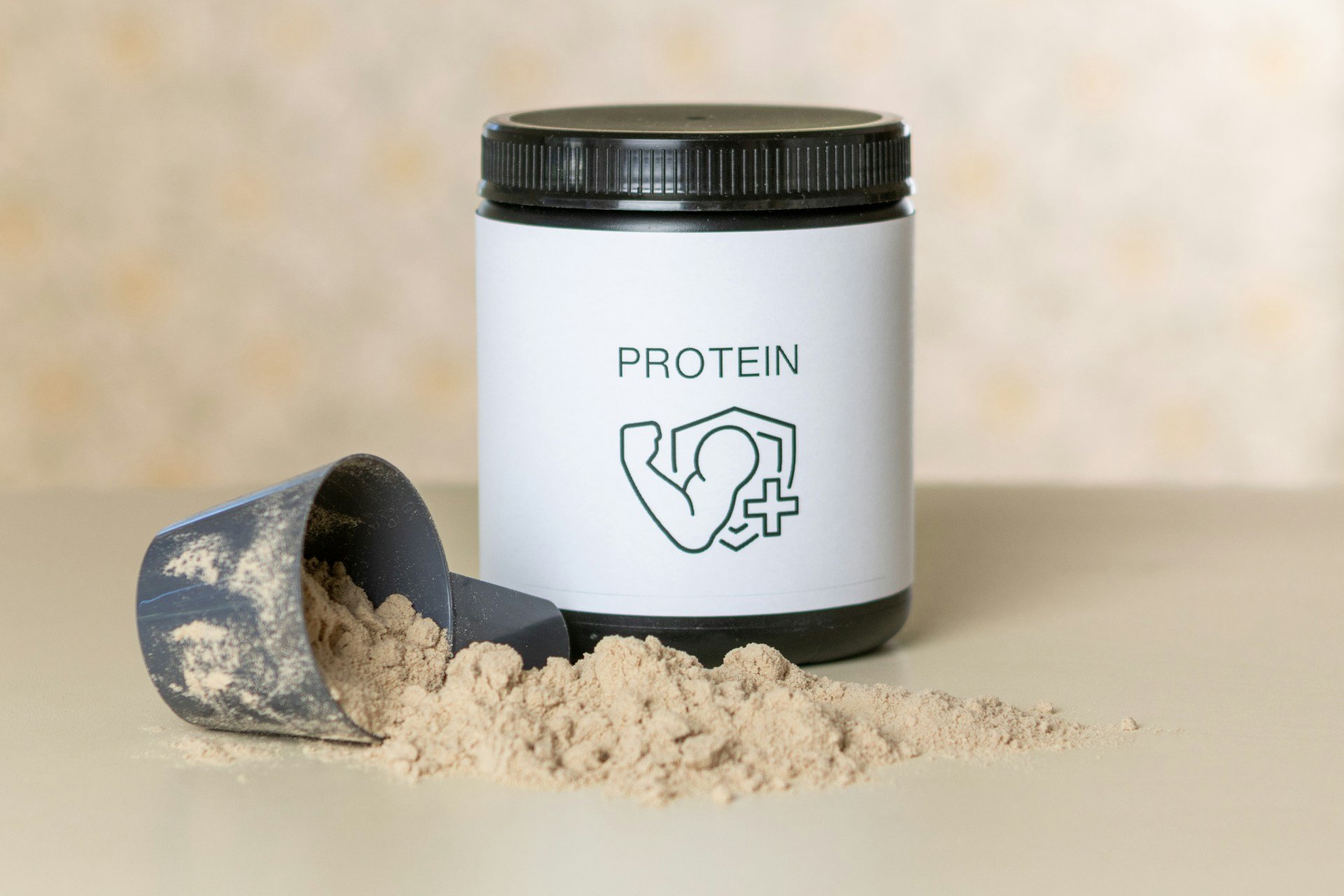
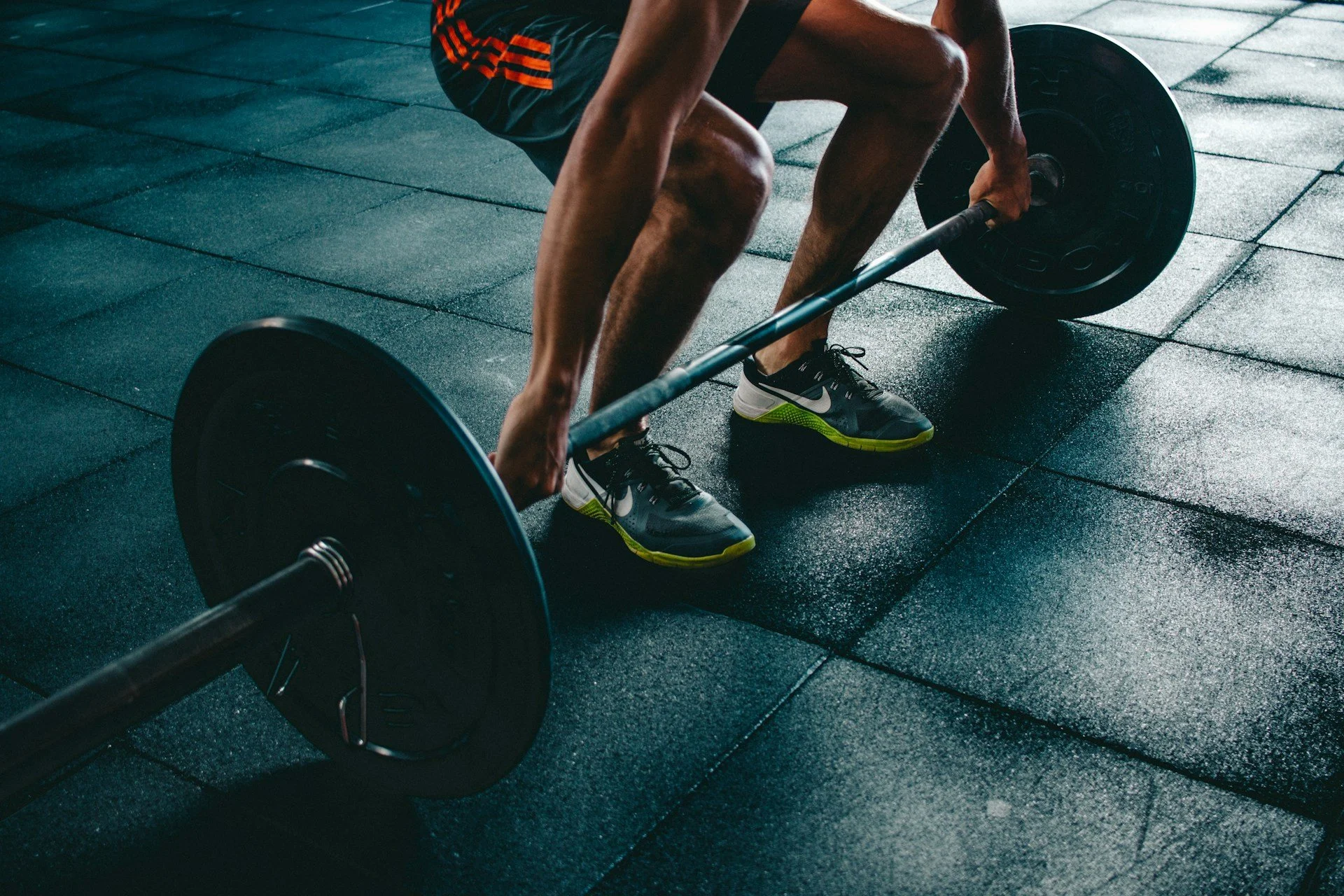
Resistance exercise stimulates muscle protein synthesis, the process your body uses to build and remodel muscle proteins. Eating protein supplies the essential amino acids needed to support that work. Put those two facts together and post-workout protein is a sensible idea. The exaggeration came from turning a period of increased opportunity into a very short deadline.
Many early protein-timing studies were conducted under tightly controlled conditions. Participants sometimes trained after fasting, consumed isolated protein drinks and had muscle biopsies taken over the next several hours. Those experiments are valuable, but they do not perfectly resemble a person who ate breakfast, trained at lunch and will have dinner later.
Exercise can leave muscle more responsive to protein for many hours. Sports-nutrition guidance notes that the anabolic effect of exercise lasts at least 24 hours, although it gradually diminishes. That does not mean eating tomorrow is identical to eating today. It means your opportunity does not disappear at minute 31.
A 2013 meta-analysis found that once researchers accounted for total protein intake, immediate timing did not produce a clear advantage for long-term strength or muscle growth. Total protein was the stronger predictor (read the meta-analysis). A later trial comparing protein immediately before versus immediately after training also found similar results over 10 weeks (read the study).
More recent research still supports consuming protein around exercise. A 2025 review found that whey combined with resistance exercise increased acute muscle protein synthesis when consumed before or after training (read the review). That supports protein around a workout, not a 30-minute emergency. An acute laboratory response is also not the same as visible muscle growth over months. Long-term progress depends on the full training and recovery pattern.

Your Pre-Workout Meal Is Part of the Post-Workout Story
The most useful question may not be, “How long has it been since my workout?”, it may be, “When did I last eat protein?”
A mixed meal takes time to digest, absorb and release amino acids into circulation. If you ate a protein-rich breakfast and trained an hour or two later, that meal is still part of your recovery picture. You can finish your workout, shower, get home and eat lunch without treating the commute like a nutritional crisis.
The situation changes when you train first thing in the morning without eating, complete a long session after several food-free hours or know your next meal will be much later. In that case, a post-workout meal or shake becomes more useful sooner because there is no recent protein feeding doing that job. Think of the window as the space between one meaningful protein meal and the next, not a stopwatch that starts at your final repetition.
Here is what that can look like in real life:
You train at 10:00 a.m. after a protein-rich breakfast: A normal lunch within the next couple of hours is usually reasonable.
You complete an early strength workout while fasted: Eat a protein-containing breakfast as soon as it is practical afterward.
You train after work and ate lunch five or six hours earlier: A small protein snack before training or dinner soon afterward can close the long gap.
You take a Pilates, yoga or moderate movement class: Your regular meal pattern may already cover recovery. You do not need a special shake simply because the class ended.
You train twice in one day or have a short recovery period before competition: Timing becomes more important, and carbohydrate, fluids and electrolytes may deserve as much attention as protein.
The needs of an elite athlete completing two sessions a day should not become a source of anxiety for someone taking three weekly fitness classes. Context is not a footnote. It is the whole answer.
The Bigger Protein Window Is Your Entire Day
Here is the less marketable truth: one perfectly timed shake cannot rescue a day that is consistently short on protein.
The International Society of Sports Nutrition suggests roughly 1.4 to 2.0 grams per kilogram of body weight per day for most exercising adults, with needs varying by training, goals, age and energy intake. A large meta-analysis found that benefits for fat-free mass appeared to level off around 1.6 grams per kilogram per day on average (read the analysis). Health Canada also notes that most Canadians eating a mixed diet already obtain enough protein (read Health Canada's guidance). More is not automatically better, and not every person who exercises needs to live at the highest end of a sports-nutrition range.
Distribution matters too. Instead of saving nearly all your protein for dinner, include a meaningful source at breakfast, lunch, dinner and, if needed, a snack. In one small laboratory study, 20 grams of whey every three hours stimulated muscle protein synthesis more effectively than the same total divided into tiny, frequent doses or two large servings (read the study). It should not become another rigid rule. The useful idea is simply to create regular protein opportunities instead of trying to catch up at night.
How Much Protein Should You Eat After a Workout?
For many active adults, 20 to 40 grams of a high-quality protein is a reasonable post-workout range. The right amount depends on body size, age, training volume, the muscles used, the rest of the meal and what you eat across the day. Even the research does not produce one magic scoop size. One study found that 20 grams of whey was enough to maximize the measured response after a leg workout in young trained men (read the dose-response study). Another found that 40 grams produced a greater response than 20 grams after a whole-body resistance workout (read the whole-body study). Those results are not contradictory. A larger training stimulus, different participants and different study designs can change the answer.
This is why “everyone needs exactly 30 grams” is not much more sophisticated than “everyone has exactly 30 minutes.”
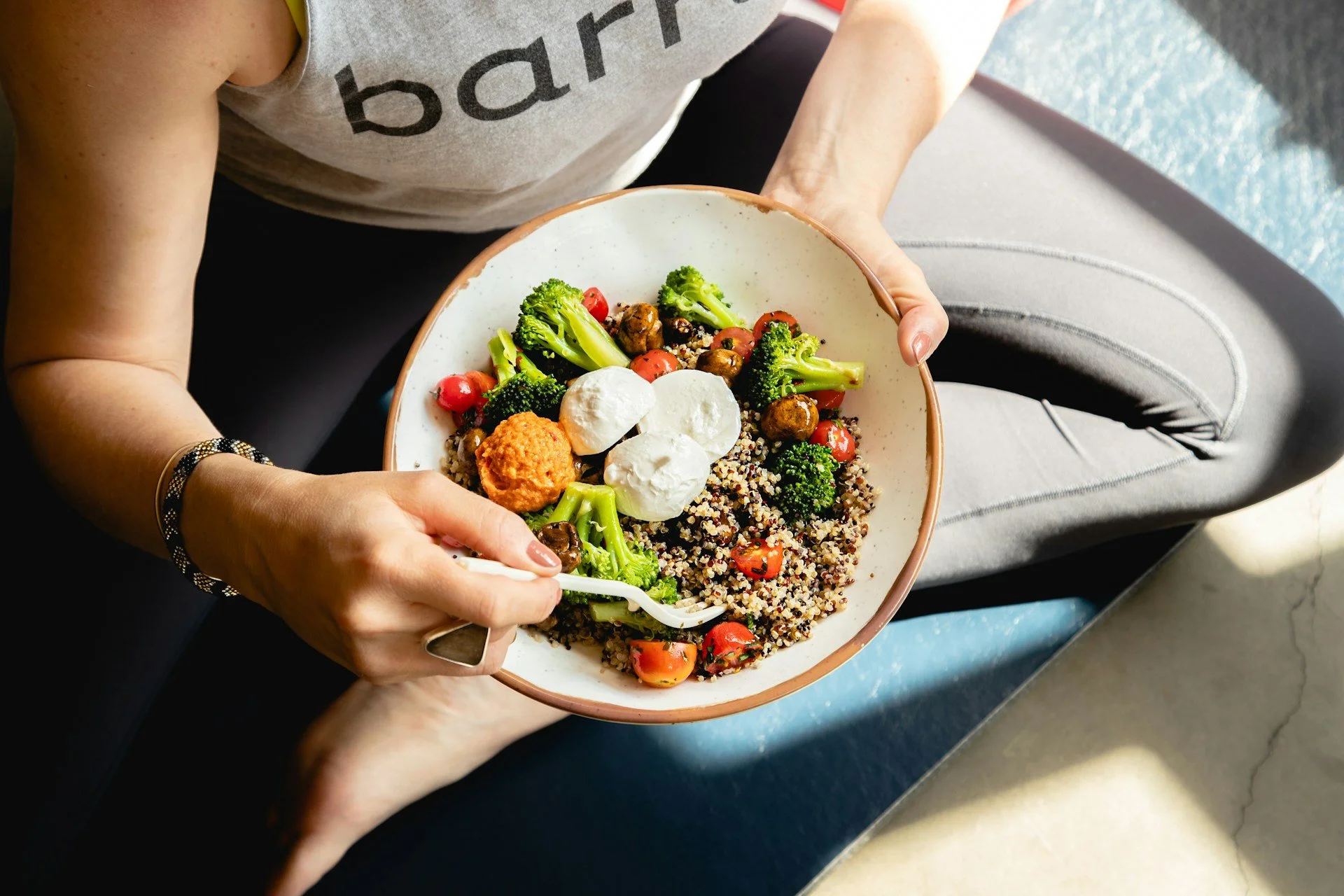
You also do not need to calculate every meal to the gram. A useful post-workout option could be:
Greek yogurt with fruit, oats and seeds
eggs with toast and a side of yogurt or milk
a tofu, tempeh or lentil bowl with grains and vegetables
chicken, fish or lean meat with rice or potatoes
a smoothie made with milk, soy milk, yogurt or an appropriate protein powder
The best option is the one that meets your needs and can exist in your actual day.
Does the Protein Source Matter?
Yes, but this is where fitness content often turns a useful distinction into a food hierarchy.
Protein quality refers partly to digestibility and essential amino-acid content, including leucine, which helps signal muscle protein synthesis. Dairy, eggs, meat, fish and soy provide all essential amino acids. Plant proteins count too, although portion size, variety and blending can matter because amino-acid profiles differ.
A 2025 review found that well-formulated plant-protein blends could produce responses comparable with whey in adequate amounts, although the research remains limited (read the review). A newer trial found that eggs, salmon, pork, lentils and mycoprotein all supported post-exercise myofibrillar protein synthesis when matched for protein relative to body weight (read the 2026 study).
The takeaway is not that every protein is biologically identical. It is that muscle recovery does not belong exclusively to whey powder.
Whole foods can also provide iron, calcium, vitamin B12, omega-3 fats, fibre and carbohydrates. A powder brings something food cannot always offer: speed and convenience. Both can be useful.

A Hot Take on “Clean Protein”
“Clean protein” is a shopping preference, not a scientific category.
People often use the phrase to mean minimally processed, responsibly sourced, easy to digest or free from ingredients they avoid. Those can be reasonable preferences. The problem is that “clean” has no standard nutritional definition, and it can make an ordinary food choice sound like a moral test. A salmon dinner does not become superior because it looks more virtuous on a plate. A protein shake does not become poor nutrition because it came from a tub. What matters is the full product and the role it plays in the rest of your diet.
If you prefer whole-food protein, build around foods you enjoy and tolerate: eggs, Greek yogurt, cottage cheese, fish, poultry, lean meat, tofu, tempeh, edamame, lentils, beans, nuts and seeds. If you use a powder, look beyond the front-label wellness language. Check:
how much protein it provides per serving
whether the source and amino-acid profile fit your goals
ingredients that affect your allergies, digestion or preferences
added sugar and extras you may not need
whether the manufacturer uses credible quality testing
Competitive athletes should consider sport-specific third-party certification. The NSF Certified for Sport program, for example, checks label accuracy, contaminants and hundreds of prohibited substances. Health Canada also advises consumers to read labels and verify authorization when a supplement is regulated as a natural health product (learn about Canadian labels).
The cleanest protein is not necessarily the one with the most expensive packaging. It is the one that is safe, nutritionally useful, compatible with your body and realistic enough to use consistently.

One More Hot Take: Collagen Is Not a Complete Post-Workout Protein Strategy
Collagen peptides have become a popular addition to coffee and smoothies, but they are not equivalent to a leucine-rich complete protein when the main goal is stimulating muscle protein synthesis.
In a randomized trial, 30 grams of whey increased post-exercise myofibrillar protein synthesis compared with a placebo, while 30 grams of collagen did not (read the collagen-versus-whey study). Collagen may be studied for other purposes, and the research continues to evolve. It simply should not displace complete protein in a muscle-building recovery plan.
If collagen is part of your routine, think of it as its own product, not as automatic proof that your post-workout protein needs are covered.
Protein Timing Should Match the Workout
Not every session creates the same nutritional demand. After a demanding strength or full-body resistance workout, a deliberate protein meal supports the training goal. After a long conditioning session, run or high-volume class, protein still matters, but carbohydrate and rehydration become especially relevant because you have also used stored fuel and lost fluid.
After a shorter yoga, Pilates, mobility or moderate cardio session, you usually do not need a specialized recovery product. Your next balanced meal can do the job. That does not make the workout less valuable. It simply means the nutritional response can match the scale of the session.
At VIMALIFE, a week might include independent strength training, a VIMAFIT conditioning class, Pilates in VIMAZEN, yoga and a session with a personal trainer in Leslieville. The routine has variety, so recovery does too. Browse the VIMALIFE class schedule and you will see why one rigid post-workout rule cannot sensibly cover every kind of movement.
The same principle applies to training itself. A thoughtful program matches the dose to the person. A thoughtful nutrition routine should do the same.
So, When Should You Eat Protein After a Workout?
For most people, the useful rule is simple: meet your overall protein needs, spread protein across several meals and place one of those meals reasonably close to training. Before or after can both contribute. A gap of roughly three to four hours between protein feedings is a practical starting point, not an expiration date.
Eat sooner if you trained fasted. Use 20 to 40 grams as a flexible reference rather than a universal prescription. Choose a source that works for your body and your day. Then remember that carbohydrate, hydration, sleep and appropriate training volume do not become optional because the shake contained 30 grams of protein.
VIMALIFE's guide to physio, massage and recovery explores that larger recovery picture, while The Quiet Power of Showing Up explains why the routines you can repeat usually matter more than isolated perfect days.
Have protein near your workout when it is convenient. Be more deliberate when you trained fasted or need to recover quickly. Then zoom out and look at the full day, the full week and the training routine beneath it all. The post-workout protein window is not closed. It was simply never as narrow as the marketing made it look.
Frequently Asked Questions About Protein After a Workout
Do I need protein within 30 minutes of working out?
No. The evidence does not support a universal 30-minute deadline. If you ate protein before training, you can usually have your next protein-rich meal within the following few hours. If you trained fasted or have gone several hours without food, eating sooner is more useful.
Is two hours after a workout too late for protein?
For most recreational exercisers, no. Muscle remains responsive to protein well beyond two hours. Your previous meal and total daily intake matter. A two-hour delay is more relevant if you trained fasted, have another session soon or regularly leave very long gaps between protein feedings.
Is a protein shake better than food after a workout?
Not inherently. Shakes are quick, portable and easy to digest for many people. Whole foods can provide equally useful protein along with other nutrients. Choose the format that fits your appetite, schedule, dietary needs and overall eating pattern.
How much protein should I have after a workout?
A common research-informed range is 20 to 40 grams of high-quality protein, or roughly 0.25 to 0.40 grams per kilogram of body weight. It is a flexible reference, not a personalized prescription. Your total daily protein, body size, age, workout and health needs all affect the answer.
Can plant protein support muscle recovery?
Yes. Soy, tofu, tempeh, legumes, mycoprotein and well-formulated plant-protein blends can support recovery. Because amino-acid profiles and digestibility vary, plant-based eaters may benefit from adequate portions, varied sources and blends that provide all essential amino acids.
Is collagen a good post-workout protein?
Collagen supplies amino acids, but it is not a complete, leucine-rich protein and has not stimulated myofibrillar protein synthesis as effectively as whey in controlled trials. If building or preserving muscle is the goal, use a complete protein source as the foundation.
Anyone with kidney or liver disease, a metabolic condition, significant digestive issues, food allergies, pregnancy-related needs or a history of disordered eating should discuss protein targets and supplements with a physician or registered dietitian. Competitive athletes may also benefit from sport-specific guidance.
*This article is educational and is not individualized medical or nutrition advice.