
What Canada Can Learn From the World’s Most Active Countries
Canada is an easy country to admire from a hiking trail. We have mountains, lakes, ski hills, coastlines, ravines and more wilderness than most of us could explore in a lifetime. The harder question is what movement looks like on an ordinary Tuesday.
That is what makes the world’s most active countries worth studying. In many places, movement is simply part of daily life: cycling to work in the Netherlands, walking throughout the day in Japan, heading outdoors in every season in Norway or gathering around sport in Iceland and Denmark.
There is no definitive ranking of the world’s most active countries, but the lesson is surprisingly consistent. Canada already has extraordinary places to move. Our opportunity is to make movement feel as natural on a busy weekday as it does on a beautiful long weekend.
The short answer: There is no single, scientifically definitive list of the world’s most active countries. Rankings change depending on whether researchers measure exercise, walking, sport, active transportation or total movement. Still, Canada can learn from the Netherlands about practical cycling, Norway about everyday outdoor life, Japan about incidental walking, Iceland about social recreation and Denmark about community sport. Canada already has a major advantage in its parks, trails, hiking culture and access to nature. The opportunity is to make movement as easy on a regular weekday as it is on a beautiful long weekend.
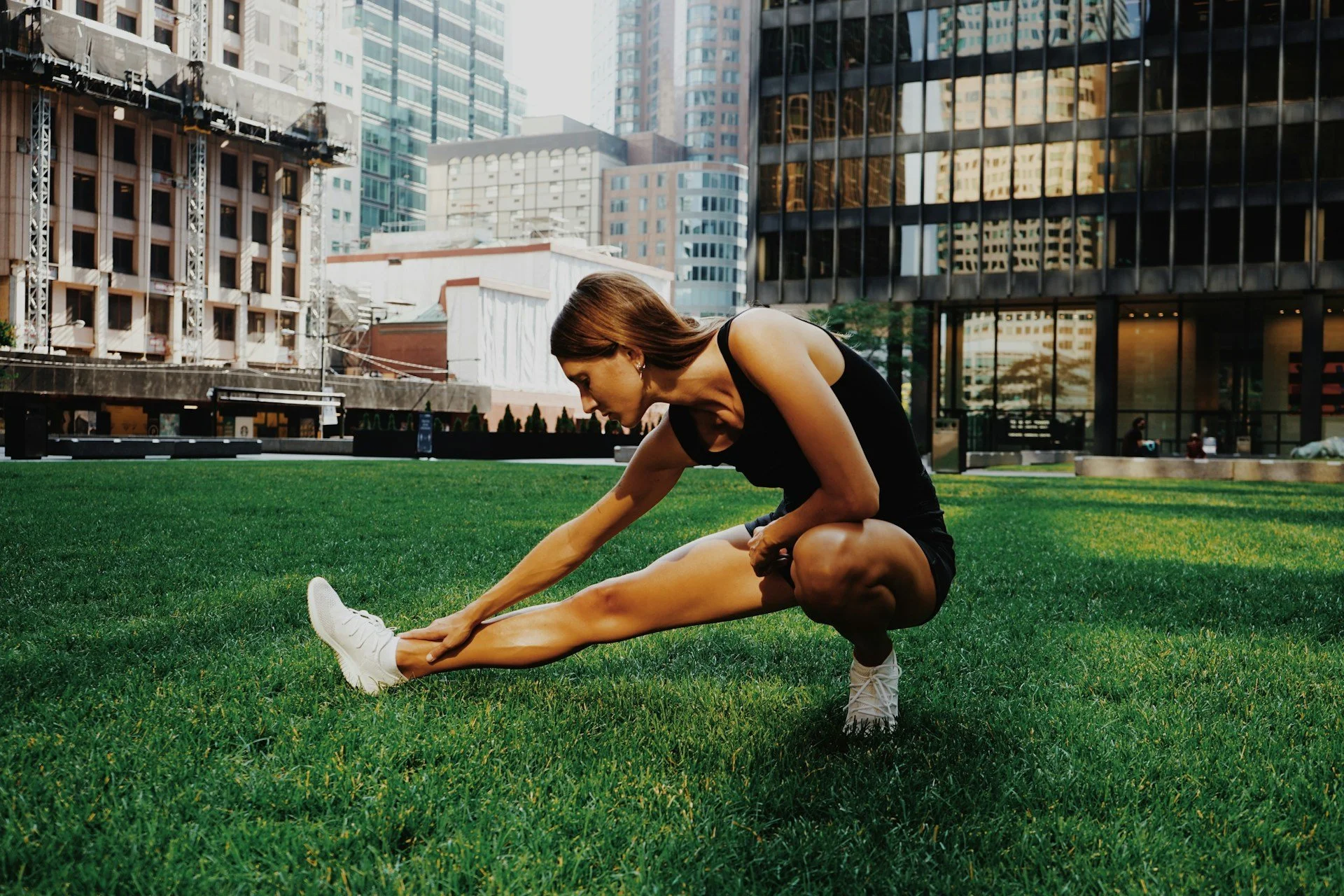
Before We Rank Countries, What Do We Mean by “Fit”?
This sounds like a simple question until you try to measure it.
Does the fittest country have the most gym memberships? Are most adults meeting aerobic guidelines? Who has the highest daily step count? The strongest older population? The fewest sedentary hours? What about people whose jobs involve physical labour, or those who cycle to work but never call it exercise? Different studies produce different winners because they are answering different questions.
A 2021 Ipsos survey, for example, placed the Netherlands first among 29 countries for self-reported hours spent exercising or playing sport. Japan appeared near the bottom. Yet a large smartphone study published in Nature used daily steps and found Japan among the more active countries in its dataset. That same study found that walkable cities were associated with more movement and less activity inequality, particularly for women.
Neither result is necessarily wrong. One captures what people identify as exercise. The other captures steps recorded by a particular group of phone users. Together, they reveal something more useful than a podium: a population can move a great deal without organizing all of that movement into workouts.
The newest global picture is not especially triumphant. The World Health Organization reports that 31 percent of adults worldwide did not meet recommended activity levels in 2022. The underlying pooled analysis included 507 surveys and 5.7 million participants across 163 countries, but the authors were careful about differences in questionnaires, data coverage and uncertainty. In other words, even the most comprehensive international physical activity research should not be reduced to a clickbait list of the “best” and “worst” nations.
This article takes a more honest route. These countries do not win at every measure of health or fitness. They each make one useful part of an active life easier.
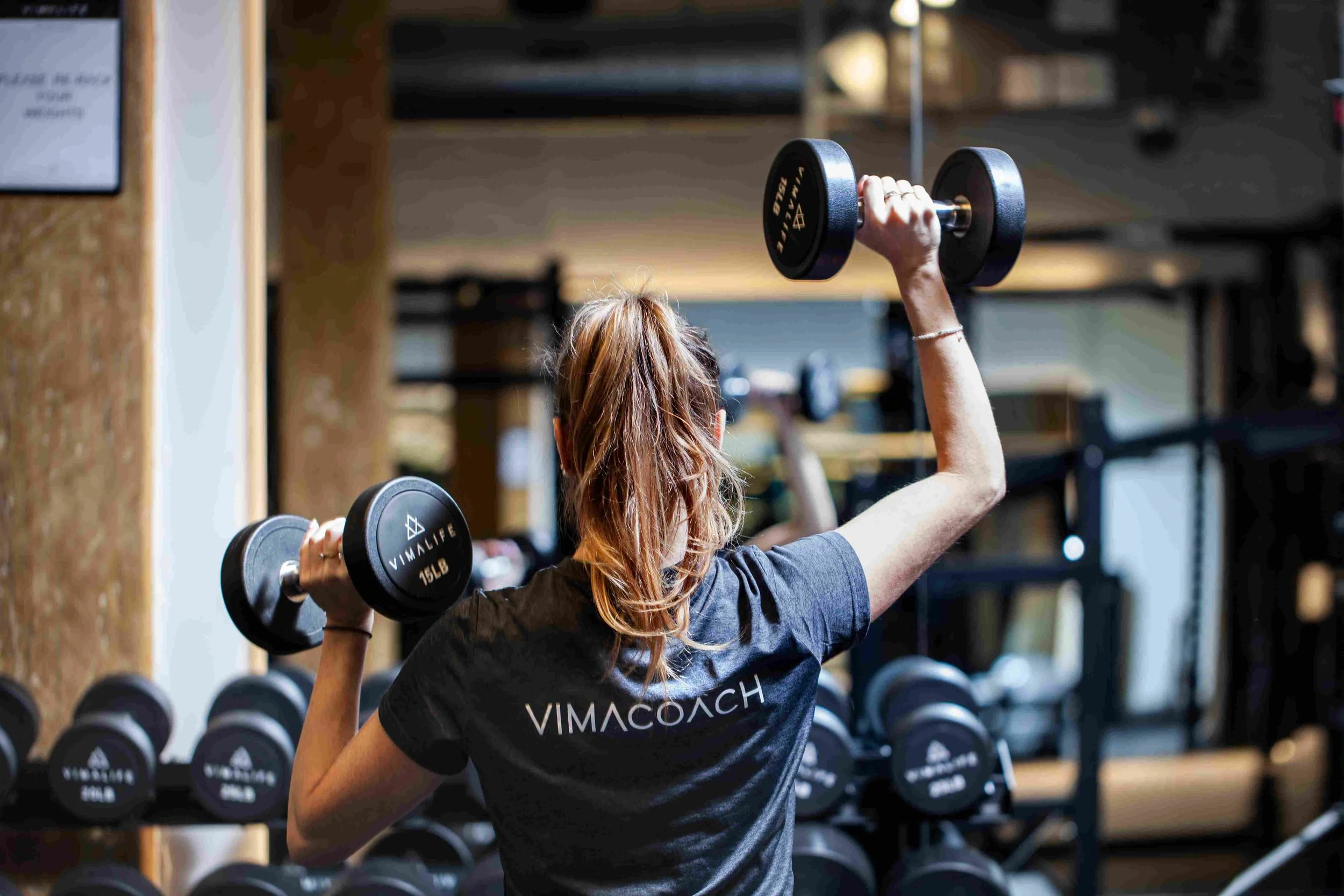
Canada Is Better at Outdoor Fitness Than We Sometimes Admit
Before borrowing ideas from abroad, Canada deserves some credit.
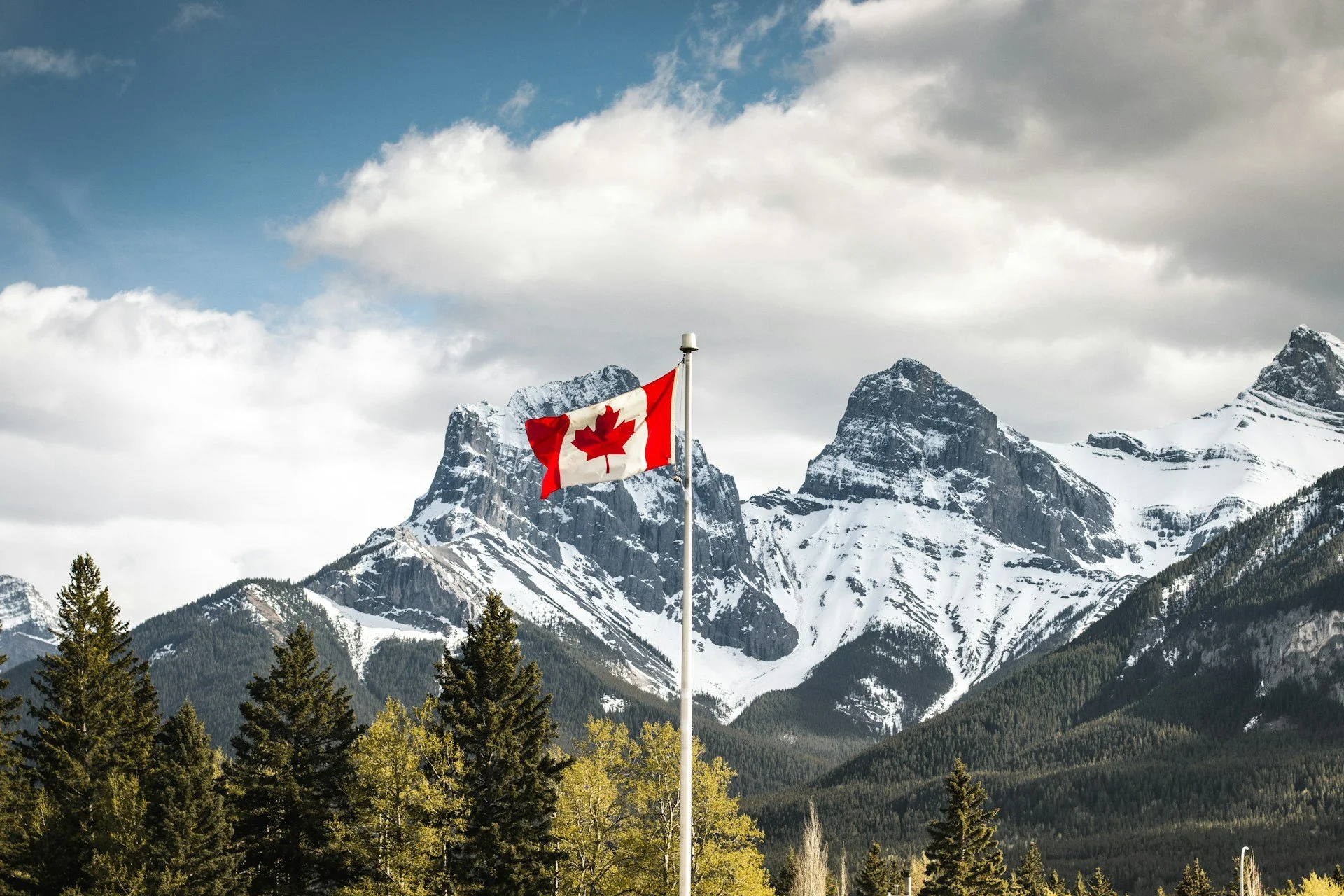
In 2021, 78 percent of Canadian households reported doing outdoor activities close to home. Statistics Canada also found that 91 percent of households lived within a 10-minute trip of a park or public green space, and most of those households had visited one during the previous year. In a 2016 national survey, hiking and backpacking were the most popular outdoor or wilderness activities.
Hiking, paddling, skiing, snowshoeing, skating, cycling and simply walking through green space are genuine parts of Canadian fitness. Parks Canada now frames time outdoors as part of health and wellness, not just tourism. Research also suggests that outdoor physical activity in natural settings may offer psychological benefits beyond the same activity in an urban setting, although the studies are varied and not all are high quality (read the systematic review).
Canada’s challenge is not a lack of beautiful places. It is the gap between having nature and reaching it regularly.
A trail that requires a two-hour drive is wonderful recreation, but it does not help with Wednesday’s commute. In May 2025, only 6.2 percent of Canadian commuters mainly walked or cycled to work, according to Statistics Canada’s latest commuting release. That number does not capture every walk, bike ride or transit connection, but it shows how rarely active travel is the main way Canadians get to work.
We have the weekend adventure. Other countries can teach us more about the active Tuesday.
The Netherlands Makes Exercise Look Like Transportation
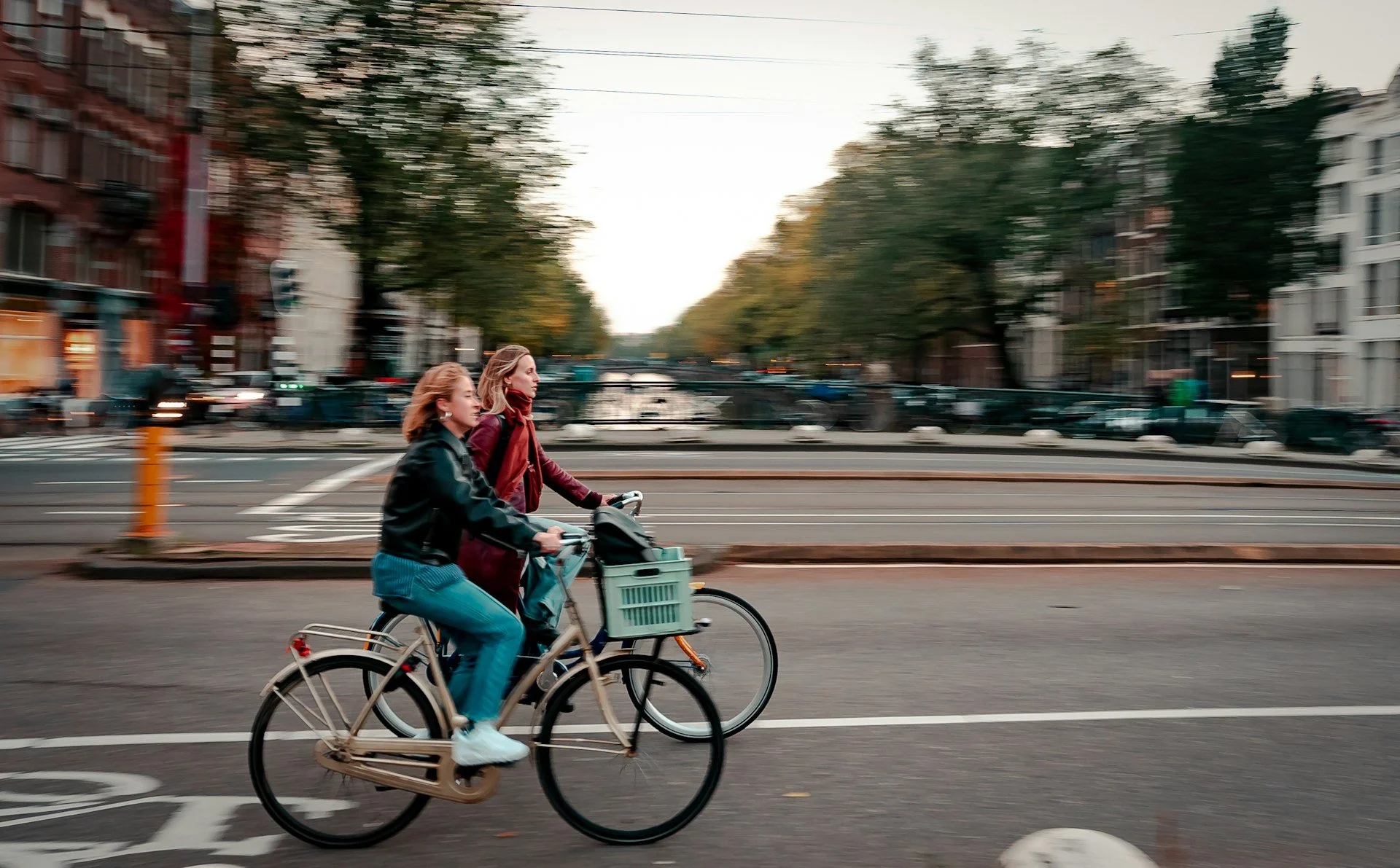
The most important thing about Dutch cycling is that it does not always look sporty. People ride in ordinary clothes. They carry groceries, commute to work, bring children to school and travel to meet friends. The bicycle is not reserved for a Sunday workout or for people who identify as cyclists. That normality rests on infrastructure. The Dutch government reports that 27 percent of all journeys in the Netherlands are made by bicycle. The country has a dense cycling network, regional routes and policies that encourage employers to support bike commuting.
This is not evidence that every Canadian should cycle through February, or that Dutch roads can be copied onto Toronto overnight. It is evidence that motivation changes when the environment changes. Protected routes, safe intersections, secure parking, useful connections and slower traffic turn cycling from a brave choice into an ordinary one.
Research supports the broader principle. A systematic review found that active transportation can add to total physical activity rather than simply replacing someone’s other exercise (read the review). A newer review also found that infrastructure such as protected bike lanes and traffic calming can increase cycling, although results vary by setting and the quality of evidence is not perfect.
Canada does not need everyone to become a full-time bike commuter. One short errand, one school trip or one leg of a commute is enough to change the amount of movement in a week. The Dutch lesson is not “try harder.” It is “make the active choice feel sensible.”
Norway Does Not Wait for Perfect Weather
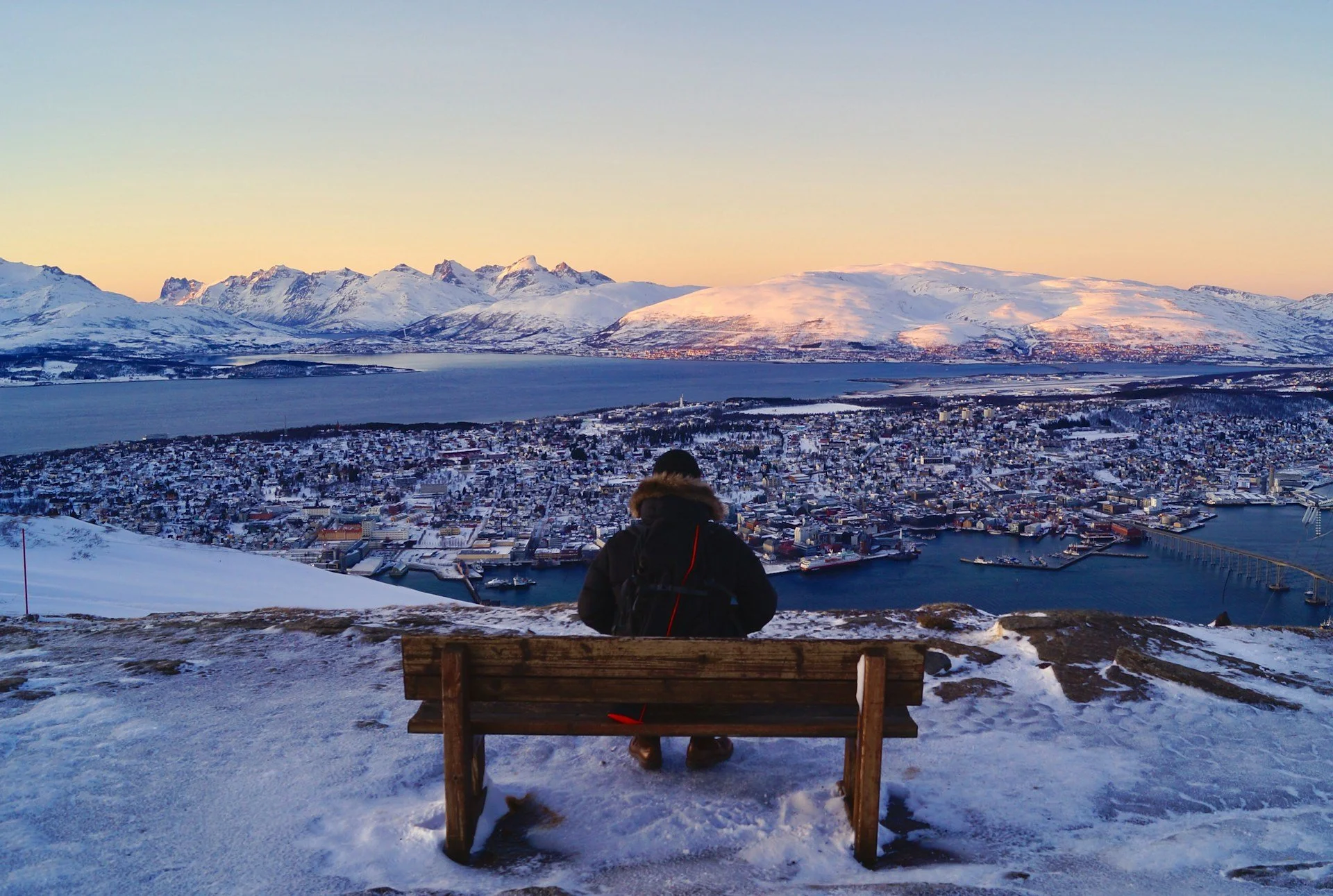
Canada and Norway have one obvious thing in common: winter. Norway’s difference is what happens next. Its tradition of friluftsliv, roughly translated as “open-air life,” treats time outdoors as part of an ordinary week, not something saved for perfect weather. In 2024, Statistics Norway reported that 96.5 percent of people aged 16 and older participated in at least one outdoor activity.
That does not mean nearly every Norwegian is completing intense outdoor workouts. The figure includes walks, swims, fishing trips and time on local trails. That may be the point: outdoor life does not have to be difficult, distant or Instagram-worthy to count.
Canada is already excellent at the grand version of nature. We book campsites, drive to trailheads and plan cottage weekends. Norway offers a more useful weekday lesson: lower the production. Take the loop near home. Walk the same trail in another season. Go outside even when the sky is doing nothing special.
In Toronto, that could mean a waterfront walk, a ravine loop, a neighbourhood park or joining the VIMALIFE Run Club during the summer. None of it needs to feel like an expedition.
Canadian weather creates legitimate barriers, from ice and darkness to extreme heat and wildfire smoke. Norway’s lesson is not to become tougher than the forecast. It is to build routines that expect the seasons instead of putting movement on hold until perfect weather returns.
Japan Shows Why “Exercise” Is Not the Whole Story
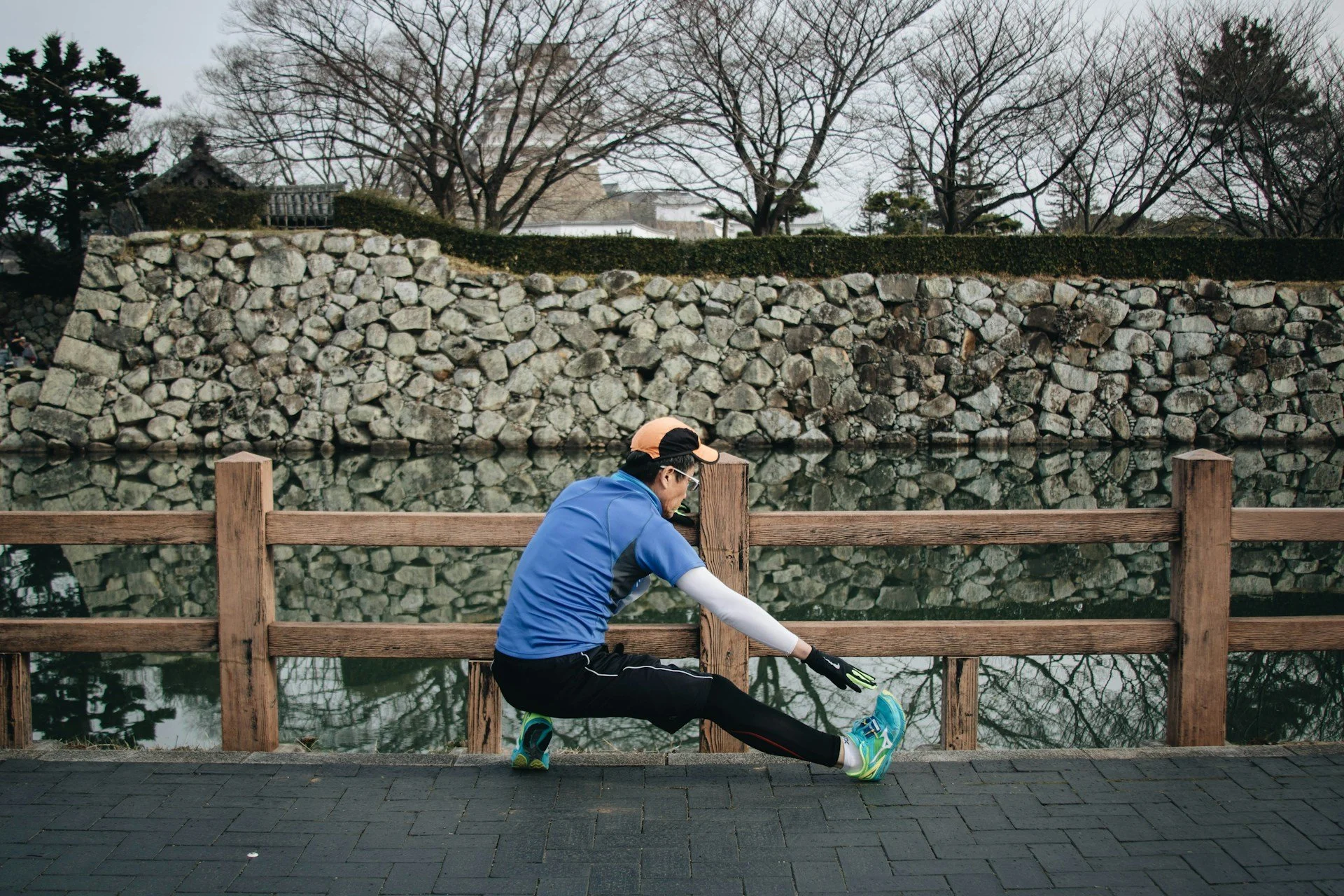
Japan is the most useful contradiction in this article. In surveys that ask about formal exercise or sport, Japan can look relatively inactive. In studies that measure everyday steps, it can look much more active. A person may say they did not work out, then walk to a station, stand on a train, climb stairs and walk again at the other end.
Japanese research has linked neighbourhood features such as residential density, mixed destinations, walking and cycling facilities, aesthetics and traffic safety with different kinds of walking. One population-based study found that people were more likely to walk when they perceived their neighbourhood as supportive of it.
This is why “just walk more” can be both good advice and an incomplete public policy. Walking is easier when something useful is within walking distance, sidewalks connect, crossings feel safe and public transit completes the longer part of the trip.
Leslieville already offers some of that compact neighbourhood advantage. A coffee, grocery stop, school pickup and gym visit can sometimes live in the same walkable loop. Our guide to walking, gait and low-impact cardio explores why those ordinary steps deserve more respect.
The lesson is not that a commute replaces strength training or purposeful cardio. It is that the body does not care whether movement was labelled a workout before it counts.
Iceland Turns a Pool Into Social Infrastructure
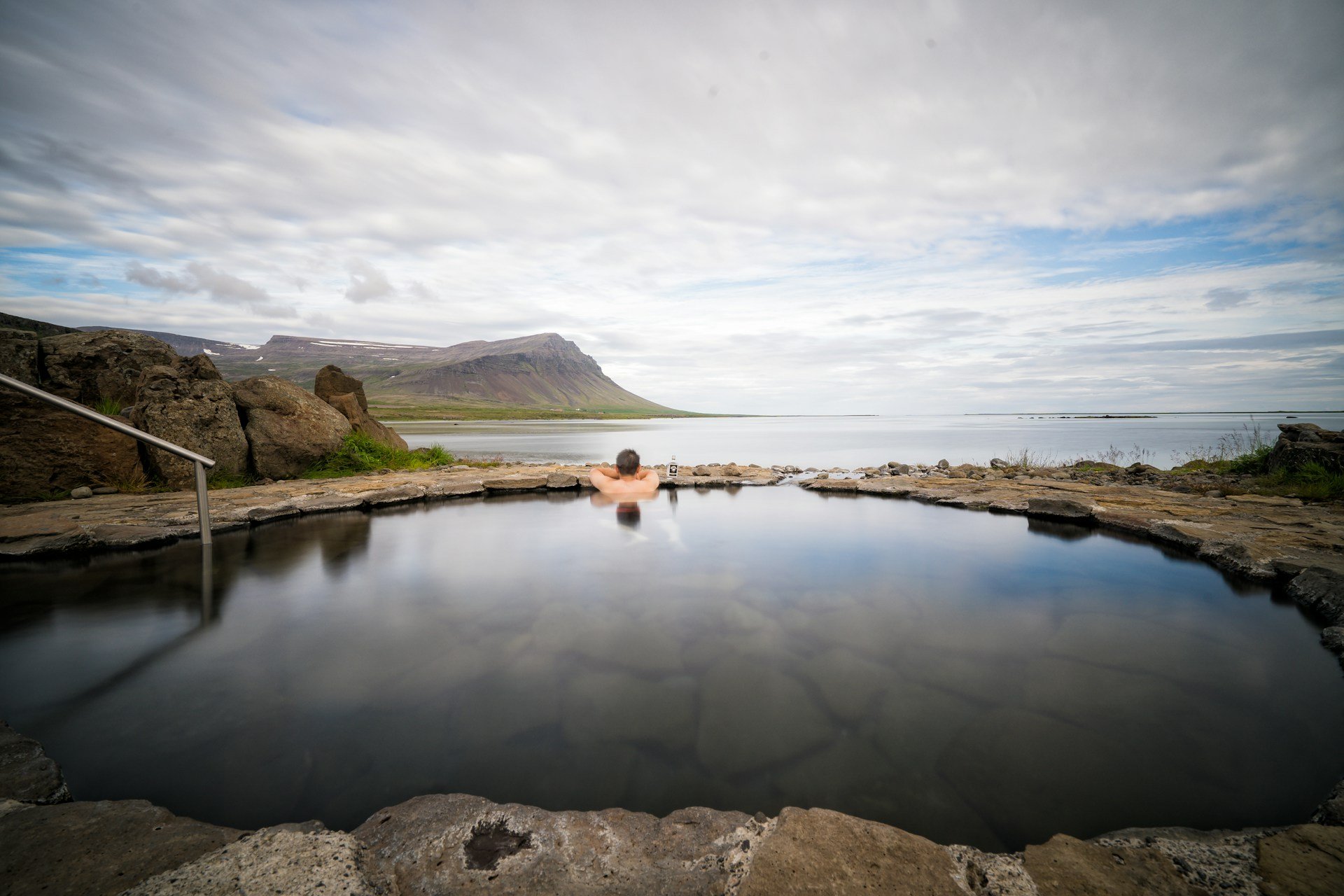
In Canada, a public pool is usually described as a facility. In Iceland, it is closer to a shared living room with lanes.
The country’s heated public pools welcome people who come to swim, relax, talk, recover or spend time with family. In 2025, UNESCO added Icelandic swimming pool culture to its Representative List of the Intangible Cultural Heritage of Humanity, recognizing the way these community-run spaces support physical, mental and social well-being across ages and abilities.
The fitness lesson is not really about geothermal water. It is about making a place for movement feel socially useful even on the days when someone does not want a demanding workout.
Swimming itself can train cardiovascular fitness and muscular endurance with relatively low joint impact. A systematic review and meta-analysis of 62 trials found benefits from water-based training for measures such as strength, balance and cardiorespiratory fitness in healthy adults, along with condition-specific benefits in several clinical populations (read the aquatic exercise review). That evidence applies to structured aquatic exercise, not every soak in a hot pool.
Still, Iceland gets something emotionally right. People return to places that offer more than exertion. A familiar face, a conversation and a little warmth can be part of why movement continues.
Denmark Keeps Sport Bigger Than Childhood
Many Canadians grow up playing a sport, then quietly graduate from organized movement when school ends.
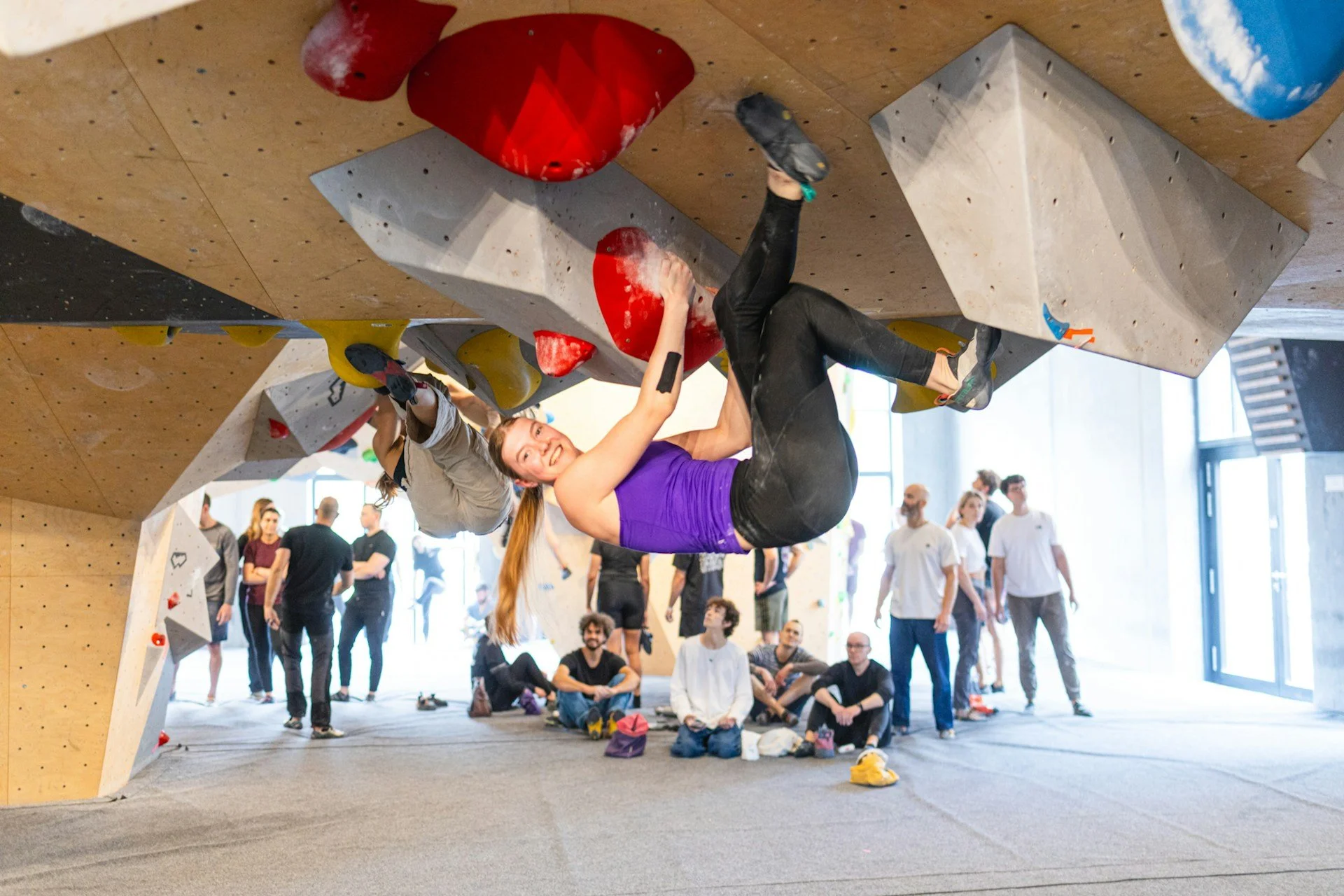
Denmark’s extensive network of local associations offers a different model. Statistics Denmark counted 11,024 sports clubs and more than 2.8 million members in 2025. The activities stretch well beyond elite competition. Clubs create regular places for people to play, practise and belong.
Membership figures do not tell us how often every person attends or whether access is equal. They do show the scale of a culture in which physical activity can remain organized and social throughout life.
That matters because enjoyment and belonging are not soft extras. A systematic review of leisure centres, gyms and swimming pools found that regular participation may be associated with social and psychological well-being, with group programs often offering a social advantage (read the review). The evidence is not a promise that every class will transform someone’s mental health. It does support a familiar truth: a routine is often easier to keep when other people are part of it.
The Danish lesson is simple. Fitness does not have to become solitary adulthood homework. It can still be play, practice and community.
What Fitness Resorts Understand About Behaviour
Fitness and wellness resorts are the concentrated version of this entire argument. At a sports resort such as Thanyapura in Phuket, Thailand, accommodation, coaching, group classes, swimming, fitness, food and recovery services exist in one environment. In Alpine wellness hotels, a day might be organized around hiking, cycling, thermal bathing and rest. At a yoga retreat, the schedule makes room for practice before the usual demands of home can take over.
You do not spend 40 minutes travelling between the workout, meal and recovery appointment. Movement is visible, scheduled and socially expected. The surroundings keep offering the next healthy option before willpower has to invent it.
Does a fitness retreat permanently change health? The evidence is not strong enough for a universal promise. A review of wellness tourism research identified possible benefits across physical fitness, psychological well-being, quality of life and environmental health, while also emphasizing the need for better experimental studies (read the research review). A small observational study of a one-week retreat reported improvements that lasted six weeks, but without a control group it could not show which parts of the experience caused them.
A retreat can be a useful reset. It is not a substitute for the environment you return to.
The real lesson is worth bringing home: put complementary parts of health close together. Make the workout easy to start. Make the recovery option easy to see. Let food, sleep, nature and movement support one another. A flight to Phuket is optional. Better design is not.
What Canada Could Borrow Without Becoming Another Country
We can build safer walking and cycling connections so active transportation feels practical for more people. We can maintain trails, sidewalks and recreation spaces through winter rather than treating movement as a summer program. We can protect access to parks and make local green space useful, not merely decorative. We can create more welcoming places where adults can learn, play and move without needing to be experienced athletes first.
At the individual level, the same ideas become surprisingly manageable:
Turn one short car trip or transit connection into a walk when the route is safe and practical.
Keep one outdoor movement appointment each week, even when it is local and unremarkable.
Choose a social anchor such as a class, walking group, run club or recurring training time.
Train more than one quality. Strength, cardio, mobility, balance and recovery do different jobs.
Make the environment do some of the remembering. Keep the shoes visible, book the class and choose a gym close enough to use.
This is not a demand to optimize every errand. Disability, caregiving, shift work, weather, income, neighbourhood design and safety all change what is realistic. One of the clearest lessons from international research is that activity is not simply a test of personal discipline. Opportunity matters.

Bringing the Best Ideas Home to Leslieville
VIMALIFE cannot redesign a city or provide a Norwegian mountain outside the front door. It can apply the smaller, practical version of the same principle: put more ways to move in one place and make them feel easy to return to. At VIMALIFE in Leslieville, members can train independently on the open gym and strength floor, join classes across strength, HIIT, conditioning, Pilates, yoga, barre and recovery, or work one-on-one through personal training and VIMABASE. There are more than 200 monthly classes across two studios, so a week does not have to depend on one workout style or one level of energy.
That all-in-one model borrows something from the best active cultures and from well-designed fitness resorts. Strength, movement, recovery and community do not need separate addresses. You can lift on one day, take Pilates on another, join Run Club on Saturday and choose Mobility & Recovery when the body needs a quieter gear. As our article on the quiet power of fitness consistency puts it, progress is usually built by returning. The best environment is the one that makes returning feel normal.
Canada Does Not Need a New Fitness Identity
Canada already has one of the greatest outdoor playgrounds in the world. We hike, paddle, skate, ski, cycle, camp and find our way into nature. Those are strengths worth protecting. What other countries show us is how much more movement can happen when it stops requiring a special occasion.
The Netherlands makes a bicycle useful. Norway makes the outdoors ordinary. Japan lets walking hide inside the day. Iceland makes recreation social. Denmark gives sport a life beyond school. Fitness resorts put everything close enough that the healthy choice becomes the obvious next choice. The common thread is not intensity. It is ease, access and culture.
Canada does not need to win a global fitness ranking. A better goal is to close the distance between the active life we imagine on the weekend and the life we actually live from Monday to Friday.

Frequently Asked Questions About the World’s Most Active Countries
What is the most physically active country in the world?
There is no single answer because studies measure physical activity differently. A country may rank highly for self-reported exercise, daily steps, active transportation, outdoor recreation or sport participation and rank differently on another measure. Recent WHO research estimates whether adults meet aerobic activity guidelines, while other studies use smartphone steps or time spent exercising. The method changes the ranking.
Is Canada an active country?
Canada has a strong outdoor recreation culture and exceptional access to nature. In 2021, 78 percent of Canadian households reported outdoor activity near home. At the same time, many adults do not meet physical activity guidelines, and only 6.2 percent of commuters mainly walked or cycled to work in May 2025. Canada is active in some settings, but everyday movement is not equally easy for everyone.
Why is the Netherlands considered so active?
The Netherlands is frequently highlighted because cycling is embedded in transportation. The Dutch government reports that 27 percent of all journeys are made by bicycle. Connected infrastructure, safe routes, parking and supportive policies make riding practical for ordinary trips, not only for exercise.
What can Canada learn from Nordic fitness culture?
Nordic examples show the value of year-round outdoor access, community recreation and social spaces for movement. Norway’s outdoor culture treats local, low-key time in nature as normal, while Icelandic public pools combine exercise, recovery and community. The lesson is to design around the climate and make movement welcoming across ages and abilities.
Do fitness and wellness resorts improve health?
Fitness resorts can make movement, healthy meals, sleep and recovery easier by placing them in one structured environment. Research suggests possible short-term physical and psychological benefits, but the evidence is still developing and many studies cannot prove cause and effect. A retreat may provide a useful reset, while long-term results still depend on routines that survive at home.
How can I build a more active lifestyle in Toronto?
Start with the environment around your real schedule. Walk part of an errand or commute when practical, use Toronto’s parks and ravines, choose one recurring social activity, and combine purposeful training with ordinary daily movement. A nearby all-in-one club such as VIMALIFE can make it easier to rotate between strength, cardio, Pilates, yoga, mobility and recovery without managing several memberships.