Fitness Trends 2027: What Will Actually Shape the Way We Train
Every new year, fitness finds a way to make familiar things sound newly urgent. Walking gets a heart-rate zone. Lifting weights becomes a longevity intervention. Going to bed on time acquires a recovery score. Sometimes the new language is useful. Sometimes it is simply better lighting.
The fitness trends that matter are rarely the ones that make the loudest entrance in January. They are the ones that change what people actually do in March, when the novelty has worn off and the rest of life has returned to the calendar.
So this is not a prediction that everyone will be doing one oddly specific workout by 2027. The more interesting change is bigger than any single class. Fitness is becoming more strength-led, more personalized, more recovery-aware and more flexible. Technology will keep advancing, but people will also become more selective about what deserves their attention. The future of fitness looks less like chasing every trend and more like building a routine with enough range to last.
The short answer: The biggest fitness trends for 2027 will likely include practical longevity training, continued growth in Pilates and low-impact strength, shorter workouts, more balanced weekly routines, smarter use of wearables, AI-assisted planning, intentional recovery and a renewed appetite for in-person community. These predictions are based on current industry surveys, booking behaviour and recent research, not an official 2027 results list.
The American College of Sports Medicine's 2026 worldwide fitness trends put wearable technology first, while programs for older adults, strength training, mobile apps, data-driven training, mental health, functional fitness, and balance, flow and core work all appeared in the top ten. Class booking data tells a similar story from a different angle. Pilates remained its most-booked workout for a third year, lunchtime reservations rose sharply and play-based activities gained ground.
Here is where that seems likely to lead.
1. Longevity Training Gets a More Practical Job Description
Longevity has spent a few years as one of wellness culture's favourite words. In 2027, expect it to become less abstract. People are beginning to ask better questions than, "Will this make me live forever?" They want to know whether they will be able to carry a suitcase, get up from the floor, climb stairs, play a sport, keep their balance and feel physically useful decades from now.
That changes the purpose of a workout. Strength, muscle power, cardiovascular fitness, mobility, coordination and balance stop being separate hobbies. They become parts of the same long-term plan.
The research case for strength is especially compelling. A systematic review and meta-analysis of cohort studies found that muscle-strengthening activity was associated with lower risks of all-cause mortality and several major chronic diseases. Because those studies were observational, they cannot prove that strength work caused every difference. They do support what physical activity guidelines have said for years: aerobic exercise matters, and so does training the muscles.
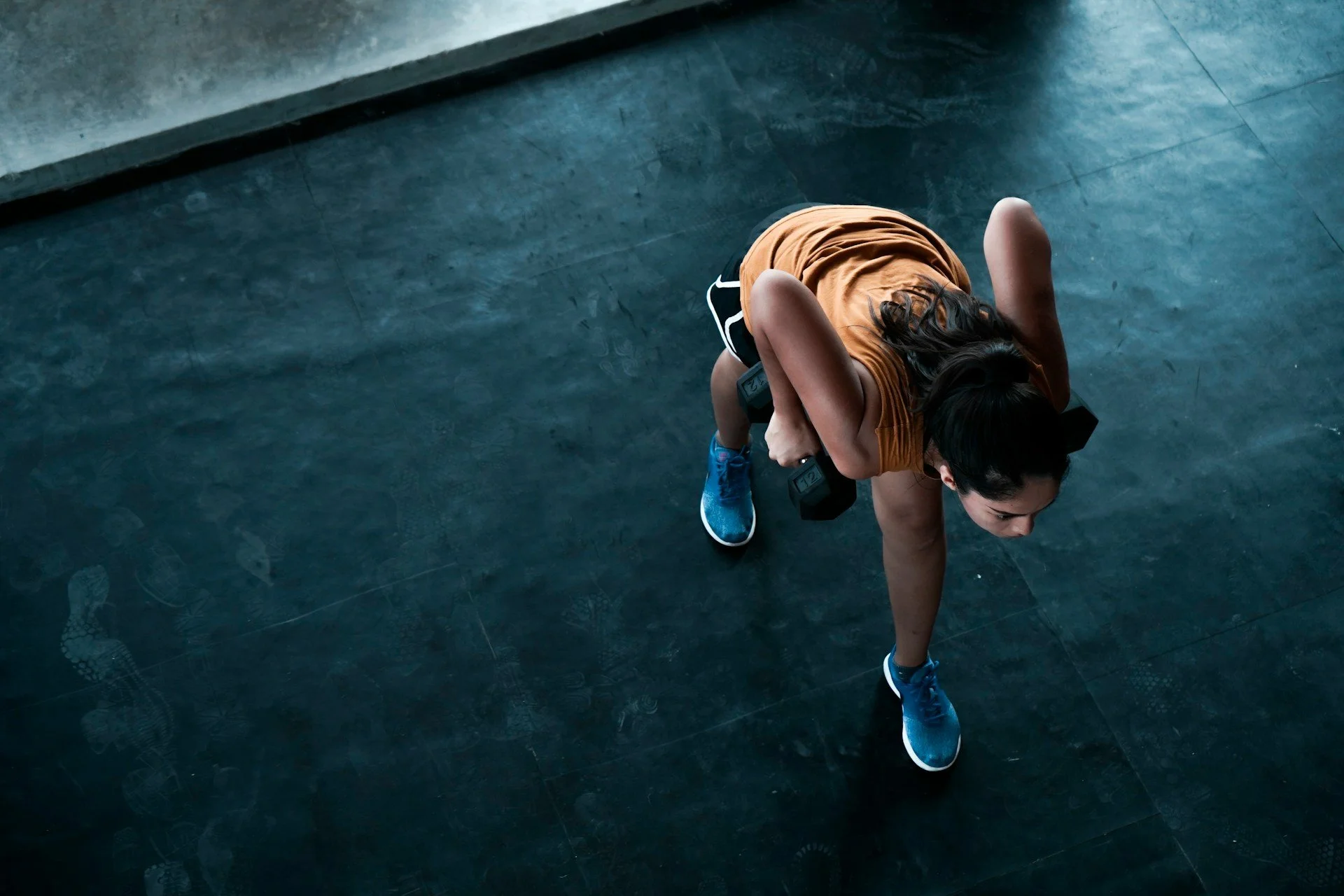
This is also why strength training is expanding beyond bodybuilding culture. In 2027, more people will train for capacity rather than a particular look. A well-designed squat is useful because it builds force through the legs. A carry trains grip, posture and the ability to move a load. A step-up has an obvious relationship with stairs. The aesthetic changes someone may want are allowed to matter, but they no longer have to be the only reason to begin.
At VIMALIFE, that practical approach can start on the open gym and strength floor, in Pure Strength, Strength & Conditioning or Full Body Circuit, or through personal training and a VIMABASE fitness assessment. The format can change. The underlying goal is the same: build a body that becomes more capable, not merely more tired.
2. Pilates Does Not Disappear. It Gets Broader
Fitness has a habit of declaring a popular workout "over" just as ordinary people are finally learning how to use it.
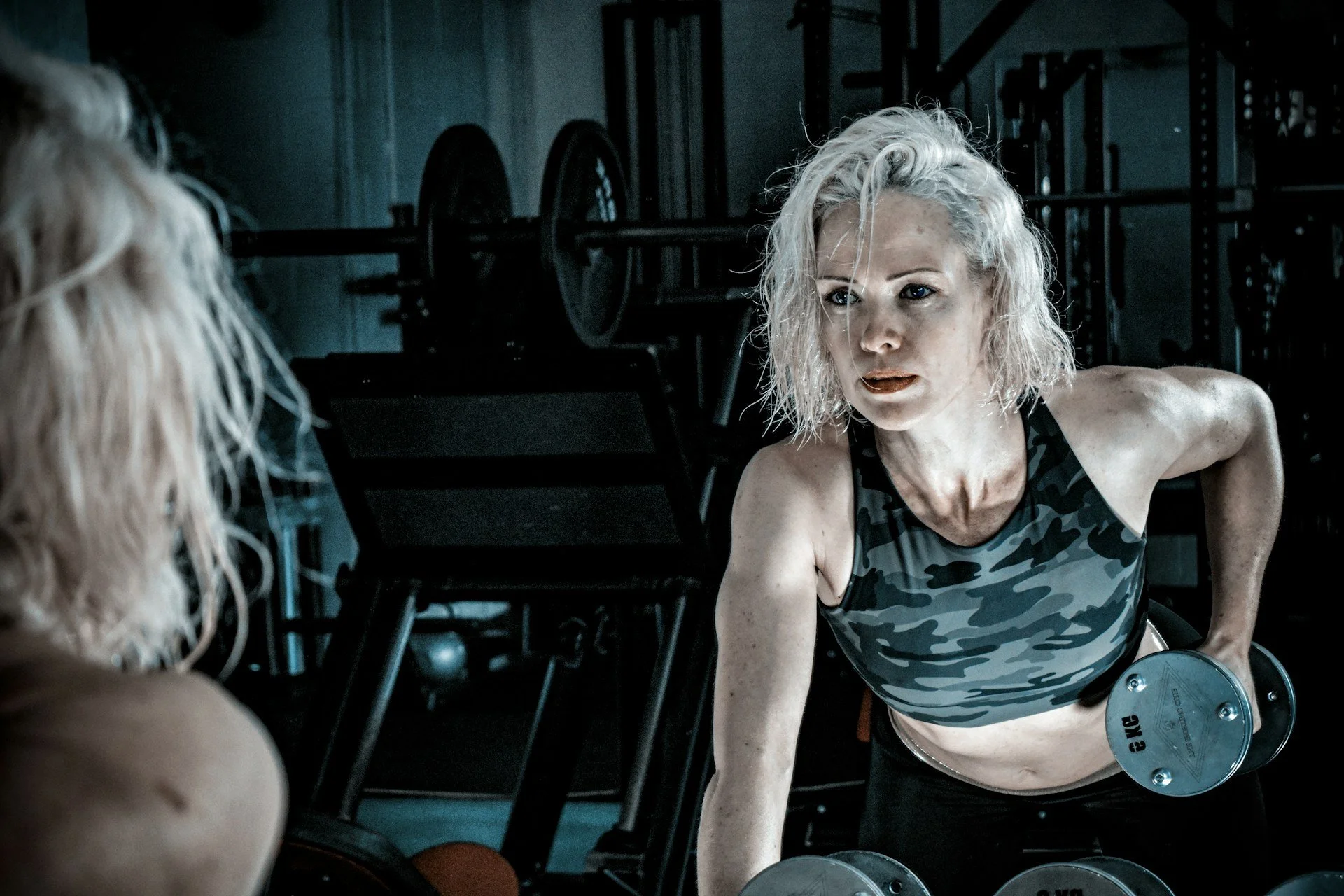
Pilates is unlikely to vanish in 2027. It was the most-booked workout worldwide, the visual shorthand for Pilates has recently been a Reformer, grip socks and a very neutral room. The method itself is much bigger than that image. Mat Pilates, athletic Pilates, sculpt formats and classes that borrow from resistance training are making the category more varied. In 2027, Pilates will increasingly be treated as a way to train control, stability, muscular endurance, coordination and body awareness, not simply as an aesthetic identity.
It will also be used more honestly as part of a broader routine. Pilates can be challenging and can build meaningful physical capacity, but it does not need to replace every other kind of training. Someone can love Pilates and still benefit from heavier strength work, aerobic conditioning and everyday walking. In fact, that combination may be the point.
VIMALIFE's Pilates classes in Leslieville already reflect that wider range. Pilates Flow is controlled and technique-focused, while Express Pilates Sculpt adds resistance and higher-repetition work. Because both live inside the same club as strength, HIIT, yoga, mobility and an open gym, members do not have to turn one modality into an entire personality. Our guide to Pilates versus strength training for longevity explores why the two work so well together.
3. The One-Workout Identity Starts to Feel Old
For years, boutique fitness asked people to choose a camp. You were a runner, a lifter, a yogi, a cyclist or a Pilates person. The identity could be motivating, but it could also make a weekly routine strangely narrow.
The 2027 fitness trend to watch is not one new modality. It is the end of needing one modality to do everything.
Most bodies benefit from different kinds of stress. Strength training builds force and helps preserve muscle. Cardio trains the heart and lungs. Pilates and yoga can develop control, balance and usable range. Faster conditioning has a different effect from an easy walk or a steady Zone 2 cardio session. Recovery-focused movement can help someone stay connected to training on a day when more intensity would add little.
The World Health Organization's physical activity guidance makes the basic combination clear: adults should include aerobic activity and muscle-strengthening work, while older adults also benefit from a focus on balance and functional ability. A balanced routine does not require collecting a different membership for every line of the guidelines. It requires access, variety and some judgment.
This is where an all-in-one fitness club becomes more relevant. VIMALIFE brings together an open gym, VIMAFIT and VIMAZEN studios in one Leslieville space. Someone might lift independently on Monday, take Pilates on Wednesday, join a circuit on Friday and choose yoga or Mobility & Recovery on Sunday. Another member might use the same club in a completely different way.
That variety is not random when it is organized around a goal. It is a training portfolio. And just like a financial portfolio, it is usually more resilient when one thing is not being asked to carry the entire future.
4. Shorter Workouts Stop Apologizing for Themselves
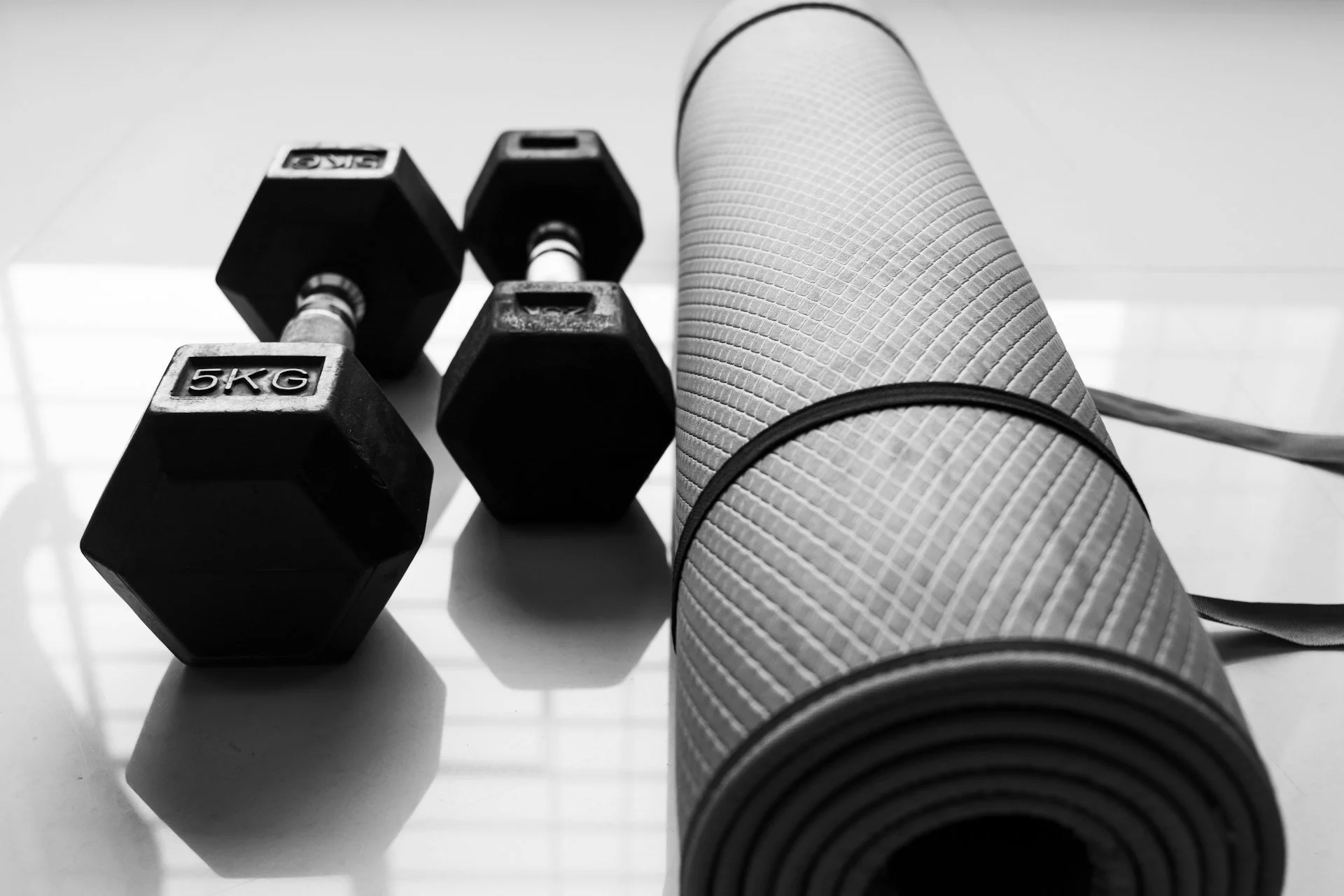
The hour-long workout is not going anywhere. Neither is the realization that an hour is sometimes unavailable.
Research on "exercise snacks" is also challenging the idea that activity only counts once it reaches traditional workout length. A 2026 systematic review and meta-analysis defined exercise snacks as structured bouts lasting five minutes or less, repeated through the day. It found moderate-certainty evidence of improved cardiorespiratory fitness in physically inactive adults, although the evidence did not support broad improvements across every strength or cardiometabolic outcome examined.
In 2027, the better question will be less often, "Was that long enough to count?" and more often, "What can this amount of time do well?"
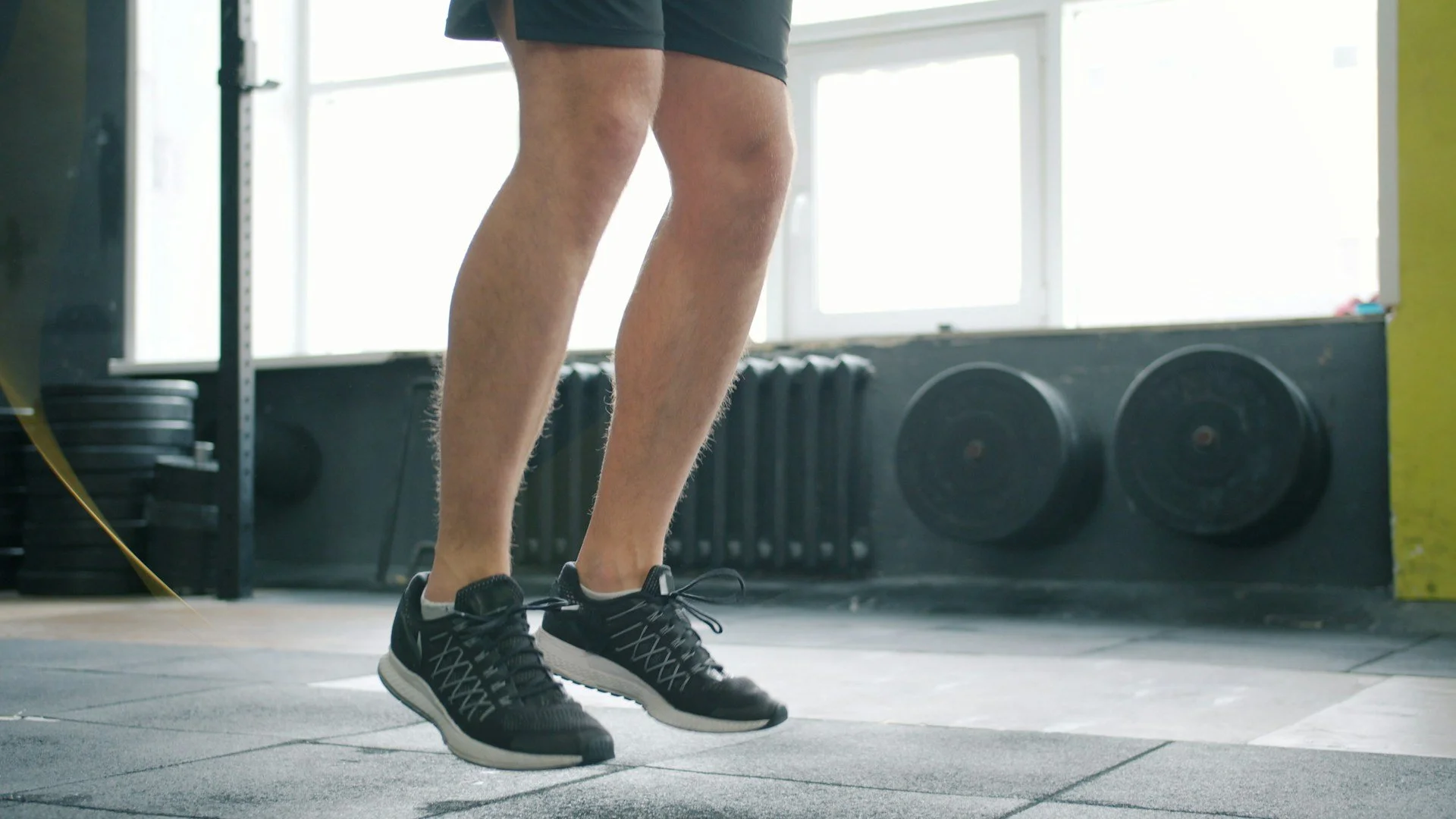
A short session might maintain a habit, provide a focused strength stimulus, improve fitness when repeated consistently or simply break up a sedentary day. At VIMALIFE, 45-minute Express classes such as Pilates Sculpt, Full Body Circuit and Surge HIIT make a coached session easier to place around work. The weekly class schedule includes lunchtime options, while open gym access lets members train on their own timeline.
The future is not five-minute workouts replacing every full session. It is the end of treating an imperfect window as useless.
5. Wearables Get Quieter and More Useful
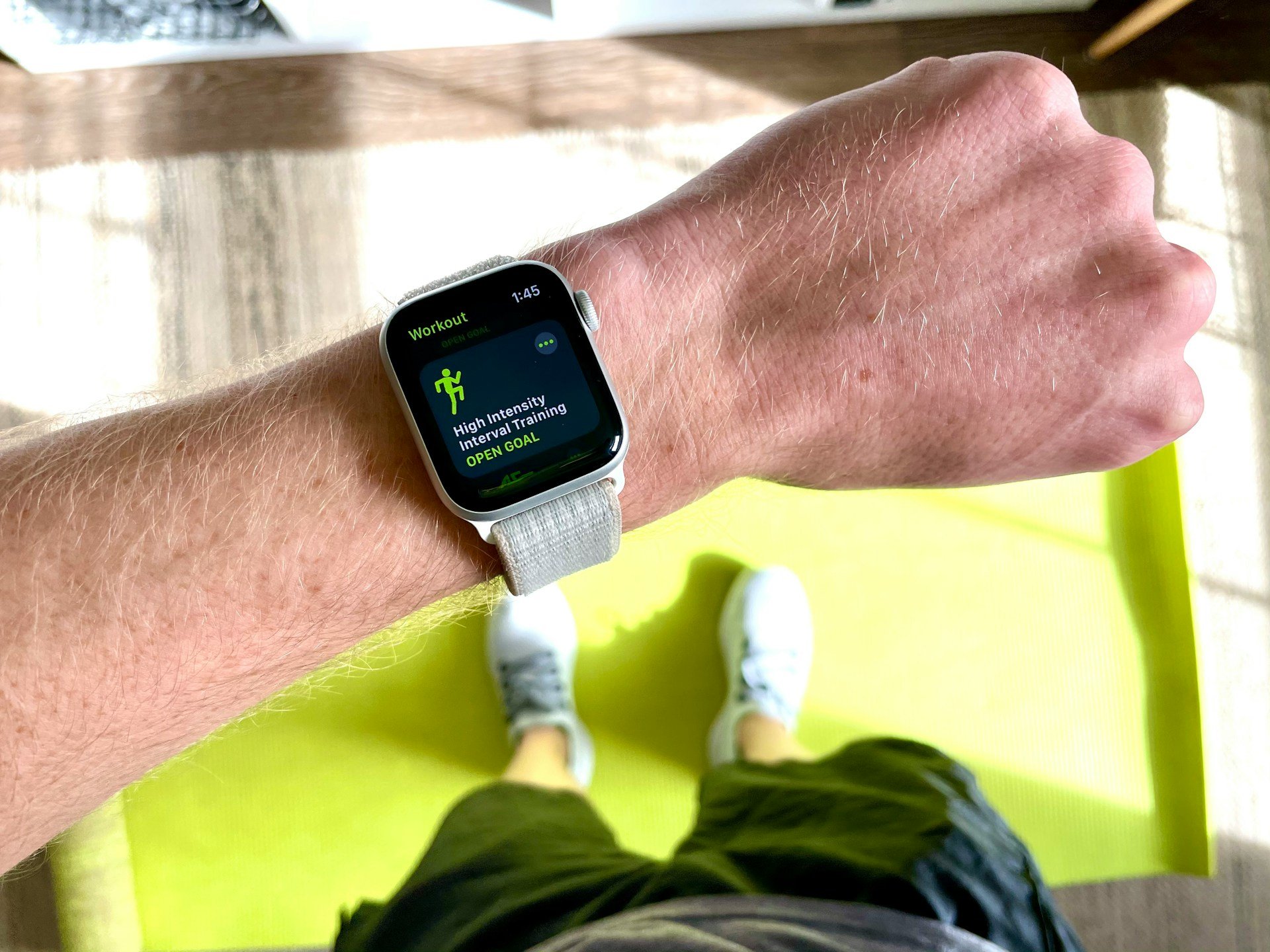
Wearable technology has held the number-one spot in the ACSM trend survey for most of the past decade. By 2027, the interesting change will not be that watches collect more numbers. They almost certainly will. The change will be in how selectively people use them.
Steps, resting heart rate, sleep duration, heart-rate variability, training load, readiness, stress, calories and estimated VO₂ max can create the impression that your entire body has been translated into a dashboard. Some of those numbers are useful. Some are rough estimates wearing very precise fonts.
A systematic review of commercial wearables found that devices could measure steps and heart rate reasonably well in some laboratory settings, depending on the brand and activity, but no examined brand measured energy expenditure accurately across conditions. That does not make a watch pointless. It makes interpretation more important than collection.
The more mature wearable habit is to look for patterns. Is your usual resting heart rate changing? Are your weekly steps consistently higher? Does a steady run feel easier at a similar heart rate? Those questions are more useful than allowing one red recovery score to overrule how you feel, move and perform.
Our guide to fitness tracker accuracy goes deeper into what watches tend to get right and where uncertainty grows. VIMALIFE does not need to compete with your data. A coach, class instructor or VIMABASE assessment can add what the device cannot see clearly: movement quality, confidence, pain, technique, context and how your body responds once the warm-up begins.
In 2027, the smartest people in the room may not be the ones with the most data. They may be the ones who know which data deserves a decision.
6. AI Writes the First Draft. Human Coaching Becomes More Valuable
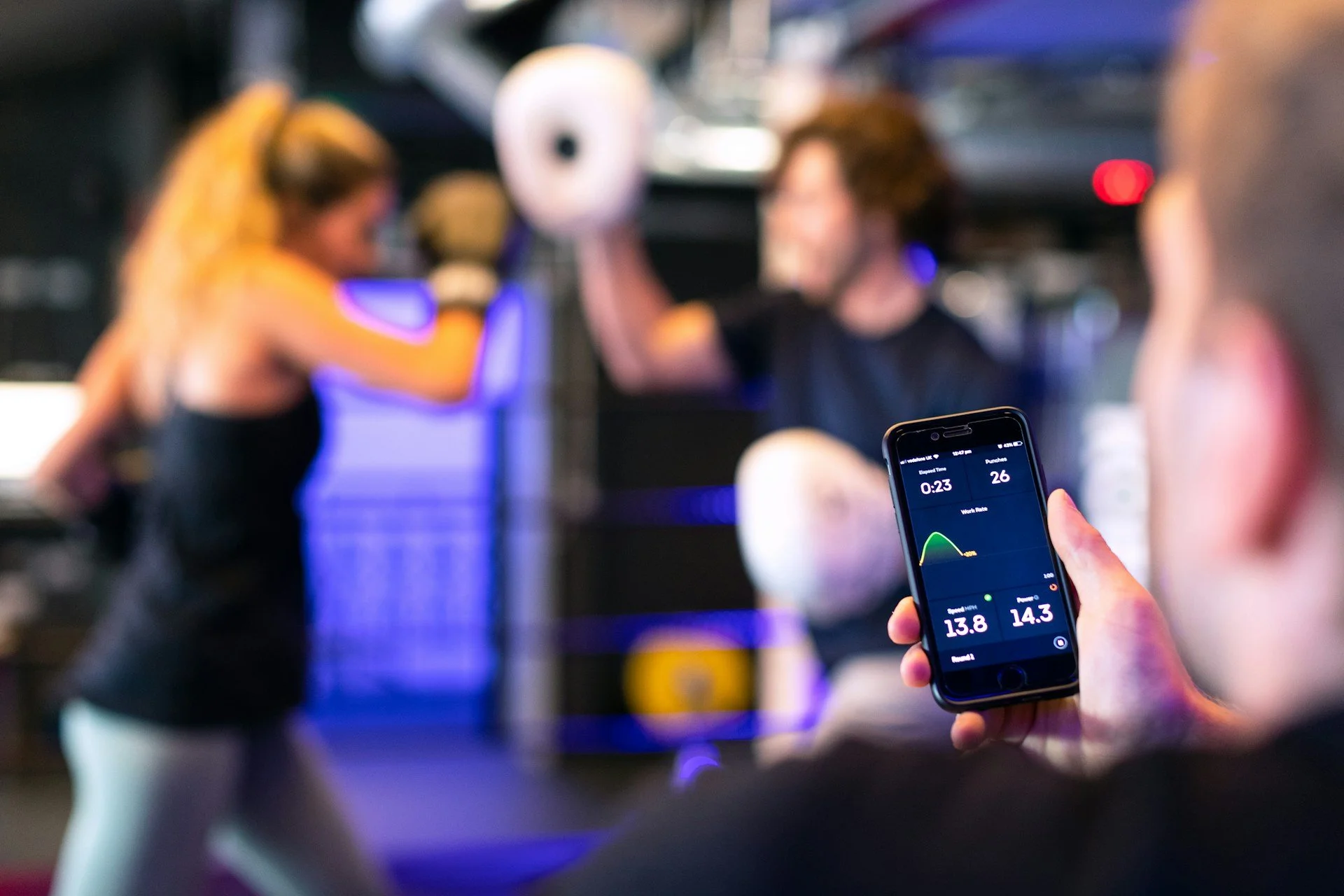
Artificial intelligence will be in fitness whether the industry puts it on every poster or not. It can already suggest workouts, organize a training week, summarize data, generate substitutions and remove some of the blank-page anxiety that makes starting difficult. That is useful. It is not the same as being fully coached.
The evidence base is developing quickly, but it is still early. A 2025 scoping review of large language model-based exercise and health coaches found that evaluation methods were fragmented and often lacked real-world validation. Of the 20 studies reviewed, only 40 percent used a real or simulated user setting, and more than half received a low score for evaluation rigour.
AI will improve. The need for judgment will remain.
A generated program can place three sets of squats on Tuesday. It may not know that you quietly shift away from one hip, that the weight you used last week no longer looks controlled or that a stressful month has changed what you can recover from. Video analysis and sensor technology may narrow some of those gaps, but exercise coaching is also a relationship. It includes noticing, asking, teaching and making a useful change at the right moment. That is why AI and human coaching are unlikely to be an either-or choice in 2027. Technology can make planning more accessible. A qualified trainer can help decide whether the plan fits the actual person.
At VIMALIFE, personal training in Leslieville is built around that second layer. VIMABASE helps establish a starting point, while a coach can shape exercise selection, technique and progression around a member's goals and current capacity. The future may be more automated behind the scenes. The best experience should still feel personal in front of you.
7. Recovery Loses Its Luxury Label
Recovery has been marketed as a room full of devices. Sometimes it is much less photogenic.
It is enough sleep. Enough food. A sensible gap between demanding sessions. A walk that helps you feel less stiff. A mobility class that restores comfortable movement. A training plan that does not require a rescue operation every weekend.
In 2027, recovery will increasingly be treated as a skill rather than a reward. That means learning how to adjust intensity without interpreting every lighter day as failure. It also means recognizing that exercise can support mental well-being without turning it into another performance metric.
Mental health was sixth in the ACSM 2026 trends. A large network meta-analysis in The BMJ found that walking or jogging, yoga and strength training were among the exercise types associated with reductions in depressive symptoms, while also noting that confidence in much of the evidence was low or very low (read the review). Exercise can be a meaningful support, but it is not a demand to feel cheerful and it is not a replacement for appropriate mental health care.
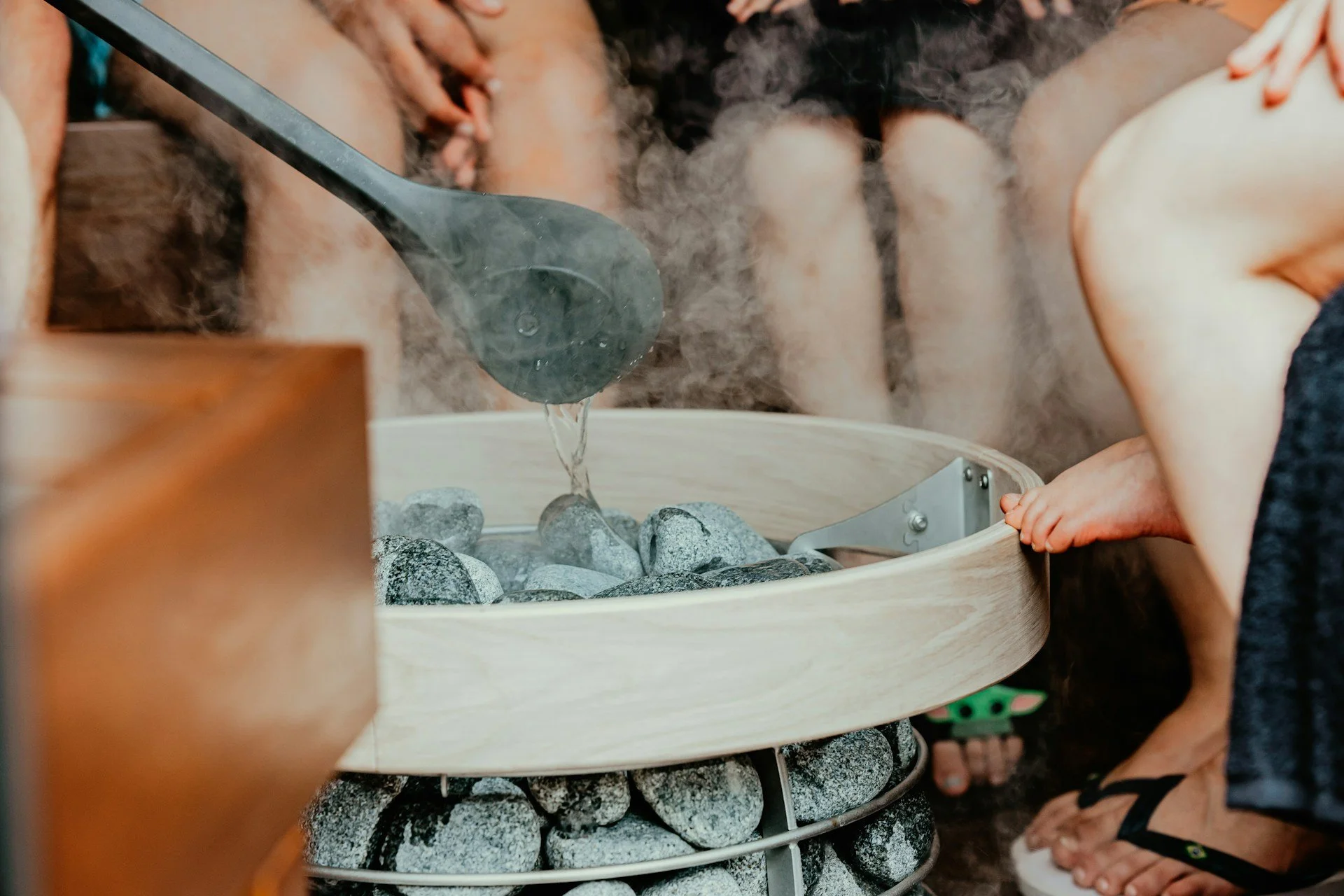
This broader view of recovery is already visible in VIMALIFE's VIMAZEN schedule through Mobility & Recovery, Meditative Yin Yoga, Breathwork & Restore Yoga, and Sound Healing & Meditation. Members can place those sessions beside strength, Pilates and conditioning rather than treating recovery as something that happens only after pain or exhaustion appears.
Our article on physio, massage and recovery in a well-rounded fitness routine makes the same point: recovery is not the opposite of training. It is part of what makes training repeatable.
8. Community Becomes Part of the Training Plan
The pandemic proved that many workouts can happen almost anywhere. It also reminded people what a screen cannot fully reproduce: the energy of moving beside someone else, being expected at a familiar time and walking into a place where your presence is noticed.
The social side of fitness is returning without requiring everyone to become aggressively social. ACSM added adult recreation and sports clubs to its top ten for 2026. A 2026 systematic review of adult group fitness found that self-efficacy was the factor most consistently associated with attendance. Specific social and instructor-related factors also appeared relevant, although the evidence was mixed, context-dependent and largely observational. This matters because consistency is not purely a character trait. Environment helps. A nearby gym, a class you enjoy, an instructor you trust and a few familiar faces can all reduce the amount of persuasion required to move.
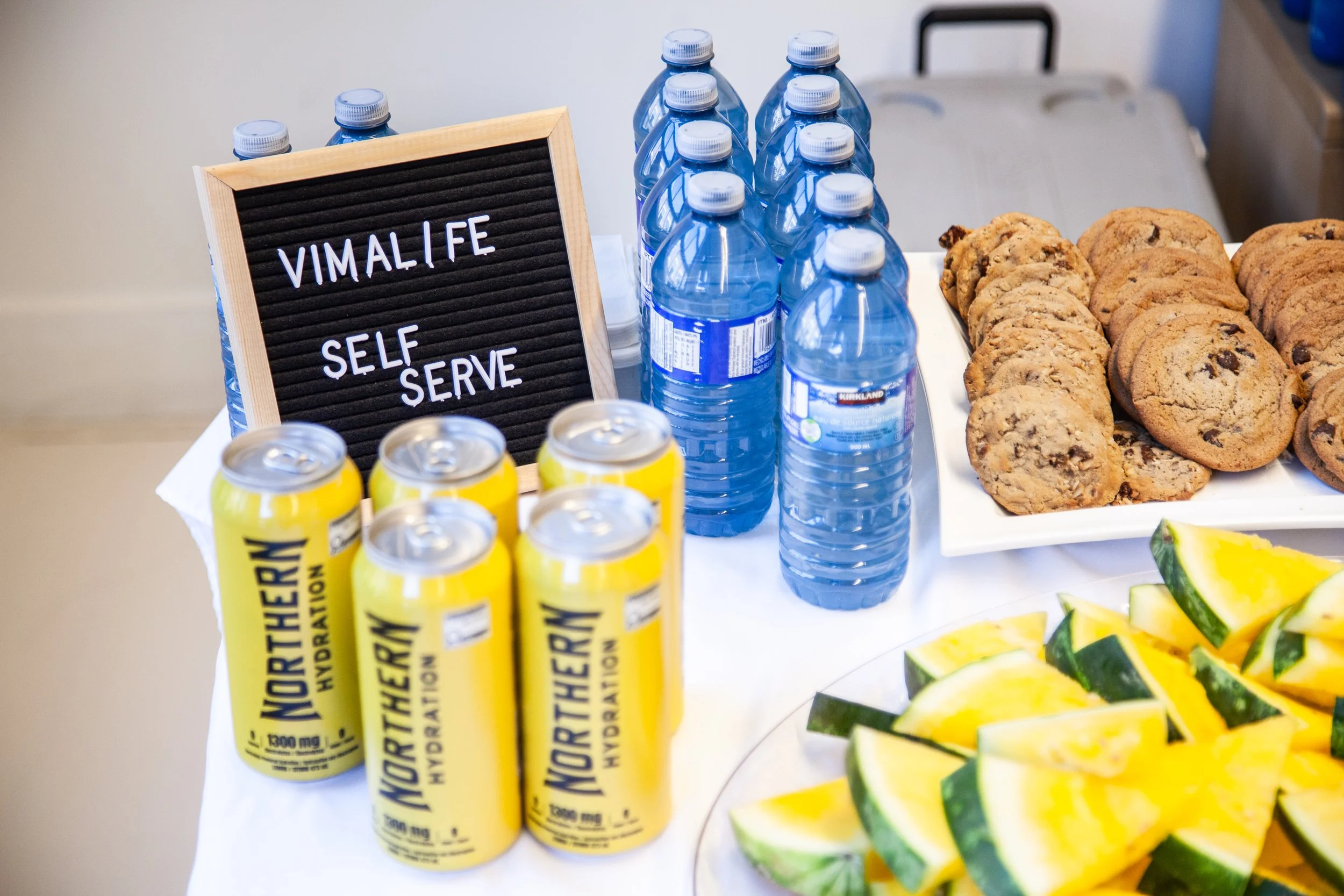
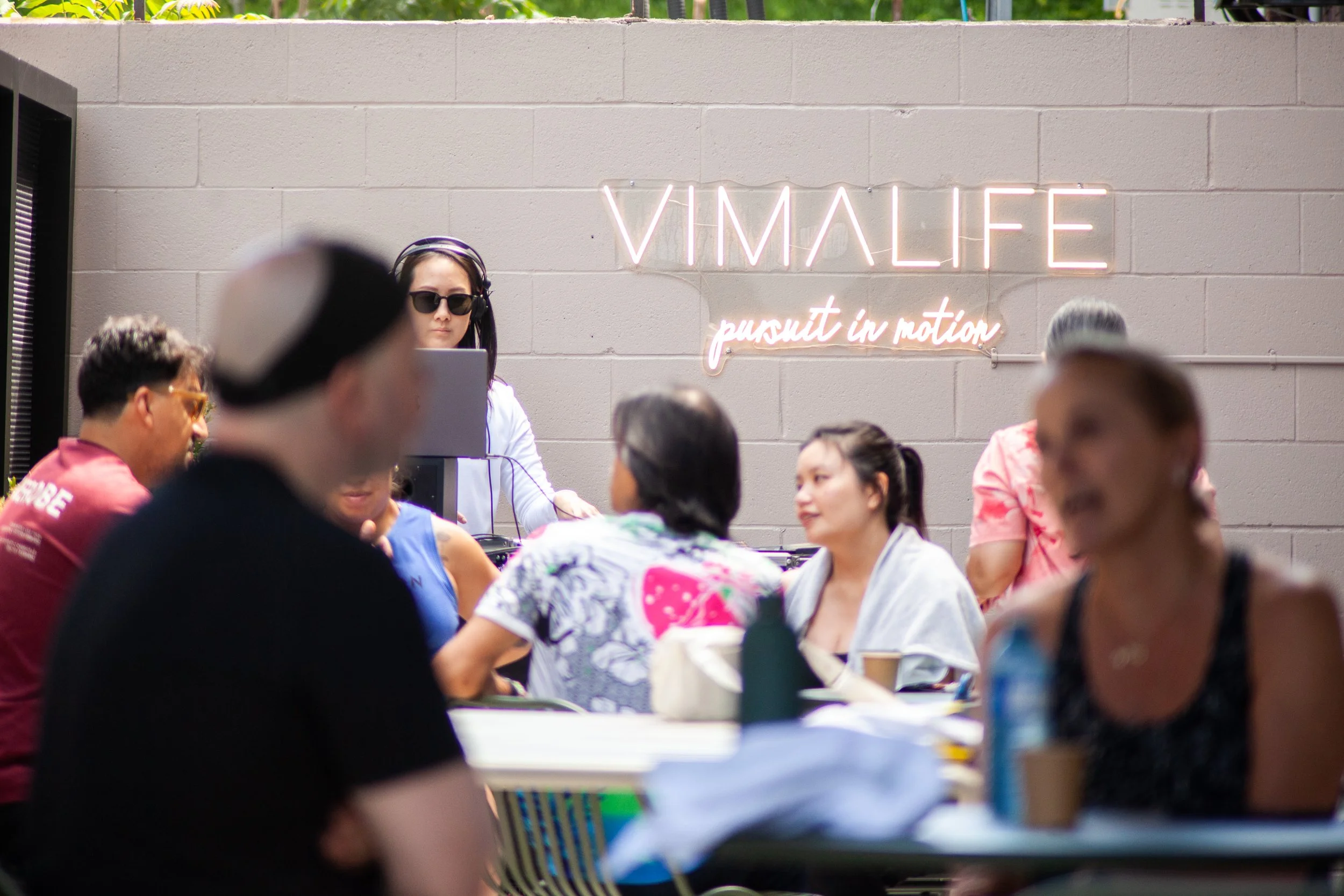
At VIMALIFE, community can look like a community event, a regular class, a conversation on the gym floor, an outdoor gathering on VIMAPATIO or simply seeing the same people at the same time each week. It can also look like training independently in a place that no longer feels anonymous. That is the appeal of a local fitness club. It gives the habit somewhere to live. As we wrote in The Quiet Power of Showing Up, the most effective routine is often the one with the fewest reasons to disappear.
What Could a Balanced 2027 Fitness Routine Look Like?
The future of fitness does not require an eight-part morning routine or a charging drawer full of sensors.
For many adults, a balanced week could be built from:
two strength-focused sessions
one Pilates, yoga or mobility class
one cardio or conditioning session at an appropriate intensity
walking and other light movement through the week
enough recovery to repeat the plan
That is an example, not a prescription. Someone new to training might begin with two sessions a week and a few more walks. An experienced person may do more. Someone managing an injury, health condition, pregnancy or a major change in medication may need advice from an appropriate healthcare professional and a more individualized plan.
The important part is that a routine has more than one gear. It should be able to become stronger when life allows and simpler when life gets crowded without collapsing completely.
VIMALIFE was designed around that flexibility. In one 11,000+ sq. ft. Leslieville club, members can use the open gym, take 200+ monthly classes across strength, conditioning, Pilates, yoga, barre and recovery, or add coaching through personal training. The membership options allow people to choose independent gym access or a more all-inclusive mix.
The Real 2027 Fitness Trend Is Fewer False Choices
Strength or Pilates. Data or intuition. A hard workout or a recovery day. Independent training or group fitness. Technology or a human coach.
The most useful answer is increasingly, "It depends on the day, the goal and the person."
That may not sound as dramatic as a brand-new workout promising to change everything. It is much closer to how lasting fitness works. A strong routine can include effort and ease. It can be measured without becoming ruled by measurement. It can use technology while keeping human judgment. It can change shape without losing its purpose.
If these predictions are right, the biggest fitness trends of 2027 will not ask people to start over again. They will help people build a more complete version of what they can keep doing.
That is also why VIMALIFE feels ready for where fitness is going. The club does not depend on one modality winning. It gives strength, cardio, Pilates, yoga, mobility, recovery, coaching and community room to work together.
Trends will keep changing. A body that can keep showing up is a much better investment.
Frequently Asked Questions About Fitness Trends for 2027
What will be the biggest fitness trend in 2027?
The broadest trend will likely be practical longevity: training for strength, cardiovascular fitness, balance, mobility and long-term function rather than focusing only on short-term appearance. It is less one workout style than a shift in why people train.
Will Pilates still be popular in 2027?
Current booking data suggests Pilates will remain popular. Expect continued growth in mat Pilates, sculpt and athletic formats, along with more people combining Pilates with strength training and cardio instead of treating it as a complete replacement for both.
Will AI replace personal trainers?
AI will make basic workout planning and exercise information easier to access, but current evidence on AI exercise coaching still has important gaps in real-world validation and safety evaluation. Human trainers remain valuable for technique, context, progression, communication and adapting a plan to the person in front of them.
Are short workouts actually effective?
Short workouts can be effective when they have a clear purpose and are repeated consistently. Research on brief exercise snacks suggests potential benefits for cardiorespiratory fitness, especially in inactive adults. A five-minute bout does not replace every benefit of a full program, but it is not wasted movement.
What role will wearables play in fitness in 2027?
Wearables will continue to track more health and fitness data, but their best use will be showing patterns rather than issuing daily verdicts. Step counts, resting heart rate and activity trends can be helpful, while calorie, sleep-stage and recovery estimates should be interpreted with more caution.
How does VIMALIFE fit the 2027 fitness trends?
VIMALIFE combines the major directions shaping fitness in one Leslieville club: open gym strength training, 200+ monthly classes, Pilates, yoga, HIIT, conditioning, mobility and recovery, personal training, VIMABASE assessments, and community experiences. Members can build a varied routine without managing several separate studios or memberships.