
Does Working Out at Night Ruin Your Sleep? The Research Is More Reassuring Than You Think
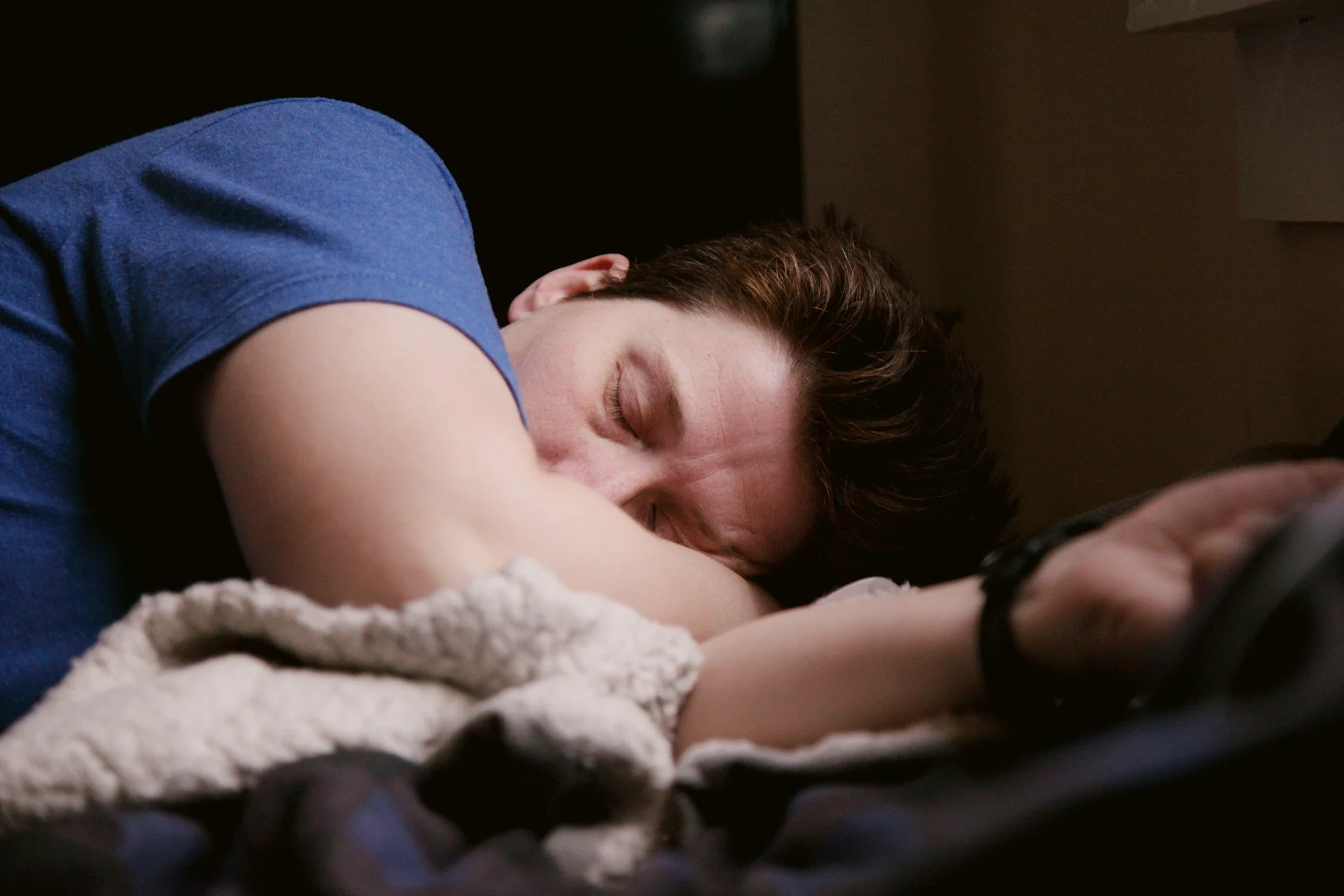
The evening workout has always had a reputation problem. For years, the advice was do not exercise before bed. A late workout would leave your heart racing, your body warm and your mind far too alert to sleep. If evening was your only opening, apparently you had to choose between fitness and rest. Thankfully, the research tells a more forgiving story.
For most healthy adults, an evening workout does not automatically ruin sleep. In fact, regular exercise can support sleep quality, and many people sleep perfectly well after training later in the day. The real question is not simply whether you exercise at night. It is how hard you train, how close the session is to bedtime and how your own body responds afterward.
Why Exercise Before Bed Got a Bad Reputation
The old warning was not completely invented. Exercise raises heart rate, breathing rate and body temperature. A hard session can also keep the nervous system activated while the body begins recovering. Sleep needs the opposite. As bedtime approaches, heart rate and core temperature normally begin to fall, and the body shifts toward a quieter state. The problem was that a reasonable concern became a blanket rule. A relaxed yoga class at 7:00 p.m., a strength workout after work and a maximal interval session ending minutes before bed were all treated as if they affected sleep in the same way. They do not.
What the Research Says About Evening Workouts and Sleep
A systematic review and meta-analysis published in Sports Medicine examined 23 studies on evening exercise and sleep in healthy adults. Overall, evening exercise did not worsen the time it took people to fall asleep, total sleep time, sleep efficiency or perceived sleep quality. There were even small signs that evening exercise might support deeper sleep, although the changes were modest.
The important exception was vigorous exercise completed within about an hour of bedtime. When a hard session ended that close to sleep, some people took longer to fall asleep or slept less efficiently. So, does working out at night keep you awake? Usually, no. But a demanding workout that leaves you hot, alert and breathless right before bed is more likely to be disruptive than a moderate session completed earlier in the evening.
A Large 2025 Study Added an Important Detail
A 2025 study in Nature Communications looked at more than four million nights of wearable data from 14,689 physically active adults. It found that later workouts and greater exercise strain were associated with later sleep onset, shorter sleep, lower sleep quality, a higher overnight resting heart rate and lower heart-rate variability.
Exercise sessions that ended at least four hours before sleep were not associated with those changes. Within that four-hour window, the effect depended heavily on strain. The later and more demanding the session, the more likely sleep was to be affected. That does not mean everyone needs a rigid four-hour cutoff. This was an observational study using wearable estimates, so it cannot prove that late exercise caused every sleep change. It does give us a useful lesson: the closer a workout is to bedtime, the more intensity and duration matter. A 6:00pm strength class before an 11:00 p.m. bedtime is not the same as finishing a long HIIT session at 10:30 p.m. If you need to train late, an easier strength session, Pilates, yoga, mobility work or moderate cardio may be kinder to sleep than repeated all-out intervals.

Your Nervous System Gets a Vote
Research can describe averages. Your body still gets the final say. Some people leave an evening workout feeling pleasantly tired and mentally clear. Others feel switched on for hours. Stress, workout intensity, usual bedtime and natural morning or evening tendencies can all shape the response.
Pay attention to what happens after training. Are you restless in bed? Does your heart rate still feel elevated? Do you wake feeling less recovered? Those patterns matter more than a generic rule on social media. If sleep becomes worse after late training, try changing one variable at a time. Finish the session earlier, reduce the intensity, shorten the workout or choose a calmer format. A brief cool-down can also create a clearer transition between training and rest.
At VIMALIFE, that might mean balancing an evening strength or conditioning workout with Pilates, yoga or a recovery-focused class on another night. The VIMALIFE class schedule offers different levels of intensity, which makes it easier to build a routine around both movement and recovery.
Morning Versus Evening: What Is the Best Time to Work Out?
There is no universal best time to work out. Morning training can protect the workout before the day becomes busy. But waking an hour earlier to exercise is not automatically healthier if it also means losing an hour of sleep. Evening training may feel more natural if your energy improves later in the day or mornings are unrealistic. If you exercise regularly, sleep well and wake recovered, there is little reason to move a routine that works.
The best training time is usually the one you can repeat without borrowing from sleep. That principle fits with what we know about why consistency matters more than perfect workouts. A realistic evening routine often does more for long-term health than an idealized morning plan that rarely happens.
Caffeine May Be the Real Reason You Feel Awake
Sometimes the workout gets blamed when the pre-workout deserves a closer look. Caffeine can improve alertness and exercise performance, but it can remain active long after the session ends. A 2023 systematic review and meta-analysis found that caffeine reduced total sleep time by about 45 minutes on average, lowered sleep efficiency and increased the time people spent awake around sleep.
Dose, timing and sensitivity all matter. One person may tolerate an afternoon coffee, while another feels a caffeinated pre-workout late into the night. Even falling asleep easily does not necessarily mean caffeine had no effect on sleep quality.
If evening workouts leave you wired, try the same session without late-day caffeine before deciding exercise is the problem. Water, a balanced snack and a good warm-up may give you enough energy without the stimulant effect. Our guide to coffee before a workout explains how caffeine can support performance and when it may work against recovery.

How to Make an Evening Workout More Sleep-Friendly
You do not need a complicated nighttime protocol. Start with a few simple adjustments:
Leave more time between a very hard workout and bed when possible.
Choose moderate or lower-intensity movement if you must train close to bedtime.
Skip caffeinated pre-workout later in the day if you are sensitive to it.
Finish with several minutes of easy movement and slower breathing.
Give yourself time to shower, hydrate and mentally leave the workout behind.
Keep your usual bedtime rather than letting the session push the entire night later.
Watch the pattern over several workouts instead of judging one unusual night.
You do not need a wearable to make this useful. Notice how long it takes to fall asleep, whether you wake during the night and how recovered you feel the next morning. Treat tracker numbers as clues rather than a diagnosis.
The Bottom Line
Exercise before bed is not automatically bad for sleep. For most healthy adults, a normal evening workout is unlikely to cause a problem and may fit beautifully into a consistent routine.
The caution is mainly for hard, high-strain exercise performed very close to bedtime, especially when caffeine is involved. If late workouts leave you alert for hours or noticeably reduce your sleep, create more space before bed or choose a gentler session. If you sleep well and feel recovered, there is no need to fear the evening class.
Fitness and sleep are not rivals. The goal is to build a routine that gives your body enough of both.
Explore fitness classes at VIMALIFE in Leslieville, including strength, HIIT, conditioning, Pilates, yoga, barre and recovery-focused movement, or learn more about the full VIMALIFE fitness club experience.
Frequently Asked Questions
Does working out at night keep you awake?
Not usually. Research suggests that evening exercise generally does not harm sleep in healthy adults. Very intense or long workouts completed close to bedtime are more likely to delay sleep or affect recovery.
How long before bed should I stop exercising?
There is no single cutoff for everyone. If the workout is hard, leaving several hours before bed is sensible. If you are exercising closer to bedtime, choose a lighter or moderate session and pay attention to how you sleep afterward.
Is it better to exercise in the morning or at night?
Neither time is best for everyone. Morning workouts suit some routines, while evening workouts are more realistic for others. The better choice is the time you can follow consistently without shortening or disrupting your sleep.
What exercise is best before bed?
Gentler options such as walking, mobility work, restorative yoga, light Pilates or easy cardio are less likely to leave you overstimulated. Individual responses vary, so use your own sleep and recovery as a guide.