
Sauna After a Workout: What Heat Therapy Can and Cannot Do
There is something deeply appealing about ending a workout in a sauna. The hard part is over. Your muscles are warm, your breathing settles, and for a few quiet minutes there is nowhere else to be.
Then the claims begin. A sauna after a workout is said to flush toxins, prevent soreness, accelerate muscle repair and melt away fat. Some of those ideas contain a small piece of truth. Others ask the science to say far more than it does.
The short answer: a post-workout sauna can feel relaxing and creates real responses in the body. A small study suggests it may help with soreness after strength training, but the evidence is not strong enough to call sauna a proven recovery tool. Think of it as an optional ritual, not a replacement for sleep, hydration, nutrition or sensible training.
The clearest post-workout sauna benefits may be the simplest ones: warmth, stillness and a recovery ritual you genuinely enjoy.
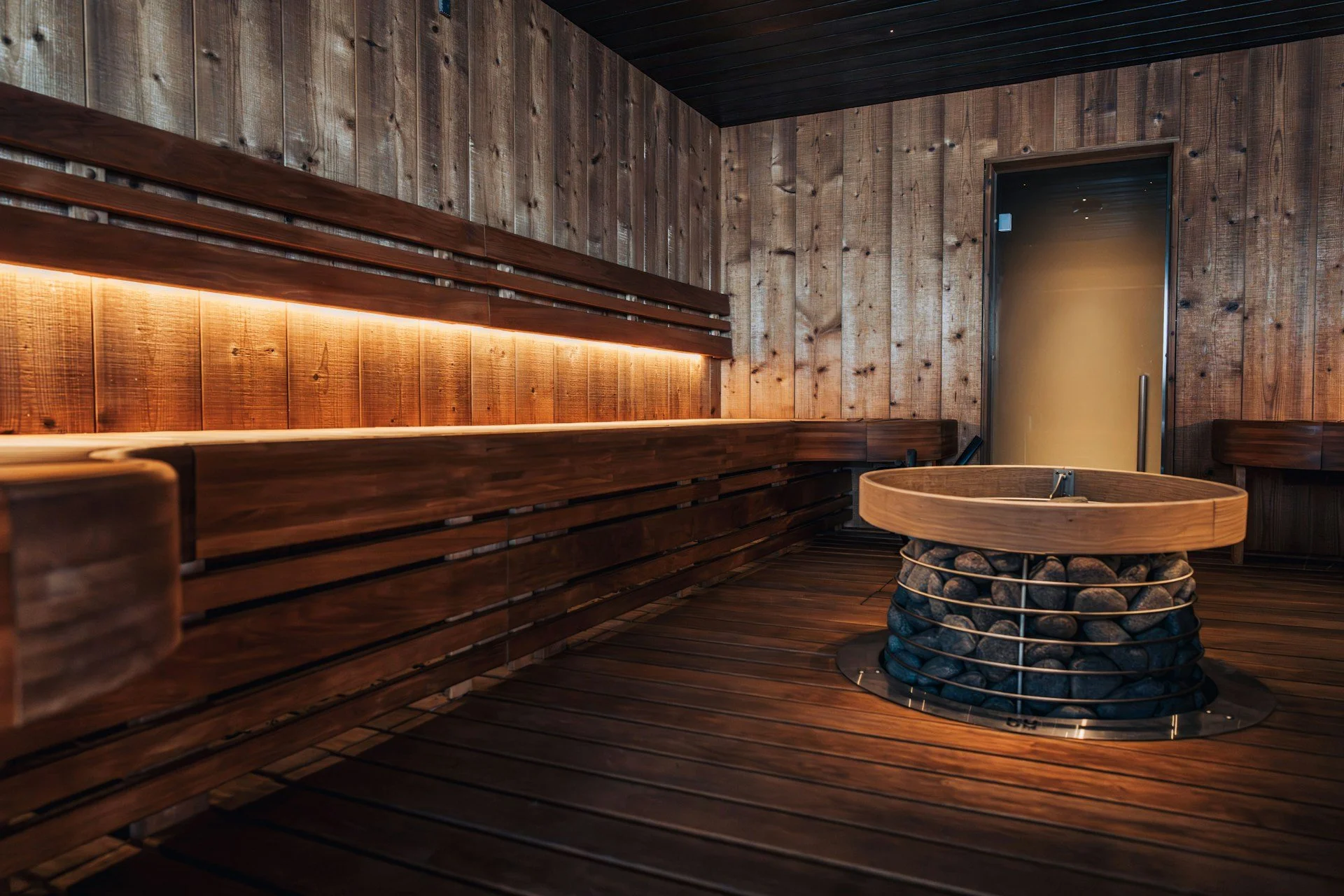
Why a Post-Workout Sauna Can Feel So Restorative
Recovery is not only a lab measurement. Heat, stillness and time away from a phone can make a sauna feel like a clean ending to a workout. That experience matters if it helps you relax and enjoy your routine.
Still, feeling recovered and having recovered physical performance are not always the same thing. The best way to think about sauna for recovery is as one optional part of a much larger picture. At VIMALIFE, that picture includes sleep, food, hydration, lower-intensity movement and rest. Our guide to physio, massage and recovery explores those foundations in more detail.
Myth: A Sauna Automatically Speeds Up Workout Recovery
This is the claim that received the clearest reality check in 2025.
A systematic review published in Sports Medicine - Open examined 14 studies involving 194 healthy adults. The studies tested sauna bathing or hot-water immersion after exercise.
The acute findings were mixed: four studies reported a benefit, four found no effect and one found an adverse effect. Study designs varied so much that the researchers could not combine the results in a meta-analysis.
Their conclusion was careful. Current evidence is not strong enough to say that post-exercise heat reliably improves acute recovery or physical performance development. Read the 2025 systematic review.
That does not make sauna useless. It means the promise should match the evidence.
Myth: More Blood Flow Means Faster Muscle Repair
Heat does create a real physiological response.
As the body regulates its temperature, heart rate rises, more blood is directed toward the skin and sweating increases. In one study of 100 adults, a 30-minute sauna session was followed by short-term reductions in blood pressure and arterial stiffness. Read the cardiovascular sauna study.
Those findings do not prove that sauna repairs muscle damage or replaces cardio. Increased circulation sounds like it should guarantee faster recovery, but a plausible mechanism is not the same as a demonstrated outcome.

Myth: Sauna After Strength Training Prevents Soreness
There is a promising study behind this idea, but it is smaller and more specific than social media summaries tend to admit.
In a randomized crossover study, 16 male basketball players completed a demanding strength and plyometric workout, followed by passive recovery or 20 minutes in an infrared sauna. After the sauna condition, they reported less soreness and better perceived recovery. The decline in one jump measure was also smaller 14 hours later.
The sauna did not improve every performance measure, and this was a small group of trained men using one infrared protocol. It cannot tell us that every sauna will work the same way for every person. Read the infrared sauna recovery study.
Sauna after strength training may help some people feel less sore. The wider evidence remains uncertain.
Myth: Sweating in a Sauna Detoxes the Body
Sweat has an essential job: it helps cool the body.
Researchers can detect small amounts of certain substances in sweat, but that does not prove a sauna removes a clinically meaningful amount of an unspecified “toxin.” A systematic review described the role of sauna-based detoxification as poorly defined. Read the dry sauna systematic review.
The liver and kidneys do most of the body's routine processing and elimination work. Sauna should not be presented as a medical detox treatment.
The same caution applies to weight loss. A lower number on the scale after a sauna mainly reflects fluid loss, not sudden body-fat loss. A sauna can be relaxing without needing to “cleanse” you.

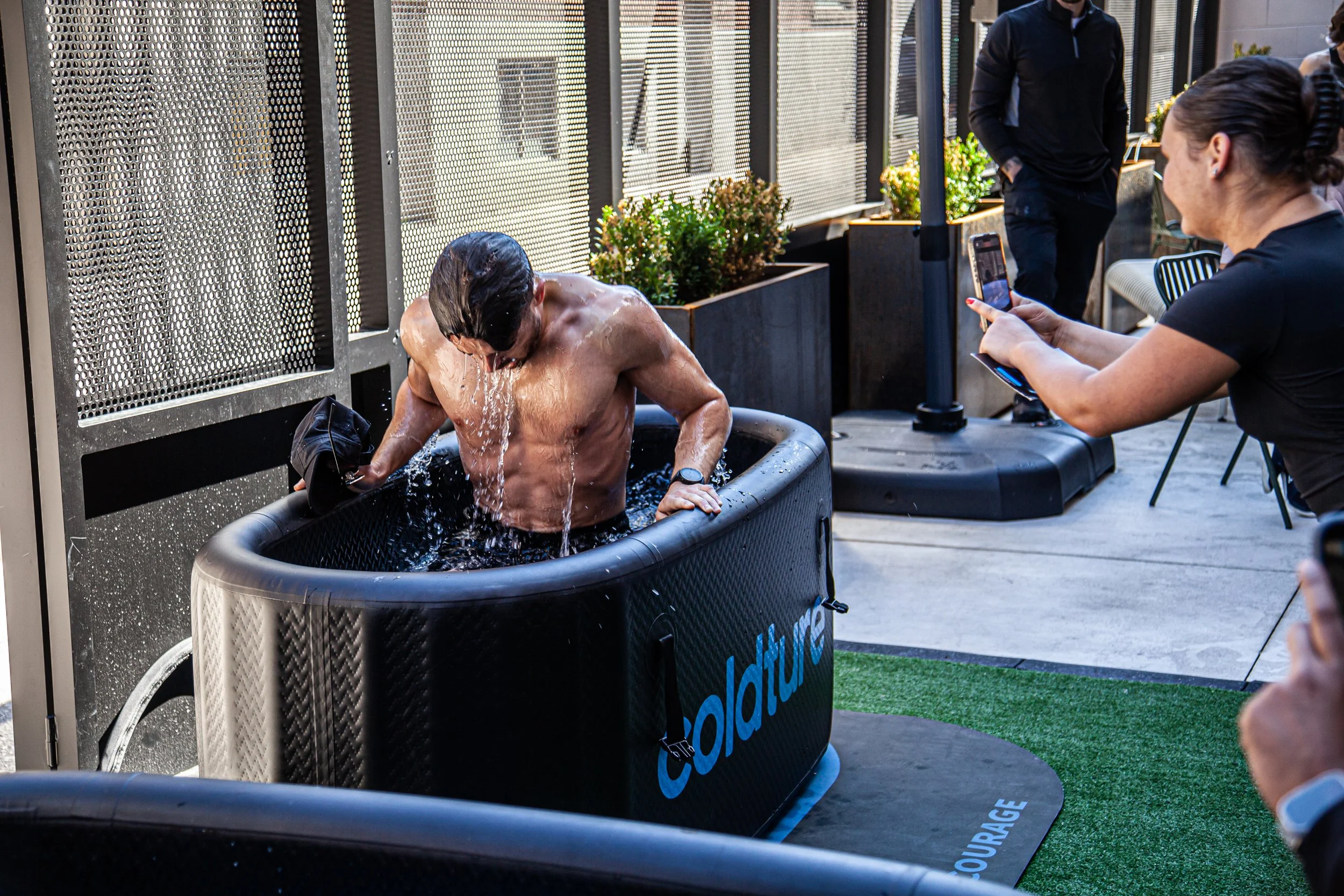
Sauna Versus Cold Plunge: Which Is Better After a Workout?
Heat and cold are often packaged together, but they do not do the same thing.
Cold-water immersion has more consistent evidence for short-term soreness relief in some settings. Regular use immediately after resistance training is more complicated. Reviews suggest repeated post-workout cold immersion may modestly reduce some strength or muscle-growth adaptations, although results vary and much of the evidence comes from men.
Heat has a different evidence gap. It may feel soothing, but researchers still do not know whether it reliably improves recovery. Which one is better depends on the goal.
If you need short-term soreness relief between closely scheduled events, cold may have a role.
If muscle growth is the goal, cold immediately after every strength session may not be the best default.
If you want relaxation and enjoy warmth, sauna may be more appealing.
If neither feels good, you do not need either one to recover well.
Sleep, food, hydration and a training plan you can recover from still do the heaviest lifting.
Hydration and Sauna Safety After Exercise
A workout and a sauna both increase fluid loss. Let your breathing and heart rate settle, begin replacing fluids and notice how you feel before entering the heat. There is no single post-workout sauna time proven to be ideal for everyone.
If you are new to sauna, start conservatively and follow the facility's guidance. Leave if you feel dizzy, faint, nauseated, confused, short of breath or unwell. Do not combine sauna with alcohol. A safety review found that alcohol increases the risk of low blood pressure, abnormal heart rhythms and serious adverse events. Read the review on sauna benefits and risks.
Ask a healthcare professional first if you are pregnant, have a heart or kidney condition, tend to faint, have blood-pressure concerns, are recovering from illness, or take medication that affects blood pressure, sweating or fluid balance.

A Sensible Post-Workout Sauna Routine
You do not need an elaborate protocol. A safer approach is simple:
Finish your workout and take a few minutes to cool down.
Drink fluids and consider how much you have already sweated.
Skip the sauna if you feel depleted, dizzy, ill or unusually overheated.
Begin with a shorter exposure if you are new to heat.
Leave when your body tells you to leave, even if a timer has not finished.
Rehydrate afterward and eat normally.
Treat the sauna as an addition to recovery, not the foundation of it.
The goal is to leave feeling better than when you entered. More heat is not more wellness.
Sauna and Cold-Plunge Access for VIMALIFE Members
VIMALIFE does not have an onsite sauna. Members can explore hot and cold exposure at Alter Wellness in Leslieville, located at 988 Queen Street East. Alter offers a Finnish sauna with essential-oil-infused steam, cold showers and ice baths.
Through the VIMALIFE community partnership, members currently receive:
15% off single sessions and 3, 5, 10 and 25-session packs with the code VIMALIFE at checkout
50% off the first month of any Alter Wellness membership by emailing hello@alterwellness.ca
Offers can change, so check the VIMALIFE Community and Member Benefits page for current details. At the club, members can train through open gym access and more than 200 monthly strength, conditioning, Pilates, yoga and recovery-focused classes. Sauna sessions take place at Alter Wellness.
Frequently Asked Questions About Sauna After a Workout
Is a sauna good after a workout?
It can help you relax and may reduce perceived soreness for some people. Research does not prove that it reliably speeds physical recovery or improves performance, so treat it as an optional wellness practice.
Is sauna good after strength training?
One small infrared sauna study found less soreness after resistance exercise. Evidence is too limited to say that sauna improves muscle growth, repair or strength gains.
Should you use a sauna immediately after exercising?
No evidence says you need to rush from your final set into a sauna. Let your breathing and heart rate settle, begin rehydrating and assess how you feel. If you are dizzy, depleted or overheated, skip it.
How long should you stay in a sauna after a workout?
There is no universal research-backed duration. Follow the facility's rules, start conservatively and leave at the first sign that you feel unwell.
Does a post-workout sauna burn fat?
A sauna may cause temporary water-weight loss, but that is not body-fat loss. Long-term body composition depends on broader patterns of nutrition, movement, training and recovery.
The Takeaway
The best argument for a sauna after a workout may be the simplest one: you enjoy it.
Heat creates real physiological changes, but the evidence is too mixed to promise faster muscle repair, better performance or a special detox effect.
Use sauna because it helps you slow down, because warmth feels good or because it is a ritual you enjoy. Hydrate, respect the heat and keep the basics in their proper place. Recovery does not need to be dramatic to work.