
Mobility vs Flexibility: Why Stretching Is Only Part of the Story
A stretch can show you where your body can go. Mobility reveals what you can do once you arrive.
Imagine lying on your back and using a strap to pull one leg toward you. With the strap doing some of the work, your leg may travel surprisingly far. Now put the strap down and try to lift that same leg to the same height using only your own muscles. The range will probably be smaller.
That gap is a useful way to understand mobility vs flexibility. In everyday fitness language, flexibility describes the range of motion available at a joint, especially when gravity, a prop or another person helps you reach it. Mobility describes how much of that range you can actively use and control.
The terms are sometimes used differently in research and clinical settings, where active and passive range of motion are usually measured more precisely. Still, the fitness distinction is practical: flexibility gives you access to a position, while mobility asks whether you can move into it, stay organized and move out again.
That is why stretching can be valuable without telling the whole story. Muscular strength, joint stability, coordination, anatomy, movement confidence and the demands of the task can all affect how mobile you feel.
Mobility vs Flexibility: The Clearest Difference
The simplest comparison is this:
Flexibility asks: How much range is available?
Mobility asks: How much of that range can you use with control?
Consider a deep squat. Flexible calf and hip tissues may make the position more available, but the movement also asks for ankle motion, hip motion, balance, trunk control and enough strength to lower and stand back up. Someone can have flexible hamstrings and still find a squat awkward. Another person may never touch their palms to the floor, yet move through the ranges required for daily life and training with confidence.
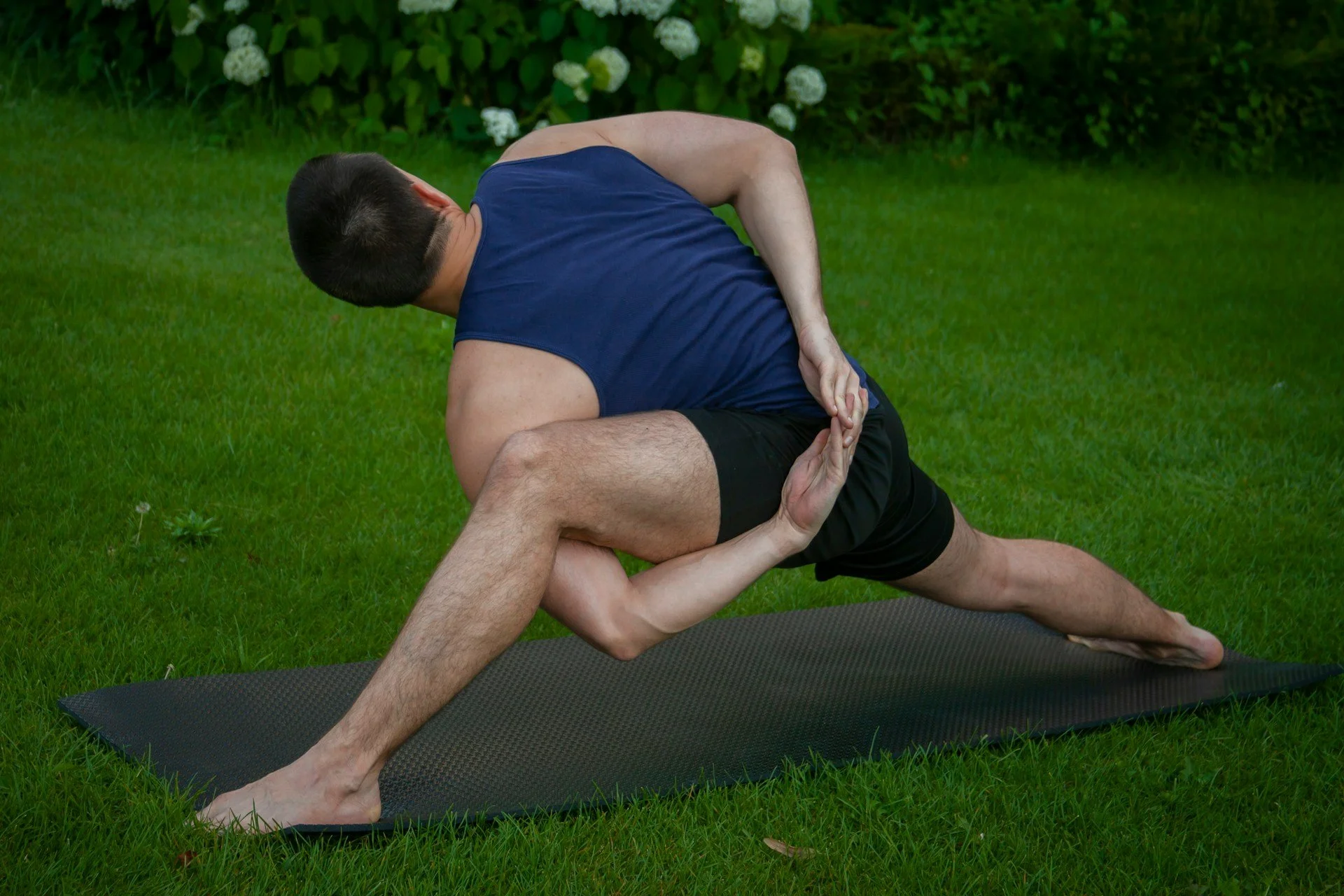
Mobility is also specific. You do not simply possess one fixed amount of it from head to toe. A shoulder can move comfortably overhead while an ankle feels restricted in a lunge. You may have the range required for cycling but not for a deep squat, or enough hip motion for walking but not for a particular yoga pose.
This is one reason broad labels such as “tight” are not always very informative. They describe a sensation, not necessarily its cause.
Why a Flexible Person Can Still Struggle With Mobility
Flexibility and mobility overlap, but they are not interchangeable.
A dancer may be able to lift a leg high with help from a barre yet have less control when holding it there without support. Someone may sink deeply into a passive hip stretch but lose balance when stepping into a lunge. A person with naturally generous joint range may still need strength and coordination to manage that range well.
The reverse can also be true. You do not need extraordinary flexibility to be mobile for the life you live. Useful mobility means having enough controlled range for the activities that matter to you, whether that is reaching an upper shelf, sitting comfortably on the floor, lifting weights, playing tennis or getting up from a low chair.
More range is not automatically better. Bone shape, joint structure, training history and individual anatomy influence how every position looks. Mobility work should help you move more capably, not force your body toward a universal pose it was never required to perform.
Stretching vs Mobility: What Stretching Actually Does Well
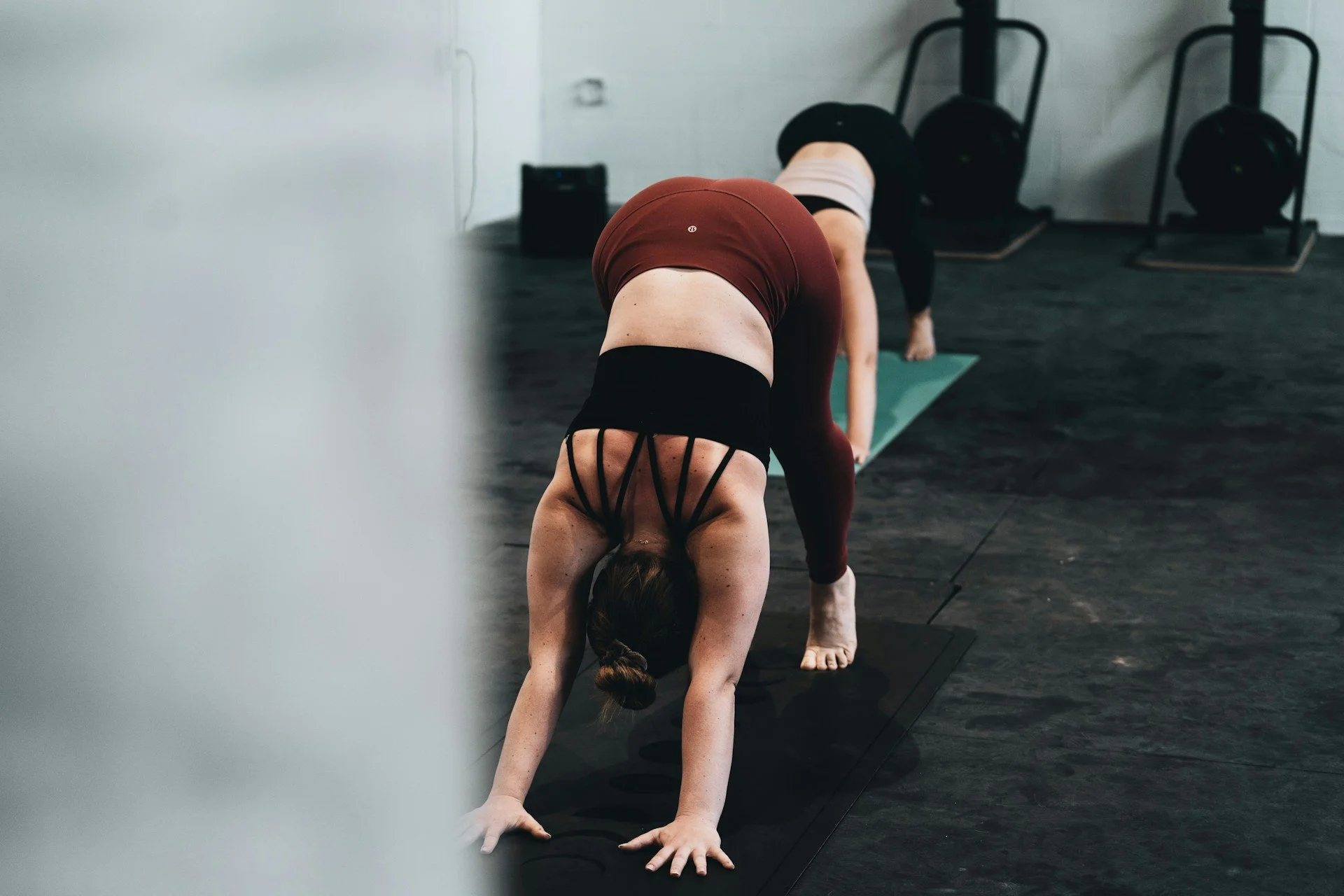
Stretching deserves more credit than the online debate sometimes gives it. It can feel calming, create a useful pause in the day and improve range of motion when practised consistently.
A 2024 systematic review and meta-analysis on long-term stretching found that stretch training performed for at least two weeks increased joint range of motion compared with no stretching. Depending on the program, those changes may involve greater tolerance to the sensation of stretch, changes in stiffness and, in some circumstances, adaptations in muscle architecture.
Stretching can therefore be a perfectly reasonable choice when your goal is to access more range. It may also be the kind of movement you enjoy, which matters more than fitness culture tends to admit.
The limitation is that a passive stretch does not automatically teach you to produce force in the new position. If you can pull your knee closer to your chest but cannot control the same hip angle during a step-up, the range exists, but it is not yet fully usable for that task. Mobility exercises usually bridge that gap by combining range with active movement, strength or coordination.
Strength Training Can Improve Range of Motion Too
This is where the research becomes especially interesting. A 2021 systematic review and meta-analysis comparing strength training with stretching found that both approaches improved range of motion, with no clear difference between them in the trials examined. The evidence base was relatively small and varied, so the finding should not be read as proof that every strength program will improve every restricted joint.
A larger 2023 systematic review in Sports Medicine included 55 studies and also found that resistance training increased range of motion. The researchers reported no significant difference between resistance training and stretch training for range-of-motion improvements. Notably, the review found this effect with externally loaded resistance training, while bodyweight-only training did not show the same clear result.
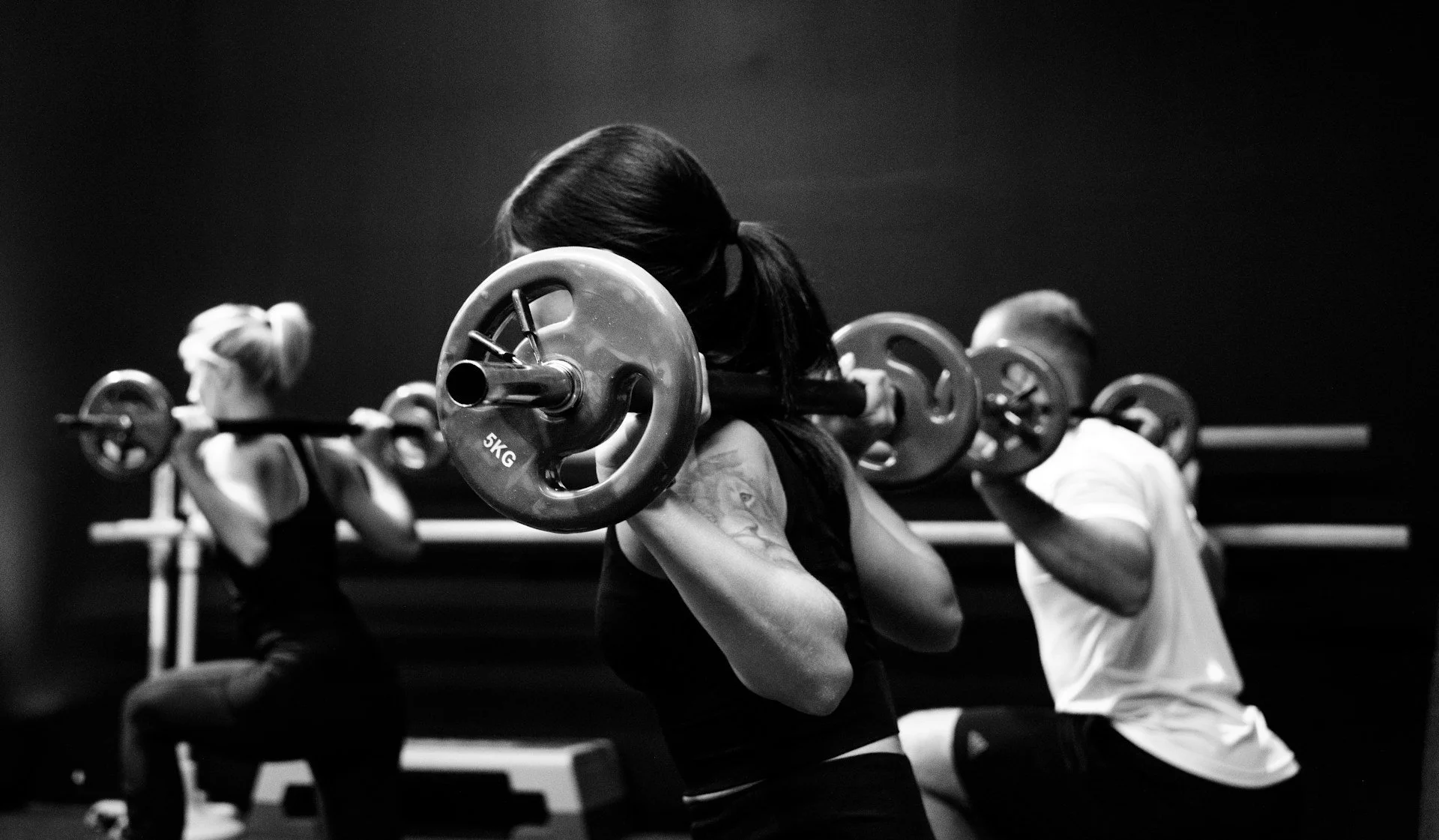
Why might strength training help? An exercise performed through a comfortable, progressively developed range exposes the body to both movement and force. A controlled split squat, for example, can train ankle and hip range while the legs learn to support the position. A slow Romanian deadlift can challenge the hamstrings at longer muscle lengths while also building strength. A well-selected overhead press can ask the shoulders and upper back to coordinate motion under a manageable load.
That does not mean every rep should be pushed as deep as possible. Range should remain appropriate to the exercise, the person and the load. It also does not make stretching obsolete. It simply gives people more than one way to work on range of motion.
This fits with the broader relationship between Pilates and strength training. Strength builds capacity. Pilates can develop control, precision and awareness. Mobility often benefits when those qualities stop living in separate boxes.
What Actually Influences Mobility?
When a movement feels limited, it is tempting to blame one short muscle. Sometimes tissue extensibility is part of the answer, but movement is produced by several systems working together.
Available range of motion
Muscles, tendons, connective tissue, the joint capsule and the shape of the joint all contribute to the range a position allows. VIMALIFE’s guide to what fascia is and how it responds to exercise explains why connective tissue matters without turning it into a catch-all explanation for every stiff feeling.
Strength near the edge of a range
It is one thing to arrive in a position with help. It is another to support yourself there. Strength near the end of your available range can make a movement feel more secure and useful.
Stability and coordination
The body has to organize motion, not just permit it. Balance, timing, breathing and the coordination of several joints can change how well a squat, reach or rotation feels.
Sensation and context
Range of motion can look different when you are warm, cold, tired, stressed or unfamiliar with a movement. The nervous system continuously evaluates sensation and how safe or manageable a position feels. This does not mean a limitation is “all in your head.” It means movement is never only mechanical.
The task itself
Mobility is meaningful when it is connected to something you want to do. The range needed for a barbell squat is different from the range needed for running, a Pilates exercise or a yoga posture. A useful plan begins with the task, not with a random list of stretches.
How to Improve Mobility Without Turning It Into a Second Workout
The internet can make mobility look like an elaborate hobby involving bands, rollers and a forty-minute floor routine. It can be much simpler.
Start by choosing one movement you want to improve. Maybe your heels rise in a squat, reaching overhead feels difficult or a lunge feels unsteady. Then use a short sequence that creates range, adds control and rehearses the actual movement.
For example:
For ankle mobility: try gentle knee-over-toe ankle rocks, then controlled calf raises or a supported split squat through a comfortable range.
For hip mobility: use slow 90/90 hip switches or adductor rock-backs, then practise a controlled squat, hinge or split squat.
For shoulder mobility: begin with wall slides or light active reaches, then use a manageable row, press or carry that lets you maintain control.
For upper-back movement: practise a comfortable rotation or extension drill, then repeat the reach, pull or overhead pattern you want to improve.
One or two relevant mobility exercises are usually more useful than collecting a dozen unrelated ones. Move slowly enough to notice what is happening, avoid forcing sharp or pinching sensations and reassess the original movement afterward. If the squat or reach feels easier, the drill may be a helpful part of your warm-up. If nothing changes after consistent practice, the limitation may need a different approach.
Progress also matters. A mobility drill that was challenging six weeks ago may eventually become easy. At that point, you can increase control, add a small amount of load, use a slightly larger comfortable range or move into a more task-specific exercise. Mobility adapts when the demand adapts.
Should You Stretch Before or After a Workout?
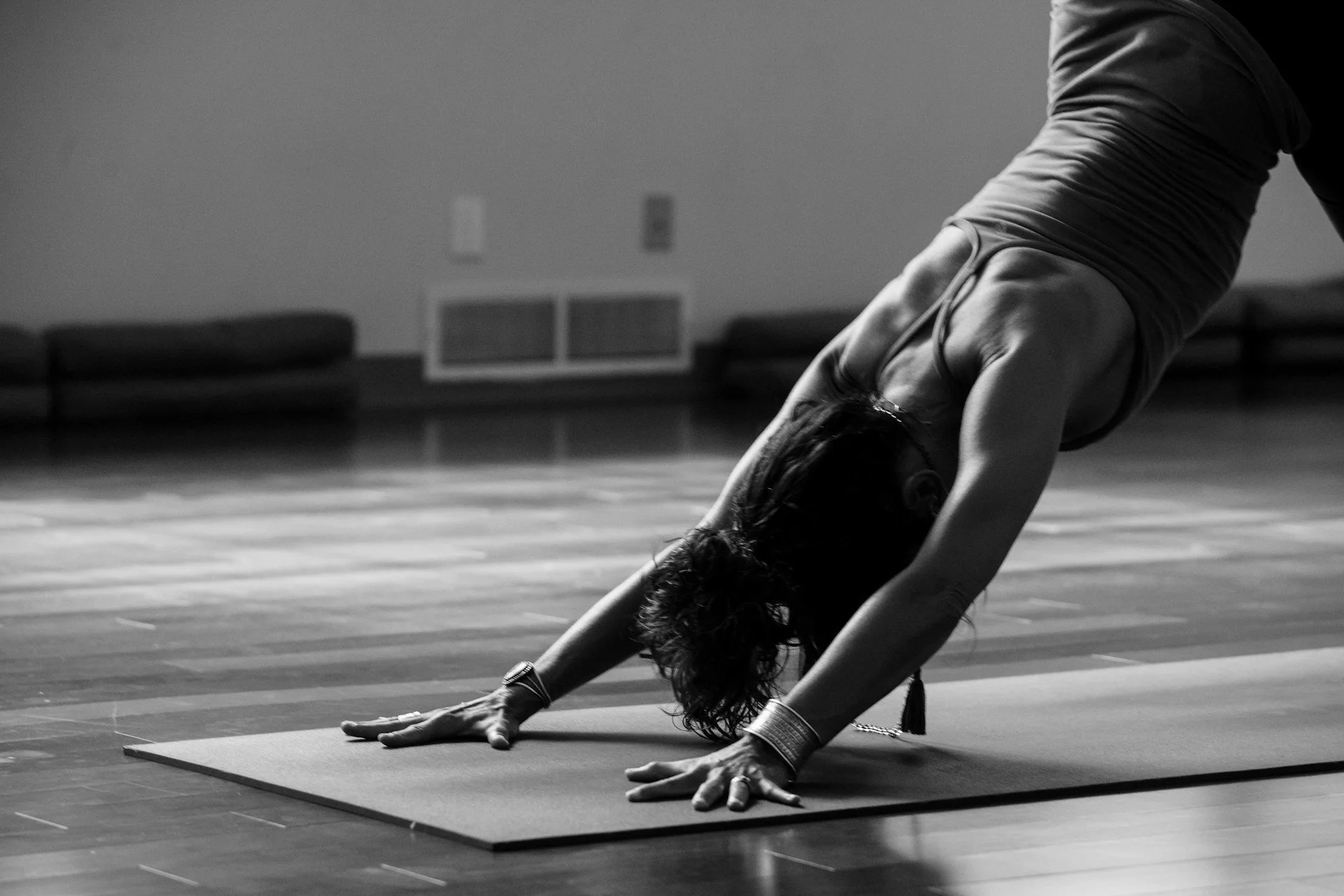
There is no rule that says static stretching belongs only at the end of a workout. The better question is what you want the warm-up to accomplish.
Before strength training, running or a faster class, dynamic movement and gradual rehearsal usually make sense. Move the relevant joints, raise your temperature and practise easier versions of the exercises ahead. If a brief static stretch helps you access a position, it can be included, then followed by active movement and warm-up sets.
Long static holds immediately before maximal strength or explosive work may temporarily reduce performance. A widely cited systematic review on stretching, performance and range of motion found that the effect depended heavily on stretch duration, with holds of about 60 seconds or longer per muscle group creating more concern than shorter stretches. For most everyday workouts, this is a programming detail rather than a reason to fear stretching.
After training or in a separate session, longer stretches may fit more naturally because immediate power is no longer the goal. Keep them if they help you unwind or work toward a specific range. Just remember that stretching is one tool in the kit, not the entire kit.
Where Yoga, Pilates and Personal Training Fit
No single class owns mobility. Yoga can combine active and passive range, balance, strength and breathing. The effect depends on the style, which is why our guide to choosing a yoga class in Leslieville separates stronger flows from Yin and restorative practices. Pilates often trains control, trunk stability and precision through range. Strength classes and gym-floor workouts can build capacity in those positions. Recovery-focused movement can give you time to explore how a joint feels without the pace of a harder workout.
If you are unsure why a particular movement feels limited, personal training at VIMALIFE can help turn a vague goal such as “I need to be more mobile” into a plan connected to the way you actually want to move. Coaching is especially useful when the issue is not a lack of exercises, but knowing which exercise belongs in your routine and how to progress it.
Persistent pain, swelling, locking, numbness, a sudden loss of range or a limitation following injury deserves assessment by an appropriate healthcare professional. Our article on physio, massage and recovery in a well-rounded fitness routine explains how clinical support and fitness training can complement one another.
The Bottom Line
The difference between mobility and flexibility is not a contest between good and bad forms of movement. Flexibility describes the range that is available. Mobility describes your ability to use an appropriate amount of that range with control. Stretching can improve flexibility and may be exactly what your body enjoys. Strength training can also improve range of motion, particularly when exercises are performed through controlled, suitable ranges. Stability, coordination and practice help turn that range into movement you can use.
So if stretching has made you feel looser but has not changed the movement you care about, you may not need to stretch harder. You may need to strengthen the range, practise the skill or choose a drill that looks more like the task.
At VIMALIFE in Leslieville, members can bring those pieces together through open gym training, strength and conditioning, Pilates, yoga, barre, personal training, mobility and recovery-focused movement. Explore the VIMALIFE class schedule to build a routine that gives you both range and the ability to use it.
Frequently Asked Questions
What is the difference between mobility and flexibility?
Flexibility generally refers to the range of motion available at a joint, particularly passive range reached with help from gravity, a prop or another person. Mobility refers to the range you can actively use and control. Strength, stability and coordination therefore contribute to mobility.
Is mobility more important than flexibility?
Neither is universally more important. Flexibility can make a position available, while mobility helps you use that position in movement. The right priority depends on the activity you want to perform and what currently limits it.
Does stretching improve mobility?
Stretching can improve the range-of-motion part of mobility. To make that range more usable, it often helps to add active movement, strength and practice in the position you want to control.
Can strength training improve flexibility?
Yes. Systematic reviews have found that resistance training can improve joint range of motion and, in the studies comparing the two, produced improvements comparable to stretching. Exercise selection, load, technique and training range still matter.
What are the best mobility exercises?
The best mobility exercises are specific to the movement you want to improve. Ankle rocks may help prepare a squat, 90/90 switches may explore hip rotation and wall slides may prepare an overhead reach. A useful drill should connect to a clear goal and be progressed when it becomes easy.
How often should you do mobility exercises?
Short, focused practice several times per week is often more realistic than one long mobility session. Mobility exercises can be included in a warm-up, between strength sets when appropriate or in a separate recovery session. Consistency and relevance matter more than creating an elaborate daily routine.