Pilates Classes in Leslieville: Mat Pilates, Sculpt and How to Choose
The first surprise in a mat Pilates class is how heavy your own leg can feel. There is no machine moving beneath you, no spring helping you return and nowhere for momentum to hide. A movement that looked almost too simple becomes a negotiation between your breath, your core and the muscles that have apparently decided to introduce themselves one at a time. If you search for Pilates classes in Leslieville, however, most of what appears on screen involves a Reformer. The sliding carriage and springs have become so closely associated with Pilates that it is easy to assume the machine is the method.
Pilates is a system of controlled, whole-body exercise that can be practiced on a mat or with specialized apparatus. Mat Pilates is one of its original foundations, while contemporary formats such as Pilates Sculpt add resistance and a more fitness-forward pace. At VIMALIFE in Leslieville, Pilates classes are mat-based and take place in VIMAZEN, the club's dedicated studio for Pilates, yoga, barre and restorative movement. The offering includes Pilates Flow, Pilates Sculpt and Express Pilates Sculpt.
The Short Answer: Which Pilates Class Should You Choose?
If you want the quickest answer:
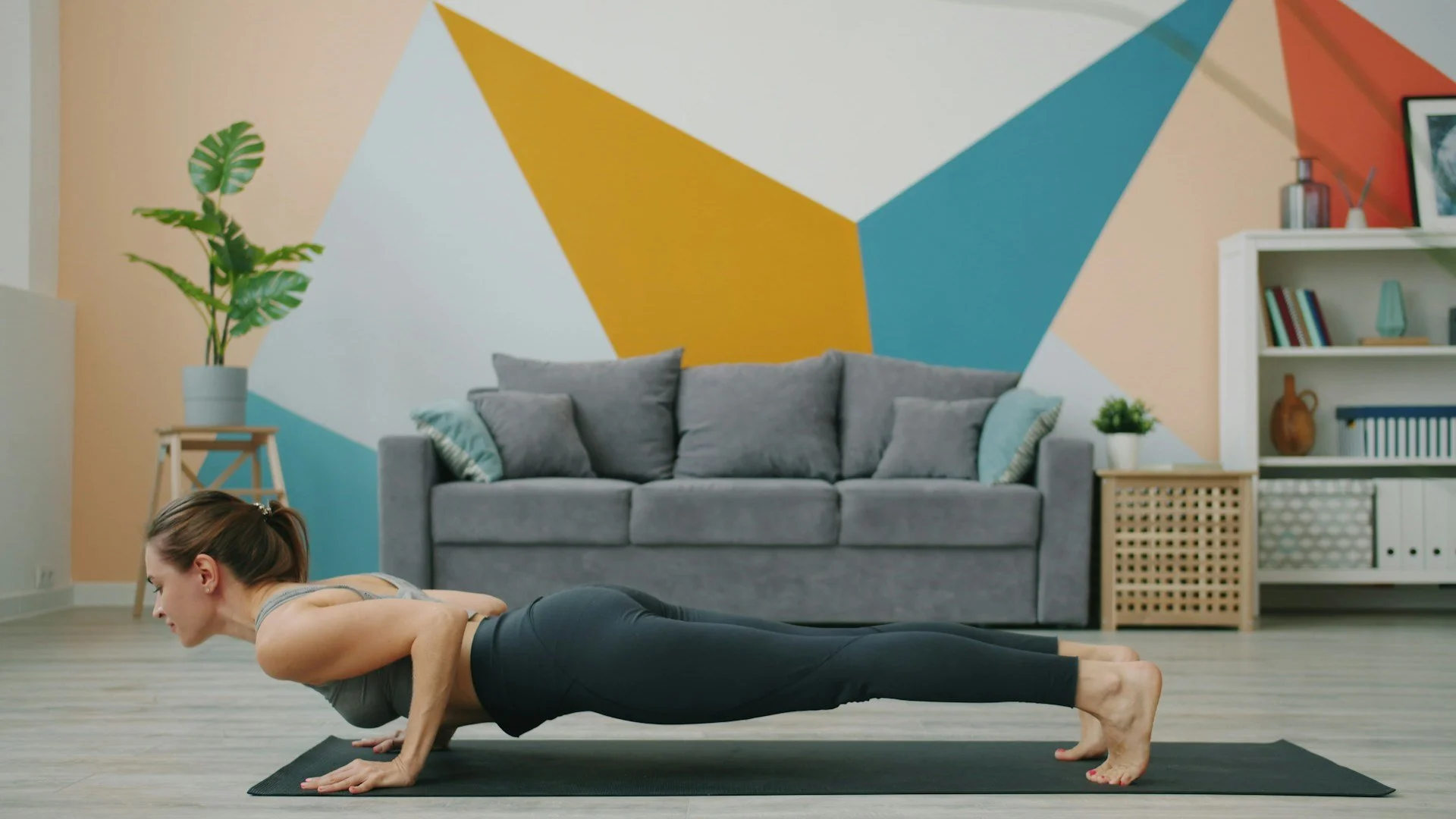
Choose Pilates Flow when you want controlled full-body movement, core stability, mobility, posture and time to focus on technique.
Choose Pilates Sculpt when you enjoy mat Pilates but want added resistance, higher-repetition work and more emphasis on the core, glutes, arms and legs.
Choose Express Pilates Sculpt when you want the Sculpt format in a focused 45-minute class.
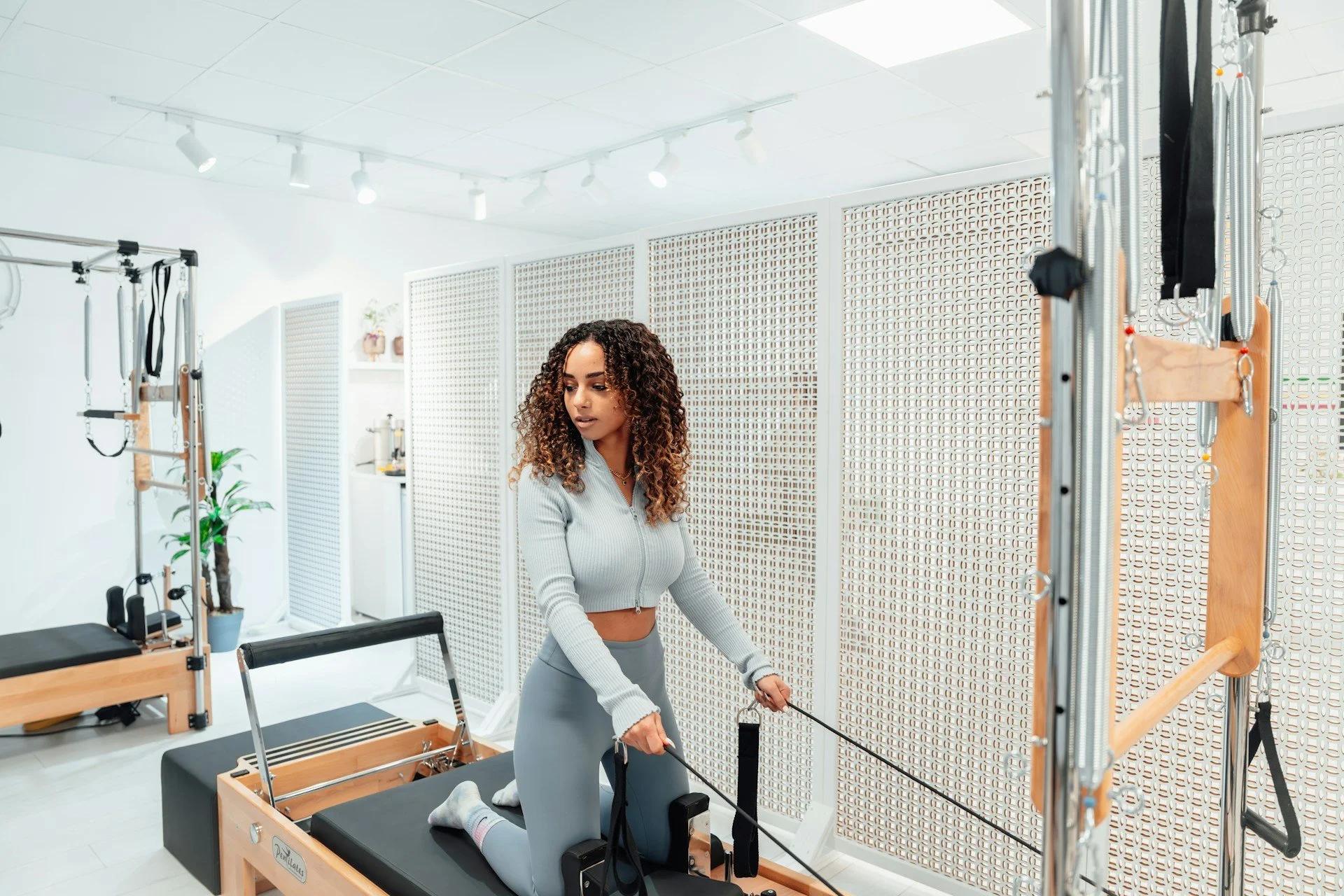
Choose Reformer Pilates when you specifically want to work with a spring-loaded carriage and apparatus-based feedback. VIMALIFE does not offer Reformer classes.
Beginners can start with either Flow or Sculpt. Flow gives you more space to learn the fundamentals, while Sculpt may feel familiar if you already enjoy upbeat group fitness. The best first class is the one whose pace and purpose make you want to return.
What Is Pilates, Exactly?
Pilates is often reduced to “core work,” but that is a little like calling swimming an arm exercise. The centre matters, but the method asks the whole body to coordinate.
A systematic review that set out to define Pilates exercise described it as a mind-body form of exercise focused on strength, core stability, flexibility, muscle control, posture and breathing. That combination explains why a Pilates class can feel muscular without being frantic and technical without requiring complicated equipment. You may move the spine, stabilize the trunk while the limbs travel and work on hip control, shoulder organization, balance and muscular endurance. Breath is not an ornamental detail. It helps organize pressure, rhythm and attention.
The goal is not to freeze the body into one “perfect” posture or brace the abdominals all day. It is to create options. This is also why Pilates can be surprisingly difficult. Low impact describes the amount of pounding involved, not the effort required.
The Joseph Pilates Method Began as “Contrology”
Pilates did not begin as a social media aesthetic, although Joseph Pilates would probably have appreciated the dramatic black-and-white photography.
Joseph Hubertus Pilates developed his ideas in the early twentieth century within the era's broader “physical culture” movement. According to the Pilates Method Alliance's history of the method, his thinking drew on physical training, mental discipline, breath work, dance and his experience teaching exercise during and after the First World War. He later brought the work to New York, where Joseph and Clara Pilates taught a growing community that included many dancers.
He called the system Contrology, a name that makes its priorities clear. The intention was not simply to finish repetitions. It was to direct movement with concentration, coordination and control. Joseph Pilates published Your Health in 1934 and Return to Life Through Contrology in 1945. The latter presented his philosophy alongside a sequence of mat exercises. At the same time, he developed apparatus such as the Universal Reformer, Wunda Chair and Trapeze Table to assist, resist or clarify movement.
Mat and apparatus work therefore grew within the same larger method. One is not the authentic original while the other is a substitute. They change the environment in which you solve the movement problem.
Modern Pilates has continued to evolve. Some classes stay close to a classical order. Others use contemporary sequencing, music, small props or fitness elements. A class does not have to look exactly like a page from 1945 to use the method thoughtfully, but it should be clear about what it is.
What Is Mat Pilates?
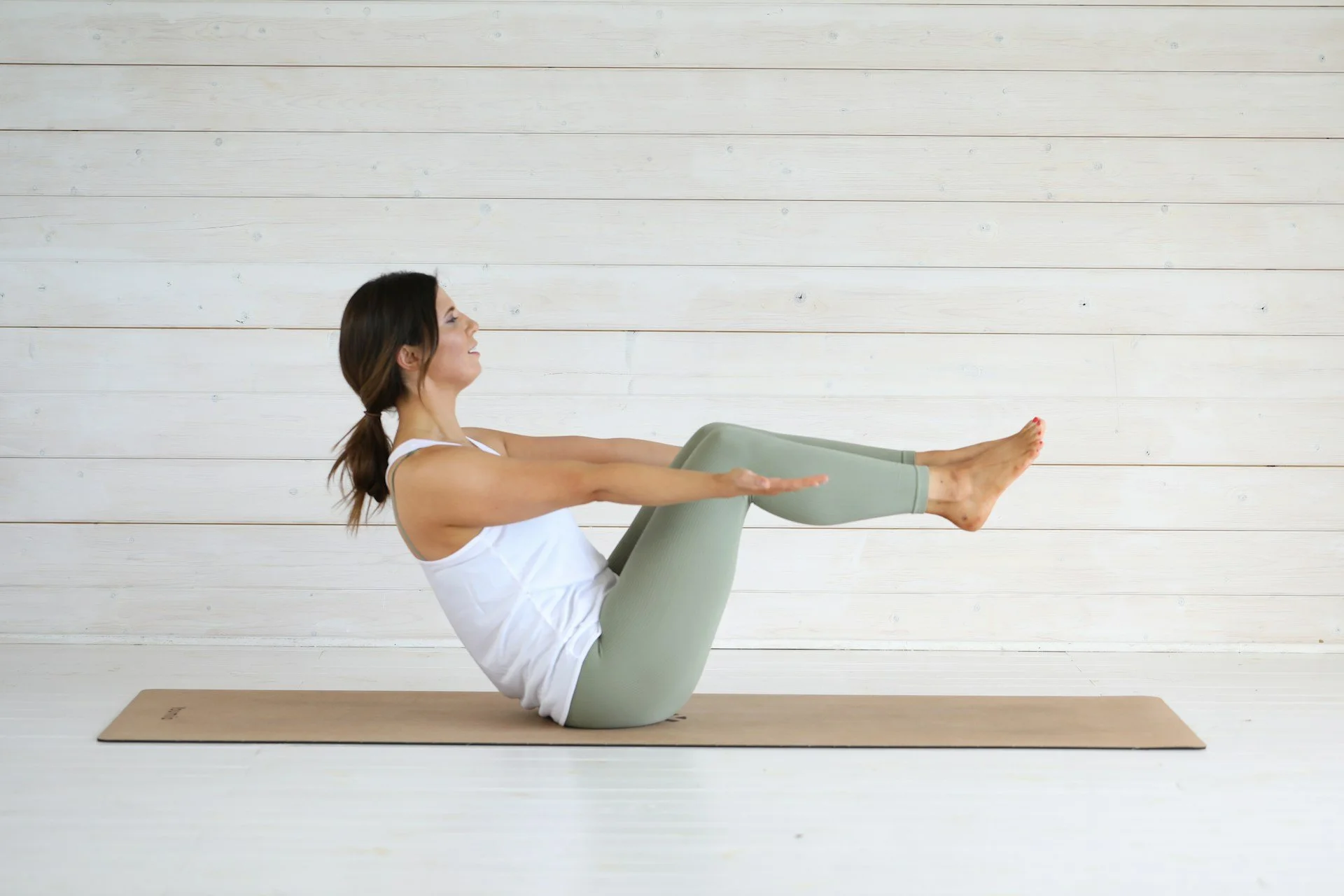
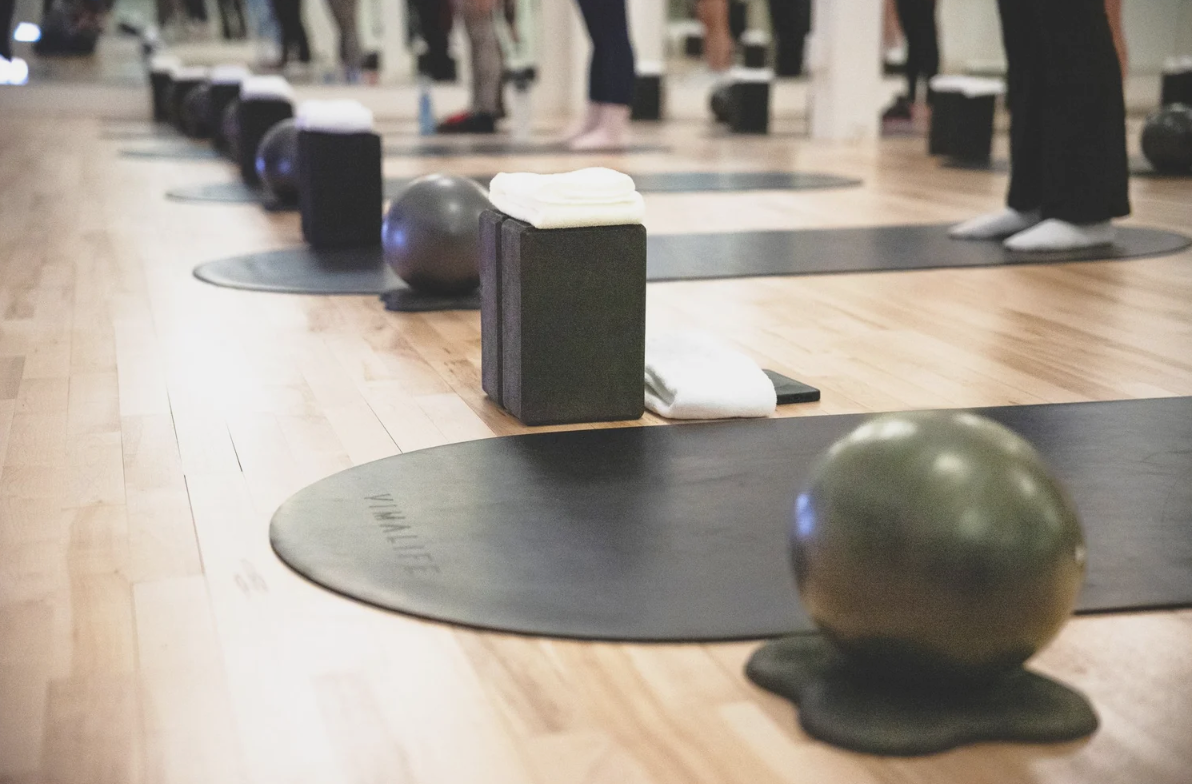
Mat Pilates uses your body, gravity and the floor as the primary training environment. A class may also use small props such as a ball, band, ring, block or light weight, but there is no moving carriage or spring system beneath you. Reformer springs can add resistance, but they can also provide assistance and feedback. On the mat, you create the shape and control the return using your own strength. Neither experience is universally harder.
At VIMALIFE, Pilates Flow is the more traditional mat-focused option. It is described as a controlled full-body Pilates flow centred on core strength, stability, mobility, posture and body awareness. The word “flow” does not mean rushing. It means movements connect with enough continuity that the class feels like one organized practice rather than a collection of unrelated abdominal exercises.
Mat Pilates may suit you if you want to:
Learn how to control movement without relying on a machine
Build core and full-body muscular endurance
Improve coordination, balance and body awareness
Add a lower-impact training day between heavier workouts
Develop a practice you can revisit outside the studio
You do not need to be flexible, coordinated or “good at core” before attending. Those are reasons to practise, not entrance requirements.
What Is Pilates Sculpt?
Pilates Sculpt is a contemporary group fitness format rather than one fixed classical repertoire. The name can mean different things at different studios, so reading the class description is more useful than assuming every Sculpt class is identical. At VIMALIFE, Pilates Sculpt is mat Pilates with added resistance, higher-repetition burn sets and targeted work for the core, glutes, arms and legs. It keeps the concentration and control associated with Pilates, then turns up the muscular endurance component.
“Sculpt” describes the style, not a special biological process. Muscles respond to training load, recovery and consistency. A class cannot selectively remove fat from one area, and feeling a burn does not automatically make an exercise more effective. The format can still provide a focused, motivating muscular endurance workout.
Pilates Sculpt may be a good fit if you:
Like Pilates principles but prefer a more upbeat workout
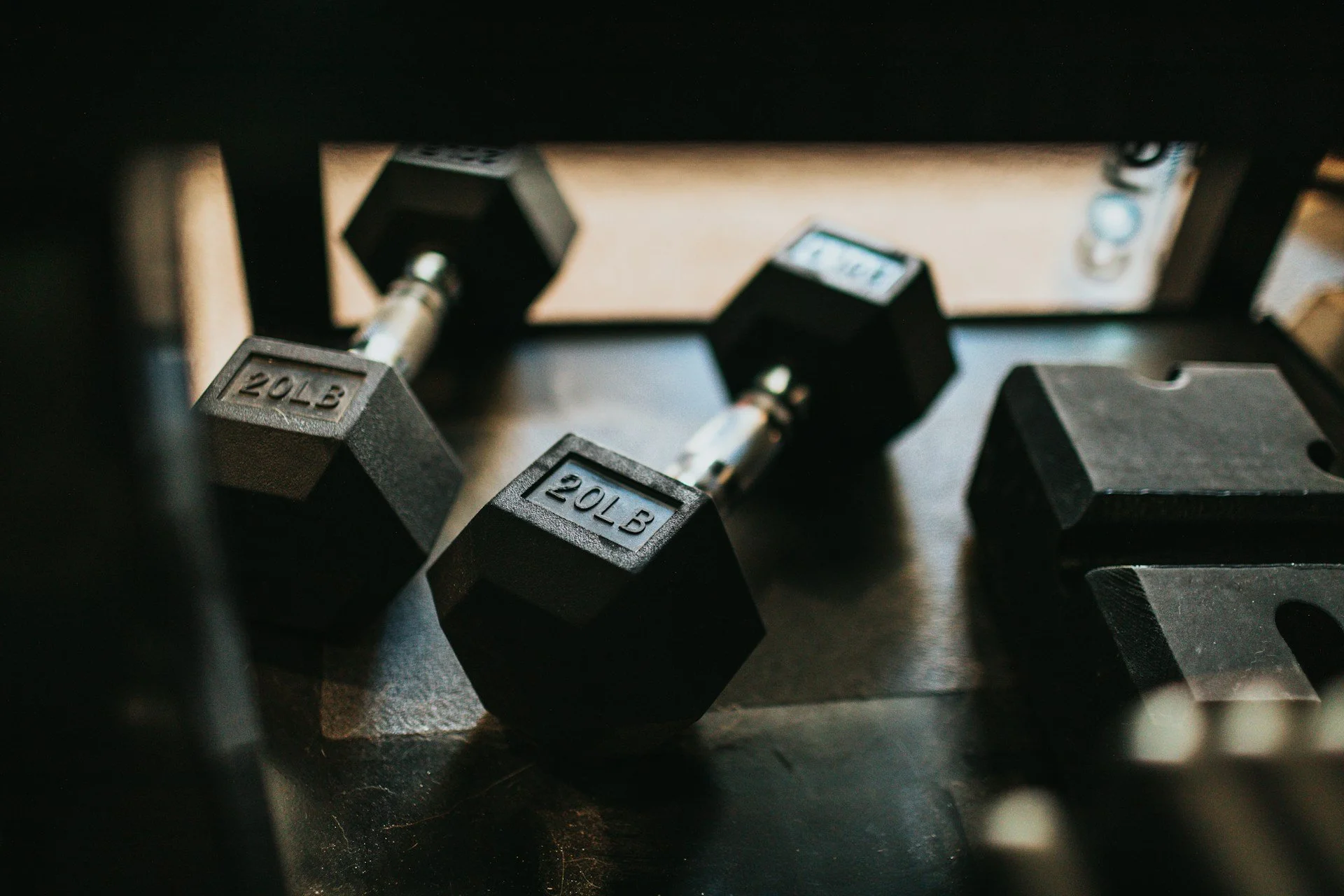
Enjoy light resistance and higher-repetition strength work
Want targeted work for the core, glutes, arms and legs
Prefer instructor-led movement to an independent workout
Want a lower-impact class that still feels demanding
Need an efficient option such as Express Pilates Sculpt
The best weight or variation is the one you can control. Choosing the heaviest prop in the room is not an advanced Pilates technique.
Mat Pilates vs Reformer Pilates vs Pilates Sculpt
All three can be worthwhile. They simply create challenge in different ways.
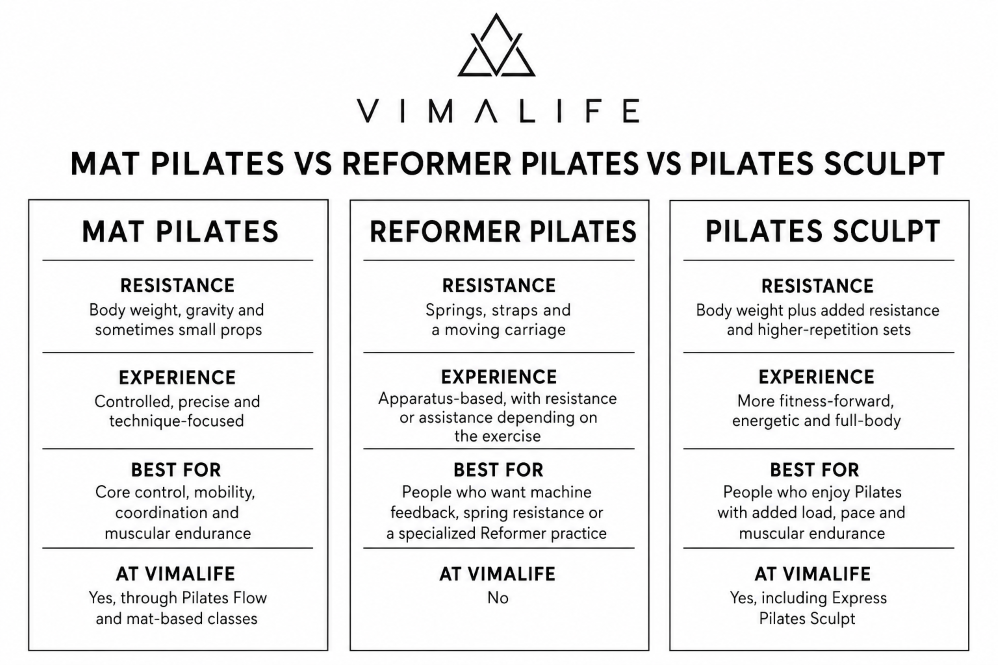
The Pilates Foundation's comparison of mat and apparatus work makes an important point: apparatus is not always harder, and mat is not always easier. Springs can challenge or support. Gravity can be simple or merciless. Good instruction and suitable progressions matter more than choosing the format that looks most advanced online.
What Are the Benefits of Pilates?
Pilates can train core stability, muscular endurance, flexibility, balance, coordination and body awareness. The results depend on the class design, frequency, instructor, starting point and what Pilates is being compared with.
In a 12-week study of healthy adults practising mat Pilates, participants improved measures of abdominal endurance, upper-body muscular endurance and hamstring flexibility.
The useful reality check is that Pilates is not consistently superior to every other kind of exercise. A 2022 systematic review comparing Pilates with other exercise found very low to low-certainty evidence of no meaningful difference between Pilates and other exercise modalities for several measures of strength, balance and flexibility. That is not a failure of Pilates. It suggests Pilates is one valid route to qualities that can also be trained in other ways.
Pilates is also frequently recommended for back pain, which deserves careful language. A Cochrane review on Pilates for non-specific low back pain found low to moderate-quality evidence that it may reduce pain and disability compared with minimal intervention. The review did not find conclusive evidence that Pilates was superior to other forms of exercise.
If Pilates is the exercise you enjoy and can practice consistently, that matters. If you have persistent pain, a recent injury, numbness, weakness or changing symptoms, a group class is not a diagnosis or rehabilitation plan. VIMALIFE's guide to physio, massage and recovery explains where clinical care and fitness can support one another.
Can Pilates Replace Strength Training or Cardio?
Pilates is strength work, but the word “strength” covers more than one adaptation.
A challenging Pilates class can improve control and muscular endurance. It may not provide the progressive external load that is most efficient for building maximal strength or muscle mass, and it may offer less bone-loading stimulus than heavier resistance training. A faster Sculpt class may raise your heart rate, but it may not provide the sustained conditioning of running, cycling or a dedicated cardio workout.
Canada's 24-Hour Movement Guidelines for adults recommend a mixture of moderate-to-vigorous aerobic activity and muscle-strengthening work, along with light activity, good sleep and less sedentary time. One class does not have to satisfy every part of that picture.
This is why our article on Pilates vs strength training for longevity does not ask you to join a side. Pilates can refine control and movement quality. Resistance training builds load tolerance. Cardio trains another part of the system.
At VIMALIFE, that might mean two strength sessions, one Pilates class, one conditioning workout and one yoga or mobility class. The point is not to collect classes. It is to build a rhythm that survives your real calendar.
Which Pilates Class Is Best for Beginners?
Pilates Flow is a natural starting point because its controlled pace creates room to notice positioning and breath. A beginner who already enjoys group fitness may feel immediately at home in Sculpt. If you want springs, straps and moving equipment, look for a dedicated Reformer studio. Your first class should challenge you without leaving you stranded. A good instructor offers options and leaves space for different bodies. You should be able to reduce a range, bend a knee, lower a prop or pause without feeling that you have failed the sequence.
If you are pregnant, postpartum, returning after surgery or managing an injury or health condition, tell the instructor and seek appropriate clinical guidance when needed. The goal is to find the version of the work that belongs to you today.
What to Expect at a VIMALIFE Pilates Class
Pilates takes place in VIMAZEN, VIMALIFE's dedicated mind-body studio at 276 Carlaw Avenue, Unit 101, in Leslieville. The 11,000-plus-square-foot club also includes VIMAFIT for strength and conditioning, an open gym, personal training and recovery-focused classes. The current VIMALIFE class schedule includes Pilates across weekday mornings, midday periods, evenings and weekends. Schedules change seasonally, so check the live page or VIMALIFE app for current times and availability.
Arrive a few minutes early and tell the instructor you are new. Wear clothing that lets you move comfortably and bring water. Prioritize a range you can control, keep breathing and change any movement that creates sharp, pinching or unusual pain.
You may shake. You may discover that counting to ten becomes strangely philosophical during a hold. You may also leave feeling taller, not because Pilates changed your skeleton in 45 minutes, but because you spent that time paying attention to how you move.
Why Take Pilates at an All-in-One Fitness Club?
A dedicated Pilates studio makes sense when Pilates is the one thing you want to practise. An all-in-one club makes sense when it is one part of a broader routine. VIMALIFE offers more than 200 monthly classes across two studios, with Pilates, yoga, barre and restorative movement in VIMAZEN, and strength, HIIT, conditioning and mobility in VIMAFIT.
That variety lets your routine respond to real life. One day you may want Pilates Flow, another a strength class or one of the options in our guide to yoga classes in Leslieville. When you need a plan rather than another option, personal training at VIMALIFE can add individualized structure.
The SUMMIT membership includes unlimited boutique fitness classes and open gym access. FOUNDATION is for independent open gym training and does not include unlimited classes.
Where Can You Take Mat Pilates in Leslieville?
VIMALIFE offers mat-based Pilates at 276 Carlaw Avenue, near Queen Street East in Leslieville. The club is accessible from Riverside, Riverdale, Corktown, East Harbour, The Beaches and other east-end neighbourhoods, with 1.5-hour on-site parking validation.
If you are comparing Pilates classes in Toronto's east end, begin with the format rather than the trend. Decide whether you want mat work or a Reformer, a precise flow or a faster Sculpt class, one specialized modality or a complete fitness membership. Then try the room.
A class description tells you what should happen. One visit tells you whether you like the instructor, pace and space. New guests can claim a complimentary VIMALIFE guest pass to experience a class, the gym floor or both.
Explore Pilates and fitness classes at VIMALIFE, compare VIMALIFE membership options or visit the club in Leslieville to find the class that fits your week.
Frequently Asked Questions About Pilates Classes in Leslieville
Does VIMALIFE offer Reformer Pilates?
No. VIMALIFE's Pilates classes are mat-based. The current offering includes Pilates Flow, Pilates Sculpt and Express Pilates Sculpt in the VIMAZEN studio. Reformer Pilates uses a specialized machine with a moving carriage, springs and straps, which VIMALIFE does not offer.
What is the difference between mat Pilates and Reformer Pilates?
Mat Pilates uses body weight, gravity and sometimes small props. Reformer Pilates uses a spring-loaded moving carriage that can add resistance, provide assistance and offer movement feedback. Neither format is automatically harder or better. The right choice depends on your goals, preferences, instructor and the specific class.
What is the difference between Pilates Flow and Pilates Sculpt?
Pilates Flow emphasizes controlled full-body movement, core stability, mobility, posture and body awareness. Pilates Sculpt adds resistance, higher-repetition sets and more targeted work for the core, glutes, arms and legs. Sculpt generally feels more fitness-forward and energetic.
Is Pilates Sculpt suitable for beginners?
Yes, Pilates Sculpt can be suitable for beginners when the instructor offers clear options and the participant chooses a manageable load and range of motion. Beginners who prefer a slower introduction to Pilates technique may feel more comfortable starting with Pilates Flow.
Do you have to be flexible to start Pilates?
No. Pilates can help you practise mobility, control and flexibility, but you do not need a particular range of motion before attending. Exercises should be adapted to the body and experience you bring to class.
Is mat Pilates effective without a Reformer?
Yes. Mat Pilates can challenge core stability, muscular endurance, mobility, balance, coordination and movement control using body weight and gravity. A Reformer creates different options for resistance and assistance, but it is not required for an effective Pilates practice.
Is Pilates good for back pain?
Pilates may help some people with non-specific low back pain, particularly compared with minimal activity, but research has not shown it to be universally superior to other forms of exercise. Persistent or changing pain should be assessed by an appropriate healthcare professional, and a general group class should not be treated as individualized rehabilitation.
How often should a beginner do Pilates?
One or two Pilates classes per week is a realistic starting point for many beginners. Frequency should reflect your goals, recovery and other training. Pilates can be combined with strength training, cardio, walking, yoga and recovery-focused movement.
Where is VIMALIFE located?
VIMALIFE is located at 276 Carlaw Avenue, Unit 101, in Leslieville, Toronto, near Queen Street East. It is convenient for people coming from Riverside, Riverdale, Corktown, East Harbour, The Beaches and Toronto's east end.