
Exercise Snacks: Do Five-Minute Workouts Actually Count?
Five minutes has a PR problem. It is enough time to answer an email, wait for coffee or stand in the kitchen wondering why you walked in there. It does not sound like enough time to improve your fitness. A workout, we have been taught, should require a change of clothes, a serious block in the calendar and perhaps a small amount of dread.
Exercise snacks challenge that idea.
These brief bursts of purposeful movement fit between the fixed parts of a day. You might climb stairs before a meeting or complete a short bodyweight circuit while dinner cooks.
So, do five-minute workouts count? Yes. Short workouts add to your total physical activity and, when they are repeated and sufficiently challenging, research suggests they can improve cardiorespiratory fitness. They can also make exercise easier to begin and easier to repeat.
But an exercise snack is not a loophole that makes five minutes of anything equivalent to a complete training program. The result depends on what you do, how hard you work, how often you repeat it and what else your body needs.
What Are Exercise Snacks?
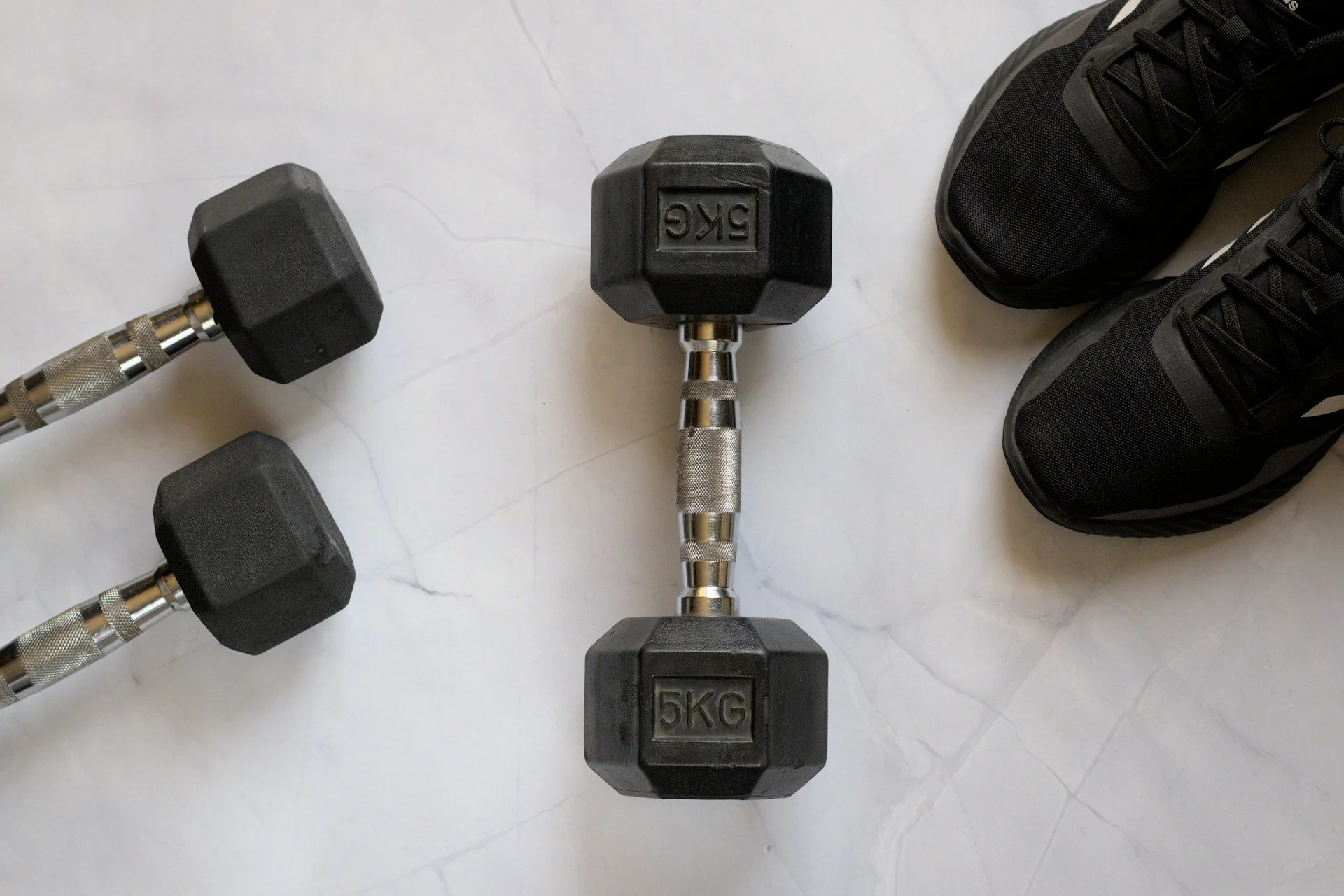
Exercise snacks are brief, planned bouts of exercise performed one or more times throughout the day, often with hours of rest between them. They are usually short enough to complete without setting aside a conventional workout window.
There is no single definition used in every study. An influential review of exercise snacks described them as isolated bouts of vigorous exercise lasting one minute or less, performed periodically during the day. More recent research has included structured bouts lasting up to five minutes, usually completed at least twice per day and several days per week.
That variability matters. A 30-second stair climb, a three-minute cycling effort and a five-minute bodyweight circuit may all appear in the exercise-snack conversation, but they are not identical doses. The common ingredients are simple:
The bout is brief.
The movement is intentional rather than accidental.
It is usually moderate to vigorous, and often vigorous in the research.
It is repeated across the day or week.
It is separated from other bouts by a meaningful rest period.
The snack metaphor describes the distribution. Three one-minute stair-climbing efforts performed hours apart are more like three snacks than one three-minute interval workout.
Do Five-Minute Workouts Count Toward Your Weekly Exercise?
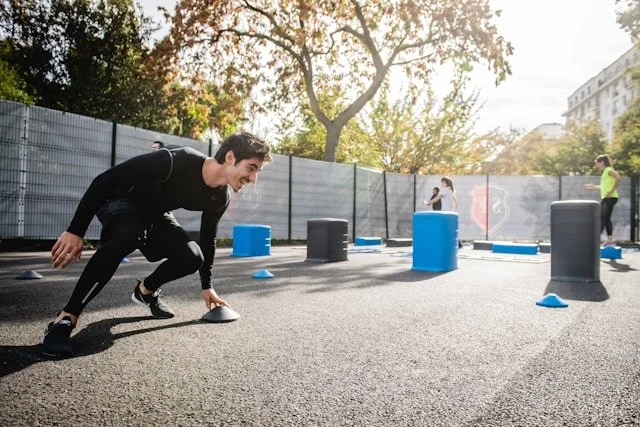
Yes. Five-minute workouts contribute to your overall activity, and several short bouts can accumulate into a meaningful amount of movement.
That does not erase the larger weekly picture. The Canadian 24-Hour Movement Guidelines recommend that adults accumulate at least 150 minutes of moderate-to-vigorous aerobic activity per week and perform muscle-strengthening activities at least twice weekly. The World Health Organization gives a similar target of 150 to 300 minutes of moderate aerobic activity, or 75 to 150 minutes of vigorous activity, plus strength work on two or more days.
Five minutes is not the whole target, but it is not “nothing.” Three five-minute exercise snacks on five days of the week add up to 75 minutes. Intensity affects how that time fits the guidelines, but small blocks can become real volume.
This is especially helpful on days when the alternative is no movement at all. It also matches a broader truth about fitness consistency: routines are often built by making the next action easier to start, not by waiting for the perfect hour to appear.
What Does the Research Say About Exercise Snacks?
The short answer is promising, with an important asterisk.
A 2025 systematic review and meta-analysis pooled 27 studies involving 970 adults. The authors reported improvements in maximal oxygen uptake, a measure related to cardiorespiratory fitness, as well as several measures of blood pressure, blood glucose, cholesterol and body composition. They did not find a significant effect on body mass or triglycerides.
That sounds sweeping, but the limitations deserve the same volume as the headline. Of the 27 studies, only four were rated high quality. Eleven were rated moderate quality and 12 low quality. The interventions were short, generally eight to 15 weeks, and the authors reported substantial differences among some study protocols and participants. Those issues can make pooled effects look more certain or more universal than they are.
Another 2025 systematic review and meta-analysis looked at 14 controlled studies involving 483 adults. It found improvements in maximal oxygen uptake and peak power, along with reductions in total and LDL cholesterol. It did not find significant changes in body weight, body fat, HDL cholesterol or triglycerides. The authors rated the certainty of the evidence for maximal oxygen uptake as very low and noted concerns about bias in the included trials.
A third systematic review focused on physically inactive people included 11 randomized trials with 414 participants. Structured bouts of up to five minutes improved cardiorespiratory fitness, while the evidence for muscular endurance was much less certain. The review did not find significant changes in body composition, blood pressure or blood lipids. It did, however, report high compliance and adherence, which may be one of the most practical findings in the entire conversation.
When these reviews are read together, the fairest conclusion is this: Exercise snacks appear most consistently useful for improving cardiorespiratory fitness, particularly in people who are currently inactive. Their effects on weight, body fat, blood pressure, blood sugar and cholesterol are promising in some analyses but not settled.
That is not disappointing evidence. It is realistic evidence. A tiny intervention can be valuable without becoming a tiny cure for everything.

Why Can Such Short Workouts Make a Difference?
The body does not own a stopwatch that refuses to notice effort until minute 30.
When a short bout is challenging enough, your muscles need more energy, your breathing increases and your cardiovascular system works harder to deliver oxygen. Repeat that demand and the body has a reason to adapt.
This is visible in stair-climbing research. In a 2019 randomized trial, sedentary young adults completed three vigorous stair-climbing bouts per day, with one to four hours between them, three days per week for six weeks. Cardiorespiratory fitness improved compared with the control group. A 2024 trial using three 30-second all-out stair efforts, separated by more than an hour, also found an improvement in relative peak oxygen uptake after six weeks.
The words vigorous and all-out are doing real work in those sentences. These studies did not ask participants to wander toward a staircase while checking their phones. The efforts were short partly because they were demanding. Exercise snacks also reduce friction. There is less planning and less opportunity for the day to get in the way. A five-minute workout can feel possible when a 50-minute one does not, and a modest plan you repeat is more useful than an ideal program you rarely complete.
Do Exercise Snacks Have to Be All-Out?
No. Many studies used vigorous stairs or cycling to create a strong stimulus in very little time. Others have tested moderate-to-vigorous bodyweight work. The right effort depends on your fitness, the exercise and your health. A simple talk test can help:
Light effort: You can talk and sing comfortably.
Moderate effort: You can talk, but singing would be difficult.
Vigorous effort: You can say a few words at a time before needing a breath.
For a general five-minute exercise snack, an effort around 6 to 8 out of 10 may be enough to make the bout feel purposeful without turning every break into a personal emergency. Beginners may start lower. Someone already well trained may need more speed, resistance or complexity to create an equivalent challenge.
The goal is not to win five minutes. The goal is to choose a dose you can perform safely and repeat consistently.
Can Exercise Snacks Replace a Full Workout?
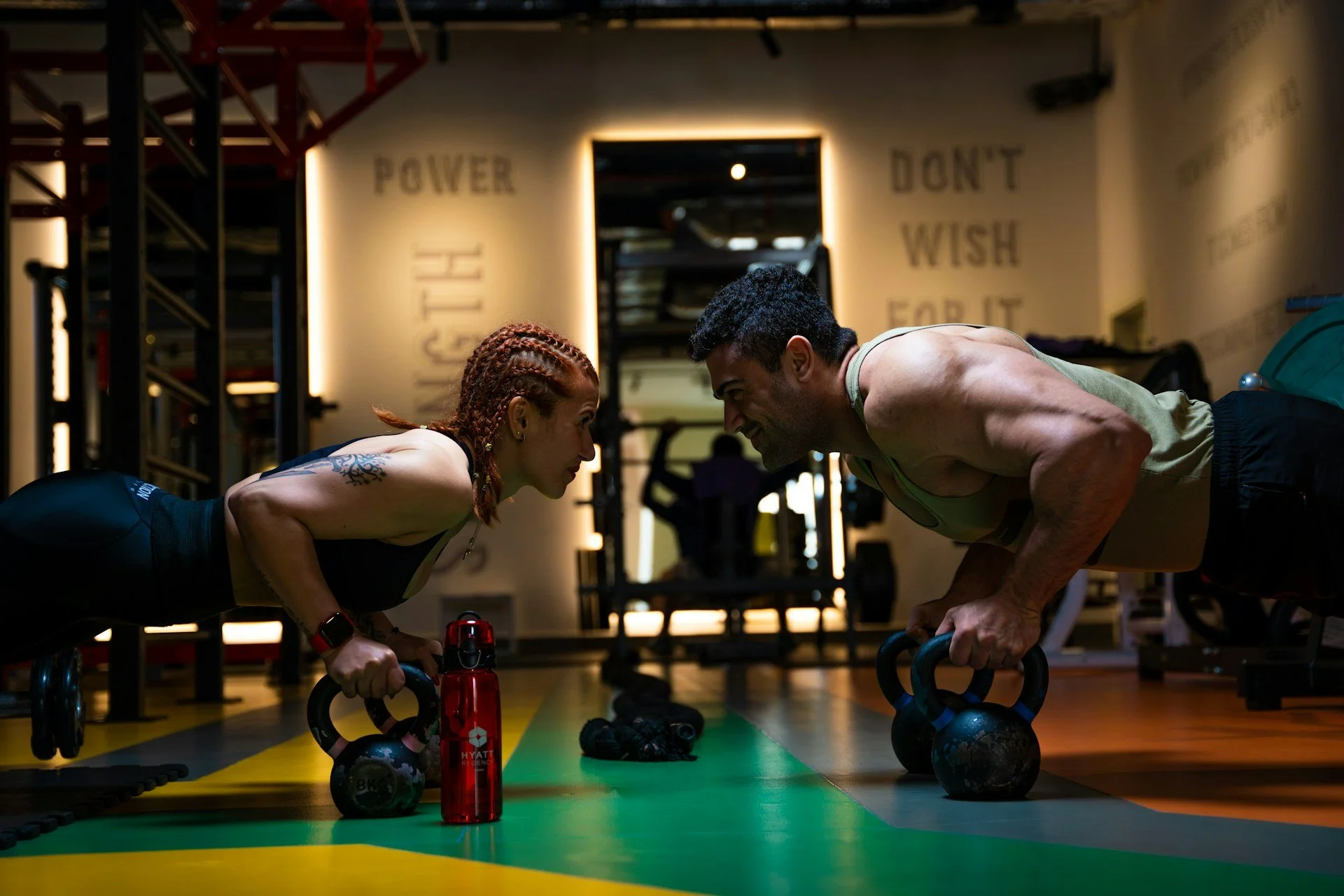
Sometimes they can replace the workout you were not going to do. That is useful. They do not automatically replace everything a longer, well-designed session can provide.
A complete routine develops aerobic fitness, strength, movement skill, mobility and balance while leaving room for recovery. A five-minute cardio snack might train your heart and lungs while giving your pulling muscles very little work. A squat circuit may challenge your legs without providing enough load or weekly volume to build the strength you want.
This is also why exercise snacks are different from Zone 2 cardio. Zone 2 is generally sustained, conversational aerobic work. Exercise snacks are brief and often more intense. Both can belong in one week because they train overlapping but different qualities.
The same principle applies to strength. Research on minimal-dose resistance training is encouraging, but a 2024 review of low-volume strength strategies found that the evidence for resistance “snacks” was still emerging. Short sets can help maintain a habit and add useful work, but progression still matters. To keep building strength, the muscles eventually need an appropriate increase in load, repetitions, range or difficulty. Think of exercise snacks as a tool, not an identity. They can begin a routine, fill gaps in a busy week or add movement between formal workouts.
Five Exercise Snack Ideas That Fit Into a Real Day
The best exercise snack is simple enough to remember and appropriate for the space you have. You should not need to watch a 12-minute tutorial before starting your five-minute workout.
1. The stair snack
Walk up one or more flights at a brisk, controlled pace for 30 to 60 seconds. Recover by walking slowly or standing comfortably, then repeat two or three times. Use a handrail if needed and keep your footing secure. You do not need to sprint. If stairs are uncomfortable, use a hallway, treadmill incline or outdoor hill.
2. The sit-to-stand snack
Stand up from a stable chair and sit down with control for 30 to 45 seconds. Rest briefly, then alternate with wall or counter push-ups. Complete two or three rounds. Adjust the challenge with chair height, hand position, speed or range.
3. The brisk walking snack
Walk quickly for five minutes, indoors or outside. Let your arms swing and choose a pace that noticeably changes your breathing. It may not look dramatic, which is part of its appeal. Our guide to walking, gait and low-impact cardio explains how pace, terrain and purpose change the training effect.
4. The strength snack
Choose one push, one squat or hinge and one pull if you have suitable equipment. Perform one controlled set of each with a resistance you can manage well. Try goblet squats, counter push-ups and a resistance-band row. Stop before technique unravels and use movements that fit your experience and equipment.
5. The movement reset
Try five minutes of shoulder circles, wall slides, slow hip hinges, calf raises and comfortable trunk rotations after a long stretch of sitting. If the effort stays light, this is a movement snack. It may not improve aerobic fitness like brisk stairs, but it can interrupt sedentary time. Different goal, still useful.
A Simple Five-Minute Workout With No Equipment
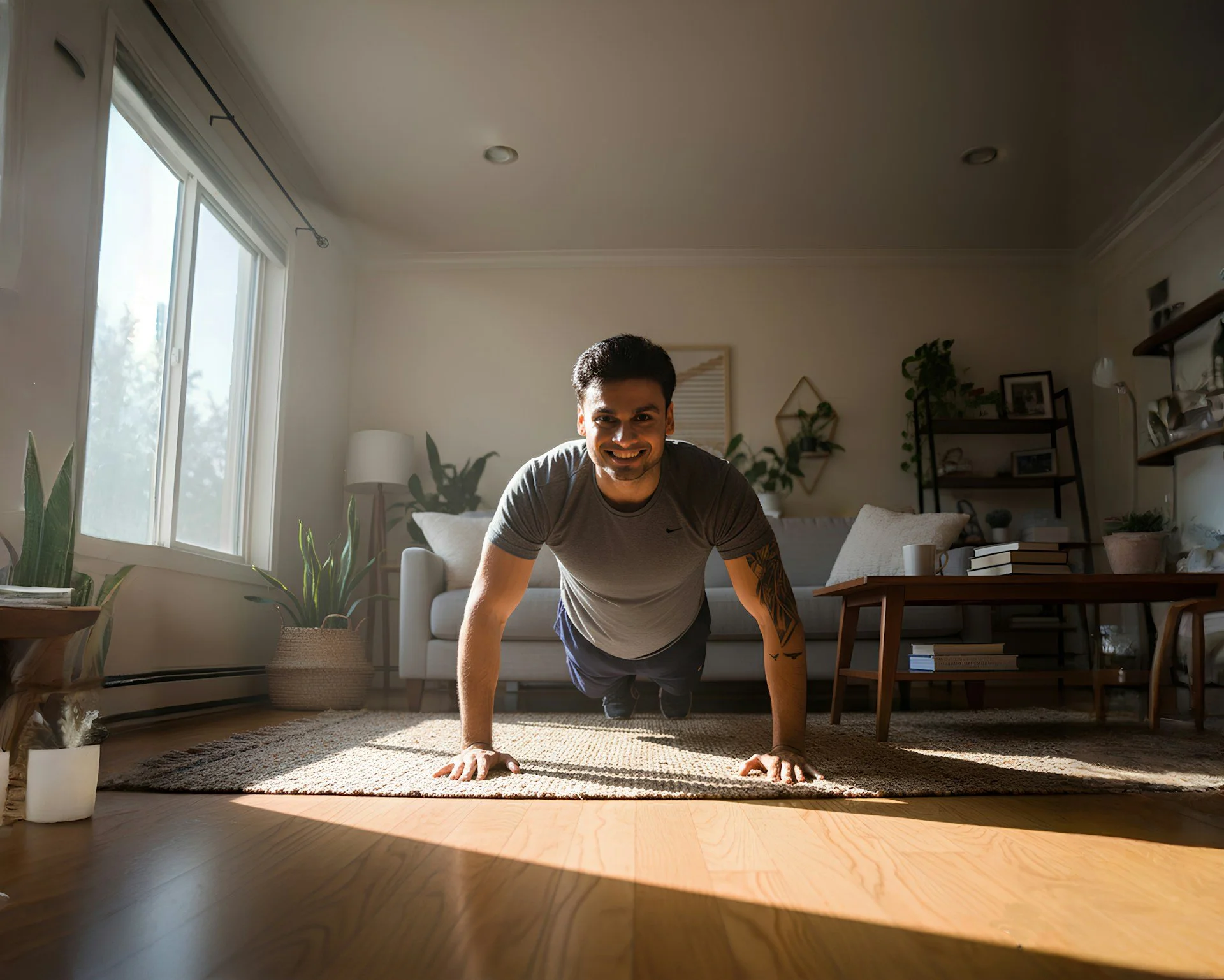
If you want one repeatable option, try this sequence at a controlled pace:
Minute 1: Brisk march in place or walk quickly around the room.
Minute 2: Sit-to-stands from a stable chair or comfortable bodyweight squats.
Minute 3: Wall or counter push-ups.
Minute 4: Alternating reverse toe taps, supported split squats or low step-ups.
Minute 5: Return to brisk marching or walking.
Keep the movements smooth and leave a few seconds to transition when needed. Use a wall or chair for balance. Reduce the range, pace or repetitions if you cannot maintain control.
This is a practical five-minute workout, not a protocol copied from one specific trial. If your goal is to build fitness, repeat a suitable snack later in the day or on several days each week. If your goal is to become stronger, gradually progress the resistance or difficulty and include fuller strength sessions when you can.
How Many Exercise Snacks Should You Do Per Day?
There is no universally proven perfect number. Many studies have used two or three exercise snacks per day, completed at least three days per week, with long rests between bouts. That makes two or three brief sessions on three to five days per week a reasonable pattern to explore, not a medical prescription.
If you are inactive, start with less. One five-minute bout after lunch is better than scheduling three and abandoning all of them by Wednesday. Add another once the first cue feels automatic.
Useful cues include the end of a meeting, the start of a lunch break, the time while coffee brews or the usual afternoon energy dip.
Attaching movement to something that already happens is often easier than relying on motivation. The workout becomes part of the transition rather than another appointment competing for space.
What Exercise Snacks Can Do for a Busy VIMALIFE Routine
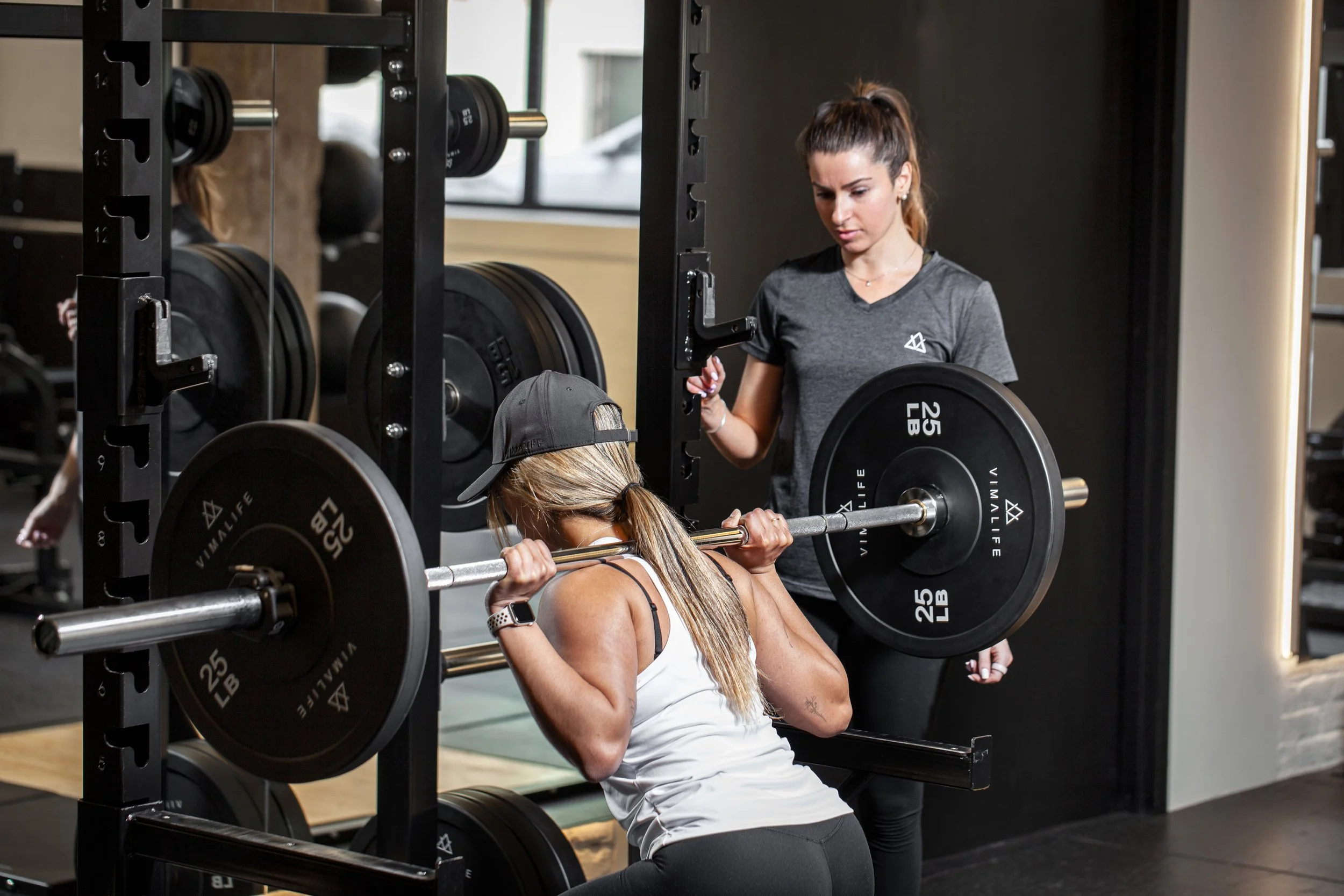
At VIMALIFE, we like exercise snacks most as the connective tissue between bigger training sessions…. a five-minute walk can break up a desk-heavy morning before an evening strength class. A few controlled sets at home can preserve the habit when the calendar refuses to cooperate. Then the fuller sessions do what they are designed to do. Strength classes provide structure and progression. HIIT and conditioning create a more complete cardiovascular challenge. Pilates, yoga and mobility build control, range and awareness. Open gym time gives you room to follow an individual program.
VIMALIFE offers more than 200 monthly classes in Leslieville across strength, HIIT, conditioning, Pilates, yoga, barre, mobility and recovery-focused movement. Members can combine those classes with open gym access, depending on their VIMALIFE membership. If you want to use short workouts but are unsure how they fit your goals, personal training at VIMALIFE can help you decide which movements are worth repeating, how hard to work and where progression belongs. Five minutes becomes much more useful when it is connected to a plan.
That is also the larger point behind our guide to simplifying health optimization. Your routine does not need more hacks. It needs a few sound principles that work on ordinary Tuesdays.
Brief does not automatically mean gentle. Fast stair climbing, jumping and all-out intervals can create a sharp cardiovascular and muscular demand. If you are new to exercise, start with brisk walking, supported movements or moderate bodyweight work before experimenting with harder efforts. At VIMALIFE in Leslieville, short bouts of daily movement can sit alongside classes, open gym training and personal coaching as part of a routine built for real life. Explore the VIMALIFE class schedule and find the mix of movement that makes consistency easier.
Frequently Asked Questions About Exercise Snacks
What is an exercise snack?
An exercise snack is a brief, planned bout of exercise performed during the day, often more than once and separated from other bouts by a long rest. Research protocols commonly use moderate-to-vigorous or vigorous activities such as stair climbing, cycling or bodyweight exercise.
Do five-minute workouts actually count?
Yes. Five-minute workouts contribute to total physical activity. When they are challenging enough and repeated consistently, they may improve cardiorespiratory fitness. A single five-minute session is still worthwhile, but it may not provide every benefit of a complete weekly exercise program.
How many five-minute workouts should I do per day?
Many exercise-snack studies use two or three short bouts per day on at least three days per week. There is no single ideal prescription for everyone. Begin with a frequency you can repeat safely, then increase gradually based on your goals and fitness.
Are exercise snacks the same as HIIT?
Not exactly. HIIT usually places repeated hard intervals and recovery periods inside one workout. Exercise snacks distribute brief efforts across the day, often with one or more hours between them. Both can be intense, but their timing and structure differ.
Can exercise snacks help with weight loss?
They can increase daily activity and support a consistent exercise habit, but research has not shown reliable reductions in body weight or body fat from exercise snacks alone. Weight change is influenced by total activity, nutrition, sleep, health, medication and many other factors.
What are the best exercise snacks for beginners?
Brisk walking, sit-to-stands, wall push-ups, low step-ups and supported bodyweight movements are practical starting points. Choose exercises you can perform with control and increase pace, repetitions or resistance gradually.
Can a five-minute workout replace going to the gym?
It can be a useful substitute on a day when a longer workout is not possible, but it does not automatically replace progressive strength training, sustained cardio, movement practice or coaching. Exercise snacks work best as one flexible part of a broader routine.
Is a movement snack the same as an exercise snack?
Not always. A movement snack can be any brief break from sitting, including easy walking, stretching or mobility. Exercise snacks are generally more structured and more intense. Both are valuable, but the expected training effect is different.