
How Much Does a Personal Trainer Cost in Toronto? A Clear 2026 Guide
The Short Answer
In Toronto in 2026, one-to-one personal training generally costs about $60 to $180 or more per session. A 60-minute session with a certified trainer commonly falls around $80 to $130, while shorter sessions, partner training and larger packages can reduce the per-session cost. Specialized, private or in-home coaching may cost more.
Publicly posted Toronto pricing varies by facility and service model, taxes, gym membership, an initial assessment or programming between appointments may or may not be included.
Personal Training Costs in Toronto
Here is a practical way to compare the most common personal training options:
| Personal training format | Approximate Toronto planning range | Often best for |
|---|---|---|
| 30-minute one-to-one session | $50 to $90 | Focused coaching, technique work and time-efficient training |
| 60-minute one-to-one session | $80 to $150+ | Full workouts, detailed coaching and broader programming |
| Partner or semi-private training | $40 to $80 per person | Shared accountability and a lower individual cost |
| Specialized, private or in-home training | $100 to $180+ | Convenience, privacy or a specific coaching specialty |
| Online coaching | $150 to $400+ per month | Programming and accountability without in-person sessions |
These figures are general planning ranges. Actual pricing can vary by trainer experience, session length, location, package size and included services.
The important word in this table is approximate. A lower price does not automatically mean better value, and a higher price does not automatically mean better coaching. The useful comparison is not simply cost per hour. It is what the hour helps you do better during the rest of your week.
Why Personal Training Prices in Toronto Vary So Much
Personal training is a service, not a standardized product. The cost changes according to what is being delivered, where it happens and how much of the coach’s work takes place outside the appointment.
1. Session length
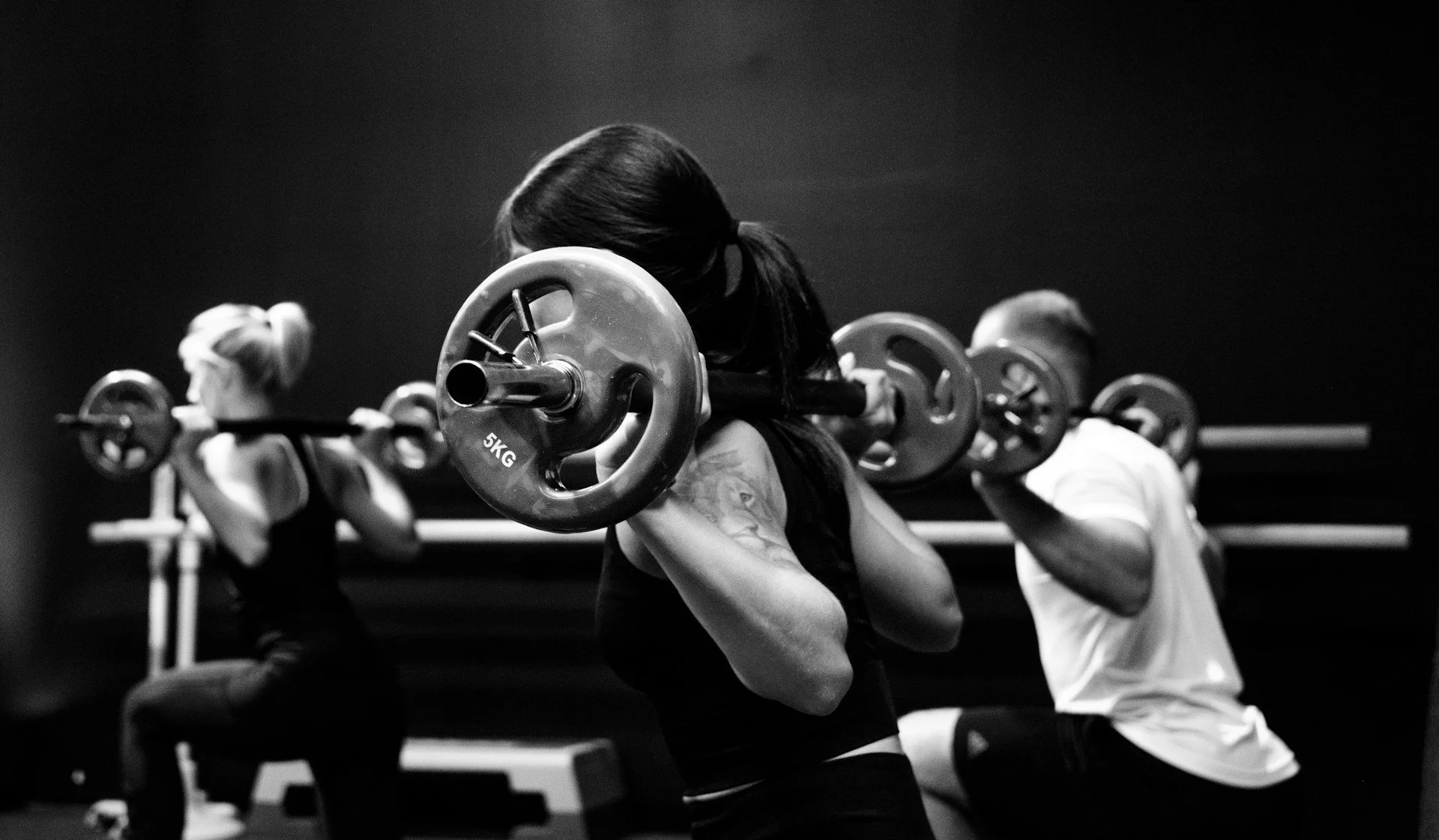
A 30-minute session usually costs less in total than a 60-minute session, but it may not cost exactly half as much. The trainer still has to prepare, review your progress, reserve the appointment and maintain the same professional qualifications. Short sessions can be highly effective when the purpose is clear. Thirty minutes may be enough to work on squat technique, complete a focused strength session or review a program you will repeat independently. A full hour allows more time for a warm-up, multiple movement patterns, accessories, conditioning and a longer conversation about progression.
2. The trainer’s education, experience and specialty
Experience can affect price, but years in the industry are only one part of the picture. A trainer may also have additional education in strength and conditioning, athletic development, pre- and postnatal fitness, active aging or another area relevant to a client’s goals. Specialization is valuable when you need it. It is less important when it has nothing to do with the reason you are training. The right question is not, “Who has the longest list of credentials?” It is, “Does this coach have the skills and experience to help someone starting where I am?” If you have an injury, persistent pain or a medical condition, a personal trainer should work within their professional scope. They should not diagnose an injury or replace care from a physician, physiotherapist or another regulated healthcare professional.
3. What happens outside the session
Some rates cover only the appointment. Others may include a fitness assessment, an individualized program, session notes, progress tracking, independent workouts or check-ins between visits. This is one reason hourly comparisons can be misleading. A coach who spends time planning and adapting your program may provide more value than someone who simply chooses a new workout when you arrive. Before buying, ask what the price includes in plain language.
4. The training environment
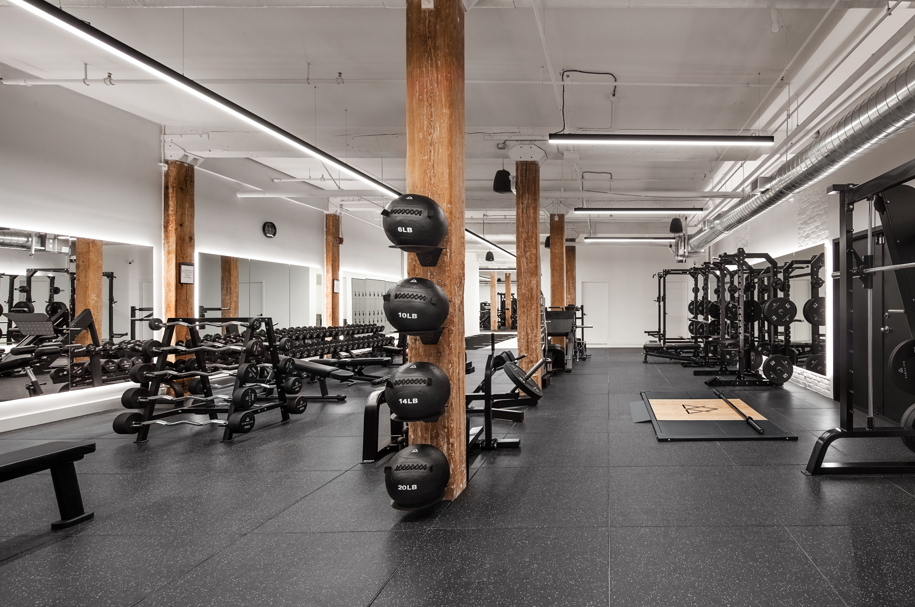
Where you train affects the fee. A large commercial gym, independent studio, premium fitness club, condominium gym and in-home service all have different operating costs and levels of convenience. The environment also affects what you can do. Equipment selection, available space, privacy, cleanliness, parking, changerooms and access to the gym outside your coached sessions can all shape the experience. If you plan to repeat workouts on your own, access matters. A beautifully written program is not very useful if it relies on equipment you cannot regularly use.
5. One-to-one, partner or semi-private coaching
One-to-one personal training gives the coach’s full attention to one person. Partner and semi-private training divide that attention across two or more people, which usually lowers the price per person. Shared training can work particularly well when both people have similar schedules, experience and goals. If one person needs highly specific modifications or a very different pace, individual coaching may be more useful.
6. Package size and commitment
Many personal training packages in Toronto reduce the per-session cost as the number of sessions increases. This can create real savings, but only if the package fits your life.
Before choosing the largest package, check:
When the sessions expire
Whether appointments can be rescheduled
How much notice is required for cancellation
Whether the package can be paused or transferred
What happens if your trainer becomes unavailable
Whether unused sessions are refundable
A discounted session that expires unused is not a discount.
7. Memberships, assessments, fees and tax
Some gyms require an active membership for personal training. Others sell training to non-members at a different rate. An assessment may be included, sold separately or offered as part of an introductory package.
Ask whether the quoted amount includes:
HST
Gym access
An initial assessment or consultation
Program design
Progress reviews
Access to an app or training plan
Any initiation or administration fee
This gives you the actual cost of getting started, not just the number printed beside one session.
30-Minute vs. 60-Minute Personal Training
More time is not automatically better. The right personal training session length depends on what needs to happen inside it.
| 30-minute personal training may suit you if: | 60-minute personal training may suit you if: |
|---|---|
| You want focused technique support | You want a complete, coached workout |
| You already warm up independently | You need a more gradual warm-up and preparation |
| You are learning a smaller number of exercises | You are training several movement patterns |
| Your schedule makes consistency difficult | You have room for a longer weekly appointment |
| You complete other workouts on your own | You want more of your weekly training supervised |
| You prefer a lower total appointment cost | You value more time for explanation and progression |
A focused half hour can be more useful than an unfocused hour. The tradeoff is that shorter appointments leave less room for conversation, setup and a broad full-body session.
If you are new to exercise, an initial 60-minute session or assessment can provide useful context. Once your coach understands your starting point, shorter sessions may be enough for targeted work. For someone with several goals, a full hour may continue to make more sense.
What Should Be Included in Good Personal Training?
The value of personal training is not that someone counts your repetitions. It is that the important decisions are no longer random. A thoughtful coaching process should usually include:
A clear starting point
Your trainer should ask about your goals, exercise history, weekly schedule, preferences and relevant limitations before deciding what you need. Depending on the service, this may include a movement or fitness assessment.
A plan connected to your goal
The program should reflect what you are working toward. Building general strength, preparing for a sport, becoming comfortable on the gym floor and returning after time away are different assignments.
Technique coaching you can understand
Good cues are specific and useful. You should gradually understand how to set up an exercise, what it is meant to train and what to notice while you perform it.
Progression over time
Exercises, resistance, repetitions, range of motion and training volume should not remain unchanged forever. They also should not change randomly every week. Progression means adjusting the plan for a reason.
The American College of Sports Medicine’s 2026 position stand on resistance training drew on more than 137 studies involving over 30,000 participants. Its practical message is refreshingly simple: consistency matters more than unnecessary complexity, and programs should be individualized around a person’s goals, enjoyment and safety.
A plan for the days you are not together
Unless every workout is coached, you need to know what happens between appointments. That may be an independent strength session, a class, walking, cardio, mobility or recovery. The best personal training should make the rest of your routine clearer.
A way to review progress
Progress may include lifting more weight, completing more repetitions with control, improving movement quality, feeling more confident with equipment or attending more consistently. It does not need to be reduced to a scale.
How Often Should You See a Personal Trainer?
There is no correct frequency for everyone. Your goals, experience, budget and ability to train independently all matter. Three common approaches are:
One or two sessions per week
This can work well for beginners who want regular coaching, people learning strength training or anyone who benefits from scheduled accountability. Independent workouts can be added as confidence grows.
One session per week plus independent training
The coached session can be used for progression, technique and the most demanding work. Other workouts can repeat the plan independently.
A short, concentrated learning phase
Some people work with a trainer more frequently for several weeks, then reduce the frequency once they understand their program. Others book occasional sessions for check-ins and updates. Canada’s 24-Hour Movement Guidelines for Adults recommend muscle-strengthening activities involving the major muscle groups at least twice per week. That does not mean you need two personal-training appointments. It means your overall routine should give you enough opportunities to practice and progress.
Is Personal Training Worth It?
Personal training is most valuable when it changes the quality of what you do, not only while the trainer is beside you, but also when you train alone. Research offers a useful reality check. A systematic review and meta-analysis comparing supervised and unsupervised resistance training found a small overall advantage for supervised training in performance and function, with a moderate advantage for strength. The effect on body composition was much smaller. A personal trainer can help improve exercise selection, technique, effort, progression and accountability. They cannot override inconsistent attendance, sleep, recovery, nutrition or the simple passage of time. Coaching is leverage, not magic.
Accountability is also more useful when it involves something concrete. A 2023 systematic review of exercise-adherence interventions found that goal setting, monitoring and feedback may help people follow physical-activity recommendations. The review focused on adults with metabolic syndrome, so it is not proof that the same approach works identically for everyone. It does support a sensible principle: a coach should help you turn an intention into specific actions that can be reviewed and adjusted.
Personal training may be worth the cost if it helps you:
Start instead of postponing
Learn movements correctly and confidently
Follow a plan instead of guessing
Progress beyond the same familiar routine
Use the gym independently between sessions
Train consistently enough for the plan to work
Prepare for a specific recreational or performance goal
It may offer less value if every session feels improvised, you do not understand the plan or the service keeps you dependent without helping you build skill. The best outcome is not needing someone to tell you that every workout was hard. It is becoming more capable, more informed and more consistent.

How to Get More Value From a Personal Training Budget
You do not always need the largest package or the highest weekly frequency. You need a structure that uses coaching well.
Choose the right session length
Use 60 minutes when you need a complete session, detailed instruction or broader programming. Choose 30 minutes when the work can be focused and you are comfortable completing other parts of the routine independently.
Ask for an independent workout
If you see a trainer once per week, ask what to repeat on another day. One coached session becomes more valuable when it improves two or three workouts.
Buy only what you can realistically schedule
Look at the next two or three months before choosing a package. Travel, work deadlines and caregiving responsibilities do not disappear because you received a lower per-session rate.
Consider partner training
Training with a partner can reduce the individual cost while keeping the appointment personal. Choose someone whose schedule, goals and pace are reasonably compatible with yours.
Arrive ready
Being changed, hydrated and on time protects the minutes you paid for. If your trainer sends a warm-up in advance, complete it before the appointment when appropriate.
Review the plan at regular intervals
Ask what has improved, what still needs work and whether the current frequency still makes sense. Personal training should be adjusted as you become more capable.

Questions to Ask Before Buying a Personal Training Package
Price matters. These questions reveal what the price actually buys:
What is included outside the appointment?
Is there an assessment or consultation before training begins?
Will I receive workouts to complete independently?
How will my progress be tracked?
What qualifications and experience are most relevant to my goal?
Are 30-minute and 60-minute sessions available?
Is partner or semi-private training available?
Do I need a gym membership?
Does the quoted price include tax?
When do sessions expire?
What is the cancellation and rescheduling policy?
What happens if my regular trainer is unavailable?
A good coach should be comfortable answering them.
Personal Training at VIMALIFE in Leslieville
For people looking for a personal trainer in Leslieville, VIMALIFE offers one-to-one coaching in focused 30-minute and full 60-minute formats, along with partner training and starter options for eligible new members.
The VIMA Starter Pack combines a fitness assessment with three personal-training sessions, giving new members a defined place to begin without having to choose a long-term training schedule on day one.
Personal training takes place within VIMALIFE’s members-only environment at 276 Carlaw Avenue. This means coaching can connect naturally with open-gym training, dedicated strength equipment and premium club amenities. Depending on how you prefer to train, it can also sit alongside VIMALIFE’s gym and class membership options.
Some members use personal training as the centre of their routine. Others use a coached session to shape the workouts they complete independently or to complement strength, conditioning, Pilates, yoga and mobility classes. The useful question is not which option sounds most impressive. It is which level of support will help you keep going.
If you are still deciding what type of coaching you need, read our guide to choosing personal training in Leslieville.
Frequently Asked Questions
How much is a personal trainer in Toronto in 2026?
Most one-to-one personal training in Toronto costs approximately $60 to $180 or more per session. A typical 60-minute gym-based session often falls around $80 to $130. Shorter sessions, partner training and packages may cost less per appointment, while specialized, private and in-home training may cost more.
Is 30 minutes with a personal trainer enough?
Yes, 30 minutes can be enough for focused strength work, technique coaching, accountability or a targeted part of a larger program. A 60-minute session is often better when you need a full workout, a longer warm-up or more detailed instruction.
Can I see a personal trainer once a week?
Yes. Many people meet a trainer once per week and complete one or more workouts independently. The right frequency depends on your goals, experience, budget and how much support you need between sessions.
Do personal-training packages cost less per session?
They often do. Larger packages commonly reduce the per-session price, but check the expiry date, cancellation policy and scheduling requirements before buying. The best-value package is one you will actually use.
Do you need a gym membership for personal training?
It depends on the facility. Some trainers work with non-members, while others provide coaching inside a members-only gym. VIMALIFE personal training is offered in a members-only setting. Guests can contact VIMALIFE to ask about personal training, membership options or a complimentary visit.
Is personal training better than fitness classes?
Neither is universally better. Personal training provides individual programming and close feedback. Group classes provide shared energy, variety and a scheduled workout. Many people benefit from combining personal training, independent gym sessions and fitness classes within the same week.
Is personal training worth it for beginners?
It can be. Beginners often have the most questions about equipment, exercise selection, technique and how to organize a week. Good coaching can shorten that learning curve and help the gym feel less intimidating.