
VIMALIFE Blog
Welcome to your hub for fitness, wellness and lifestyle insights from VIMALIFE, a boutique fitness club in Leslieville, Toronto. Here, we explore the rituals, routines and trends shaping how people move, recover and live well, from strength training, Pilates and yoga to longevity, mobility, nervous system health, personal training, nutrition and mindfulness.
Our perspective is simple: wellness should feel intentional, elevated and sustainable. Whether you are building strength, refining your routine or looking for a more connected way to care for your body, the VIMALIFE Blog brings you guidance, ideas and inspiration to help you feel stronger, more grounded and more connected to your health.
Explore our latest posts for fitness tips, wellness trends, recovery rituals, club updates and our take on what it means to live well in Leslieville and beyond.
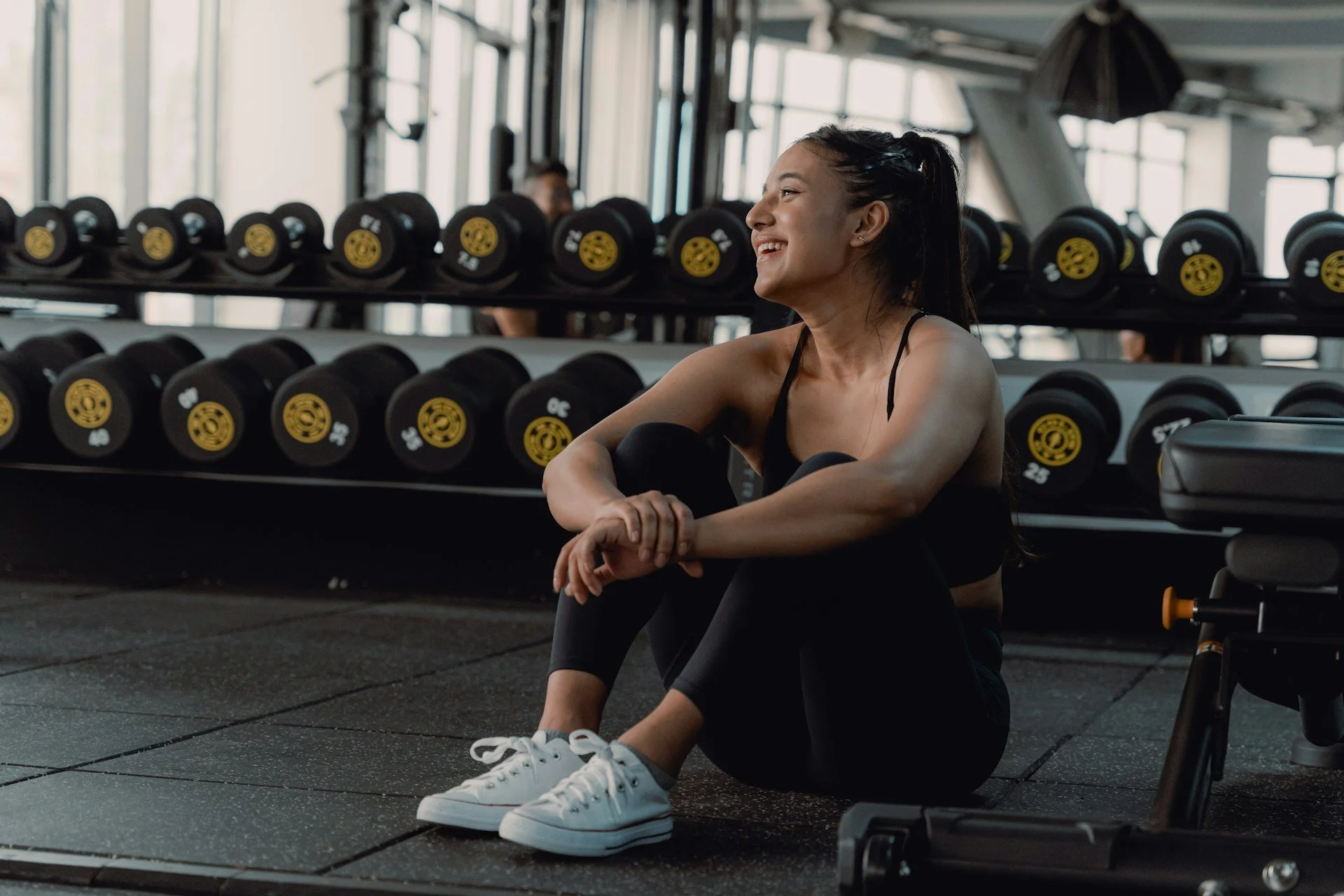
How Long Should You Rest Between Sets? What Changes for Strength and Muscle Growth
Your timer says the rest is over, but your legs disagree. The break between sets can affect your next lift, the repetitions you complete and how the session fits together. Research offers useful starting points for strength and muscle growth, with more flexibility than a universal sixty-second rule suggests.
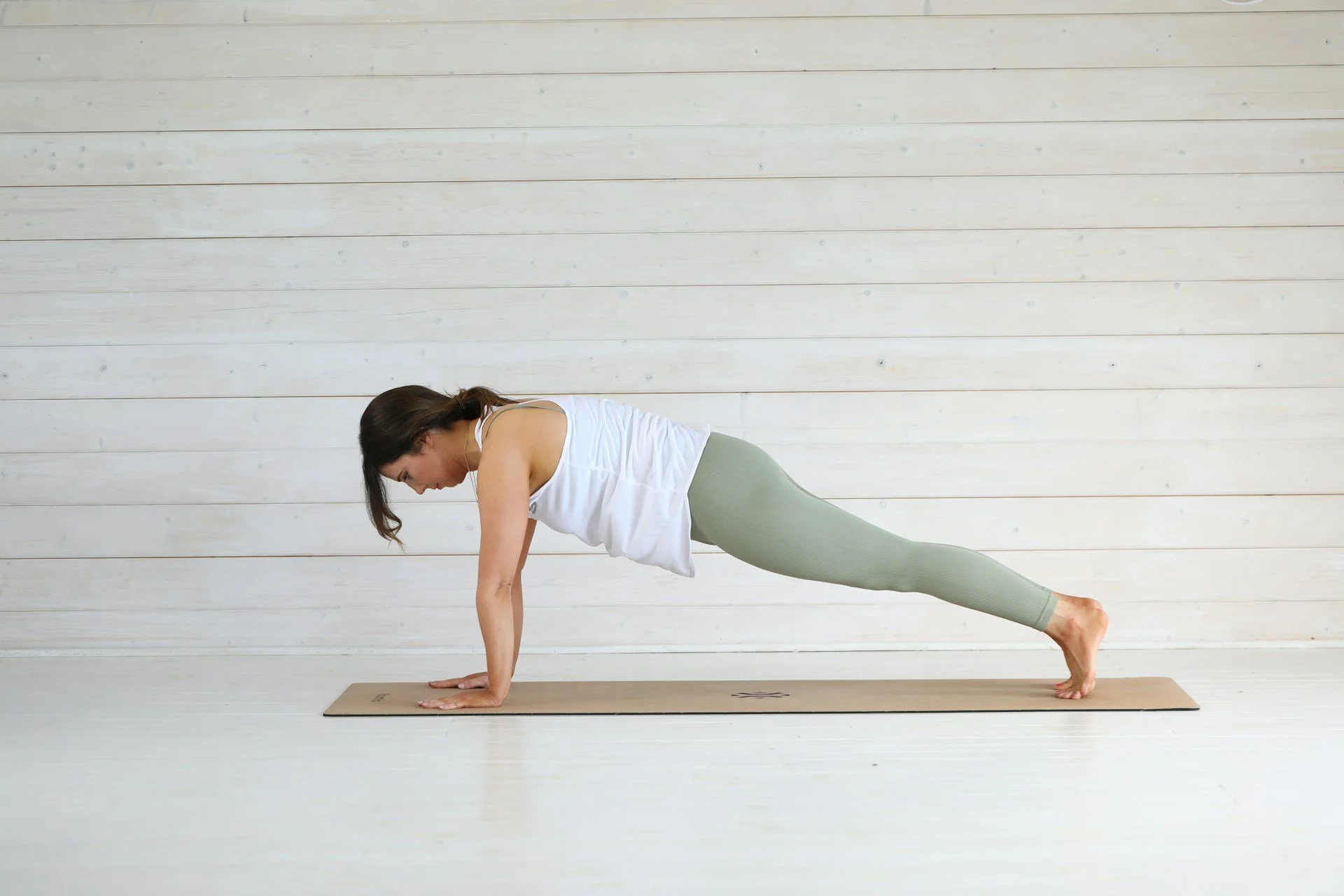
Isometric Exercises Explained: What Holds and Planks Add to Your Workout
A twenty-second wall sit can make the clock feel unusually slow. Isometric exercises ask your muscles to produce force while you hold a position, and they can be a useful part of strength training. Here is what the research says about getting stronger, the blood-pressure headlines and using holds without turning every set into an endurance contest.
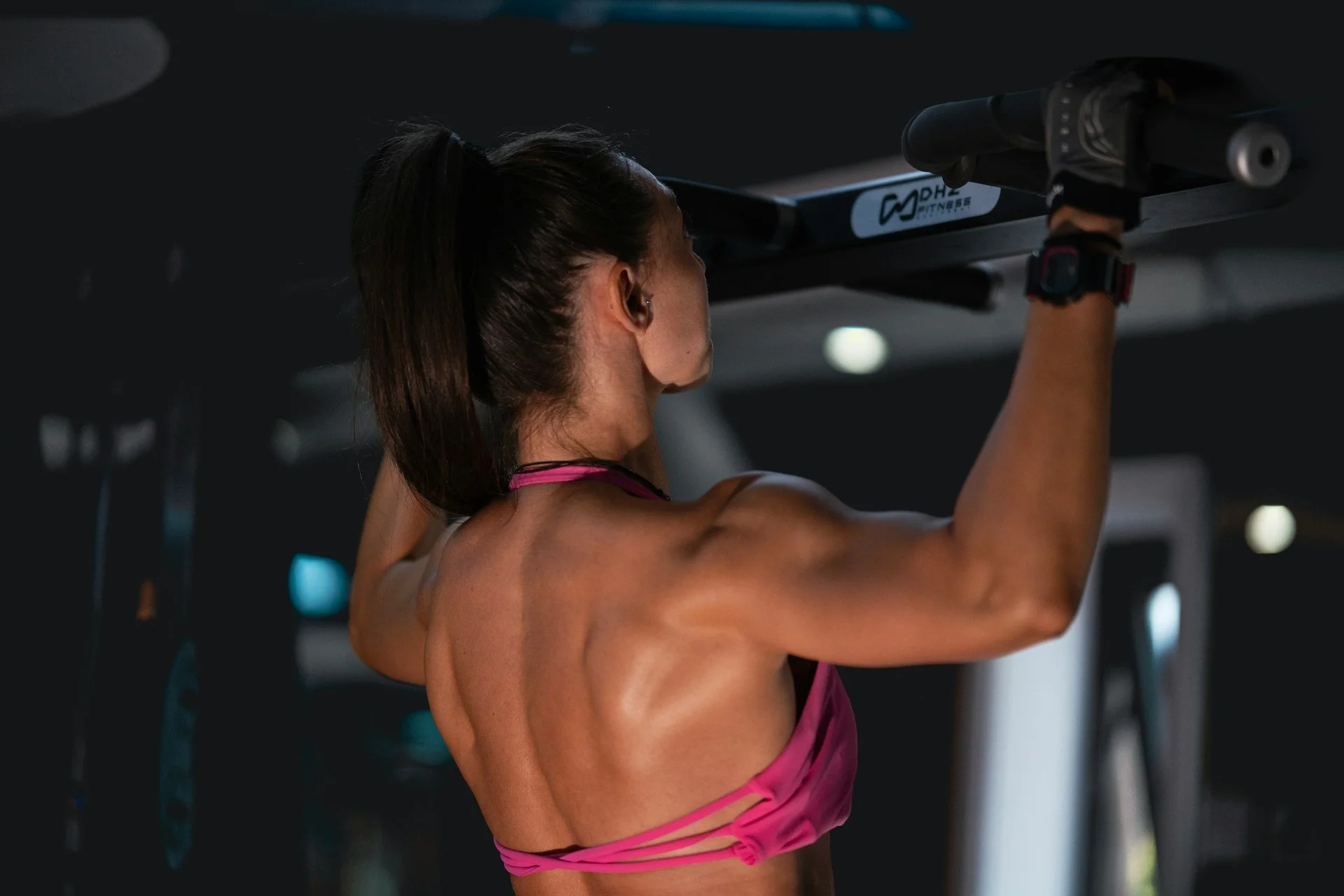
Muscle Power vs. Muscle Strength: Why Both Matter as You Age
You can have enough strength to stand up from a chair and still find the movement slower than it used to be. Muscle power helps explain the difference. Here is what researchers have learned about force, speed and everyday function, plus how to bring power training into a routine without making every exercise explosive.

Returning to the Gym After a Break: How to Start Without Overdoing It
Returning after a break is an opportunity to rebuild a routine around your current capacity. Research offers reassurance, and a few practical adjustments can make the first weeks more manageable.
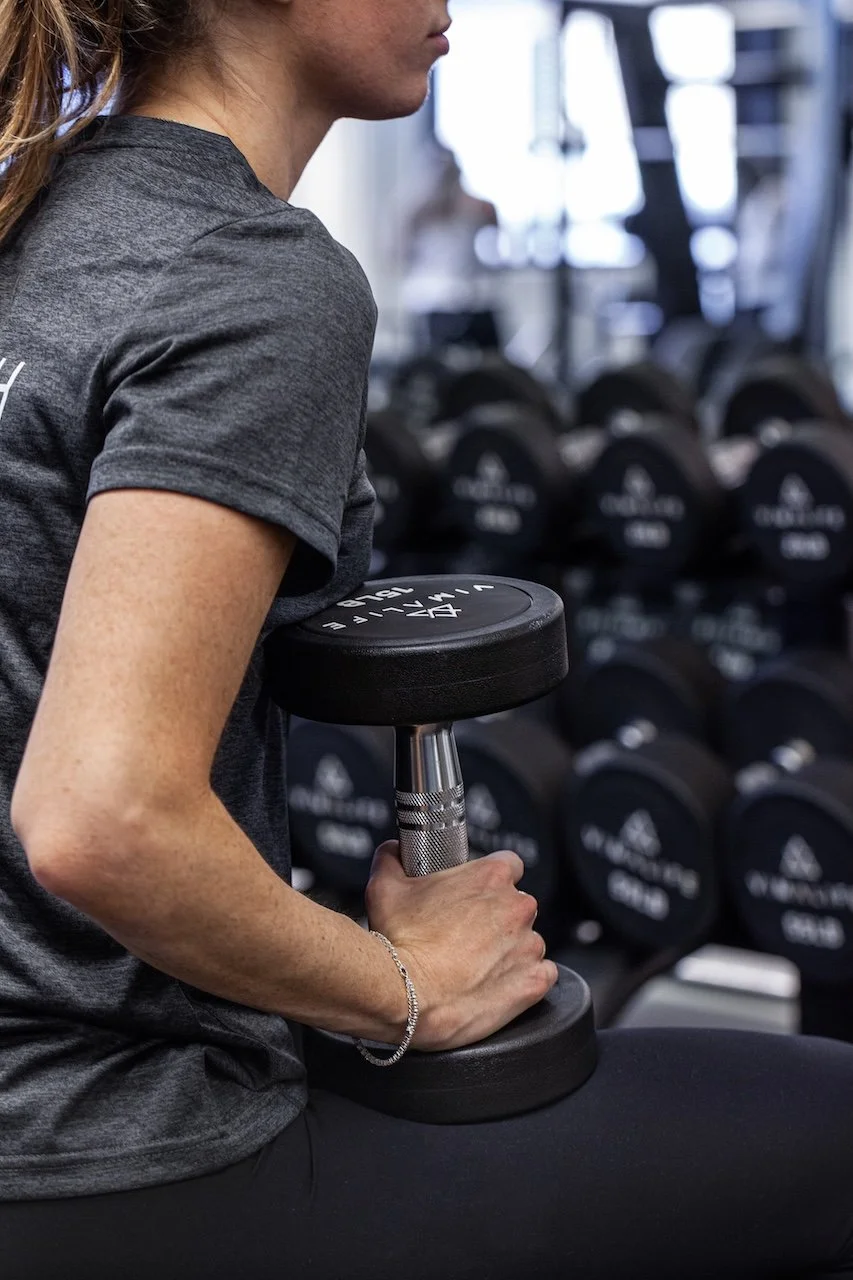
How Much Protein Do You Need to Build and Maintain Muscle?
Protein advice can make an ordinary lunch feel like a math assignment. Research provides a more useful starting point: match your intake to your body size and goals, include protein across the day and keep strength training in the picture. Here is what the numbers mean in everyday meals.

Strength Training During Perimenopause and Menopause: What Changes?
Familiar workouts can feel different when sleep, symptoms and menstrual cycles become less predictable. Research offers encouraging news about strength training through menopause, alongside useful limits on what exercise can promise. Here is how to build a routine that supports muscle, bones and everyday life.

How Many Days a Week Should You Work Out? Building a Routine That Fits
A useful workout routine has to fit both your goals and your calendar. Research suggests there is more flexibility than the familiar three-day or five-day rules imply. Here is how to combine strength, cardio and recovery into a week you can actually repeat.

Machines vs. Free Weights: Which Is Better for Building Strength?
The leg press and squat rack can both have a place in a good strength programme. Research offers little support for treating one category of equipment as universally superior. Learn how specificity, comfort and progression can help you choose what belongs in your workout.

Cold Plunge Before or After a Workout? What Timing Changes
A cold plunge can leave you feeling refreshed, but where it sits in your workout routine matters. The evidence points to different choices for muscle growth, next-day recovery and endurance exercise in the heat. Here is how to choose your timing without turning recovery into another complicated routine.

GLP-1 Medications and Exercise: How to Protect Muscle During Weight Loss
GLP-1 medications can change your appetite and your weight. What happens to your muscle deserves attention, too. Explore what studies actually measure, why strength training matters, and how to build a realistic routine around protein, movement and the way you feel.

Should You Train to Failure? What the Science Says
The final rep can feel like the one that decides whether a workout counted. Research gives us a more useful way to judge effort. Learn when training to failure may help, why stopping slightly earlier can still build muscle and how to choose an appropriate stopping point.

Grip Strength and Longevity: What Your Grip Can and Cannot Tell You
Your grip helps you carry groceries, hold a weight and get through everyday tasks. Researchers also use it to study health and aging. Here’s what the connection with longevity actually means, why a single score needs context and how to put the findings to use.

Cardio Before or After Weights? How to Order Your Workout
A few minutes warming up on the treadmill is different from a hard run before lifting. Here’s what research reveals about workout order, how fatigue affects your performance, and where to put cardio when strength, muscle growth or endurance is your goal.

What Is Hybrid Training? HYROX-Style Workouts Explained
Hybrid training combines strength and endurance within the same training programme. Learn how it works, where HYROX-style workouts fit in, and what research says about building strength and cardiovascular fitness together.

Progressive Overload Explained: How to Keep Getting Stronger
Progressive overload is simpler than it sounds. Learn when to add weight or repetitions, how hard a set should feel and what to do when progress stalls.

Weighted Vest Walking vs. Rucking: Benefits, Risks and How to Start
Adding weight can turn a familiar walk into a more demanding cardio session, but the vest does not replace strength training. Here is what research says about weighted vest walking and rucking, plus how to begin without overloading the plan.